

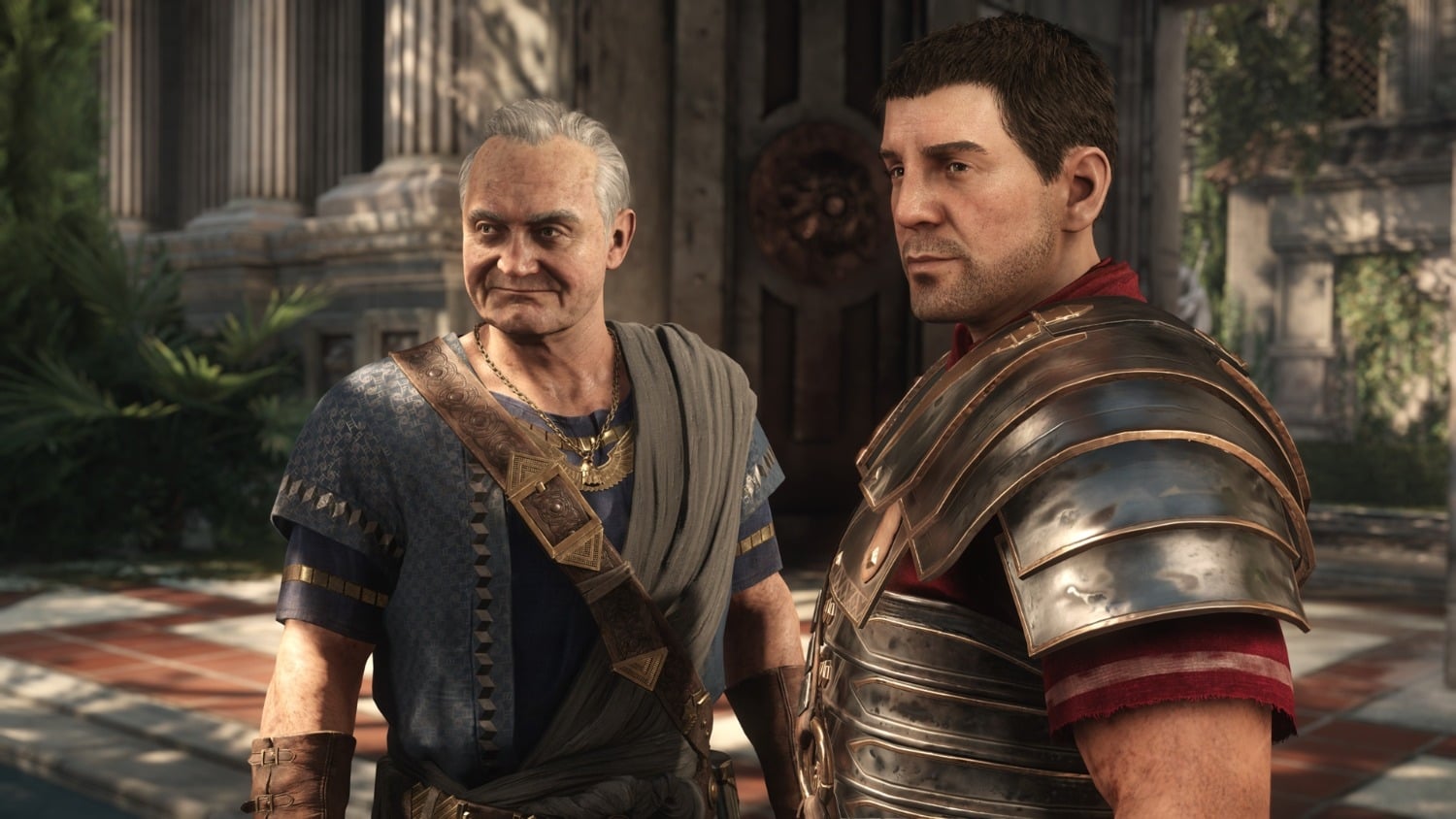
TL;DR: Ryse: Son of Rome was intended as the first entry in an Xbox historical-action franchise to rival Assassin’s Creed, with planned sequels (Vikings, feudal Japan, Ottoman fall), expanded open designs, PvP and vehicle modes. Cuts for launch, mixed reviews, modest sales and a Crytek-Microsoft rights dispute ended the series.
Voice: Hassam NasirSpeed
0:00 / 3:28
Use left and right arrow keys to seek audio.
We all remember Ryse: Son of Rome, right? It launched alongside the Xbox One in November 2013 as a cinematic action game starring Roman centurion Marius Titus on a revenge quest against barbarian invaders. New details from former Crytek staff reveal the game was originally meant to be the opening chapter of a much bigger historical franchise, one Microsoft reportedly saw as its answer to Assassin’s Creed
6
VIEW GALLERY – 6 IMAGES
According to the developers, planning for future entries started while the first game was still in production. The team discussed taking the series to Viking-era Europe, feudal Japan, and the fall of the Ottoman Empire, with a loose connecting theme built around the rise and fall of civilizations. Sound familiar?
Popular Now: Modders upgrade the original PlayStation’s RAM from 2MB to 16MB6
Some pitches even floated the idea of linking each game’s story to the next. Sequels were reportedly planned to ditch the corridor-style level design of the original for a more God of War-like semi-open structure, along with real PvP and vehicle sections that never made it into the launch game
6
Ryse itself shipped rough. Crytek reportedly had to cut close to two-thirds of its planned content to hit the Xbox One launch window, and the game landed with mixed reviews, sitting around the 60 mark on Metacritic. It still crossed a million copies sold and built a loyal cult following, but that wasn’t enough to convince Microsoft to keep funding a sequel. The franchise plans reportedly stalled over a rights dispute, with Crytek unwilling to sell the IP outright and Microsoft unwilling to bankroll further games without owning it.
6
It’s worth remembering just how differently things played out for Assassin’s Creed during that same stretch. Ubisoft’s series kept iterating year after year and turned into one of gaming’s most successful franchises, something Ubisoft is still leaning on today. A successful Ryse could have given Xbox its own annualized historical action series to lean on for the past decade, rather than leaving the studio to build its console business almost entirely around acquisitions like Bethesda and Activision Blizzard.
6
That gap in first-party output looks more painful given where Xbox sits today. Microsoft has confirmed major layoffs tied to a shrinking profit margin, and reports point to as many as five internal studios facing closure or a sale, including Compulsion Games and Ninja Theory. Even the studios Xbox is protecting aren’t fully safe, with cuts already hitting Bethesda and id Software despite promises to prioritize tentpole franchises
Question #1
What specific gameplay features planned for Ryse sequels (like PvP or vehicle sections) were cut from the original and where can I read more about them?
Question #2
Which historical eras did Crytek plan for later Ryse games and are there TweakTown posts detailing those pitches?
Question #3
How did Crytek’s corridor-style level design compare to the planned semi-open God of War-like structure for sequels?
Question #4
What details are available about the rights dispute between Crytek and Microsoft that stalled Ryse’s franchise?
Have a question not listed here? Ask below and TweakBot will answer it
A thriving Ryse series obviously wouldn’t have fixed everything, but it’s a reminder of how much was left on the table when Xbox’s first attempt at a signature action franchise never got a second chance
