
Close Menu

    Subscribe to Updates

    Get the latest creative news from FooBar about art, design and business.

    What's Hot

    Bayeux tapestry becomes pop culture hit as young people more keen to see exhibition than top films

    October 26, 2026

    TV Shows Like ‘Once Upon a Time’: ‘Grimm,’ ‘Lost’ & More

    October 26, 2026

    Famitsu’s most wanted games – October 25, 2026 – Persona 4 Revival and Persona 6 for Nintendo Switch 2 on the top 10

    October 26, 2026
    Facebook X (Twitter) Instagram
    Facebook X (Twitter) Instagram YouTube TikTok
    Comic Vibe
    Monday, October 26
    • Home
    • Comics
      • Comic Vibe News
    • Gaming
    • Movies
    • TV
    • Anime
    • Toys & Collectibles
    • Cosplay
    • Tech
    • Digital Culture
      • Creators & Fan Culture
      • Creator Economy & Fan-Driven Platforms
      • Digital Fandom & Online Communities
      • Metaverse & Virtual Worlds
      • NFTs & Digital Collectibles
      • Virtual Events & Online Conventions
      • Virtual Identity & Avatars
    • Shop
    Comic Vibe
    • Home
    • Contact Us
    • Terms & Conditions
    • Advertise With Us
    • DMCA Policy
    • Privacy Policy
    • About Us
    Home»Comic Vibe News»How Black Panther Changed Comic Books (and Wakanda) Forever
    Comic Vibe News

    How Black Panther Changed Comic Books (and Wakanda) Forever

    JamesBy JamesOctober 26, 2026No Comments6 Mins Read
    Facebook Twitter
    Share
    Facebook Twitter

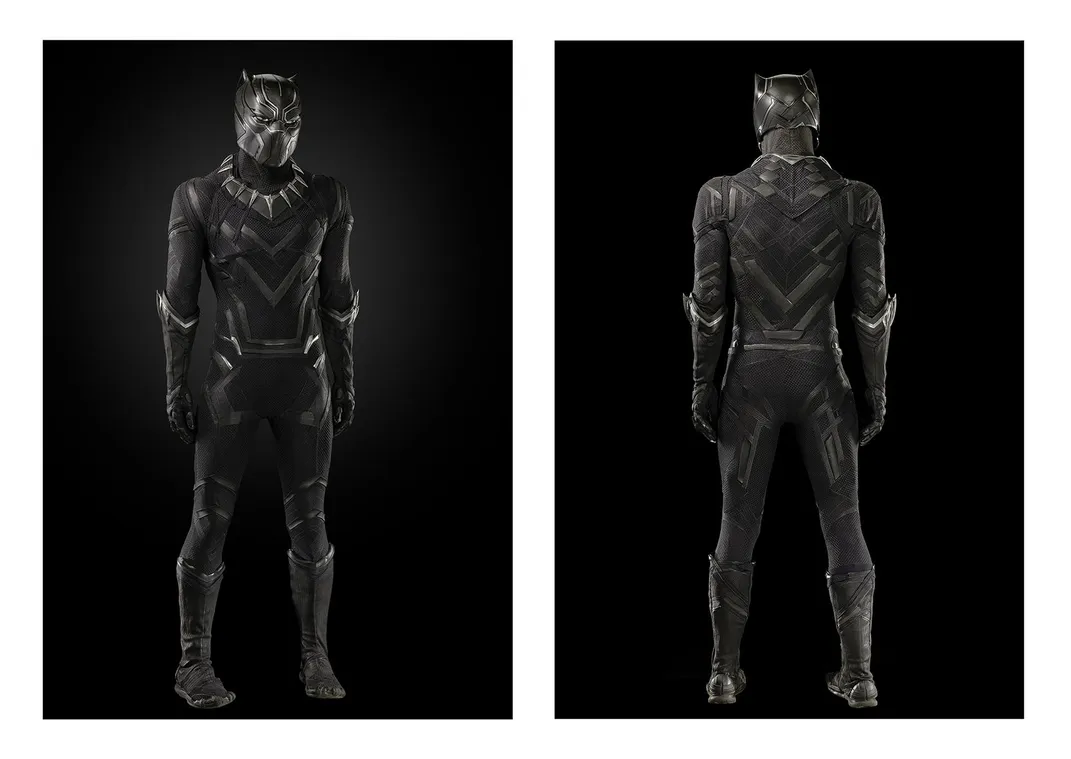
    It was clear from the moment it reached multiplexes in 2018 that Black Panther wasn’t just a hit; it was a phenomenon. The title character, portrayed by the late Chadwick Boseman, became an inspiration to millions of Americans. Black Panther, a.k.a. T’Challa, king of the fictional African nation of Wakanda, stood as a symbol of strength, honor and pride in one’s African ancestry. And the character’s essential qualities—his regal bearing and quiet determination—are captured in his costume, designed for the screen by Ruth E. Carter, the film’s costume designer, who built on the work of Ryan Meinerding, a Marvel artist and character designer.

    Carter embellished some versions of the costume with raised triangles, which she has called “the sacred geometry of Africa,” given the shape’s long significance to the continent’s art and culture. Her emphasis on the essential dignity of the character captures the ambition of his originators, the writer Stan Lee and the artist Jack Kirby, who debuted Black Panther for Marvel Comics in Fantastic Four #52 in 1966. Following some of the most important moments of the civil rights movement, the comics pioneers wanted Black Panther to break stereotypes and embody black pride.

    “At that point I felt we really needed a black superhero,” Lee recalled in a 2016 interview. “And I wanted to get away from a common perception.” Thus, Lee decided to make T’Challa “a brilliant scientist” living in a secret, underground African technoutopia, “and nobody suspects it because on the surface it’s just thatched huts with ordinary ‘natives.’”
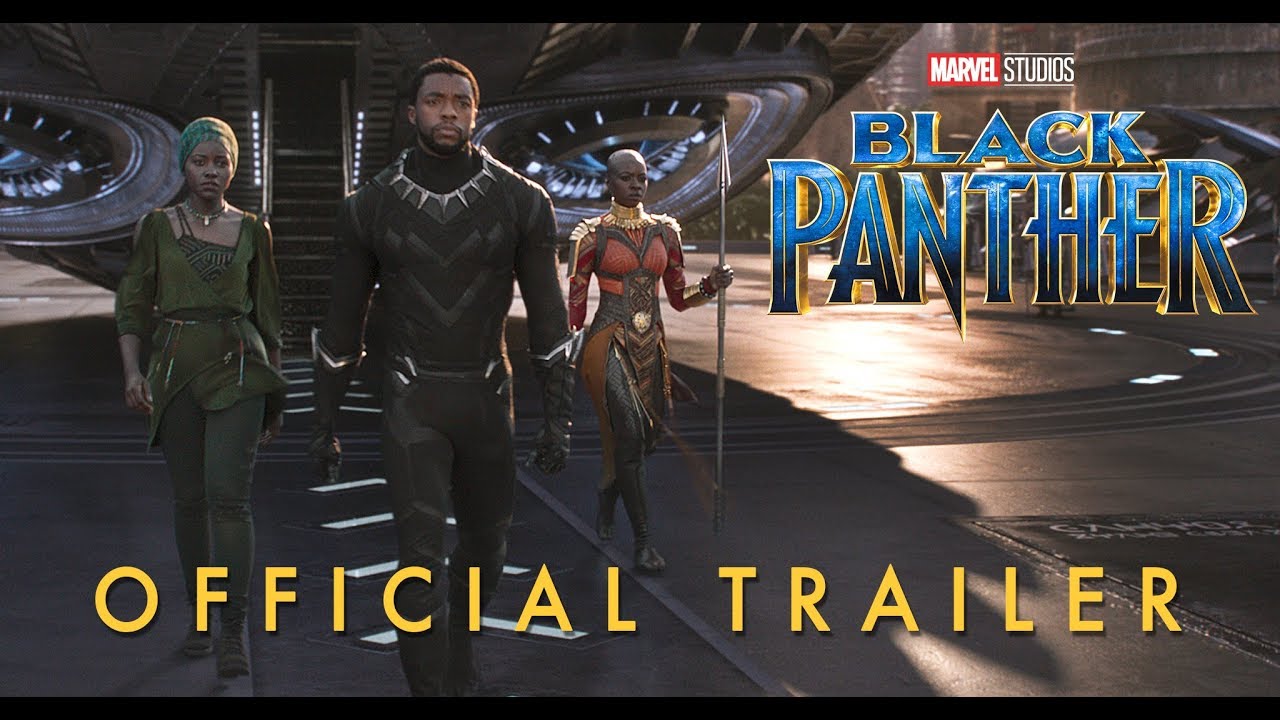
    Marvel Studios‘ Black Panther – Official Trailer

    Marvel Studios' Black Panther - Official Trailer

    Front and back of Black Panther uniform
    The Black Panther’s film uniform, as of 2016.

    Walter Larrimore / National Museum of African American History and Culture, Collection of the National Museum of African American History and Culture, Gift of Marvel Studios and The Walt Disney Company, © Marvel

    But as much as the Black Panther portrayed by Boseman (under the direction of Ryan Coogler) fits this vision, he is also different from the character created by a white writer and a white artist for a white audience more than 50 years ago. Today’s T’Challa is indebted to a generation of black writers and artists who moved beyond mere representation to build a character with more depth than the one dismissed in his first appearance by fellow comics crimefighter Ben Grimm, a.k.a. the Thing, as “some refugee from a Tarzan movie.” In the evolution of the Black Panther, you can see a clear arc in the history of black superheroes—how they’ve become richer, fuller and even inspiring characters.

    Left, The first and only edition of All-Negro Comics, published by a pioneering team of black artists and writers in 1947. Right, journalist Orrin Evans was the first black reporter to cover general news at a mainstream newspaper. In 1947, he co-founded All-Negro Comics, Inc., with fellow journalist Harry Saylor, with the aim of creating positive representations of African Americans.
    Comic Book Plus / Wikipedia; Library of Congress
    [/]
    Left, the 1972 debut of Luke Cage, introduced as a mercenary crimefighter at the height of the blaxpoitation movement. Right, a 1972 cover from Jungle Action, one of the most celebrated series from the early years of Black Panther’s existence, which boasted stunning action sequences and surprising character development.

    Archie Goodwin (writer); John Romita (cover artist) / ©Marvel; Don Mcgregor (writer), Gil Kane and Frank Giacoia (artists) / ©Marvel

    [/]

    [/]
    Ironheart, a young black woman who fights evil with the help of an Ironman-style suit, enjoyed a celebrated makeover in 2018, when the author and scholar Eve Ewing reimagined the character for Marvel.

    Eve Ewing (writer), Luciano Vecchio (cover artist) / © Marvel

    [/]
    Left, Christopher Priest, the first black editor at Marvel, wrote a groundbreaking Black Panther series from 1998 to 2003, ushering the character into the elite tier of beloved American superheroes. Right, In 2016, MacArthur genius and National Book Award winner Ta-Nehisi Coates began a celebrated Black Panther series for Marvel.

    Christopher Priest (writer), Mark Texeira (cover artist) / © Marvel; Ta-Nehisi Coates (writer), Brian Stelfreeze (cover artist) / © Marvel

    [/]

    Black characters have had a fraught history in comic books from the outset. They were “largely relegated to background and secondary roles and characterized primarily through their figurative embodiment of racist stereotypes,” Kevin Strait, a curator at the Smithsonian National Museum of African American History and Culture, says in an interview.

    In the 1940s and ’50s, however, depictions began to change. In 1947, a group of black artists and writers published All-Negro Comics, a collection of stories featuring black characters. In 1965, the now-defunct Dell Comics published two issues of Lobo, a western starring a heroic black gunslinger. Still, most comics creators of the period—including the two men who launched Lobo—were white, and like the Black Panther, who was something of a token, most black characters who followed in his path over the next two decades would find themselves in a similar role. Luke Cage, for example, first appeared in Luke Cage, Hero for Hire #1 in 1972, the height of the blaxploitation movement, as a jive-talking hustler who fought crime for money. Nubia, introduced in Wonder Woman #204 in 1973, was just a palette-swapped version of the title character.

    But in 1993, the black superhero saw a new dawn with the arrival of Milestone Media. Founded by black artists and writers, Milestone devoted itself to black and multicultural stories. The comic Icon, for example, presents a Superman-like alien who arrives on Earth to find himself in the antebellum South. There, he takes the form of the first person he sees: an enslaved African American. Milestone set a new standard for black characters, while serving as a talent incubator for writers and artists who would go on to influence the entire industry. Dwayne McDuffie, one of its founders, defined traditional characters like Batman for a generation of new audiences and brought original creations like the black superhero Static to the screen. Christopher Priest, who broke barriers as the first black editor at Marvel and was part of the group that established Milestone, would go on to rejuvenate Black Panther, writing an acclaimed series from 1998 to 2003 that lifted the character from obscurity to the A-list of comics. As written by Priest, the Black Panther is an enigmatic genius who maintains a careful remove from the Western world. It is Priest who shaped the character for the next 20 years, and whose work (along with that of Ta-Nehisi Coates, who began writing the character for the page in 2016) was the foundation for the hero we saw in the film.

    This tradition of representation and black storytelling continues. Riri Williams, a young black woman who dons a version of Iron Man’s armor to become Ironheart, was a 2016 creation by Brian Michael Bendis, who is white. But in 2018, she was reimagined by Eve Ewing, an assistant professor at the University of Chicago and a black woman. Ewing’s Ironheart was a much-praised take on the character, which, in the words of one reviewer, “perfectly walks the line between classically Marvel and refreshingly new.” Today’s black artists—and the superheroes they boldly create—are standing on the shoulders of Black Panther.

    Black Books changed Comic Panther
    Share. Facebook Twitter
    Previous ArticleA year on, Andor is still the protest series TV needed to move the dial in global politics
    Next Article Ramayana movie advance booking: Sales rise by 11% ahead of release date; box office collections stand at…
    James

    Related Posts

    Bayeux tapestry becomes pop culture hit as young people more keen to see exhibition than top films

    October 26, 2026

    Ramayana movie advance booking: Sales rise by 11% ahead of release date; box office collections stand at…

    October 26, 2026

    Celebrate the 10th anniversary of DRAGON BALL XENOVERSE 2

    October 26, 2026

    Ranbir Kapoor says playing Lord Ram in Ramayana gave him a chance to become a better human

    October 26, 2026
    Leave A Reply Cancel Reply

    Our Picks

    Bayeux tapestry becomes pop culture hit as young people more keen to see exhibition than top films

    October 26, 2026

    TV Shows Like ‘Once Upon a Time’: ‘Grimm,’ ‘Lost’ & More

    October 26, 2026

    Famitsu’s most wanted games – October 25, 2026 – Persona 4 Revival and Persona 6 for Nintendo Switch 2 on the top 10

    October 26, 2026

    Crypto Gambling Sites: Reviewed & Ranked List for 2026

    October 26, 2026
    • Facebook
    • Twitter
    • Instagram
    • YouTube
    • TikTok
    • Telegram
    Don't Miss
    Tech

    This 4K OLED Gaming Monitor Is $400 Off Right Now

    By JamesJuly 18, 20260

    As 4K OLED gaming displays go, the Asus ROG Swift PG32UCDM remains a top choice even years after its release. It earned a PCMag Editor’s Choice Award and is widely praised for its near-instant response times, high refresh rates, and vibrant visuals. Right now, the 32-inch Asus ROG Swift PG32UCDMR—an updated version of that monitor—is…

    Tween Spirit: 13 Hot and Trendy Toys for Older Kids

    July 18, 2026

    The TV That Made Me: Kumail Nanjiani

    July 18, 2026

    Local Comic Shop Day Retailers to Get ‘Dungeon Crawler Carl’ Vol. 2 Early

    July 18, 2026

    Subscribe to Updates

    Get the latest creative news from SmartMag about art & design.

    About Us
    About Us

    Comic Vibe is a pop-culture destination created for fans who live and breathe comics, movies, anime, TV shows, gaming, tech, cosplay, and collectibles.

    Our mission is to deliver engaging news, reviews, features, guides, and opinions that celebrate geek culture in all its forms. From the latest comic releases and blockbuster films to anime trends, gaming updates, cutting-edge tech, and collector culture, Comic Vibe brings everything together in one vibrant hub.

    Our Picks

    Bayeux tapestry becomes pop culture hit as young people more keen to see exhibition than top films

    October 26, 2026

    TV Shows Like ‘Once Upon a Time’: ‘Grimm,’ ‘Lost’ & More

    October 26, 2026

    Famitsu’s most wanted games – October 25, 2026 – Persona 4 Revival and Persona 6 for Nintendo Switch 2 on the top 10

    October 26, 2026

    Subscribe to Updates

    Get the latest comics, anime, movies, TV, gaming, cosplay, and pop culture news delivered directly to your inbox. No spam—just the stories every fan should know.

    Facebook X (Twitter) Instagram YouTube TikTok
    • Home
    • Contact Us
    • Terms & Conditions
    • Advertise With Us
    • DMCA Policy
    • Privacy Policy
    • About Us
    © 2026 Comic Vibe. Designed by Comic Vibe.

    Type above and press Enter to search. Press Esc to cancel.