

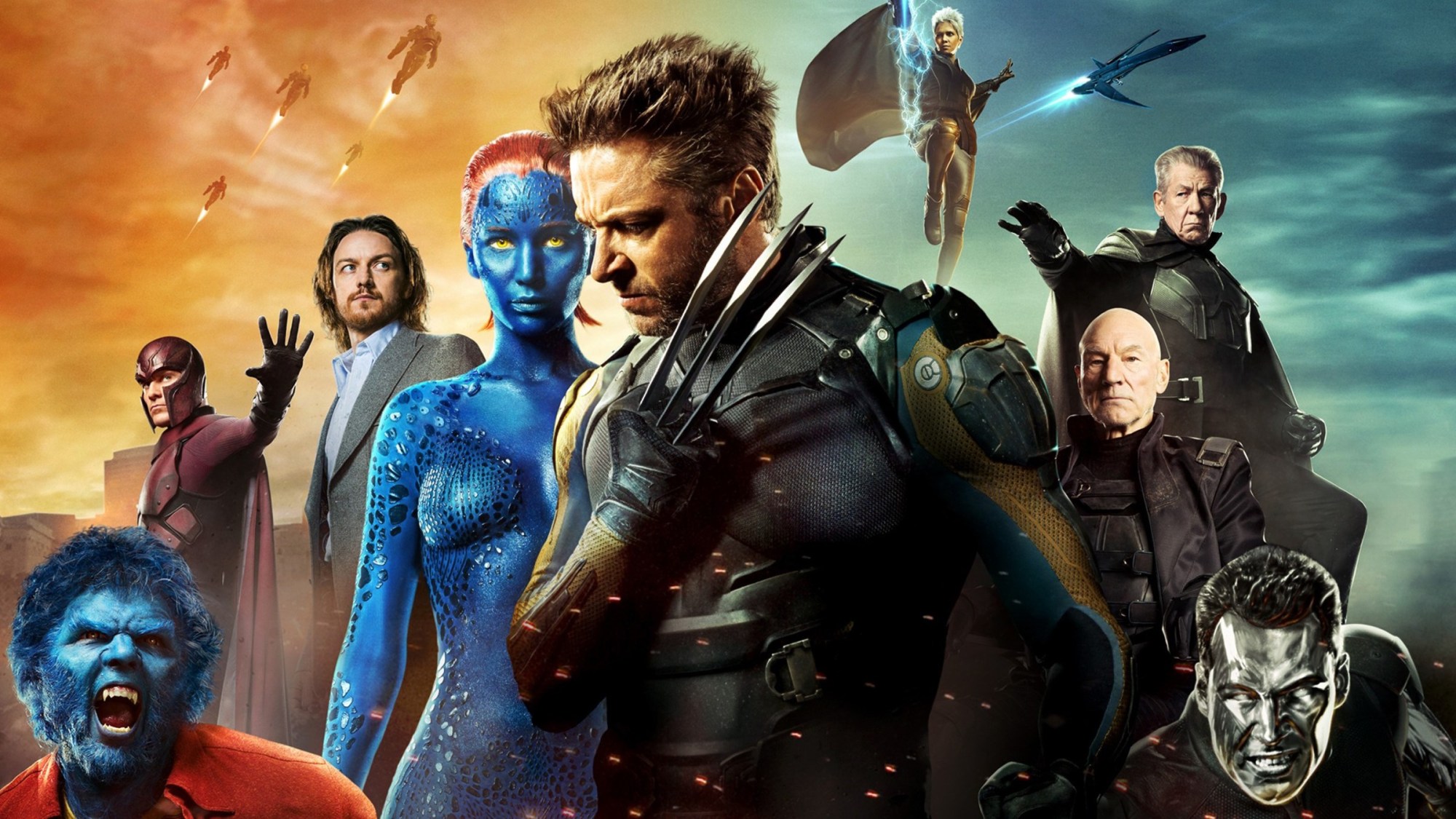
Twenty-six years ago, 20th Century Fox helped build the modern superhero genre by adapting Marvel’s most famous mutant team for the silver screen. Before shared universes dominated the theatrical landscape, X-Men proved that comic book adaptations could receive both critical acclaim and generate massive box office returns, the perfect results for any studio. The resulting franchise spanned two decades, establishing a sprawling continuity that experienced monumental creative highs and devastating critical lows. In addition, filmmakers constantly reshuffled the timeline, sometimes to create convoluted ensemble disasters. Nevertheless, during this volatile run, the studio revolutionized, introducing the concept of superhero realism and later pioneering the market for R-rated comic book adaptations.
Videos by ComicBook.com
The unpredictable journey of the mutants eventually concluded following the massive corporate merger between The Walt Disney Company and 21st Century Fox, which legally returned the characters to Marvel Studios. However, instead of erasing that complicated legacy, the Marvel Cinematic Universe has chosen to actively fold the defunct timeline into its expanding multiverse. The integration began with the crossover Deadpool & Wolverine, setting the stage for more mutant appearances later this year with Avengers: Doomsday. Now that these classic cinematic iterations are officially part of the broader MCU canon, revisiting the original studio run offers a fascinating look at the chaotic evolution of mutant cinema.
13) Dark Phoenix
Dark Phoenix represents Fox’s second attempt at adapting Chris Claremont and John Byrne’s Dark Phoenix Saga, and it repeats the first film’s core mistake by replacing the story’s psychological drama with an external threat. Rather than trusting Jean Grey’s (Sophie Turner) corruption to carry the narrative on its own, the film invents Vuk (Jessica Chastain), a shapeshifting alien with no comic book precedent, giving Jean’s transformation an outside cause instead of it being a consequence of her own suppressed power. That choice strips away the arc’s defining tension, which was always about a hero destroyed by forces inside herself.
Sophie Turner works to sell Jean’s fracturing identity in isolated scenes, and James McAvoy’s Xavier finally faces consequences for a lifetime of manipulating his students’ minds without consent. However, the script never lets those ideas breathe, rushing toward a space-set finale that borrows the visual language of other franchises rather than trusting the character drama that made the
12) X-Men Origins: Wolverine
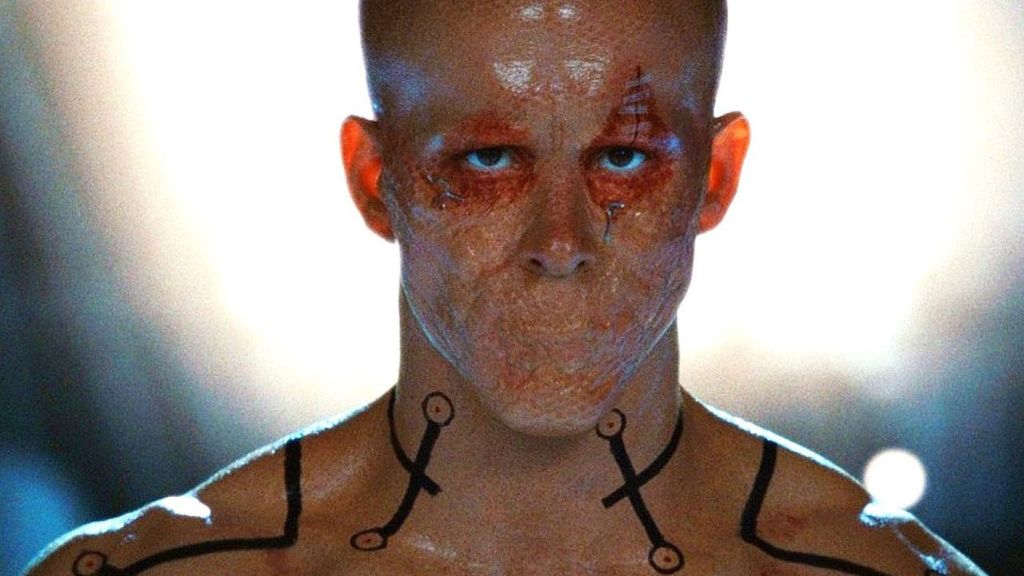
X-Men Origins: Wolverine mishandles nearly every supporting character it introduces, and its treatment of Wade Wilson became infamous for how bad it was. Ryan Reynolds’ Deadpool, a mercenary defined in the comics by nonstop verbal chaos and fourth-wall awareness, gets his mouth sewn shut for the film’s final act, erasing the character’s entire personality in service of a generic villain design. Liev Schreiber’s Sabretooth suffers a similar fate, reduced from Wolverine’s complicated blood rival to a straightforward brute with none of the psychological history that connects the two characters in the comics. Then, Taylor Kitsch’s Gambit appears just long enough to hint at a more interesting film that never materializes.
In X-Men Origins: Wolverine, Hugh Jackman still finds moments of real feeling in Logan’s grief over Kayla Silverfox (Lynn Collins). Nevertheless, the screenplay surrounds him with characters introduced only to be discarded, treating an origin story as an excuse to cram in cameos rather than an opportunity to build depth. In the end, X-Men Origins: Wolverinewas so badly received that it killed Fox’s plans to make a Magneto origins story
11) X-Men: The Last Stand
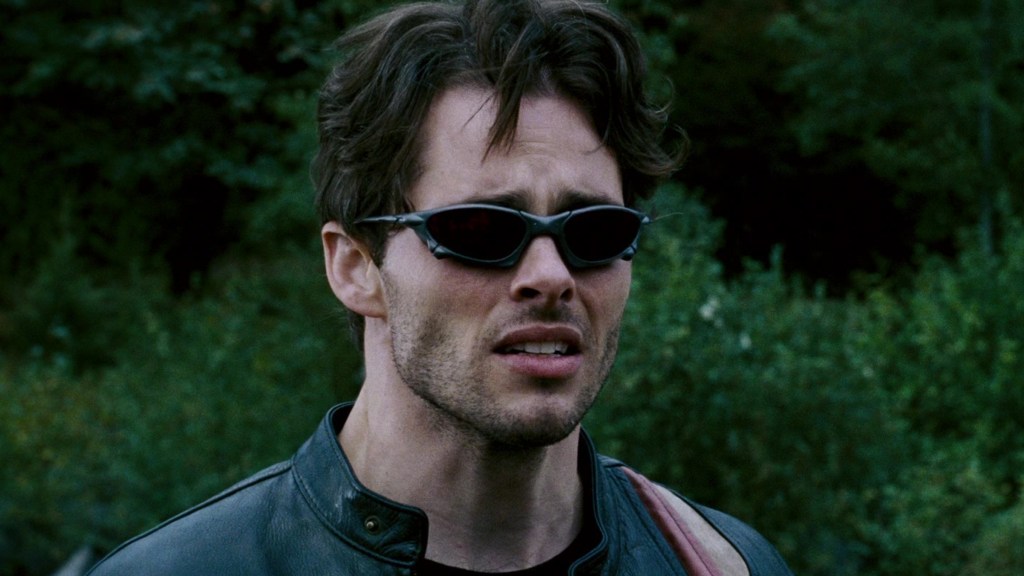
X-Men: The Last Stand compresses two of the X-Men’s most significant comic storylines, the mutant cure arc and the Dark Phoenix Saga, into a single film, and neither survives the collision. For starters, Cyclops (James Marsden) disappears from the plot within the first act, his death handled off-screen and treated as a plot mechanic rather than a loss the story pauses to acknowledge. Professor X’s (Patrick Stewart) death arrives with similarly little weight, undercutting a character who had anchored the franchise as its moral center for the two previous films.
Famke Janssen gets flashes of a genuinely menacing performance as the corrupted Jean Grey, particularly in her confrontation with Xavier inside her childhood home, but the film never slows down long enough to let that darkness matter. That happens because three credited writers pulled the story in different directions, and the result reads like two ambitious ideas fighting for the same runtime rather than a single coherent film built around either one
10) The New Mutants
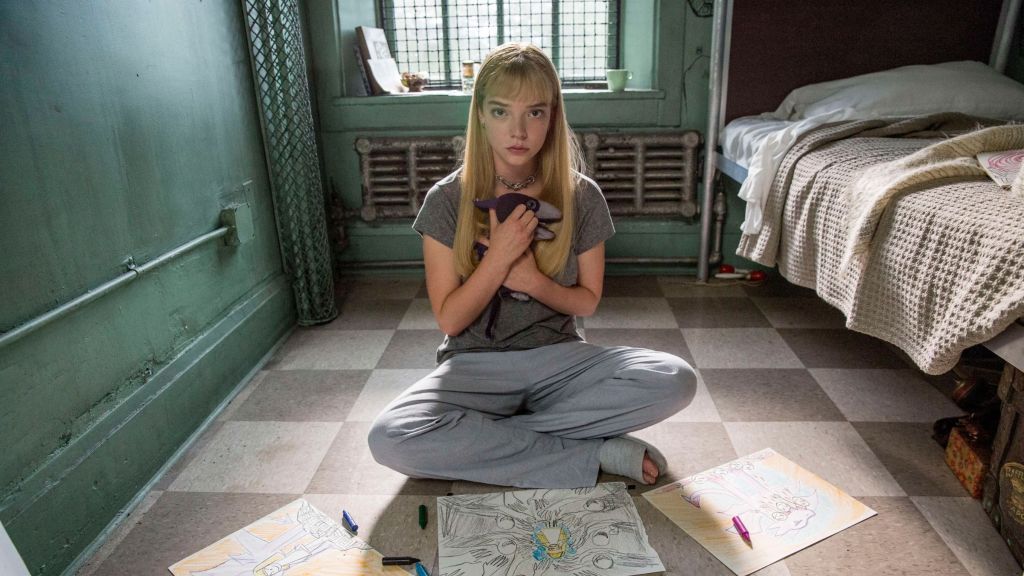
The New Mutants completely fails at delivering on the psychologically disorienting horror that defined Chris Claremont and Bill Sienkiewicz’s original comic run, which was the sole reason for the movie to even exist. Director Josh Boone conceived the film as a haunted-asylum horror story following the success of It, built around five young mutants confined to a facility and stalked by manifestations of their own trauma. Unfortunately, after years of development hell and executive interference, what reached theaters abandoned that promise in favor of a generic thriller, trading Sienkiewicz’s unsettling visual language for conventional jump scares and a villain reveal that arrives without the psychological buildup the concept demanded.
To be fair, Anya Taylor-Joy’s Illyana Rasputin and Maisie Williams’ Rahne Sinclair get isolated moments of tension, but the film never commits to the horror elements that made theeing the rare X-Men adaptation that knew exactly what made its comic special and still chose not to replicate it
9) X-Men: Apocalypse
X-Men: Apocalypse wastes one of the more formidable villains in Marvel’s mutant mythology by burying Oscar Isaac’s performance under prosthetics dense enough to flatten his voice and physical presence. En Sabah Nur is introduced in the comics as the first and most enduring mutant, a being whose immortality and ideological conviction should make him genuinely frightening on screen. Instead, the film surrounds him with four underdeveloped Horsemen and a plan to remake civilization that never sets specific stakes beyond generic destruction.
The film’s clearest success arrives in a single sequence, when Evan Peters’ Quicksilver rescues the Xavier School’s students from an exploding mansion in slow motion set to a pop song, expanding on a similar scene from the previous film with sharper wit than anything else in the movie. That sequence’s quality only highlights how uneven the rest of the film is, as a strong ensemble is largely wasted around a villain the screenplay never figures out how to use
8) Deadpool 2
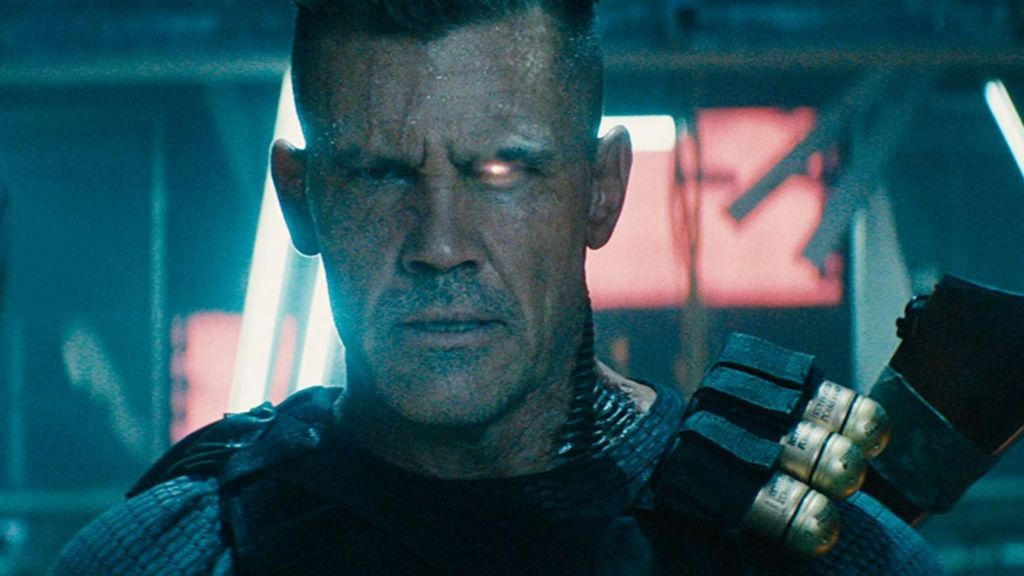
Vanessa (Morena Baccarin) becomes Wade’s fiancée in the first Deadpool, but Deadpool 2 opens by killing her within minutes, using her death to send Wade into the suicidal despair that drives the rest of the plot. After the film’s release, screenwriters Rhett Reese and Paul Wernick said that they had not set out to invoke fridging, the term for killing off a female character solely to motivate a male protagonist, even though the same device recurs later in the film through Cable’s (Josh Brolin) murdered wife and daughter. That admission sits awkwardly next to a franchise built on subverting genre convention rather than repeating one of its most familiar patterns.
Deadpool 2still gets plenty right elsewhere. Cable gives the story real stakes through his evolving relationship with Russell (Julian Dennison), and the sequence in which most of the newly assembled X-Force die within seconds of their first deployment remains one of the sharpest jokes the franchise has produced. Reversing Vanessa’s death in the credits scene does not undo the fact that the story needed her dead to function in the first place, but Deadpool 2 is still a great sequel.
7) X-Men
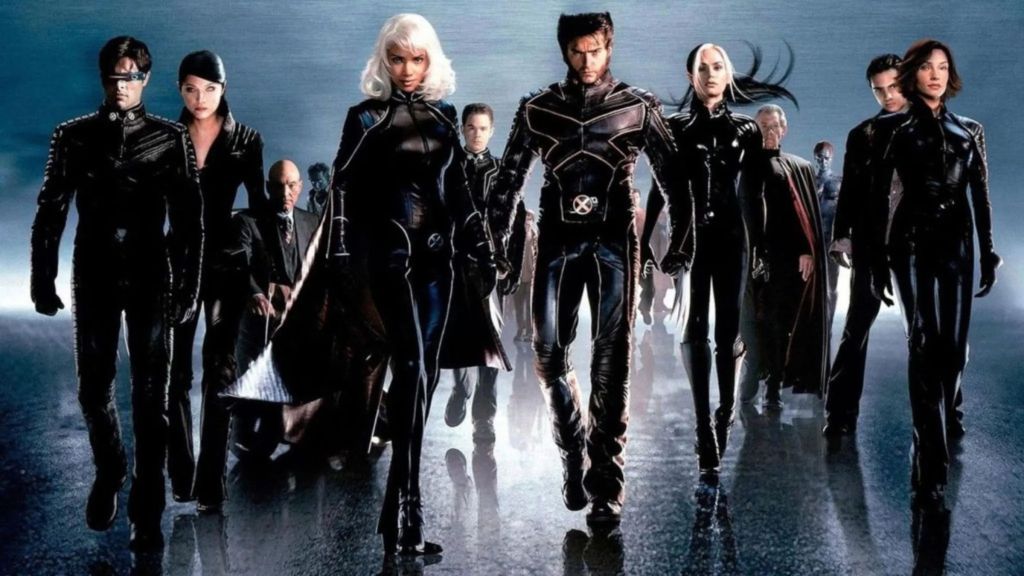
Superhero movies in 2000 were still recovering from Batman & Robin, and director Bryan Singer’s decision to ground the X-Men’s mutant premise in the language of prejudice and civil rights, rather than treat it as costumed spectacle, gave the genre a template it would follow for the next two decades. Furthermore, the way X-Men builds the philosophical divide between Ian McKellen’s Magneto and Patrick Stewart’s Xavier would define the franchise going forward, with their scenes together carrying a gravity that the film’s thinner action sequences do not always match.
Beyond the mutant leader, Anna Paquin’s Rogue anchors X-Men as a teenager terrified of her own body, giving the movie a personal entry point that the audience can latch on to. Of course, the mutant roster still feels underpopulated by later standards, with Halle Berry’s Storm and Marsden’s Cyclops given comparatively little to do, and Magneto’s climactic machine plot resolves more simply than the character’s philosophy deserves. Still, X-Men‘s insistence on taking its themes seriously gave everything that followed a foundation worth building on.
6) The Wolverine
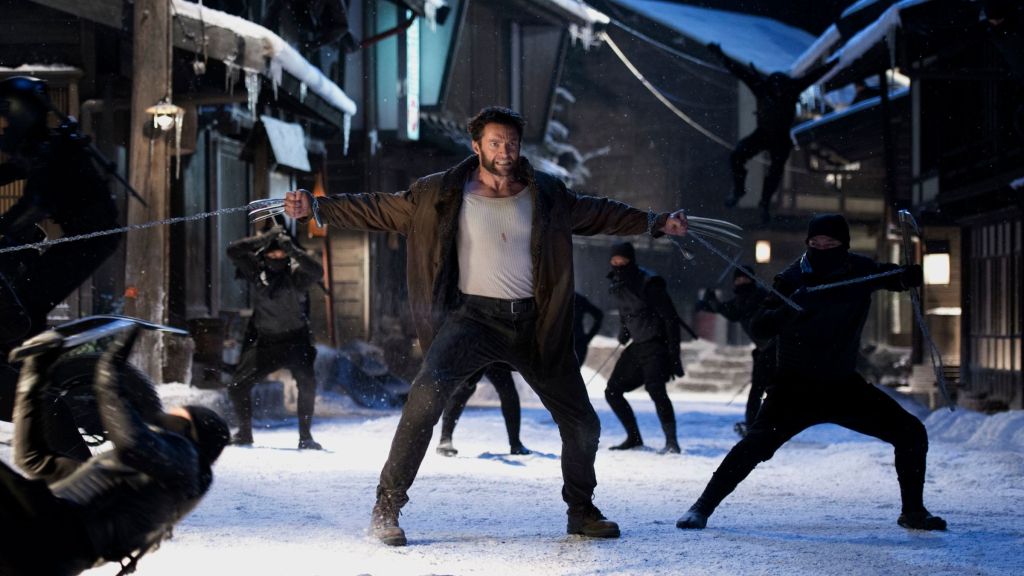
James Mangold built The Wolverine film around the 1982 Chris Claremont and Frank Miller limited series that sent Logan to Japan, honoring that comic’s emphasis on honor and mortality rather than treating the setting as an exotic backdrop for action. The plot strips Wolverine of his healing factor through a poison engineered by Viper (Svetlana Khodchenkova), a mechanism lifted from the source material that forces Jackman to play physical vulnerability, a quality the character had never shown on screen before.
Beyond Logan’s struggles with his powers, Mariko (Tao Okamoto) and Yukio (Rila Fukushima) give the hero relationships built on loyalty and duty rather than romance alone, deepening a character who up to this point had mostly been defined by grief. Sadly, the film’s final act trades that restraint for a mechanized Silver Samurai suit and a conventional action climax, a shift that undercuts the intimacy the story spent two acts earning. Still, the patient character work that precedes it remains some of the best Wolverine has ever received outside comics.
5) Deadpool
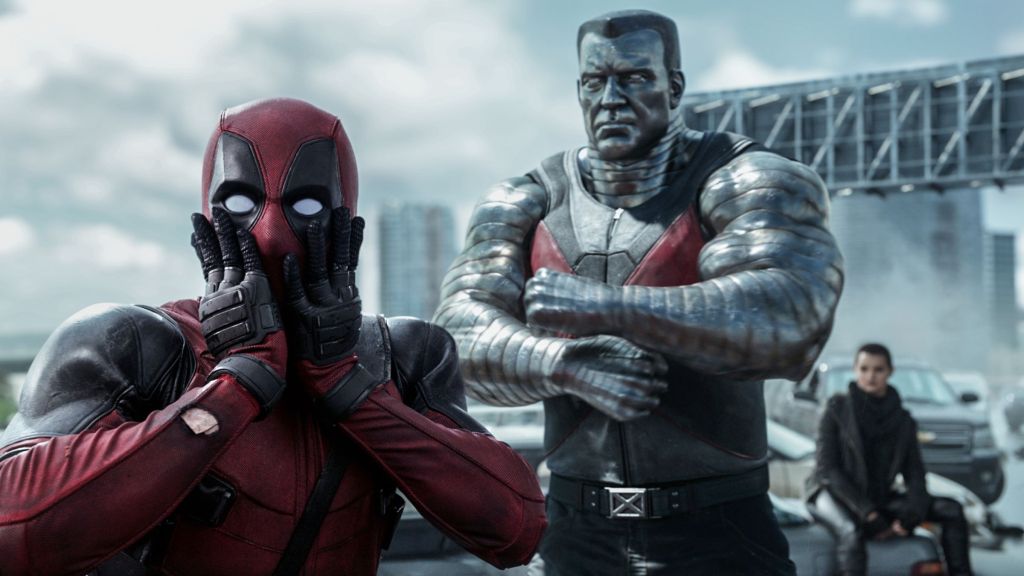
Strip away the fourth-wall jokes and constant meta commentary, and the plot underneath Deadpool is a fairly conventional revenge mission against Ajax (Ed Skrein), the kind of story the genre has told many times before. What saves Deadpool is Reynolds’ commitment to treating the R rating as a storytelling tool rather than a marketing gimmick, letting Wade’s crude self-awareness of his own comic book conventions become the movie’s defining trait instead of an afterthought.
Deadpool restores the character X-Men Origins: Wolverine had literally silenced, giving Reynolds room to build the anarchic personality the earlier film erased. In addition, Vanessa gives the origin story a genuine emotional stake in this film, a contrast worth noting given how her character would later be treated in the sequel. In the end, Deadpool is the perfect example of why execution will always trump a good idea when it comes to storytelling, as even cliché structures can be elevated by a passionate team.
4) X2: X-Men United
Building upon the solid foundation of its predecessor, the first sequel in the franchise significantly expanded the scope and emotional depth of the mutant universe. X2: X-Men United forces the warring factions of heroes and villains to form a desperate alliance against Colonel William Stryker (Brian Cox), a military scientist intent on using Cerebro to eradicate the mutant population. The narrative brilliantly utilizes Stryker to explore the darkest corners of human prejudice, presenting a chilling antagonist whose bigotry is fueled by his own family tragedy.
The opening sequence of X2: X-Men Unitedremains a benchmark for the genre, depicting Nightcrawler (Alan Cumming) infiltrating the White House in a dazzling display of teleportation choreography. He’s not the only highlight of the movie, as the sequel consistently gives every member of its massive ensemble a meaningful moment to shine, balancing explosive set pieces with quiet, character-driven drama. For instance, Iceman (Shawn Ashmore) coming out as a mutant to his conservative family serves as a masterful translation of the comic’s central metaphor. Because of that, X2: X-Men United perfectly captures the oppressive atmosphere of the source material, standing as a triumphant comic book sequel.
3) X-Men: First Class
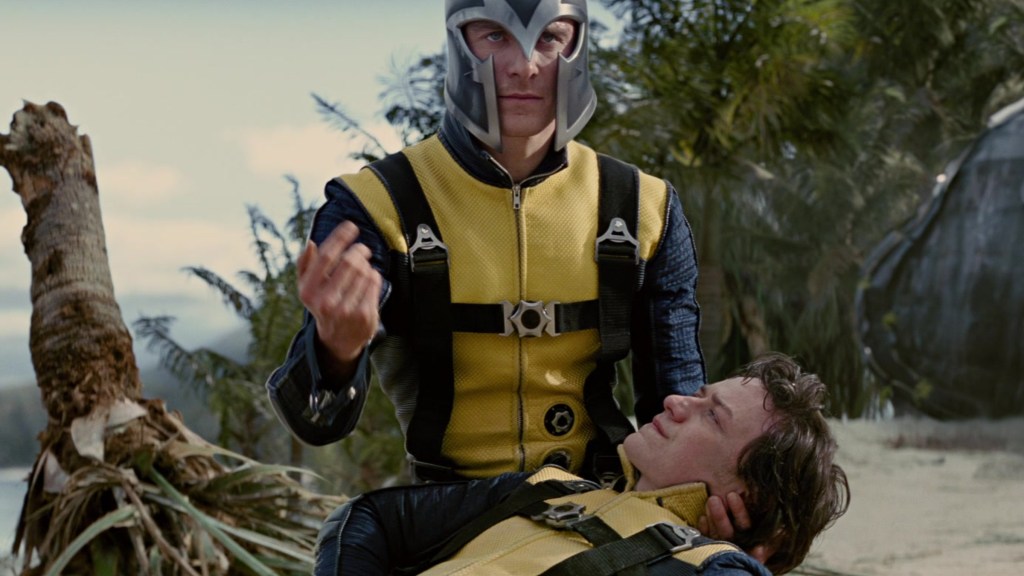
When the main film continuity reached a creative dead end after X-Men: The Last Stand, director Matthew Vaughn successfully revitalized the brand by jumping back to the height of the Cold War. Folding elements of the cancelled X-Men Origins: Magneto screenplay, X-Men: First Class serves as a stylish period piece that details the initial friendship and subsequent ideological split between Charles Xavier and Erik Lehnsherr. On top of exploring this intriguing past, the 1962 setting injects the franchise with vibrant colors and a fresh political backdrop, seamlessly weaving mutant origins into the historical tension of the Cuban Missile Crisis.
X-Men: First Class thrives on the spectacular chemistry between the two leads, anchoring the extravagant mutant action in a deeply personal tragedy. The production does stumble occasionally with underdeveloped supporting characters and some inconsistent visual effects, but the emotional climax on the beach remains one of the most powerful moments in the saga. The prequel was so successful that it spawned a franchise of its own, eventually replacing the older movies as the main canon continuity
2) X-Men: Days of Future Past
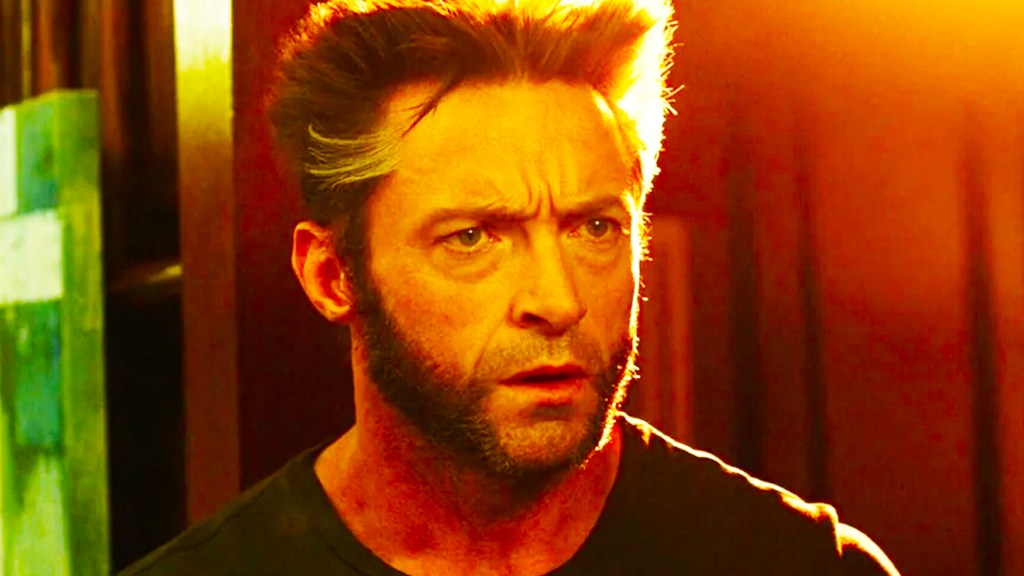
X-Men: Days of Future Past attempts something structurally more difficult than any other film in the franchise, merging the original trilogy’s cast with the First Class ensemble through a time travel plot adapted from Chris Claremont and John Byrne’s 1981 two-issue comic arc. Moreover, sending the mind of Hugh Jackman’s Wolverine back to alter the past gives the film a mechanism to acknowledge the continuity damage done by The Last Stand without erasing the actors who built the franchise’s earlier chapters, a solution few long-running franchises could manage.
Michael Fassbender and James McAvoy carry the past timeline’s emotional stakes, while Patrick Stewart and Ian McKellen’s older Xavier and Magneto provide a quiet, weathered coda to arguments the younger versions are still having. In addition, Evan Peters’ Quicksilver steals his introductory sequence, using super speed to disarm a room of security guards in a set piece that is still one of the best in the history of superheroes. Finally, X-Men: Days of Future Past‘s willingness to treat two separate timelines and ensembles as equally important, rather than favoring one over the other, makes it the franchise’s most ambitious story.
1) Logan

Stripped of colorful costumes and world-ending stakes, Loganreceived an Academy Award nomination for Best Adapted Screenplay, the first time a live-action superhero movie received that recognition. Drawing loosely from the Old Man Logan comic storyline, director James Mangold structures the film as a western more than a superhero movie, following a dying Logan and a senile Charles Xavier as they try to protect a young mutant named Laura Kinney (Dafne Keen) across a hostile American landscape
The R-rating of Loganallows the production to finally depict the horrifying reality of adamantium claws, delivering uncompromising combat scenes that also underscore the physical toll of a violent life. Despite that, the true power of the feature lies in its quiet moments of domestic tragedy, examining the heavy burden of legacy and the devastating effects of neurological decay on the world’s most powerful telepath. The conclusion of Loganalso provides a heartbreaking closure to a character journey that spanned seventeen years, daring to treat the story with a finality most superhero movies try to avoid.
Which Fox X-Men movie do you think deserves a higher spot on this list? Leave a comment below and join the conversation now in theComicBook Forum!
5 Great X-Men Mutants Who Must Be in the MCU’s Reboot (That Haven’t Been in a Movie Before)
