

15 MIN(s)•<a href="https://comicvibe.com/from-shaun-the-sheep-to-the-split-up-your-complete-entertainment-guide-to-the-week-ahead/” title=”From Shaun the Sheep to The Split Up: your complete entertainment guide to the week ahead”>ENTERTAINMENT
Maisha Islam Monamee
Maisha Islam Monamee
Photos: Collected
For decades, teenage mental health on screen has existed somewhere between melodrama and metaphor. The troubled teenager arrives in pop culture with a familiar visual vocabulary: rain-streaked windows, messy bedrooms, slammed doors, lonely walks through school corridors and teenagers staring dramatically into the middle distance while an appropriately melancholic song plays in the background. Teenage suffering was usually big, beautiful and legible. There was the rebellious teenager, the misunderstood teenager, the troubled teenager, the girl who was “too much”, the boy who could not talk about his feelings. Their pain usually had a clear source and an even clearer dramatic function.
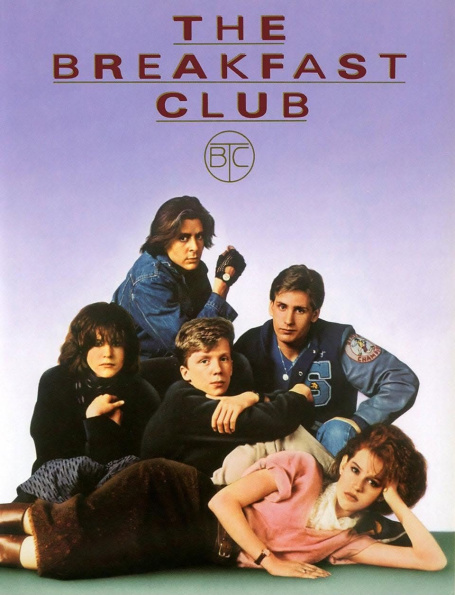
If we look at the teenagers of “The Breakfast Club” (1985), “Dead Poets Society” (1989), “My Girl” (1991), “Girl, Interrupted” (1999) and “Thirteen” (2003), we can almost chart the evolution of pop culture’s vocabulary for adolescent distress. These stories were hugely influential in giving teenage anguish a place in mainstream entertainment, yet they also belonged to an era when mental health was often filtered through the language of rebellion, tragedy and coming-of-age melodrama.
“The Breakfast Club” (1985) famously condensed teenage alienation into five archetypes: the brain, the athlete, the basket case, the princess and the criminal. Their problems were different, their personalities were exaggerated and their social identities were rigid, yet the film’s emotional revelation came from discovering the vulnerability underneath those labels. “Dead Poets Society” (1989) pushed that vulnerability into a more tragic register, placing teenage anxiety against parental expectations, academic pressure and the suffocating traditions of an elite boys’ school. The teenagers in these films were struggling, but their struggles were also designed to mean something larger about youth, authority and growing up.
Tap here to add The Daily Star as a trusted source
Image

Its cultural significance goes beyond whether the show succeeded or failed at responsible representation. “13 Reasons Why” demonstrated how differently young audiences could engage with a television story in the streaming era. Viewers did not simply watch the show and move on. They discussed it online, dissected its characters, shared clips, debated its choices and incorporated its language into wider conversations about mental health. The same year brought “Atypical” (2017), while “Everything Sucks!” (2018), “Sex Education” (2019) and “Euphoria” (2019) arrived soon after, creating an increasingly varied landscape for stories about young people and their emotional lives.
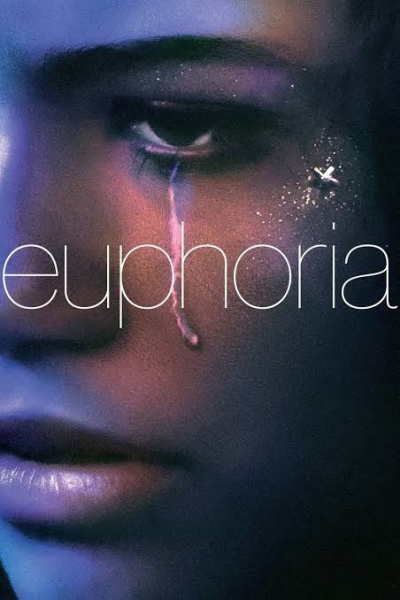
“Euphoria” is perhaps the most fascinating example because it creates a contradiction at the heart of contemporary mental-health storytelling. Rue’s depression, addiction, grief and suicidal ideation are depicted through extraordinary cinematography, elaborate production design, music and dreamlike sequences. Suffering becomes cinematic. Anxiety becomes visual. Emotional collapse can look beautiful. That aestheticisation is part of what makes “Euphoria” so compelling and so complicated. The show belongs to a generation of pop culture in which mental-health struggles are increasingly discussed openly while also becoming increasingly photogenic. The Tumblr sad girl has evolved into the TikTok edit. Cigarettes, smeared mascara, bedroom floors, oversized hoodies, sad playlists and neon-lit nights have become shorthand for a particular kind of beautiful despair.
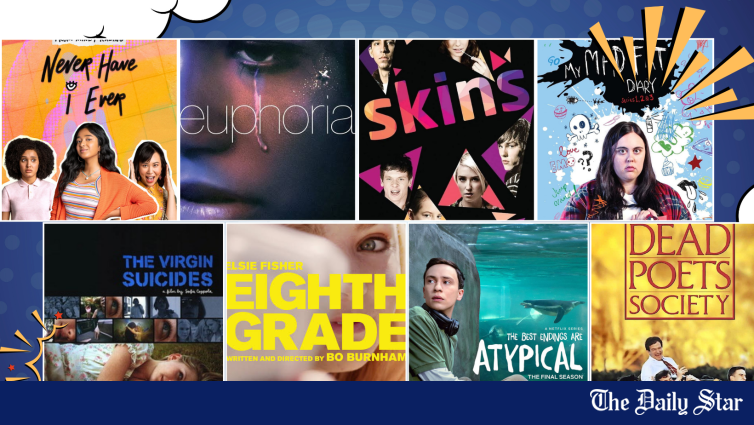
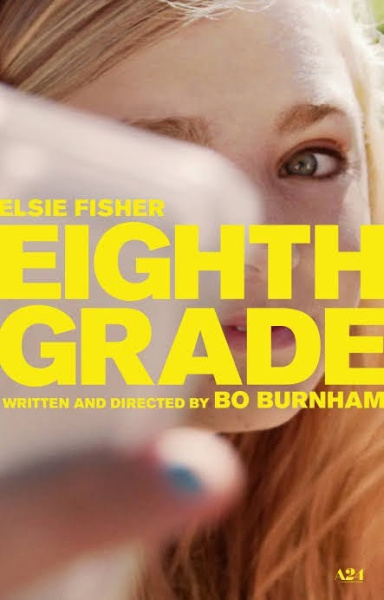
There is a long history behind this aesthetic. “The Virgin Suicides” (1999), “Girl, Interrupted” (1999), “The Perks of Being a Wallflower” (2012) and “Eighth Grade” (2018) each offer very different versions of teenage alienation, yet all understand that adolescence has a visual language. Contemporary pop culture has simply become much better at packaging it. At the same time, other shows have moved in the opposite direction, making mental health part of broader stories about relationships and community. “Never Have I Ever” (2020) makes grief part of an exuberant coming-of-age story rather than treating it as a permanent state of darkness. “Heartstopper” (2022) takes anxiety, bullying, eating disorders and emotional vulnerability seriously while surrounding its characters with friendship, romance and support. That may be the biggest change of all. The troubled teenager is gradually becoming less of a genre and more of a person. Contemporary television has become increasingly interested in what happens around a crisis. Who notices? Who listens? Who stays? What does friendship look like when someone is struggling? What happens to a family when a teenager cannot explain what they are feeling? What happens after the dramatic climax?
“Never Have I Ever” (2020), “Heartstopper” (2022), “The Summer I Turned Pretty” (2022) and even “Ginny & Georgia” (2021) all operate within this broader cultural shift. Their teenagers experience emotional distress without being separated from the rest of teenage life. They still fall in love. They still fight with their parents. They still care about school, clothes, parties, friendship and popularity. Their mental health becomes one thread in the larger fabric of who they are. This also reflects the way younger audiences talk about mental health themselves. The language of therapy, anxiety, trauma, burnout and boundaries has entered everyday pop culture. Characters diagnose their own feelings, friends ask each other if they are okay, and entire fandoms build elaborate conversations around the psychological lives of fictional teenagers.
There is something fascinating about watching this vocabulary evolve across generations. “Dead Poets Society” (1989) gave teenage anguish the language of poetry and rebellion. “Girl, Interrupted” (1999) gave it the language of psychiatric institutions. “Skins” (2007) gave it the language of chaos. “The Perks of Being a Wallflower” (2012) gave it the language of memory and friendship. “13 Reasons Why” (2017) made it a global streaming conversation. “Euphoria” (2019) turned it into a visual spectacle. “Never Have I Ever” (2020) and “Heartstopper” (2022) increasingly folded it into stories about connection. The evolution is far from linear, and the old clichés have hardly disappeared. Pop culture still loves a beautifully miserable teenager. It still turns heartbreak into rain and depression into a playlist. It still occasionally mistakes intensity for depth. Yet the contemporary teenage character is increasingly allowed to exist beyond the crisis. That is perhaps the most meaningful change in the genre. The teenager who is struggling can also be funny. They can be annoying, ambitious, selfish, romantic, ridiculous and deeply loved. They can have a terrible week and then a completely ordinary Tuesday.
For all the dramatic evolution of teenage mental-health representation, perhaps the most radical development has been the growing understanding that suffering does not have to be the most interesting thing about a young person. Pop culture spent decades asking why teenagers were unhappy. Increasingly, it seems more interested in asking what their lives look like while they are trying to find their way through it.

