

Want to bookmark your favourite articles and stories to read or reference later? Start your Independent Premium subscription today.
`;
const clearCookie = () => {
if (document.cookie.split(‘;’).some((cookie) => cookie.trim().startsWith(‘mos-plan-select=’))) {
document.cookie = ‘mos-plan-select=; expires=Thu, 01 Jan 1970 00:00:00 UTC; path=/;’;
document.cookie = ‘mos-plan-select=; expires=Thu, 01 Jan 1970 00:00:00 UTC; path=/; domain=’ + window.location.hostname + ‘;’;
document.cookie = ‘mos-plan-select=; expires=Thu, 01 Jan 1970 00:00:00 UTC; path=/; domain=.the-independent.com;’;
}
};
modal.addEventListener(‘click’, clearCookie);
const subscribeLink = modal.querySelector(‘.subscribe-link’);
if (subscribeLink) {
subscribeLink.addEventListener(‘click’, (e) => {
e.preventDefault();
clearCookie();
window.location.href = ‘https://www.the-independent.com/subscribe?regSourceMethod=Bookmarks’;
});
}
document.body.appendChild(modal);
});
Netflix has sparked an online debate after reports that the streamer has commissioned a reality series based on the notorious Stanford Prison Experiment.
TitledThe New Stanford Prison Experiment, the series will reportedly premiere on October 21 with six 45-minute episodes.
“Thirty willing participants enter a real prison and are randomly assigned as guards or prisoners,” an official synopsis obtained by Variety reads.
“Thrust into a system of power, hierarchy, and control, they’ll discover whether ordinary people inevitably conform to the roles they’re given — or whether empathy, morality, and individuality can withstand the forces pushing them in the opposite direction. As the pressure builds and the balance of power begins to shift, the central question feels more urgent than ever: Does power corrupt?”
The Independenthas contacted Netflix for comment.
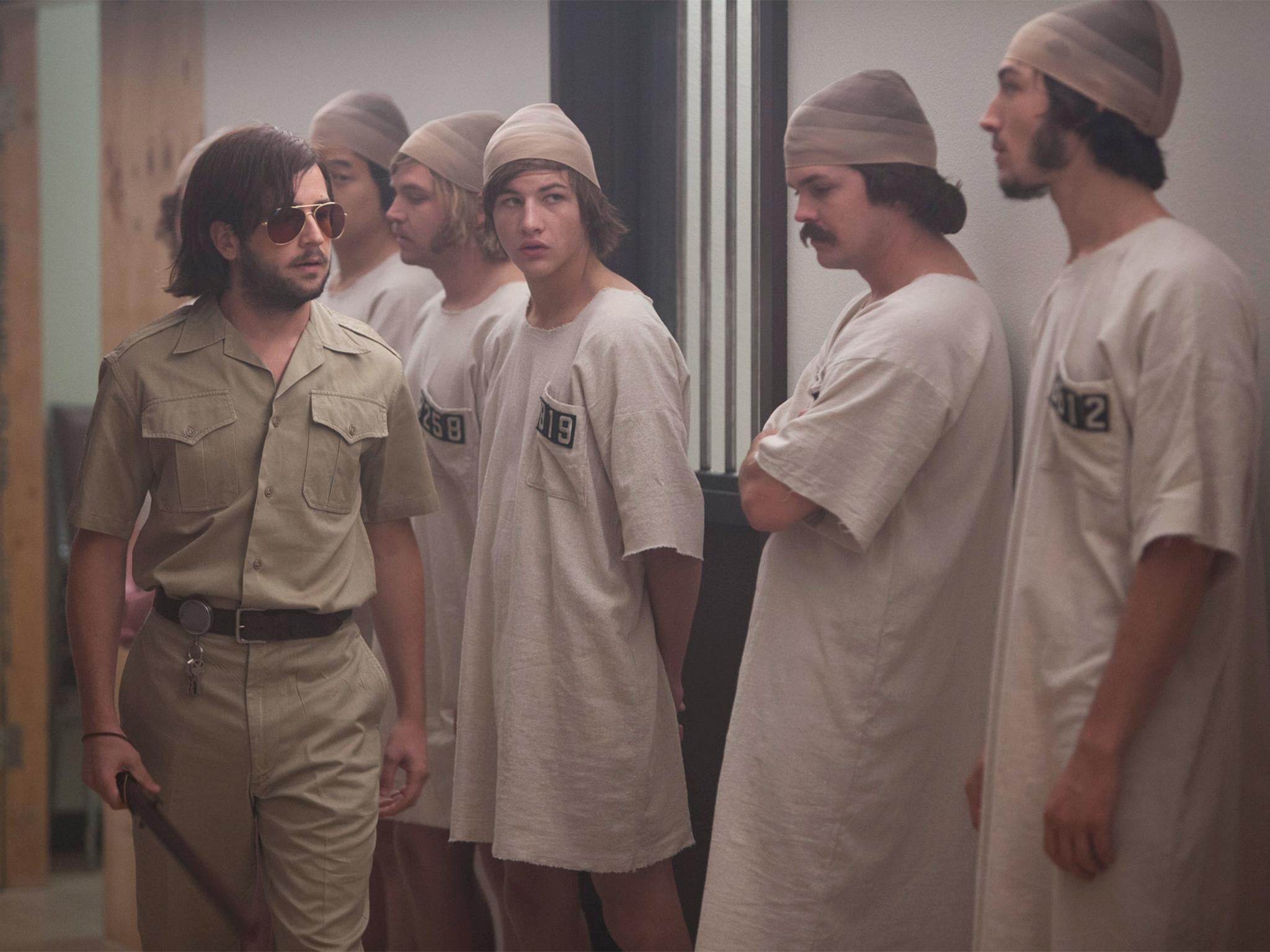
On X, people have reacted in disbelief to the news that Netflix is reviving the experiment, which was abandoned after just six days as the students playing guards became psychologically abusive and those playing prisoners became anxious, emotionally depressed and enraged.
Responding to Variety’s report, one person wrote: “I’m sorry but WHAT. like what in the actual???”
“Our reality is a never-ending parody and it ain’t even a funny one,” wrote another.
“Netflix learned entirely the WRONG lessons from Squid Game,” a third added, referring to the streamer’s beloved South Korean drama about a group of elites who force cash-strapped contestants to compete in deadly games for a life-changing cash prize.
“Did we not learn from the first one or…” wrote a fourth.
In the infamous 1971 prison study, Dr. Philip Zimbardo and a team of graduate students recruited college-aged males to spend two weeks in a mock prison in the basement of a building on the Stanford campus.
Offices were converted into cells, the corridor was turned into a yard and a janitor’s cupboard became the “hole.”
A 2016 drama starring Billy Crudup as Zimbardo showed in claustrophobic detail how wrong things went. Several of the normal, well-educated students who had been chosen at random to be guards soon began to derive pleasure from psychologically torturing the prisoners.
Others simply stood by and did nothing while their colleagues sexually humiliated inmates, deprived them of sleep, forced them to defecate into buckets, and much more besides.
Zimbardo was criticized for taking the role of superintendent — becoming an active participant in the study and no longer a neutral observer.
“The outcome of our study was shocking and unexpected,” Zimbardo would later co-write with one of the graduate students who was part of the project.
The experiment is now used in psychology classes to study the psychology of evil and the ethics of psychological research with human subjects, Stanford said in a statement.
“No such research can ever be done again,” Zimbardo told The Independent in 2016. “The human subjects committees have gone to the far extreme. You cannot do anything in research that causes undue stress to participants. It eliminates so many key questions on human nature.”
