

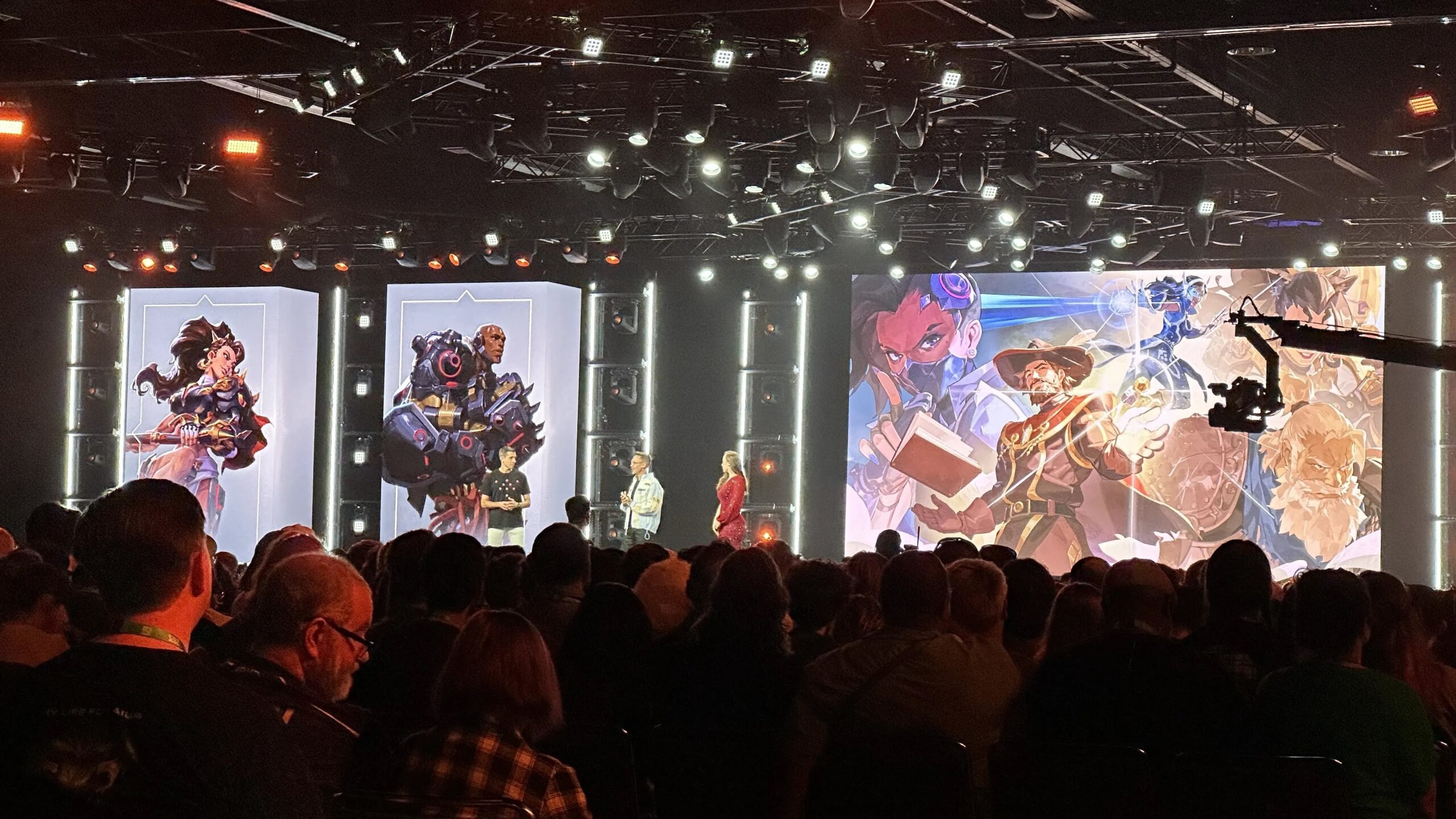
My experience at BlizzCon kicked off with a rush of wind. In the cavelike darkness of the main hall, illuminated only by screens displaying iconic Blizzard characters, media sat in our designated corner of the audience, waiting for other attendees to be let in.
The moment was unmistakable. A gust blew through the room, followed by the sudden squeak of sneakers as people ran to the front of the stage. No brisk power walks or slow jogs for these Blizzard faithful — they ran toward the stage with the same frantic energy as dogs fresh out of a bath.
The reward for their athletics was being among the closest to the stage when developers and other leaders from Blizzard announced Diablo 5, an open-world Starcraft shooter coming in 2030, new campaigns for the 24-year-old Warcraft III strategy game and a new World of Warcraft experience called WoW Forever.
All in the same year that the decade-old Overwatch saw a major renewal, adding triple the usual number of new heroes as it did in previous years, including a batch of five back in February.
Taken together, it’s a confident step from Blizzard, a statement that the company is actively building its future while staying committed to the present.
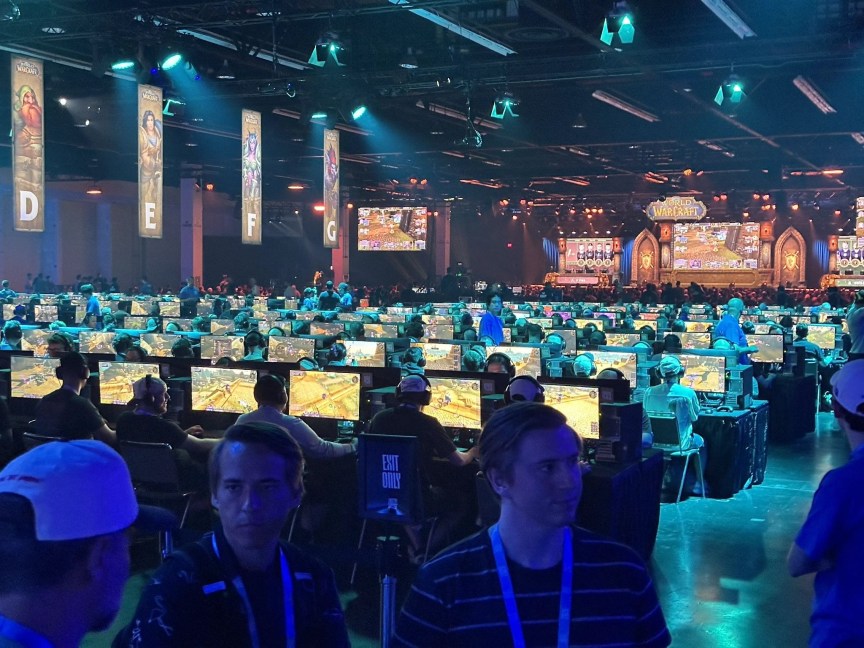
I saw hints of a more emboldened Blizzard at the company’s Spotlight showcase in February. Leaders from Diablo, Overwatch and Hearthstone talked about their upcoming plans with an energy that had seemed lacking in previous years. But it was more of a vibe, the sense that something was coming.
At BlizzCon, that something took shape. It arrived in forms expected (a Starcraft shooter, WoW Forever) and unexpected (Diablo 5, a new Heroes of the Storm hero). It coalesced in the balance between the distant (that 2030 Starcraft release date) and the imminent (WoW Forever starting its beta later this week).
The consistent theme? Doing something very different.
Starcraft is back, but instead of a real-time strategy, we’re getting an open-world shooter. Diablo 5 is in development, but in a direction the franchise has never tried before, throwing players into a world where Diablo has already won and there are no towns offering shelter. World of Warcraft is launching a third way to play the game (after the most recent expansion and the nostalgic WoW Classic), with its own set of new content, including a new playable race.
Those decisions come with a lot of work. They come with more risk. And it’s the willingness to take those risks, like doubling the pace of new hero releases in Overwatch, that feel emblematic of a reinvigorated Blizzard.
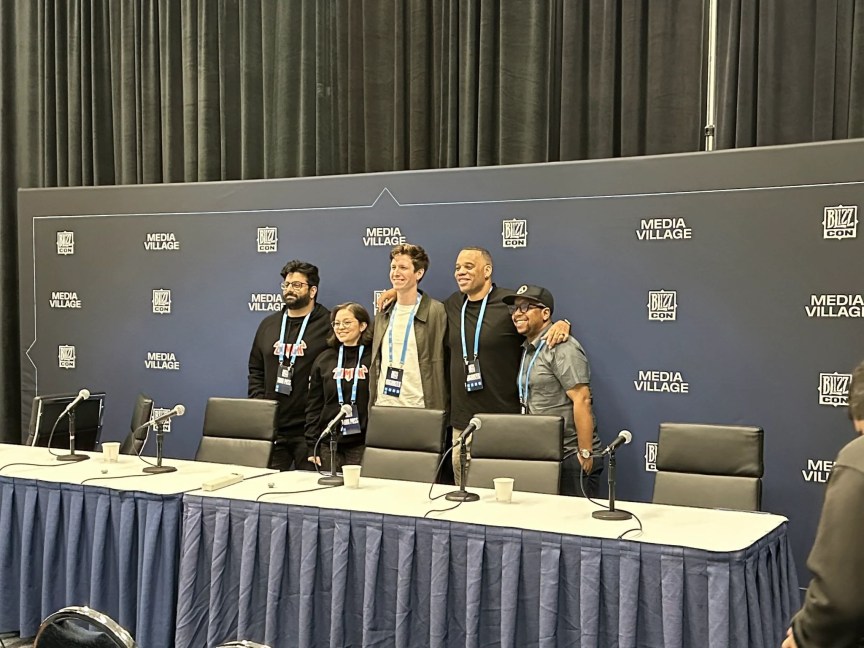
In my conversations with developers at BlizzCon, they sounded ready to chase those challenges.
Matt Zitterman, executive producer on Diablo 5, said in a group interview that a “clarity of creative vision” made the team very confident that the game would be ready in the spring of 2029, which is only two-and-a-half years away. That kind of clarity didn’t always feel present in recent history, when there seemed to be a palpable tension between the company’s creatives and business leaders.
I spoke with Walter Kong, VP of live games and mobile, about the big changes Overwatch has implemented over the past couple of years, like last year’s perks system. Kong told me he encouraged the team to take bigger steps forward, rather than smaller, more incremental changes. A good experiment needs to feel impactful, he said, even if it fails.
“If it feels impactful but we go the wrong way, we learn from it,” Kong said.
Those larger swings have paid off well for Overwatch — bringing in a swell of players after the game kicked off its 10th anniversary earlier in the year. Leaving the quarterfinal matches for the Overwatch World Cup on Saturday, I walked behind a group of people excitedly talking about how they needed to get back into Overwatch, strategizing about how they could pull their friends away from other shooters.
And that “try big things” attitude seemed to echo throughout this year’s BlizzCon. We’re still a few years away from finding out how it plays out for other Blizzard franchises, but the overall tide feels like it’s rising. This was the first in-person BlizzCon in three years, and it was full of fans chattering about their favorite games of today and anticipating the ones of tomorrow.
Perhaps the most succinct statement of intent for the future came from Blizzard President Johanna Faries during the opening ceremony, when she invited the people at BlizzCon to “join us in dreaming bigger and pushing what’s possible.”
A lot depends on the company sticking the landing on these ambitious projects, especially those with launch dates years in the future. But Blizzard used BlizzCon 2026 to show that the company is ready and willing to take a leap of faith.
Editors’ note: Adam Benjamin’s travel costs for BlizzCon were covered by Blizzard Entertainment. The judgments and opinions of CNET are our own.
