

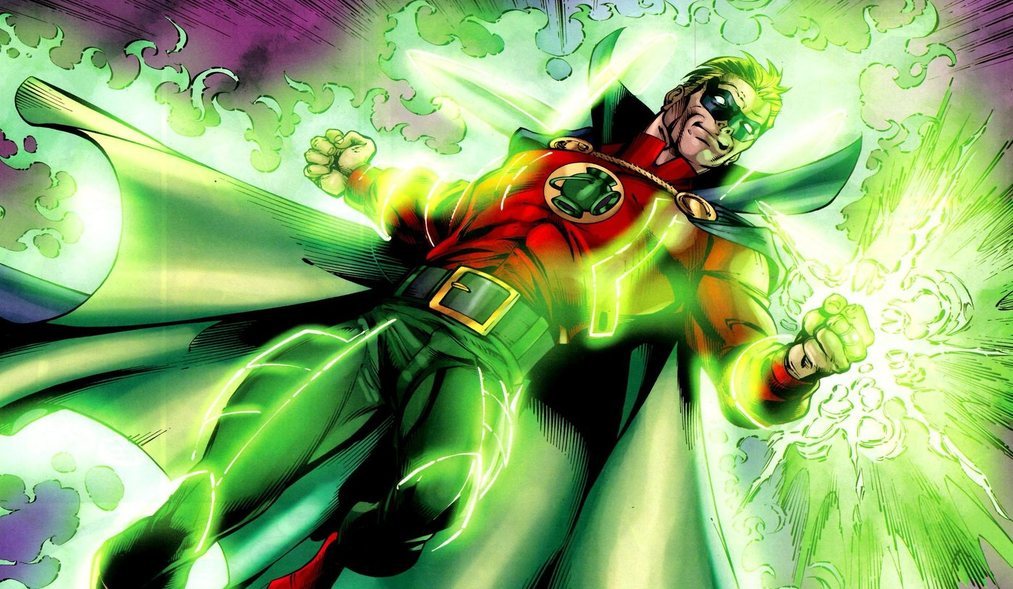
HBO Max’sLanterns, which has been compared to True Detective since it was originally announced, has captured the attention of plenty of viewers over its first three weeks out of the gate. Episode 3, “OutKast”, which told John Stewart’s origin, drew 10 million views across HBO’s streaming and linear platforms. The True Detective comparisons go deeper than writing, aesthetics and viewership, however, as each episode spawns countless theories and plenty of discussion, extending the engagement beyond the hour-long Sunday night window, as fans start to wade through decades of Lantern lore.
One topic that continues to get plenty of attention is the series’ designation of Hal Jordan as Earth’s first Green Lantern. As fans start to find themselves engaging and interacting with Lanterns, they have begun to question if this means that Alan Scott, the original comic book Green Lantern who predates Hal Jordan by nearly two decades, cannot or will not exist in the DCU. However, rather than dictate that Scott cannot exist in the DCU, the lore being created in Lanterns potentially rather serves as a cornerstone for the franchise to grow.
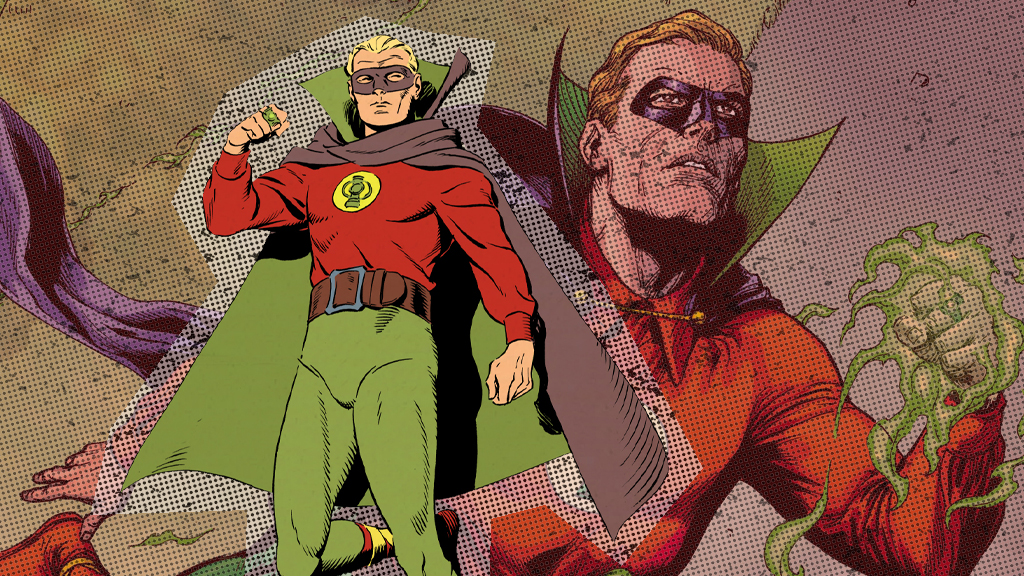
Jordan’s status as the first human to wear an Oan power ring does nothing to erase Scott from any potential history of the DCU; it sets up the potential to expire the comic-accurate distinction that has made Scott an enduring force in the comics and would make him an ideal candidate to eventually appear in the series.
The groundwork for Scott to appear in the DCU was laid in James Gunn‘s Superman, which features a “History of Metahumans” mural in the Hall of Justice. Though Scott is not depicted in mural, it includes several Golden Age heroes, among them are members of Justice Society of America, which counts Scott among its founding members.
Recognized JSA-connected or Golden Age characters in the mural include:
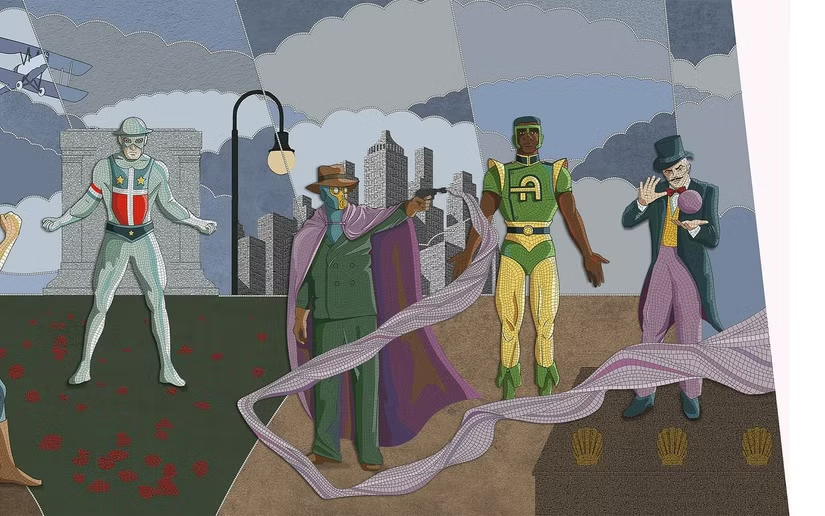
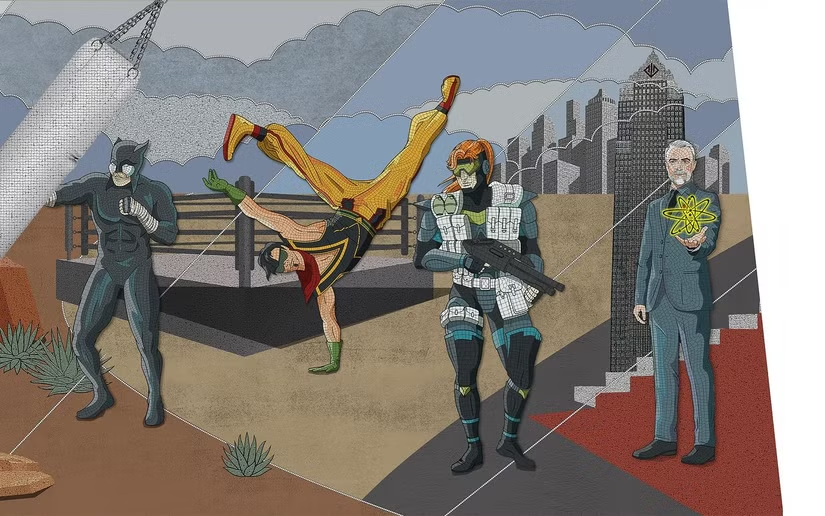
- Sandman/Wesley Dodds
- Zatara
- Amazing-Man
- Liberty Belle
- Wildcat/Ted Grant
- Phantom Lady
- TNT and Dan the Dyna-Mite
Though Gunn has not explicitly confirmed it, it can be inferred from the mural that the Justice Society of America was active in the past. In the comics, the JSA, which first appeared in All-Star Comics #3, was founded by Atom, Doctor Fate, Hawkman, Jay Garrick/Flash, Sandman, the Spectre and, of course, Alan Scott/Green Lantern. So if the JSA was active in the DCU, was Scott a part of it? And, if so, how could he fit in the narrative if Jordan is the first human Lantern?
Alan Scott Was Never a Member of the Green Lantern Corps
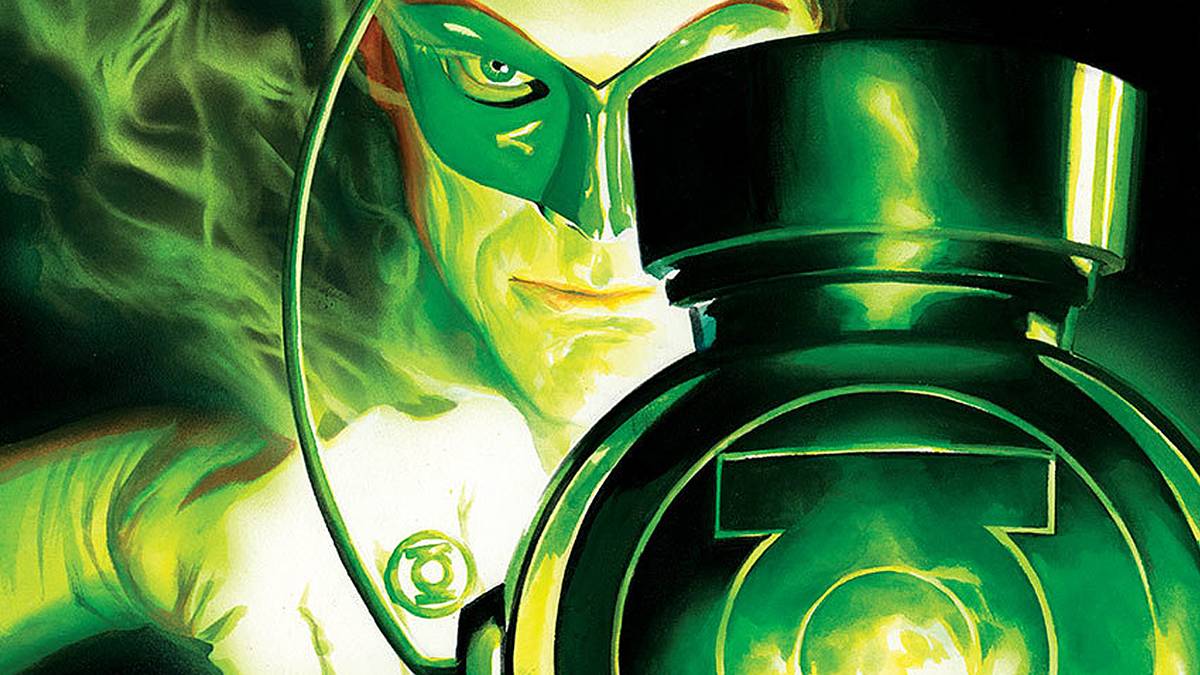
To allow room for the possibility of an appearance by the Golden Age Green Lantern, a critical distinction must be made up front: Alan Scott is not, and has never been, a space cop. He is not assigned to Space Sector 2814, he does not answer to the Guardians of the Universe on Oa, and he was never drafted by an official Green Lantern Corps Power Ring.
A standard Green Lantern Corps ring represents an incredibly cool fusion of super-scientific alien hardware fueled by willpower. In DC lore, the emotional spectrum IS energy and it essentially powers a mini photonic 3D printer. But that’s not what Scott’s ring is…
In the comics, Scott’s ring is a completely different, unique artifact created by Alan himself after finding a glowing green flame housed inside a mystical lantern-shaped meteor—a manifestation of The Starheart. The oppressive and grossly manipulative Guardians of the Universe spent eons attempting to bring order to the cosmos by rounding up all the wild, chaotic magic in the universe. In doing so, they compressed said magic into a dense sphere and hid it in the core of a star: the Starheart.
Over time, the Starheart gained sentience, broke free, and eventually crashed onto Earth in the 1940s—where a young engineer named Alan Scott forged a ring from it.
With Gunn and Peter Safran having repeatedly emphasized that the DCU spans a rich, legacy-filled timeline where superheroes have existed in secret for decades, there’s unquestionably room to tell Scott’s story, perhaps even in keeping with the True Detective-style narrative being spun in Season 1.
As fans is the series well know, True Detective is anthological, choosing to change its main characters, cast, setting and unsolved case each season. A second season of Lanterns, featuring Scott in a radically different setting, would deepen and enrich the DCU while allowing one of DC Comics greatest legacy characters to take center stage in live-action for the first time.
