

Today, the “trot fandom” is not just a joint purchase of singers’ records and enjoying performances, but is also rapidly emerging as an innovative alternative to the economic revitalization of crumbling provincial cities and senior tourism culture.
The direct value generated by the gathering of tens of thousands of silver waves at large festivals and provincial concerts and the consumption power that invigorates the local economy have long been the best welcome rain for local merchants.
However, more important than this is the mature public manners that bloom in large crowds and the ethics of co-prosperity, that is, the “dignity of the fandom.”
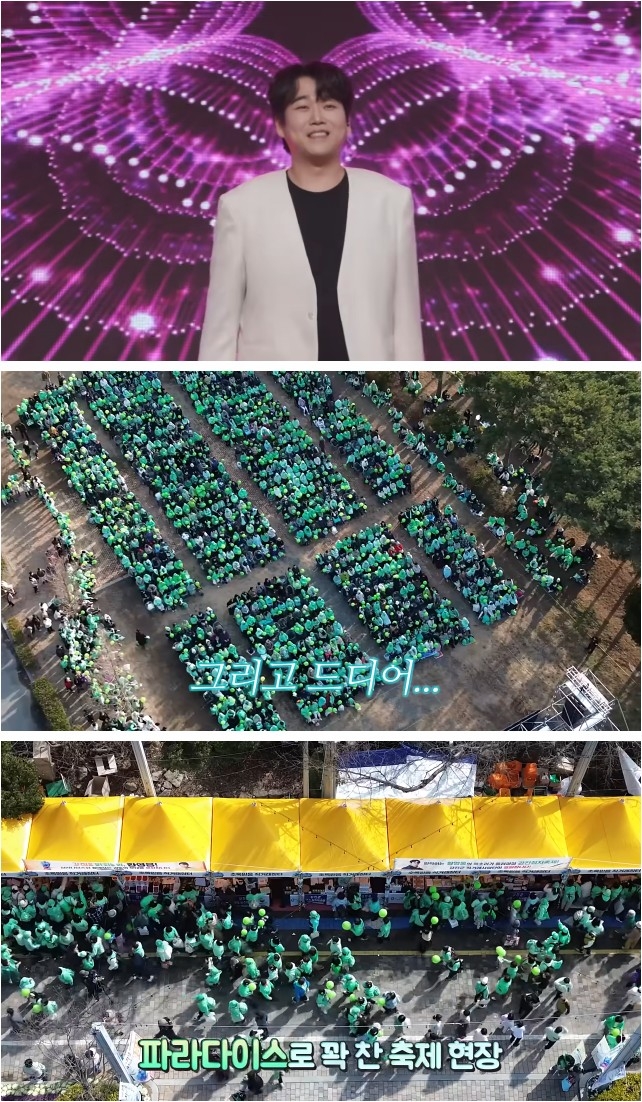
A historical event that directly proved the essence of this win-win fandom took place in Gangjin, Jeollanam-do. The stage of the 54th Gangjin Celadon Festival, held on February 28, was the first official return performance of singer Hwang Young-woong to face the audience in person after breaking three years of long silence. On the last day of the festival, buses from all over the country filled the roads near the festival site, and more than 10,000 cloud crowds gathered in front of the special stage.
According to data released directly by Gangjin-gun, the economic ripple effect per day of the festival reached 4 billion won, and the marketplace for specialties in the market recorded a phenomenal sales of 127 million won in one day. Local agricultural and fishery products such as rice, rice oats, and seaweed were in short supply due to group orders from fans, and the pea bean tea booth exhausted a year’s worth of preparations within two days of the festival.
This was thanks to the fandom’s preemptive implementation of a voluntary campaign to “eat, sleep, and spend actively in local commercial districts” to shine on the singer’s face, not just music consumption.
However, the part that touched me more than this was directed after the performance. Fans followed the organizers’ guidance thoroughly without a single minor collision or safety incident, even as tens of thousands of people concentrated and mobile phone speeds were paralyzed. Moreover, as the performance ended, fans took out local government garbage bags from their pockets, completely cleaned and collected empty bottles, paper cups, and food waste discarded at the venue.
This manner of cleanliness and order generated rave reviews from festival organizers and local residents, giving a powerful resonance to other large trot fandom.
The virtuous cycle of sharing between singers and fandom is also beautiful. Hwang Young-woong thanked the Gangjin County residents for welcoming him and donated part of his return fee to the Gangjin County’s “Hometown Love Donation System,” and fans also contributed 63.78 million won through the donation platform, helping to pay for treatment of children with disabilities and support children waiting for adoption.
In addition, Hwang Young-woong’s decision to refuse to invite more than 20 sweet large festivals from local governments and participate in a small group of fans nationwide to repay their gratitude for not being able to share them deeply due to safety issues during the Gangjin concert reflects his sincerity, saying, “I will fully touch the hearts of fans rather than money and honor.”
Like Gangjin Celadon, who overcame the harsh flames and emitted a clear, jade sound, Hwang Young-woong and Farah overcome the trials and walk the ethics of co-prosperity with their fansIsse’s companion is firmly imprinted as a symbol of the exemplary new human culture that modern pop culture fandom should move forward.
