

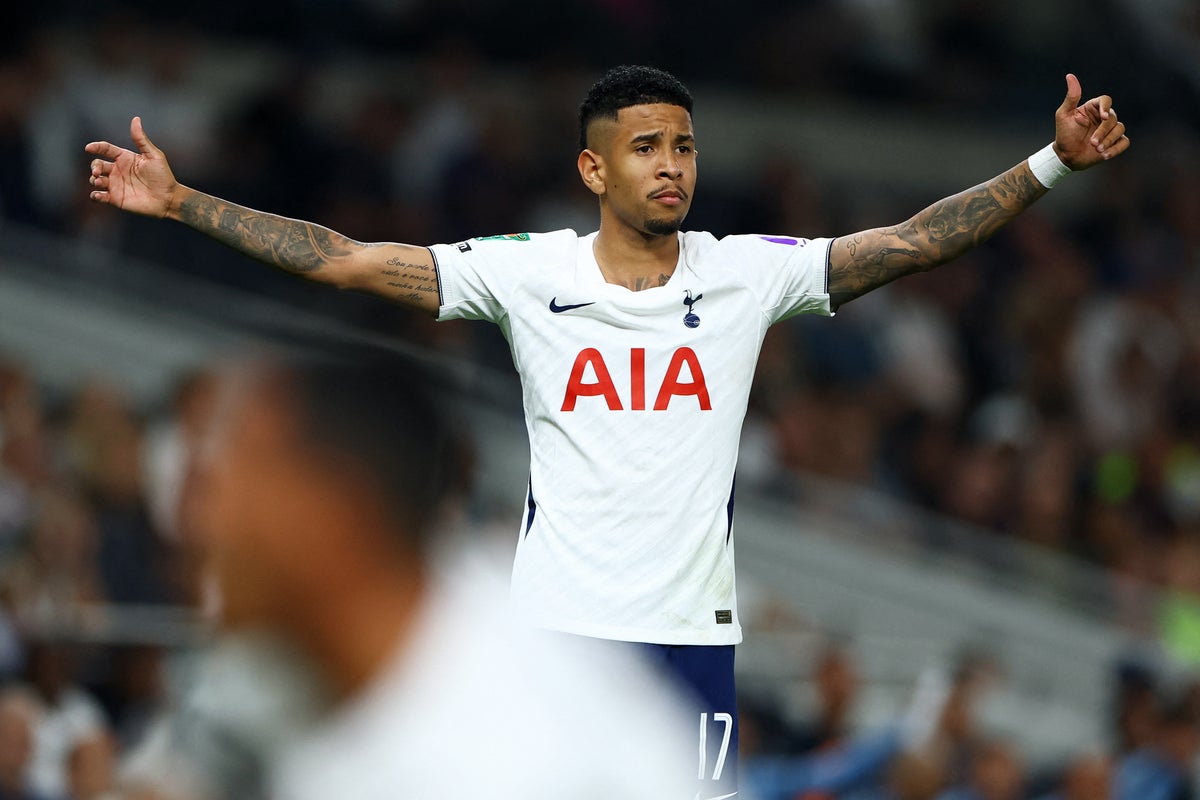
If you’re a fan of a Premier League team, looking at your newly assembled squad this weekend and wondering who some of them are and how they might fit together, you’re not alone. Tottenham and Crystal Palace brought in 10 new players. Chelsea, Aston Villa, Brighton and Coventry all added an entire XI. Ipswich signed 14 and Hull signed 18, almost a full squad.
Much has already been made of the astronomical fees exchanged by Premier League clubs this summer. Once Manchester City set the bar at £116m for Elliot Anderson, the rest had little choice but to follow. Even so, it was alarming to see Tottenham spend £85m on a winger who scored one goal a season at the Etihad, that Liverpool agreed £123m for Paris Saint-Germain’s impact substitute, that City spent £125m on the guy who got himself sent off in a World Cup final.
But there is another element to this absurd window, caused by the sheer volume of players moving. You can see it in the almost casual way they are bought and sold, how entire teams regenerate in a few weeks, how so few coaches work magic with what they’ve got, and how we as fans are increasingly disconnected from the carousel of players who come and go.
This last point might be the most overlooked. The tie between Premier League fans and their team has never been more tenuous. Fewer players than ever start this season with a sense of meaning to their support base. Chelsea sold Trevoh Chalobah after 20 years of service. Liverpool sold Curtis Jones, their last Liverpudlian, to Inter Milan. Lewis Dunk, Bukayo Saka and Phil Foden remain rare one-club players in a fractured era.

Some rebuilds are more necessary than others. But the reality is that around half of new signings fail. They arrive to great fanfare, with slick unveilings on social media and a pre-match parade, only to be shipped out at the first sign of difficulty. Just as we get to know a player, they are discarded and a new body fills the shirt.
Take Nick Woltemade, bought for £69m, who had 24 Premier League starts to prove himself at Newcastle United. Or Tijjani Reijnders, bought for £43m, who was given 19 starts at City. Both were moved on after one season. Perhaps they weren’t good enough, perhaps they weren’t quite right for the new coach. But the truth is, we didn’t have the chance to find out for sure.
This is the game, of course, a ruthless one at the elite end where there’s little room for sentiment. But beyond the broken logic of replacing players with new ones in the misguided hope of shortcutting improvement, the practice has a gradually damaging effect. Where once most players represented something about their club, those links are being eroded each summer.
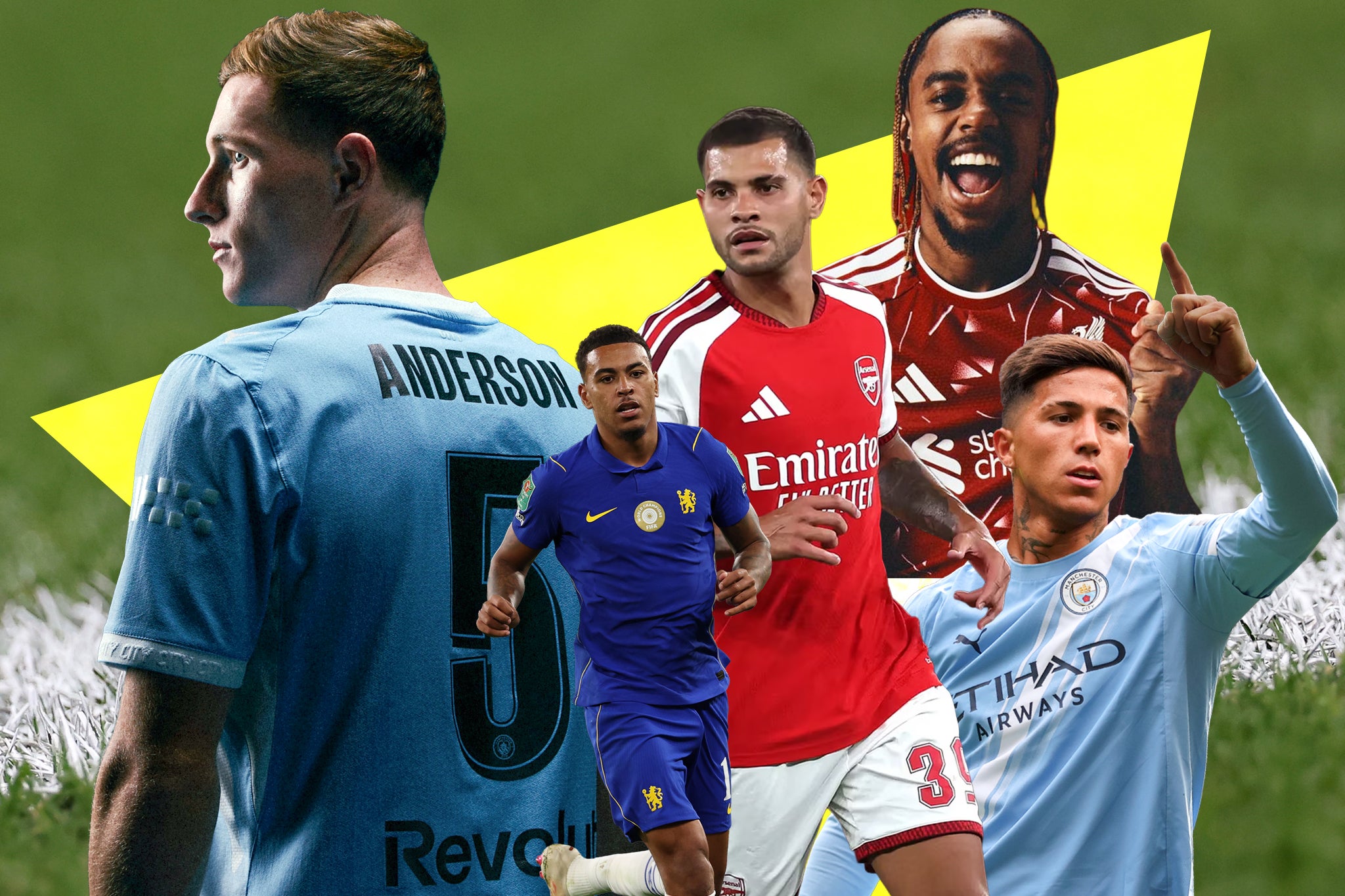
Is there any point in Tottenham fans getting excited about, say, Savio, when it is easy to imagine him on loan in the Turkish Super Lig, or Fulham, in 18 months’ time? Is it worth Manchester United fans investing emotional energy in the fortunes of Andrey Santos, when he probably goes in search of first-team football before too long?
Naturally, a little transfer fatigue has set in here. This summer there was a new genre of story amid the relentless cycle: the non-mover. Cody Gakpo was linked with Tottenham for weeks only for that to come to naught. Then, for about three days, he was thought to be heading to Manchester City in an £85m deal. That didn’t materialise either, prompting Fabrizio Romano to tweet a picture of Gakpo with the giant caption “STAYING”, like this was news. Now Liverpool are keeping a player who fans know would rather play for their greatest modern rivals.
Selling has become as much of a talking point as buying, and Chelsea’s success has been hailed after raising £1bn in sales since BlueCo bought the club four years ago. They have done it largely by hoovering up young talent for the explicit purpose of selling them on for a profit, to be traded like stocks and shares. Is this fun to support? Is it really what a healthy football ecosystem looks like?

And amid the churn, the coaching craft of welding a team together from its existing parts is becoming increasingly rare. Enzo Maresca presumably didn’t fancy working with Jack Grealish, Reijnders, Savio, Omar Marmoush or Nico Gonzalez, who spent two years training as Rodri’s understudy only to be ushered out when Rodri left. Could Maresca have made use of what he had? Could he and his coaches have built something from those players? Isn’t that part of the job?
It is <a href="https://comicvibe.com/fortnite-update-5-19-1-000-230-for-version-42-10-released-on-september-3/” title=”Fortnite Update 5.19/1.000.230 for Version 42.10 Released on September 3″>September, and the feeding frenzy is finally over. Premier League clubs spent £3.5bn in two months, the GDP of a small country. And once everything has settled, what is left is a series of new teams built not on meaningful connections but on contractual obligations, players increasingly unmoored from clubs and supporters, like a bunch of freelance athletes drifting between jobs.
Some players will forge new bonds with their clubs, but only if they’re given the time. January will soon roll around. More new signings will arrive. Duds will be sent out on loan or sold. Players going and then staying will become transfer sagas we didn’t need. Here we go, again.
