

Roblox agrees to integrate PhilSys while Meta commits to faster child safety enforcement
CategoriesAge Assurance | Biometrics News
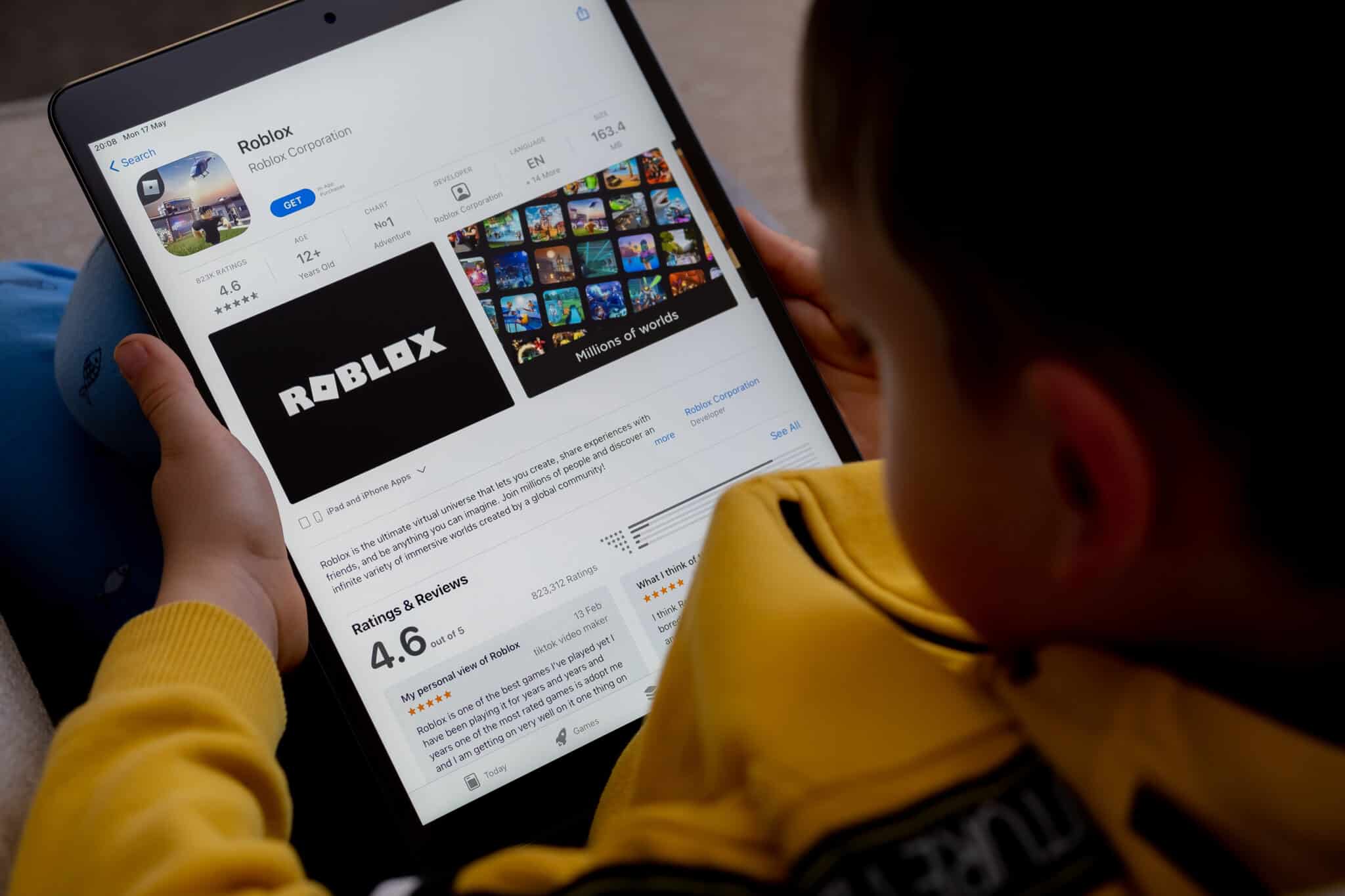
The Philippines has signed an agreement with Roblox, which will see the social gaming platform integrate the Philippine Identification System (PhilSys) into its age assurance stack in the country. It has also engaged Meta in conversations about online safety for minors and the swift removal of explicit deepfake content.
The moves are in keeping with a wave of regional legislation that is seeing Asia become a testing ground for social media age assurance models, and the market for age assurance tools growing at pace.
Roblox under pressure after online safety concerns
The Philippines’ action is root ed in concern over a recent school shooting that has been linked to a Roblox user. The August 18 shooting, which occurred in the city of Zamboanga, was live streamed by the assailant, a Grade 9 student who killed a schoolmate and himself. A report in the South China Morning Post quotes the Philippines’ Interior Secretary Jonvic Remulla, who claims authorities have a “great degree of confidence” that interactions on Roblox had influenced the shooter. “Roblox in itself is not a dangerous game. It is the chat group where the coaxing happens, where the radicalization takes place.”
This is not the first crime in the Philippines that has implicated Roblox as a sinister influence. Chat rooms have been identified as hot zones for grooming and exploitation; the SCMP cites the case of a 19-year-old man arrested in June for allegedly “persuading minors to engage in sexual activity and send sexually exploitative images in exchange for Robux, Roblox’s digital currency.”
Singapore, Thailand, Indonesia all follow Australia
The agreement to integrate identity verification and age checks through PhilSys will go some way to assuaging concerns voiced by the Department of Information and Communications Technology (DICT), the National Bureau of Investigation (NBI), Cybercrime Investigation and Coordinating Center (CICC) and Congress. But Roblox is facing potential action across the region. Authorities in Singapore have linked it to online radicalization and the arrest of a boy planning a mass casualty attack; the country is planning on rolling out relevant online safety legislation early in 2027.
Indonesia is cracking down with age assurance laws and requirements for social platforms. Thai authorities have met with Roblox about the possible use of Thailand’s National Digital ID system for age verification. And Australia continues to push for a digital duty of care – a liability model that could see Roblox facing the sharp end of the regulatory stick.
Australia’s digital duty-of-care model is increasingly influencing policy discussions across Asia.
Meta agrees to work with Philippine government to avoid platform bans
Taking on social media means taking on Meta, and the Philippines’ leadership is planning a sit-down with Meta executives in Manila next month. A release from the Philippines News Agency says the Silicon Valley giant has “committed to a more proactive approach to removing harmful AI-generated deepfakes and responding to lawful requests from Philippine authorities investigating cybercrime and other online threats.”
Meta has agreed to work with national law enforcement agencies on identifying AI content that should be removed immediately, and to set up a mechanism allowing people to enroll for protection and deepfake removal. It will give up data tied to online sexual abuse and exploitation of children and pornographic imagery of minors, and join a new technical working group to strengthen coordination on takedowns.
For now, the concessions are enough to put a pause on the government’s threat to ban Meta if it failed to put in place stricter safeguards to protect children.
The news release quotes Cybercrime Investigation and Coordinating Center (CICC) Executive Director Undersecretary Renato “Aboy” Paraiso, who says banning is the last option. “We now have concrete areas of cooperation, and we are looking forward to seeing these turn into actual improvements in online safety for Filipinos, especially for our children.”
The developments contrast with the U.S., where lawmakers and courts continue refining how age assurance laws should operate rather than whether they should exist.
Article Topics
age verification | Asia age assurance | gaming | Meta | Philippines | Roblox | Singapore | social media
