

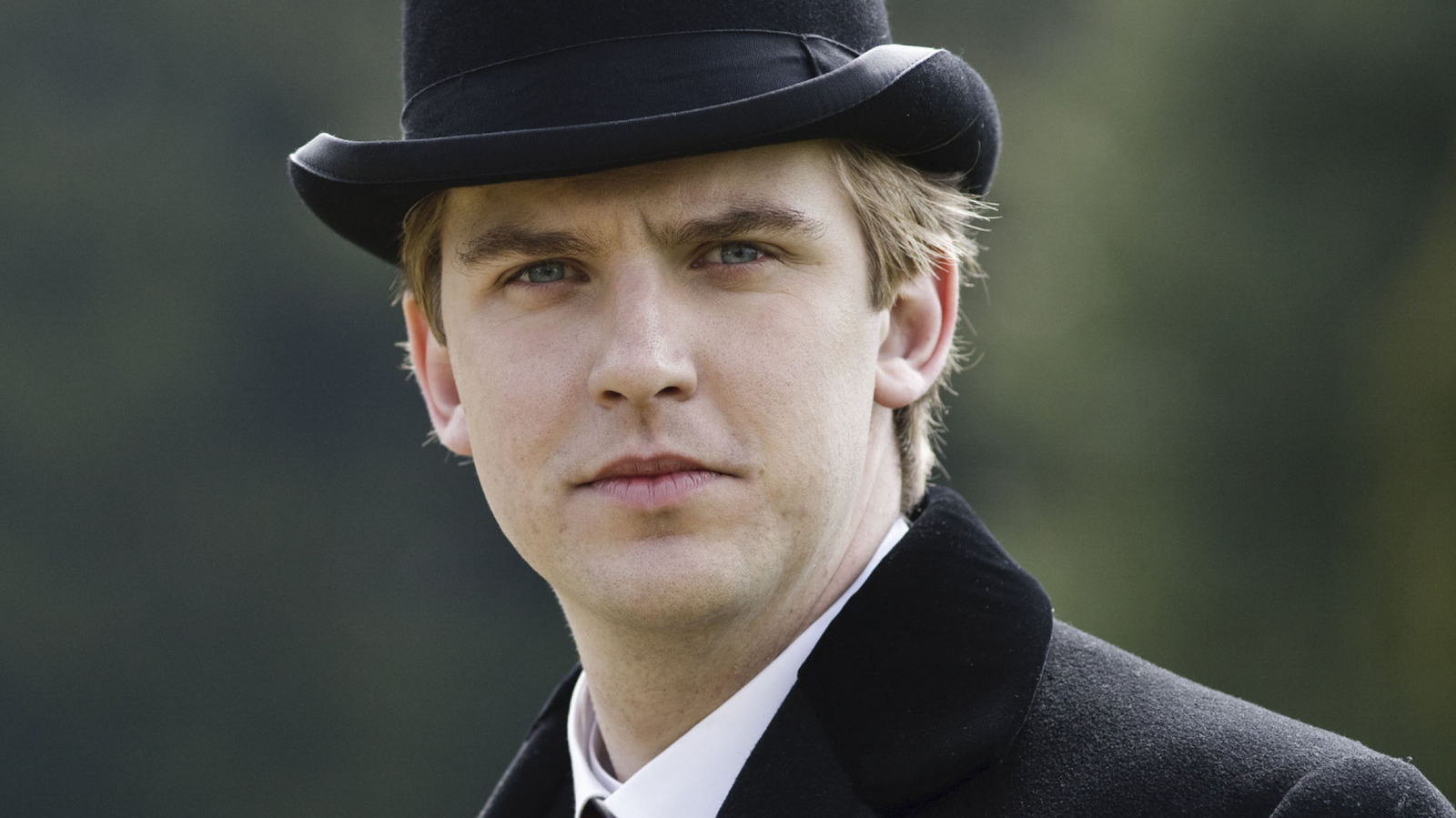
Nothing pulls the rug out from a great show like killing off a fan favorite character. Done right, that kind of death can become one of a show’s defining moments — a tragic but memorable twist that fans talk about for decades. But done wrong, a single bad character exit on TV can undo years of goodwill, turning previously beloved series into, “Well, it’s pretty good, but…”
We’ve all been there: seasons deep into a series that just won’t take its hooks out until that one “gotcha” moment arrives and whisks a core cast member off to the great beyond. Sometimes the problem is a writers room that can’t quite fill the gap left by a fan favorite. Other times, it’s the nature of the death itself — too random, out of nowhere, or cutting off a more interesting storyline that now, suddenly, will never get resolved. Even when shows manage to recover from these sorts of character deaths, they often morph into something new, losing original fans in the process.
Today, we’re pouring one out for the characters who deserved better, and the shows that would have been better, with just a bit more mercy. These are five character deaths that ruined once-beloved TV shows.
Tara Maclay
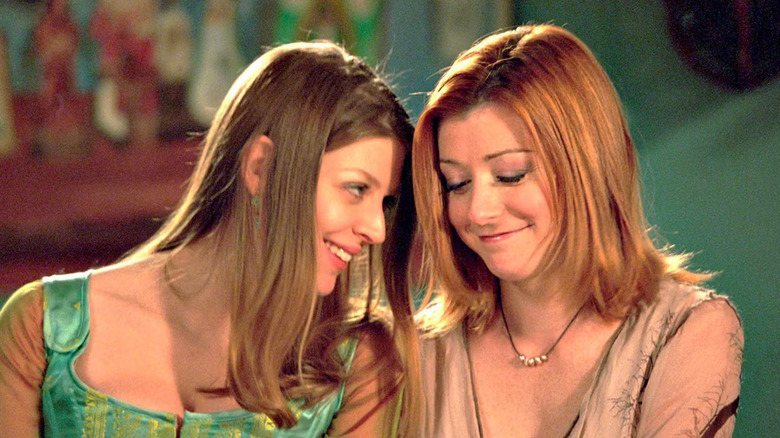
“Buffy the Vampire Slayer” went through a lot of cast rotation throughout its seven-season run. Early staples like Charisma Carpenter’s Cordelia Chase and Seth Green’s Daniel “Oz” Osbourne departed, while David Boreanaz’s Angel left to start his own eponymous spin-off after “Buffy” Season 3. Then, of course, there are the character deaths — most famously Buffy’s mother Joyce Summers (Kristine Sutherland) in Season 5, Anya Jenkins (Emma Caulfield) in the series finale, and Tara Maclay (Amber Benson) toward the end of Season 6.
Tara’s death was shocking at the time, sparking fan outcry, and it remains one of the most frustrating instances of queer fridging in modern TV history. Part of that has to do with the lead-up to the death, as “Buffy” Season 6 is generally seen as a low point for the series. Its dark, arduous depression storyline and morally repugnant trio of villains can make it a tough watch, and Willow (Alyson Hannigan) has her own tough run with a “dark magic as a drug metaphor” arc that estranges her from her girlfriend, Tara. So when the two finally came back together a few episodes from the season finale, only for Tara to get shot and killed in the most random way possible, fans were understandably upset.
The issues here are layered — randomness, a fan-favorite character, queer fridging, and an overall dip in quality around the same time. It was a rug pull at a time when “Buffy” really needed a boost, and while Season 7 is remembered more favorably overall by fans, the series never got back to its previous highs after the backstab of Tara’s death. The last season was always going to be a tough final act for one of the best horror shows of the ’90s.
Glenn Rhee
“The Walking Dead” was no stranger to shocking character deaths. The death of Carl Grimes (Chandler Riggs) sparked a ton of fan backlash due to the way it was written and his longstanding status as a centerpiece of the show. The death of Beth Greene (Emily Kinney) actually led to a fan petition to bring her back. But the death that ruined the show was that of Glenn Rhee (Steven Yeun), brutally beaten to death by Negan (Jeffrey Dean Morgan) during the opening episode of Season 7, “The Day Will Come When You Won’t Be.”
Years after the flagship “The Walking Dead” series left the air, this is still the most famous moment from the entire show, and not for good reasons. The nature of Glenn’s murder combined with his status as a firm fan favorite made his demise particularly difficult to watch. While “The Walking Dead” had been running for over half a decade at that point, this was still a bridge too far for many viewers, and it’s not unreasonable to say that you can look at Glenn’s death as the transition point between the franchise’s status as a pop culture institution and a successful but much more insular zombie universe.
The numbers back this up. The first episode of Season 7 garnered 17 million viewers. The next episode? Only 12 million. That precipitous drop signaled a falloff from more casual fans that would continue dramatically in the following years. Shows like “The Walking Dead” are built on shock value and heart-wrenching rug-pulls to some degree, but even so, the murder of Glenn was simply too much for many viewers, marking a clear before and after point in the history of the show.
Debra Morgan
A bad series finale can ruin the image of a show. Just ask anyone who sat through eight seasons of “Game of Thrones.” Before HBO’s fantasy series famously failed to stick the landing, Showtime’s “Dexter” did the same thing, though not quite as spectacularly – there are plenty of fans who will argue in support of the serial killer show’s ending, a discussion that has become more nuanced now with the various “Dexter” sequel series and spin-offs. However, the vast majority of “Dexter” fans will agree that Debra Morgan (Jennifer Carpenter) deserved better.
Dexter’s sister has a rough go of it in the latter seasons of the show, discovering the true nature of her brother and unraveling in the wake of that revelation. After a twisted and tangled arc in Season 8, dodging various likely ends, Debra finally reaches a kind of resolution with her brother and seems to get her life back on track. That makes it all the more heartbreaking when she meets her end after being shot and suffering a stroke that causes massive brain damage.
Dexter himself is forced to pull the plug on his sister, and fans made their frustrations heard, claiming the death was just one more gut punch meant to draw some extra pain and drama out of a series finale laden with other controversies. While the show’s reputation has recovered somewhat with the passage of time, it’s hard to understate the damage that this finale — and the circumstances surrounding Deb’s death, in particular — did to its memory in the public consciousness.
Matthew Crawley
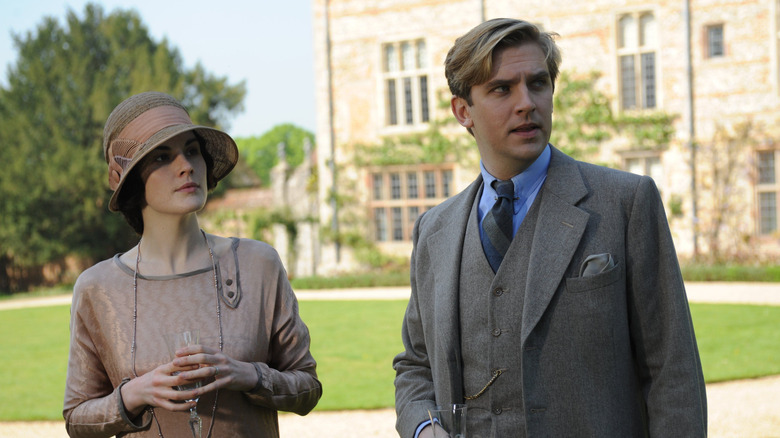
“Downton Abbey” is without a doubt one of the definitive shows of the 2010s, and its first few seasons in particular are something truly special. The delicate blend of historical drama, upstairs-downstairs class commentary, ensemble storytelling, and high production values made it a quick hit on both sides of the pond, and while some soap opera elements were always present, they didn’t really start to seep into the show too deeply until after Season 3.
The third season hit viewers with a pair of dramatic deaths that led to some fans abandoning the show. First, there was the tragic passing of Lady Sybil (Jessica Brown Findlay) from complications due to childbirth. Then, at the very end of the season, after sorting through another round of drama with the estate, Matthew Crawley (Dan Stevens), who was as close to a lead protagonist as the series had to that point, died in a car crash after visiting his wife, Lady Mary (Michelle Dockery), and their newborn son at the hospital. The reason behind his shocking death was pretty mechanical — Stevens was looking to depart his role for other opportunities.
When “Downton Abbey” actors wanted out, creator Julian Fellowes preferred to kill their characters to explain why they wouldn’t appear again. It’s an effective but brutal method, and rarely elegant. Packing two big deaths into a single season drew a good bit of criticism from fans, while also removing what had always been the heart of the show in Mary and Matthew’s relationship. While the ensuing seasons and “Downton Abbey” movies have great moments, to be sure, the death of Matthew heralded the end of the original golden era and a transition into something more soapy.
Lexa — The 100
The post-apocalyptic science fiction series “The 100” ran for seven years on The CW between 2014 and 2020, developing a dedicated fanbase during a period of immense success for the network headlined by shows like “Supernatural,” “Riverdale,” and the “Arrowverse” shows. While it initially received a lot of praise for the way it handled its queer characters, the death of one of these characters ultimately ruined “The 100” for a lot of viewers.
Lexa (Alycia Debnam-Carey) was killed off in the show’s third season right after consummating her relationship with Clarke (Eliza Taylor), a death seen by many as yet another unfortunate instance of the damaging “bury your gays” trope. It was the sort of twist that had happened on plenty of other shows by that point (the aforementioned death of Tara in “Buffy the Vampire Slayer” being just one of many examples). But, decades into an arduous push for progress in representation, this death felt particularly egregious and alienating.
It didn’t help that showrunner Jason Rothenberg promoted Debnam-Carey’s role in the season heavily online and then initially ignored much of the backlash in the wake of Lexa’s death. Rothenberg eventually apologized in an open letter to fans, writing: “Knowing everything I know now, Lexa’s death would have played out differently. Despite my reasons, I still write and produce television for the real world where negative and hurtful tropes exist. And I am very sorry for not recognizing this as fully as I should have.”
