

As much as we love our big gaming studios and long-running franchises, there’s just something special about indie games. That DIY spirit behind a production and the bold creativity that’s willing to take chances with the medium goes a long way in distinguishing these titles from their big-budget counterparts. Indie games have earned a bigger spotlight over the past several years, benefitting from platforms like Steam and the PlayStation Store to emerge from niche audiences. We’re taking a look at our personal favorite indie games that have come to represent this fan-favorite side of the industry.
Several of the titles here are indie games that everyone needs to play at least once, reminding audiences what’s possible from the medium. Some of the titles benefitted from having major publishers or eventually being acquired by larger studios after launching. But what is consistent here is that the initial version of these games were made by small teams outside of the typical mainstream gaming development system. Here are the five best indie games of all time ranked, each bringing a fresh burst of energy to the medium that captivated millions.
5. Journey (2012)
Sony was particularly supportive of the indie games community during the PlayStation 3 era, thanks to the advent of its digital storefront. Among the highlights published by Sony Interactive Entertainment during this period is “Journey,” which was developed by thatgamecompany. Released in 2012, the game follows a largely silent protagonist as they traverse a sprawling desert towards a large mountain on the horizon. The game features light platforming as players reach their goal and can be played solo or through two-person co-op online.
As trite or overly familiar as it may sound, “Journey” is all about the, well, journey rather than the destination, as players venture through the desert. There’s something quietly emotional about how the game is presented, from its breathtaking vistas to its ambiguous ending once players finally climb the mountain. This campaign is also perfect to play over a sleepy afternoon as a game you can complete in a single sitting, though it definitely invites multiple playthroughs. One of the best games from the PS3 era, indie or not, “Journey” looks and feels like a work of art.
4. Super Meat Boy
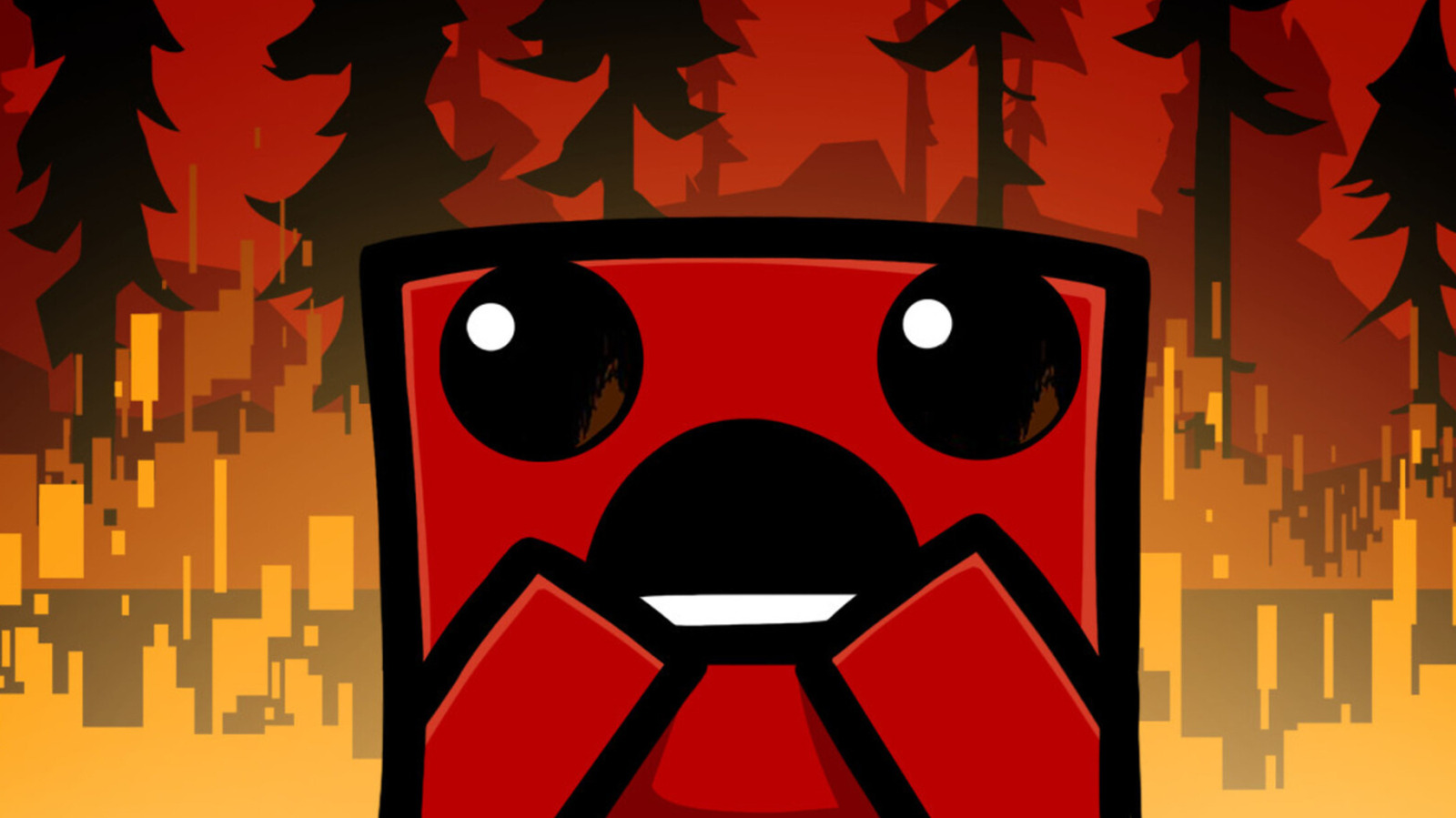
So many indie games go back to the developers’ foundational inspirations and that’s certainly the case for “Super Meat Boy.” Developed and published by Team Meat in 2010, the game has its pint-sized protagonist navigate obstacle-filled levels from a side-scrolling perspective. Death is a constant presence in the gameplay, but in a way that immediately dares players to try their luck again. That approach mitigates the frustration, even as the challenge steadily ramps up with every level, with the necessary platforming becoming increasingly precise.
“Super Meat Boy” stands as one of the best platformer games that isn’t “Super Mario,” making the side-scrolling genre into something uniquely its own. While the art design may seem simple, the gameplay rises in intensity after drawing players in with its quirks. Despite this, the game is surprisingly accessible, inviting players to hone their platforming skills with each level. With “Super Meat Boy,” the beauty is in its simplicity and, simply put, there is a lot of beauty to be had.
3. Minecraft
Yes, “Minecraft” is now technically a property owned and operated by Microsoft (with spin-offs, a movie, and merch) but, for its first three years on the market, it was very much an indie game. Developed and published by Mojang Studios in 2011, the game is the ultimate sandbox title, letting players explore a procedurally generated world. Players gather resources, craft items and construct structures, and battle various enemies as they venture across the world. There are alternative game modes available, including a survival mode and create mode, where players get infinite resources and have free reign to craft as they like.
It’s been fascinating watching “Minecraft” evolve into the best-selling video game in history from its humble origins. But even after the title was acquired by Microsoft in 2014, the bones of that original indie game are still visible. The numbers speak for themselves in regard to the game’s quality, with over 400 million copies sold worldwide since the game’s launch. An industry juggernaut that retains its fans while continually finding new audiences, “Minecraft” demonstrates what’s possible in the indie game space.
2. Hades
While action-heavy dungeon-crawlers have been a staple in gaming for decades, popularized by titles like “Diablo,” “Hades” makes the whole experience feel exciting again. Developed and published by Supergiant Games, the 2020 title follows Zagreus, the son of Hades, as he tries to escape from his father’s domain. Played from an isometric perspective, the game features a lot of trial-and-error, though Zagreus is able to use the treasure he acquired to upgrade his abilities on subsequent attempts. With the order of rooms that Zagreus explores being randomized, the game boasts a strong sense of replayability to keep players coming back for more.
“Hades” made video game history by becoming the very first video game to win a prestigious Hugo Award. This distinction is for excellence in sci-fi or fantasy storytelling, something that the 2020 game certainly achieves with expertly crafted aplomb. But the game feels extraordinary to play too, with each defeat only fueling the players’ desire to go back in and try harder to navigate its darkened, monster-filled environments. Both “Hades” and its 2025 sequel are among the best of their genre and certainly among the best hack-and-slash games of all time.
1. Stardew Valley
One game that keeps us coming back for countless replays and hours of chill agricultural fun is “Stardew Valley.” Developed and published by ConcernedApe, the game is a callback to the classic pixelated farming sim games like “Harvest Moon” that gained popularity in the ’90s. Like the premise of those games, “Stardew Valley” opens with the protagonist inheriting their grandfather’s farm in a remote rural community. While revamping the farm and reversing its fortunes, the player becomes increasingly active in the community and, if they want, can start a family of their own.
We may never get a sequel to “Stardew Valley” and, frankly, that’s completely and perfectly fine. The game is as cozy as modern gaming gets, inviting players to sink in as much time as they wish and get lost in its warm setting. This comes not just from a rewarding environment to explore and settle into but also a wealth of features so players never feel bored. A title that feels endlessly entertaining to play, even for more casual gamers, “Stardew Valley” truly is a joy to experience time and time again.

1 Comment
Pingback: PS5 Update 26.06-14.00.00 Released on September 16 Turns on Enhance PSSR Image Quality - Comic Vibe