

Logitech’s Haptic Inductive Trigger System (HITS) uses electromagnetic sensing to cut click latency by up to 30 ms, marking one of the year’s standout innovations. This year delivered a wild mix of new technology and unexpected contenders, making the right choice feel like navigating a minefield of marketing claims. Anyone hunting for the perfect gaming mouse knows the frustration: endless videos, conflicting opinions, and specs that mean nothing without context. The right mouse becomes an extension of reflexes, delivering every click without draining a wallet on empty promises.
This content may contain affiliate links. If you wish to support us and use these links to buy something, we may earn a commission.
14. Melgeek Chorus
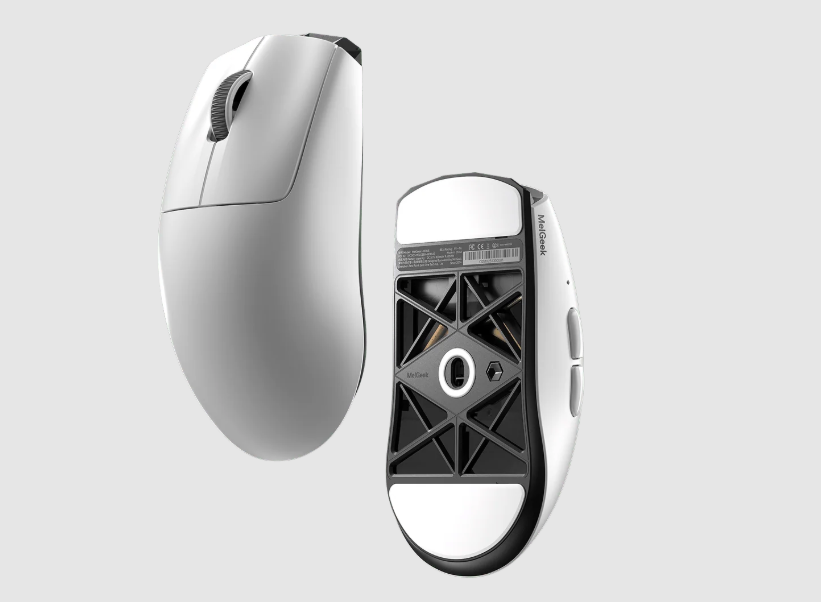
A lightweight Vaxee XE-style design that punches well above its obscure reputation.
Shape dictates comfort more than advertised weight ever will. The Melgeek Chorus defies expectations as a Vaxee XE-style mouse weighing approximately 49 g. It integrates a PixArt PAW3395 sensor and optical switches, delivering immediate comfort during extended sessions. The mouse vanishes into the grip, creating the rare sensation of zero peripheral awareness.
Its contoured shell suits relaxed claw, relaxed palm, and fingertip grips seamlessly. For those exhausted by the endless search for versatile comfort, the Chorus delivers genuine value. Top-tier performance sometimes hides in plain sight, away from the influencer spotlight.
13. VXE R1S
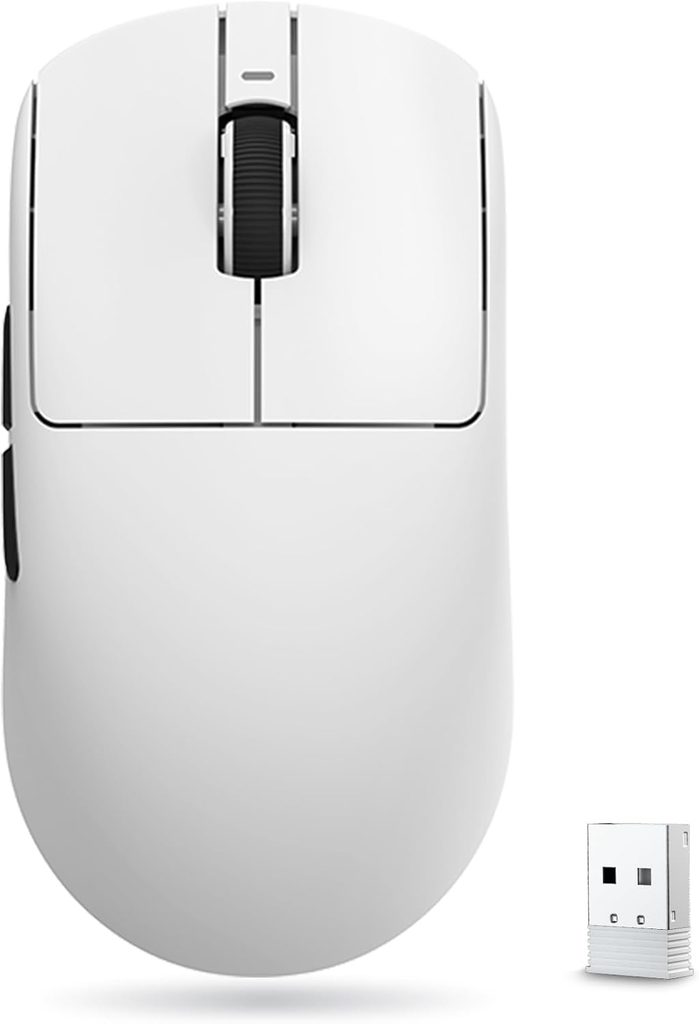
Budget performance that rewrites expectations without pretending compromises don’t exist.
Budget gaming mice typically mean cheap sensors and flimsy builds, but the VXE R1S rewrites that script. Weighing approximately 57 g, this wireless mouse features a classic claw-grip shape. Originally priced around $10 and later rising to roughly $20, it offers value few competitors can touch.
The R1S requires accepting specific trade-offs. Its coating lacks premium feel; the bottom-heavy weight balance shows during quick flicks. Long-term durability and peak benchmark performance aren’t its strengths. However, it punches above its weight class like a scrappy underdog, delivering functional reliability for gamers on tight budgets.
12. Mchose L7 Pro
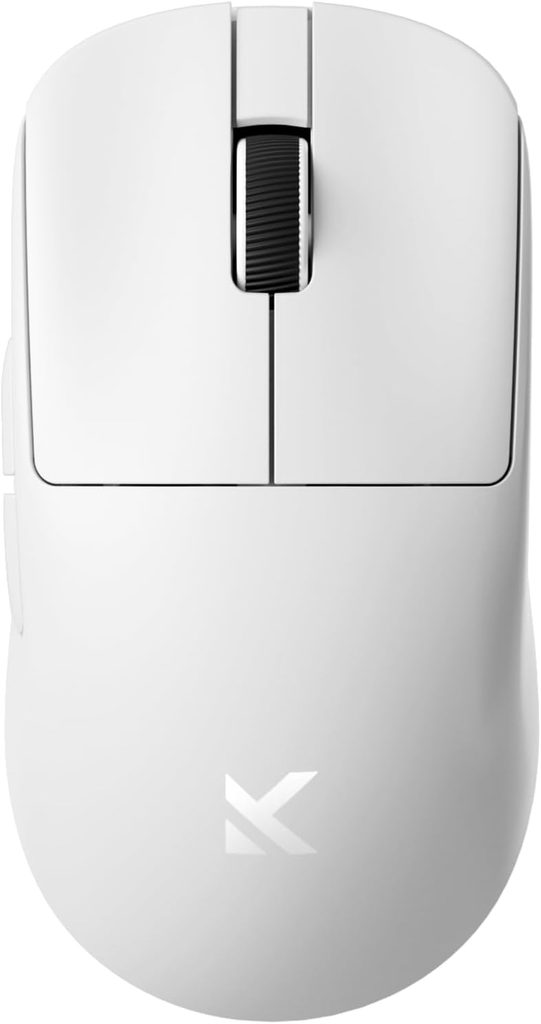
Compact precision engineered for smaller hands and aggressive grip styles.
An improperly sized mouse can feel as cumbersome as wearing shoes two sizes too large. The Mchose L7 Pro addresses this directly with compact, lightweight design crafted for smaller hands, especially those favoring claw or fingertip grips. Its footprint aligns generally with OP1 or OP18K-style mice but offers slightly wider dimensions, providing secure feel without unnecessary bulk. Build quality and reliability proved exceptional during testing.
Internal technology saw thoughtful evolution. Initial models featured Omron optical switches; subsequent production transitioned to Kailh GO optical switches, delivering more tactile clicks with auditory profiles closer to mechanical switches. An “Ultra” version enhances performance with an improved sensor. For those who’ve wrestled with oversized mice, the L7 Pro’s refined form secured recognition as a standout mid-range option.
11. Logitech G PRO X2 SUPERSTRIKE
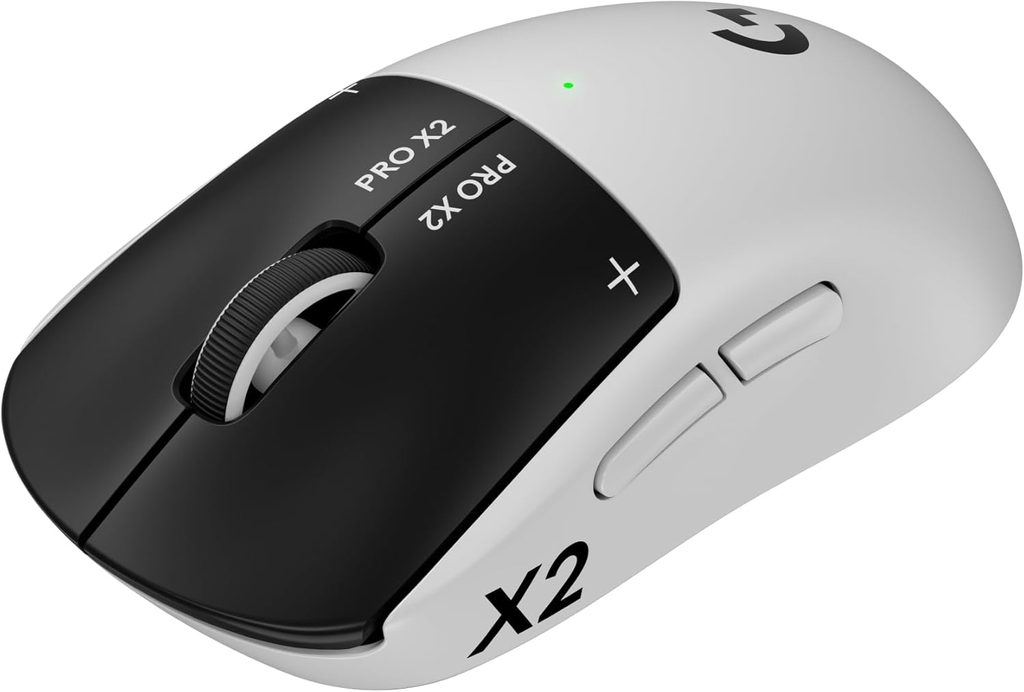
The first HITS implementation trades conventional clicks for electromagnetic precision and configurability.
Logitech’s Haptic Inductive Trigger System (HITS) can reduce click latency by up to 30 ms according to the company, challenging assumptions that mouse switches had peaked. The PRO X2 SUPERSTRIKE marks Logitech’s first implementation of this electromagnetic sensing technology, replacing traditional microswitches. The system allows 10 actuation settings, 5 reset settings, and 6 haptic intensity levels, all powered by a HERO 2 sensor capable of 44,000 DPI, over 888 IPS tracking, and 88 G acceleration.
Despite earning recognition for innovation, reviewers noted significant implementation trade-offs. The mouse suffers from noticeable weight balance issues that undermine the otherwise brilliant concept. Testing the haptic feedback and adjustable actuation points reveals substantial potential, though the current iteration feels more like proof of concept than polished daily driver. This mouse glimpses the future of gaming input while its maturity remains debatable.
10. XBABTech Gaming Mouse
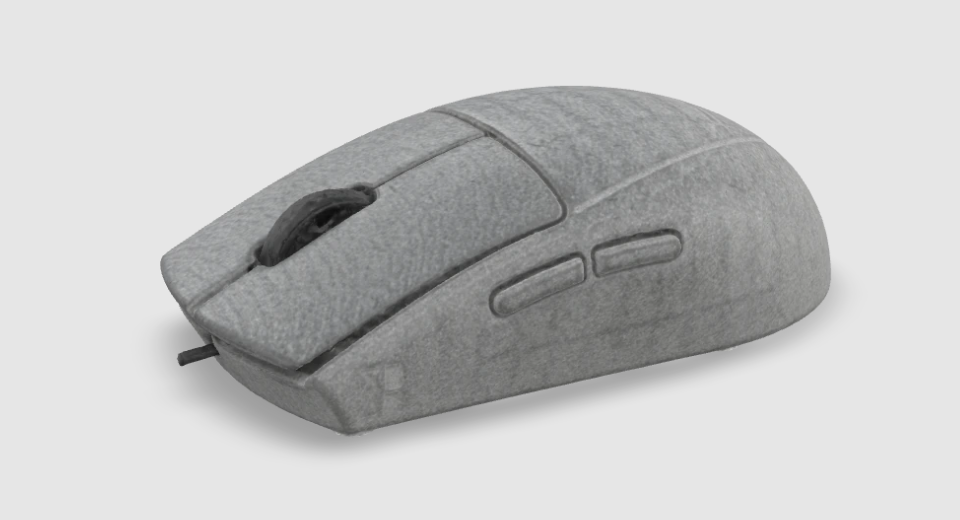
A 25 g featherweight that delivers extreme performance at the cost of long-session comfort.
The XBABTech mouse weighs approximately 25 g. This featherweight design promised extreme performance and secured attention as a noteworthy newcomer. Gamers initially felt they’d unlocked a cheat code for speed; yet, the weight-to-size ratio felt unsettling, like a peripheral that should weigh at least 10 g more.
That initial rush of digital superiority quickly gave way to physical reality. After several hours, substantial wrist fatigue emerged as a direct consequence of the mouse’s nearly nonexistent heft demanding micro-adjustments muscles weren’t expecting. Groundbreaking technology offering unparalleled swiftness still requires ergonomics the body can actually sustain.
9. Pulsar F01 Noctua Edition
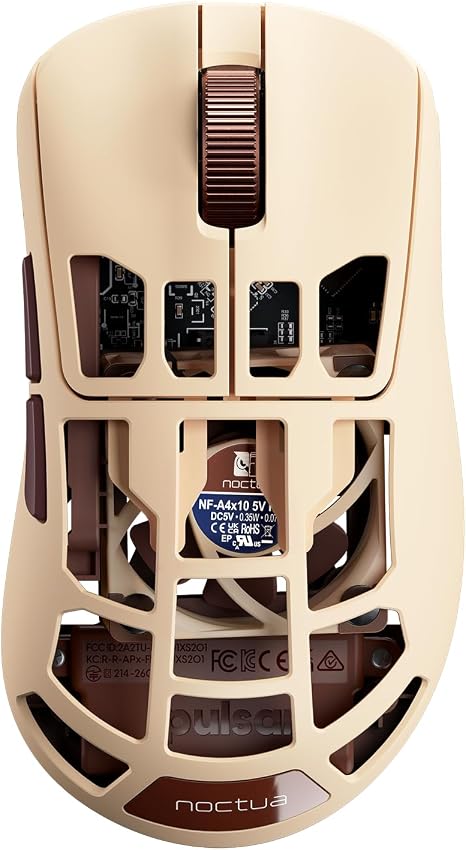
A Noctua collaboration that turns an integrated fan from gimmick to genuine comfort solution.
Integrated fans in gaming peripherals face immediate skepticism as marketing gimmicks. The Pulsar F01 Noctua Edition, an ergonomic special-edition mouse developed with Noctua, defies this perception by targeting a genuine issue: clammy hands during intense gaming. For players whose grip suffers from moisture in high-stakes matches, it offers practical relief.
Its integrated fan actively reduces hand moisture in demanding scenarios. This design elevates the mouse beyond novelty, delivering genuine comfort and improved control. It proves particularly valuable for players with sweaty hands, transforming a common nuisance into reliable performance.
8. Rapoo VT3 Max Gen 2
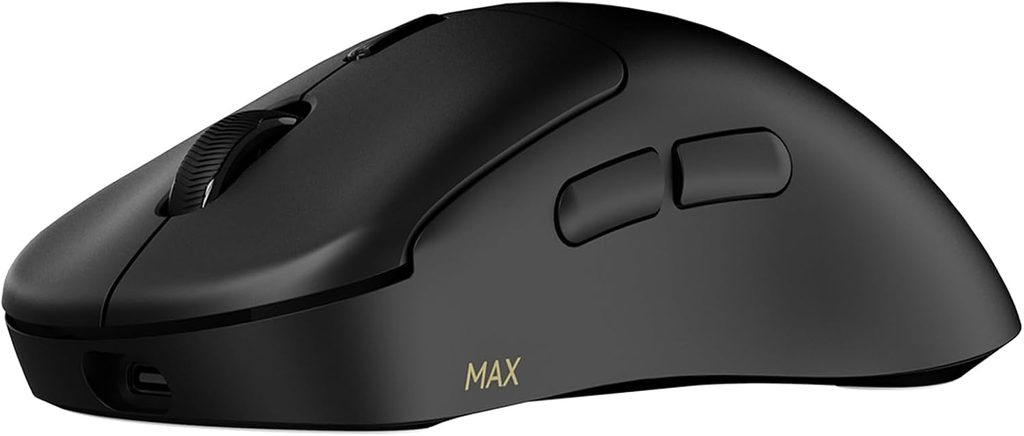
Premium ergonomic comfort at a mid-tier price, despite battery heft and subpar skates.
High-quality ergonomic mice often start north of $100, requiring significant investment for comfort. The Rapoo VT3 Max Gen 2 shatters that expectation, delivering competitive performance for approximately $60. This mouse can rival models costing roughly $40 more, proving affordable ergonomics don’t require sacrifice.
Overall quality and sensor performance are strong, though the VT3 Max Gen 2 has distinct quirks. An excessively large battery adds unnecessary heft; stock mouse skates feel less than ideal. Despite these compromises, this mouse stands as a top contender for affordable ergonomic excellence, demonstrating that comfortable, competitive gaming doesn’t always require emptying wallets.
7. Razer Viper V3 Pro
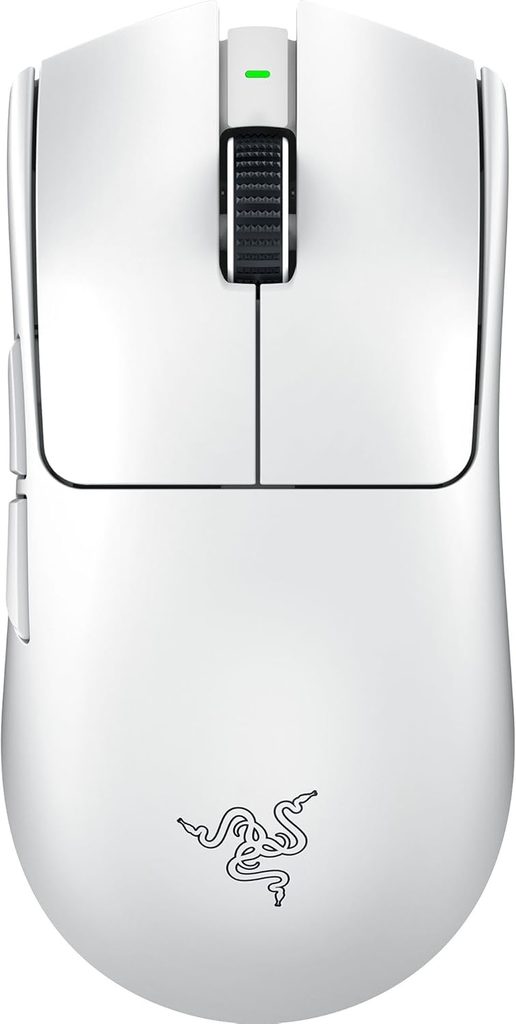
Refined successor that improves weight, battery life, and switches over the respected V2 Pro.
Earlier models forced choices between performance and endurance; the Razer Viper V3 Pro suggests both are achievable. This high-end lightweight wireless gaming mouse notably improves upon its Viper V2 Pro predecessor with lower overall weight and substantially longer battery life. Better-feeling switches provide improved tactile response, though some users report subtle acoustics on actuation.
Further enhancements include an improved scroll wheel offering more precise and satisfying tactile feedback. This iteration represents meaningful advancement, making the Viper V3 Pro a compelling choice for gamers seeking cutting-edge lightweight wireless performance without the compromises previous generations required.
6. Vaxee NP-01 Ergo
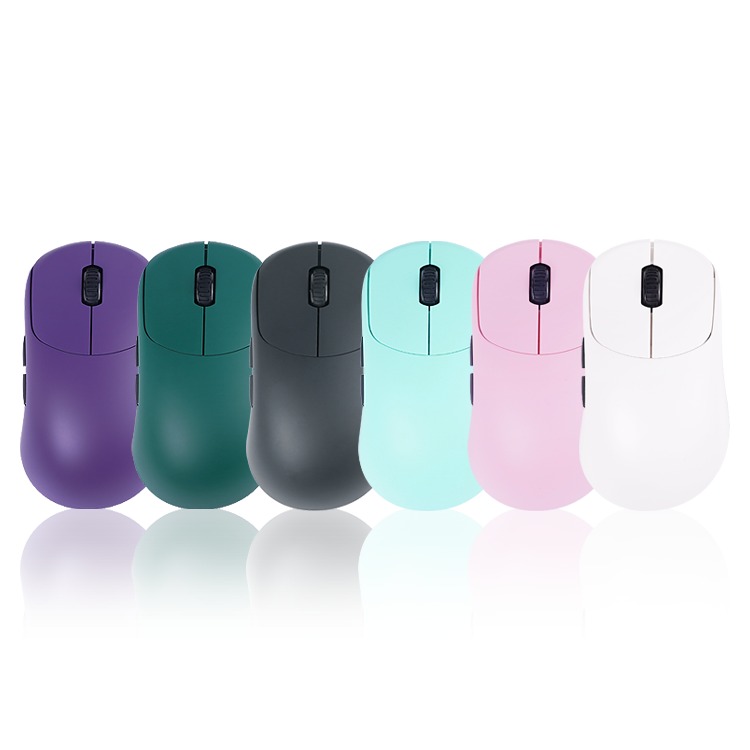
Premium build quality and comfortable shape prioritized over ultralight specs and haptic gimmicks.
Prioritizing actual feel over spec sheets is rare in gaming peripherals, and the Vaxee NP-01 Ergo delivers. This premium ergonomic gaming mouse champions philosophy where build quality trumps chasing ultralight numbers or novelty optical switches. The difference registers the moment hands settle on its comfortable shape. Exceptionally high craftsmanship extends to the distinctive cylinder-style wireless dongle.
Refined performance avoids haptic feedback gimmicks, relying instead on solid engineering that simply works. This mouse eschews marketing fluff for consistent, reliable experience. For enthusiasts seeking the tool that just feels right, the NP-01 Ergo stands as a benchmark for comfort and dependable quality.
5. Pulsar X2N CrazyLight Mini
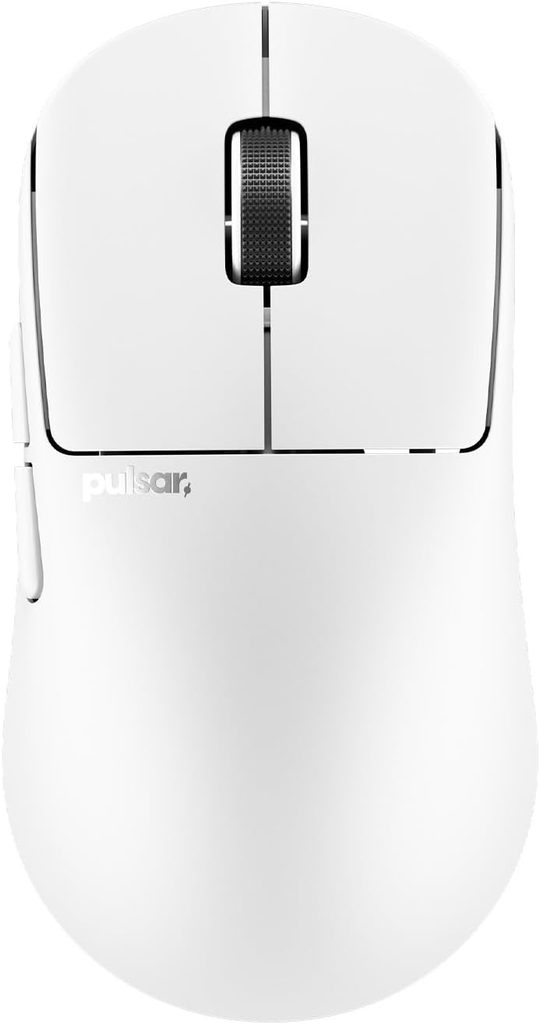
Compact ultralight design that balances 38 g weight with eight-hour comfort and 8 kHz polling.
Pulsar’s official specifications list the X2N CrazyLight Mini at 118.4 × 62.4 × 38.2 mm. At approximately 38 g with dot skates or 40 g with regular skates, this mouse achieves absurdly light weight without sacrificing build quality. The compact body vanishes in smaller hands, creating seamless connection between intent and action.
Its XS-1 sensor supports up to 32,000 DPI, 750 IPS, and 50 G acceleration. An 8 kHz polling rate ensures every movement registers with minimal latency. Comfort for claw-palm hybrid grips holds up through extended sessions, setting benchmarks for what compact ultralight mice can achieve. Optical switches, coating quality, and overall refinement justify the recognition.
4. Logitech G PRO X3 SUPERSTRIKE
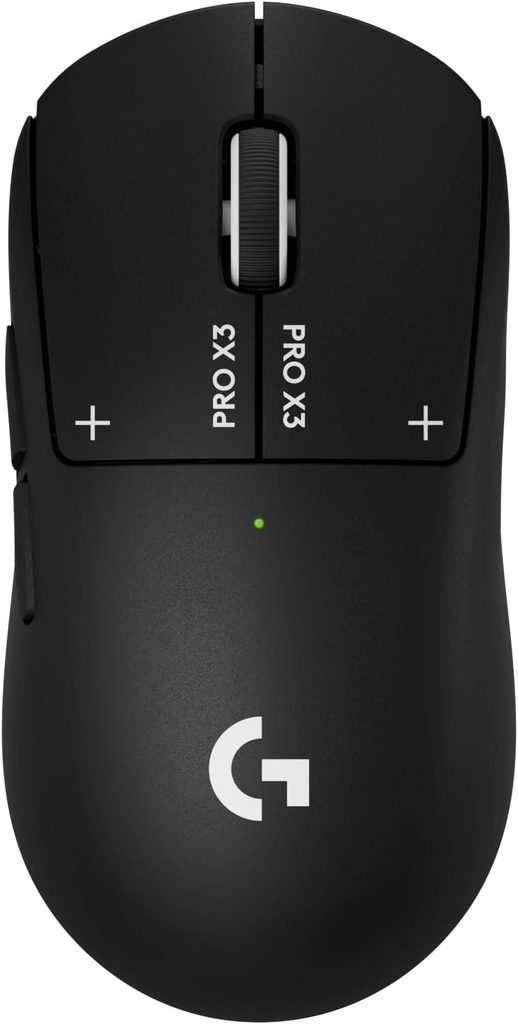
Refined HITS implementation addressing weight balance with 8 kHz polling and 135-hour battery life.
Logitech claims its Haptic Inductive Trigger System (HITS) can reduce click latency by up to 30 ms compared with traditional microswitches. While the original PRO X2 SUPERSTRIKE introduced this electromagnetic sensing technology, it suffered from weight balance issues that undermined the innovation. Iterative refinement demands evolution.
The PRO X3 SUPERSTRIKE addresses predecessor critiques with a new NxLOGI chipset supporting up to 8 kHz wired and wireless polling. Battery life exceeds 135 hours, preventing mid-session scrambles for charging cables. Weighing approximately 59–61 g (depending on regional configuration) with a HERO 2 sensor supporting up to 48,000 DPI and 930 IPS, the PRO X3 boasts improved balance while advancing HITS technology. Logitech’s second iteration transforms promising concept into more polished execution.
3. PixArt PAW3395 Sensor
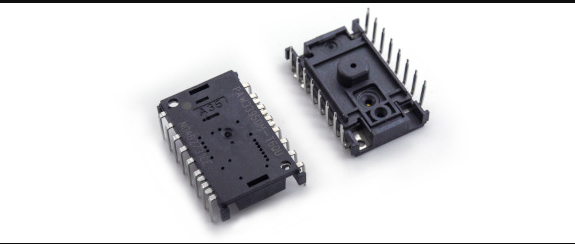
High-performance optical sensor delivering responsive tracking in lightweight wireless designs.
High-performance optical sensors power pixel-perfect precision in top-tier gaming mice. The PixArt PAW3395 represents this category of unseen core components. This sensor ensures that lightning-fast flick shots translate into exact on-screen movements with minimal latency.
The sensor acts as conductor of an esports symphony, recording every subtle hand movement with extreme fidelity. It delivers accuracy and responsiveness essential for competitive gaming, ensuring every input registers precisely. For serious players who’ve experienced the agony of crucial shots failing to land, sensor performance becomes non-negotiable foundation for winning plays.
2. Kailh GO Optical Switches
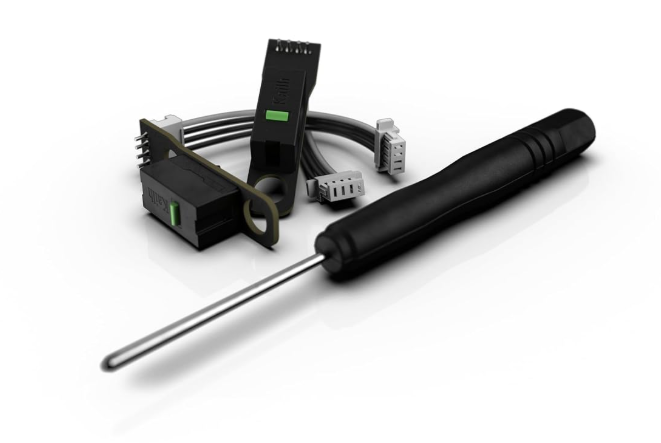
Tactile optical switches bridging the gap between optical speed and mechanical feedback.
Some mouse clicks just feel right. Subtle differences in switch travel provide instant feedback, locking in moves with satisfying confirmation. Later production versions of the Mchose L7 Pro adopted Kailh GO optical switches, replacing original Omron optical switches. These newer switches deliver more tactile feel with acoustics closer to traditional mechanical switches.
During rapid-fire sequences, that satisfying click becomes more than sound; it transforms into confirmation. It provides assurance that inputs registered, similar to nailing critical combos in fighting games. Kailh GO optical switches offer compelling alternatives for players demanding optical technology’s inherent reliability while preserving the familiar, satisfying feedback mechanical switches deliver.
1. Razer Viper V2 Pro Legacy
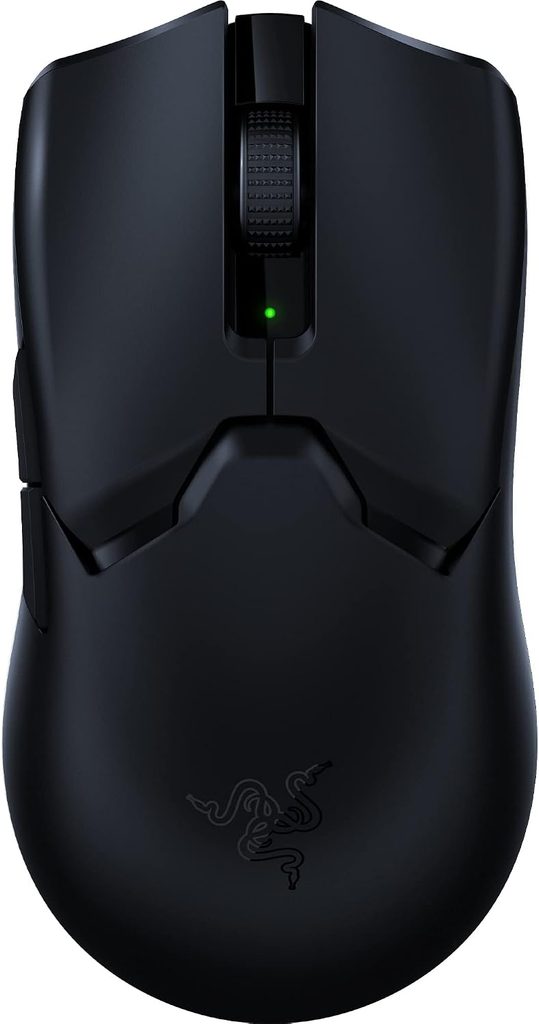
The predecessor that established benchmarks its successor refined rather than revolutionized.
The Razer Viper V2 Pro was a genuine contender for mouse of the year during its prime, establishing clear benchmarks for high-performance gaming. This device offered consistent precision for competitive players like a perfectly dialed-in tool. While its successor, the Viper V3 Pro, trimmed approximately 5 g from weight, extended battery life, and upgraded switches and scroll wheel, the V2 Pro maintained formidable presence.
Flagship technology evolves constantly, with each generation pushing boundaries. The V2 Pro’s legacy persists through the path it paved for future iterations. It demonstrated how focused engineering creates competitive advantage. This mouse remains a high-performance device, still capable of dominating virtual battlegrounds and earning respect from those who prioritize proven reliability over the latest features.
