

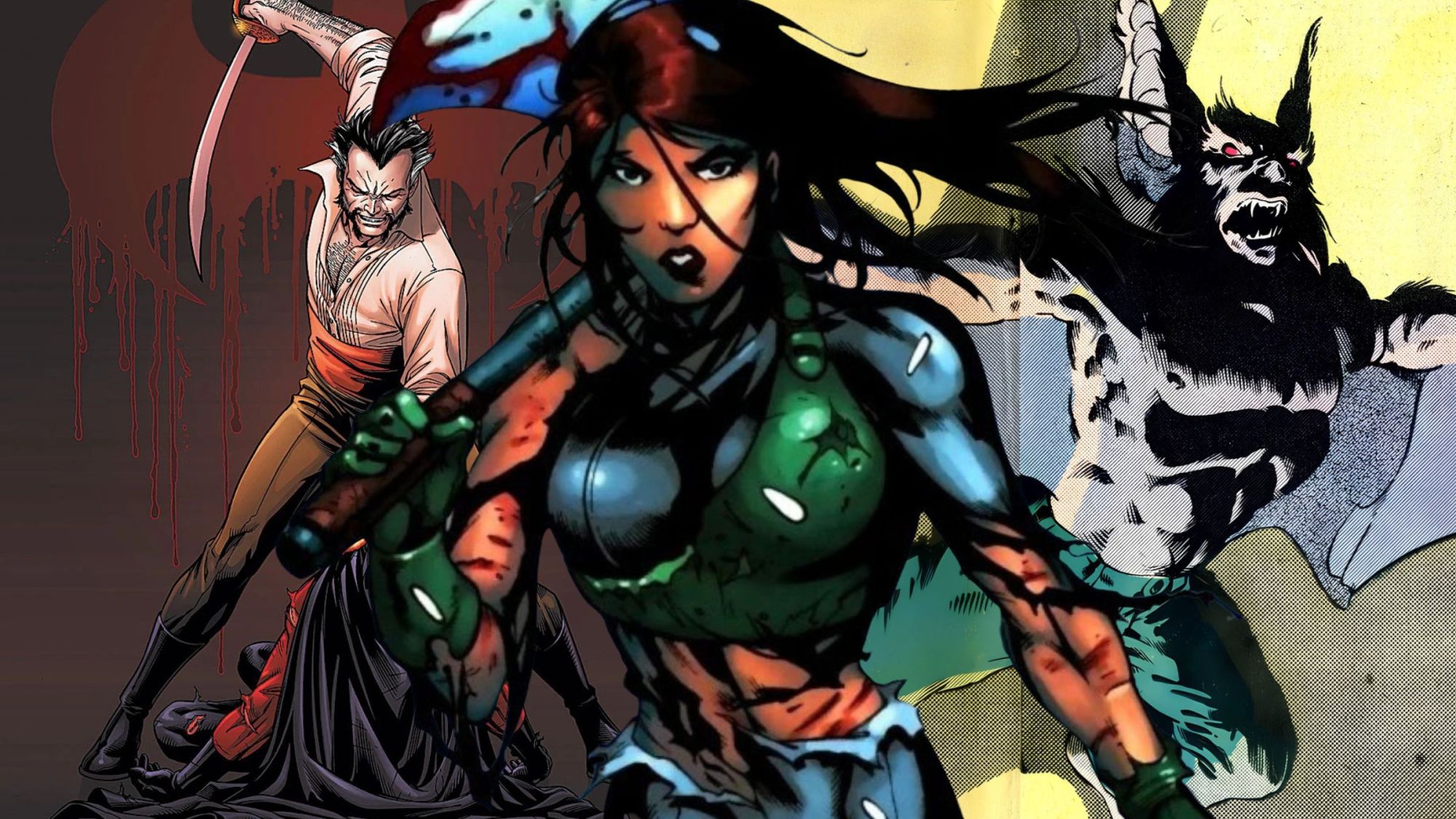
The Batman villains of the 1970s had a lot of work to do when it came to defining the character for a new generation. When the 1970s started, Batman had become an almost kitsch character in pop culture thanks to the television series with Adam West and Burt Ward as Batman and Robin. While things changed drastically in the 1980s, the 1970s were where it all started, with Denny O’Neil and Neal Adams beginning to create stories that pulled Batman back into the shadows, and they helped set the tone for the rest of the decade. There were still silly stories, as was the case with many DC titles of the decade, but the villains in Batman comics had a bite that many other titles didn’t.
Videos by ComicBook.com
Here is a look at the 10 iconic Batman villains who defined the 1970s, including one villain who is often criminally overlooked
10) The Sensei
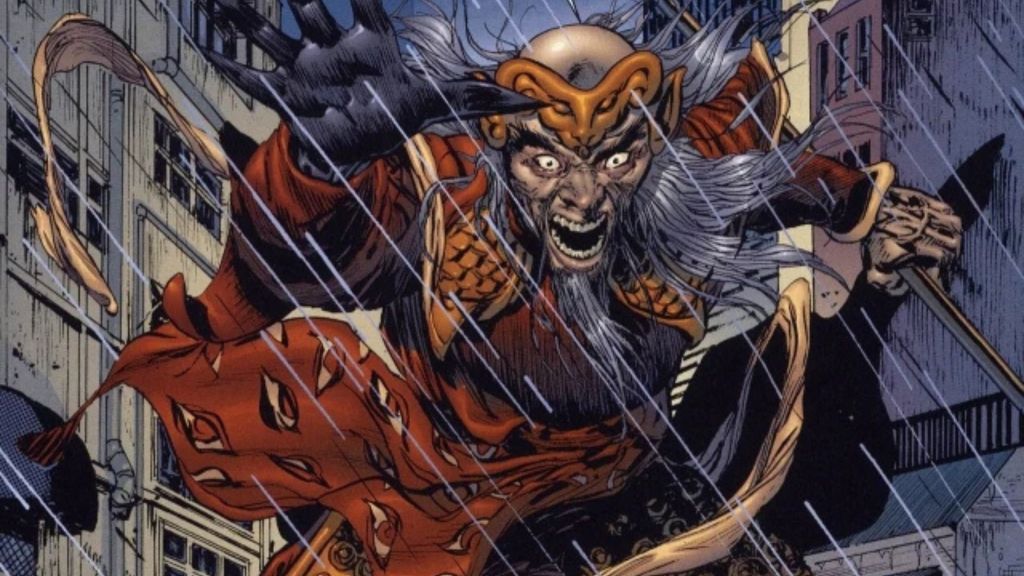
The Sensei is a Batman villain who debuted at the end of the 1960s, but one who remained popular into the 1970s. He first appeared in Strange Adventures #215 (1968) by writer-artist Neal Adams, as the antagonist in a Deadman story. He was the villain who orchestrated the murder of Boston Brandriginal leader of the League of Assassins, the organization which was officially named in Detective Comics #405 (1970)
This means the Sensei was the shadowy figure behind many of Batman’s early 1970s assassination threats. In Detective Comics #485 (1979), this position was actually changed to a high-ranking League figure and Ra’s al Ghul rival. This was also the issue with his darkest legacy, as he was the man who orchestrated the murder of the original Batwoman, Kathy Kane. He was eventually revealed in the 2007 “Resurrection of Ra’s al Ghul” storyline to be Ra’s al Ghul’s father. This made the seemingly minor Sensei the secret patriarch of Batman’s greatest villain dynasty and Damian Wayne’s great-grandfather.
9) Maxie Zeus
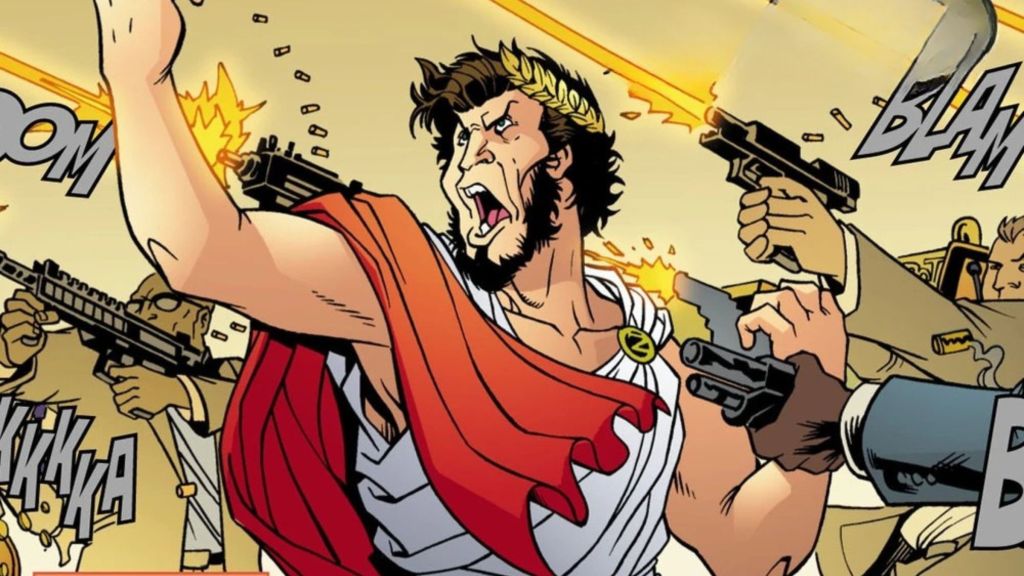
Maxie Zeus seems like one of the more ridiculous Batman villains that would have appeared on the classic TV show. However, this villain was a little more complex than that. He debuted in Detective Comics #483 (1979) by Denny O’Neil and Don Newton. Originally, he was a Greek history professor who lost his grip on his sanity after the death of his wife. His obsession with classical mythology convinced him that he was the literal reincarnation of the god Zeus
Maxie Zeus then became a Gotham crime lord. There was one thing that kept him somewhat sympathetic, other than the death of his wife. He had a daughter named Medea, whom he kept hidden in exclusive boarding schools to protect her from his crimes, showing he had a little of his sanity remaining. He was a psychologically broken, delusional villain who was closer to a tragic-madness figure than anything from the old Batman TV show. He later showed up in Arkham Asylum: A Serious House on Serious Earth by Grant Morrison and Dave McKean, where he was found wired into the asylum’s electroshock room, believing he was receiving “fire from heaven.”
8) Rupert Thorne
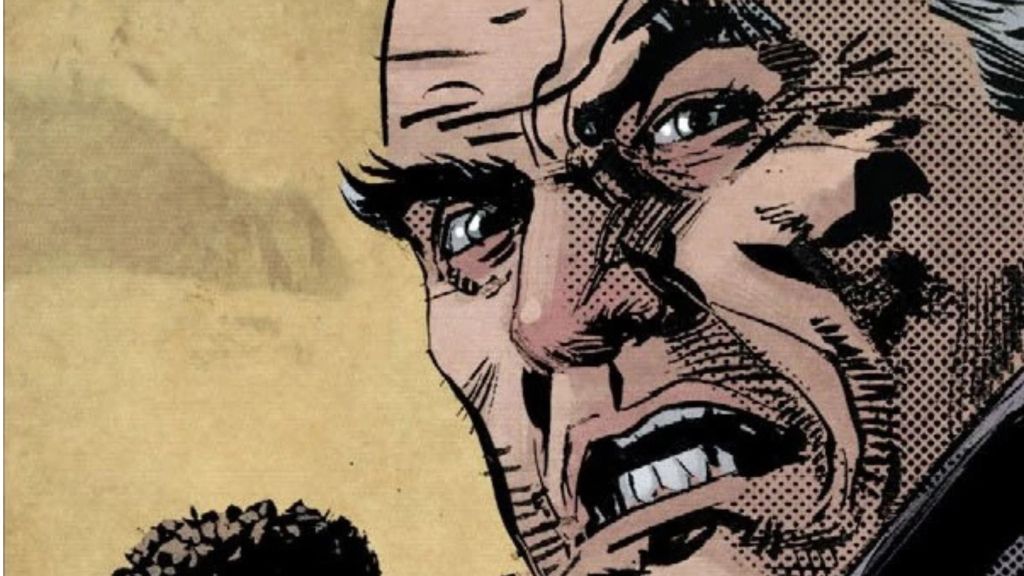
Rupert Thorne debuted in Detective Comics #469 (1977) by Steve Englehart and Walt Simonson. He was a corrupt Gotham councilman and crime boss, a political villain who weaponized public office against Batman rather than a costumed rogue. He was a central player in the landmark “Strange Apparitions” arc (Detective Comics #469-479, 1977-78), where he was pulling strings behind Doctor Phosphorus and pressuring the City Council to declare Batman an outlaw
In one of the best moments for Thorne, he kidnapped and tortured Hugo Strange to extract Batman’s secret identity. However, Strange died without ever giving up the identity, and Thorne ended up haunted by Strange’s “ghost.” He was the template for later comic book stories where organized crime members ended up holding positions of political power and used that to turn society against heroes. This entire Englehart and Marshall Rogers (who replaced Simonson) run was what influenced Batman: The Animated Series.
7) Hugo Strange
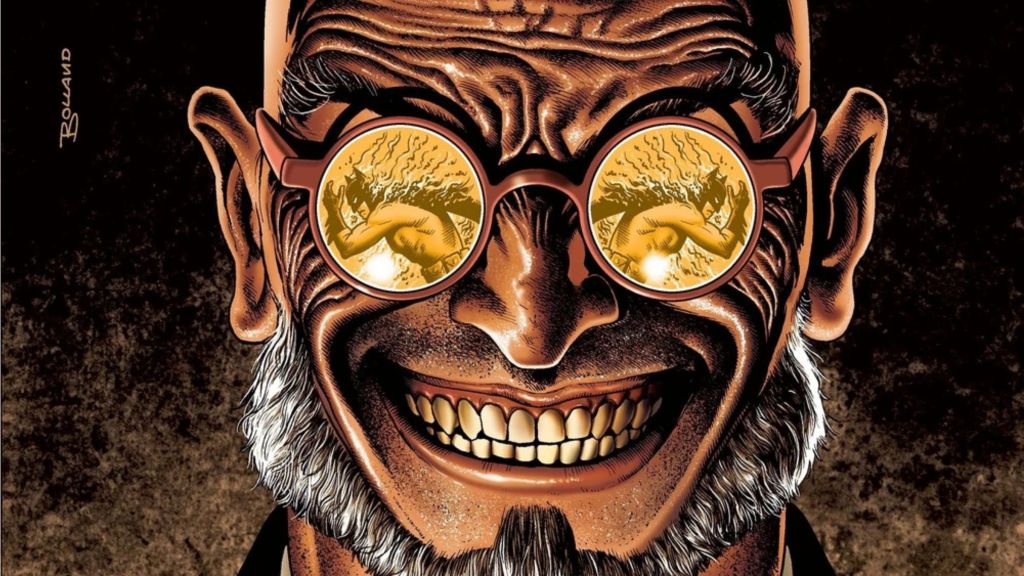
Hugo Strange debuted early in Batman’s career, making his first appearance in Detective Comics #36 (1940) by Bill Finger, Bob Kane, and Jerry Robinson. He was one of Batman’s very first recurring villains, predating both the Joker and Catwoman by months. He was an early-era mad scientist who used asylum patients mutated into giants with a growth hormone. However, he became one of the most important villains of the 1970s because he deduced Batman’s secret identity
This was in the “Strange Apparitions” arc (Detective Comics #469-479, 1977-78), where Bruce Wayne checked into the hospital to recover from radiation burns sustained while fighting Doctor Phosphorus. Hugo Strange realized his identity and then tried to auction it off to the Joker, the Penguin, and Rupert Thorne. However, Thorne wanted it for free and kidnapped Strange to demand the reveal. Strange died rather than giving it up for free. This was considered one of the first long-form narratives in Batman comics, and it raised Strange into an A-list threat.
6) Talia al Ghul
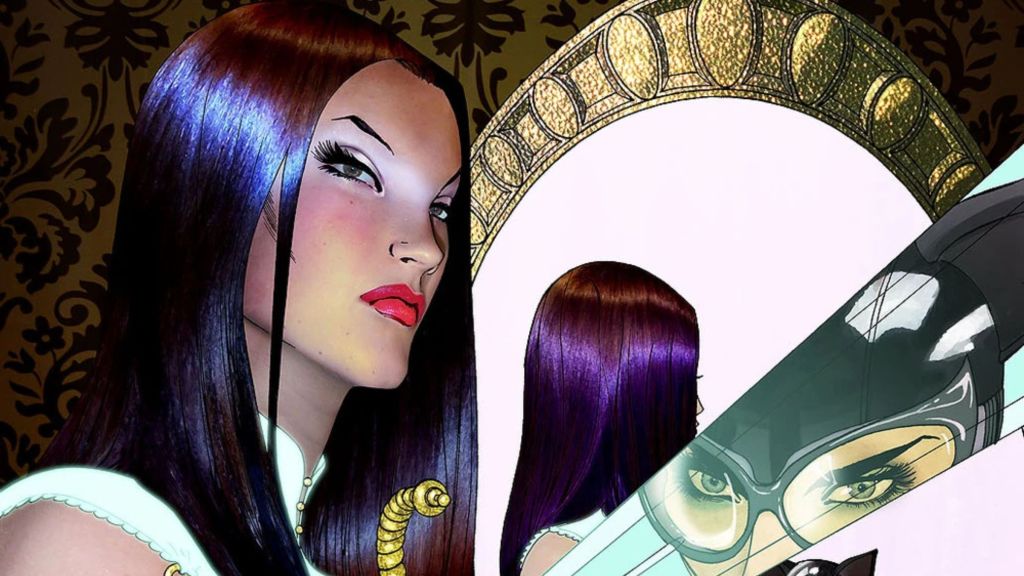
Talia al Ghul debuted in Detective Comics #411 (1971) by Denny O’Neil and Bob Brown. The story was “Into the Den of the Death-Dealers,” and her first appearance saw Batman rescuing her from the League of Assassins. At the story’s end, she shoots and kills Dr. Darrk to save Batman’s life, establishing her as the morally divided adversary from the start. Talia’s importance was revealed in Batman #232 (1971), where it was revealed she loved Batman and that her father engineered events to test him as a worthy heir.
She is one of the most enduring female figures in the Batman mythos, simultaneously a love interest and an antagonist, torn between Batman and her father, Ra’s al Ghul. Of course, her biggest legacy is her son, as Damian Wayne is the child of her and Batman. This was shown in the non-canon graphic novel Batman: Son of the Demon (1987) by Mike W. Barr and Jerry Bingham, and reworked in Grant Morrison’s Batman and Son (2006)
5) Black Spider
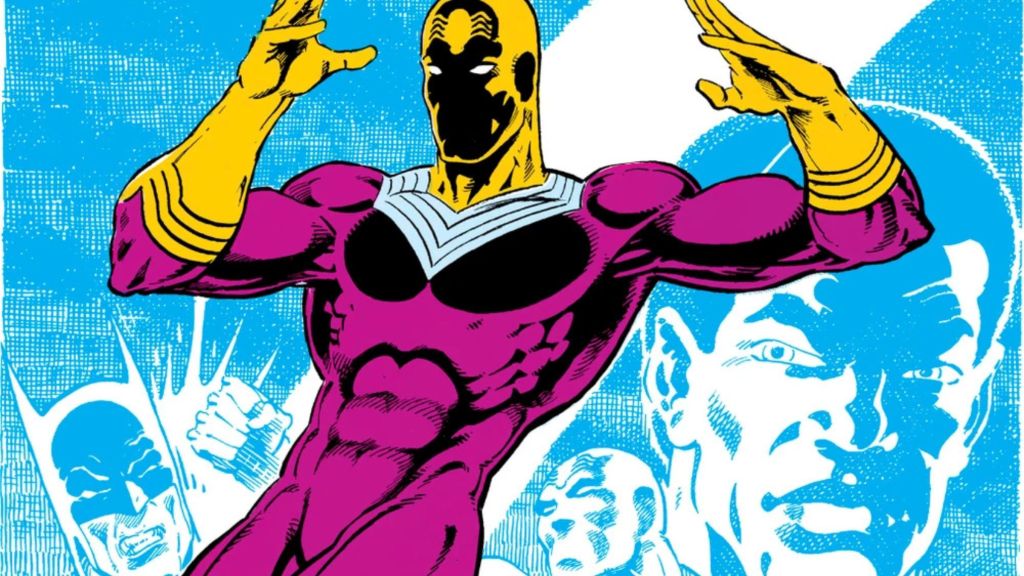
Black Spider debuted in Detective Comics #463 (1976) by Gerry Conway and Ernie Chan. His secret identity is Eric Needham, a small-time crook and heroin addict who accidentally kills his own father during a robbery, then reinvents himself as a costumed vigilante. This was a huge moment in DC Comics, as he couldn’t exist when the Comics Code banned stories about drugs in comics. After it was revised in 1971, DC was able to use drugs like heroin to explain villains like Black Spider
He was a lethal dark mirror of Batman. He targeted drug dealers with guns and explosives, believing he and Batman shared a goal, while Batman rejected his kill-first methods. He was one of DC’s early Black costumed characters of the Bronze Age, emerging from a socially conscious, street-level crime ideal rather than sci-fi or fantasy. His significance for the decade was that he embodied the “lethal vigilante vs. Batman’s code” debate that would dominate later eras, something Red Hood would later represent.
4) Doctor Phosphorus
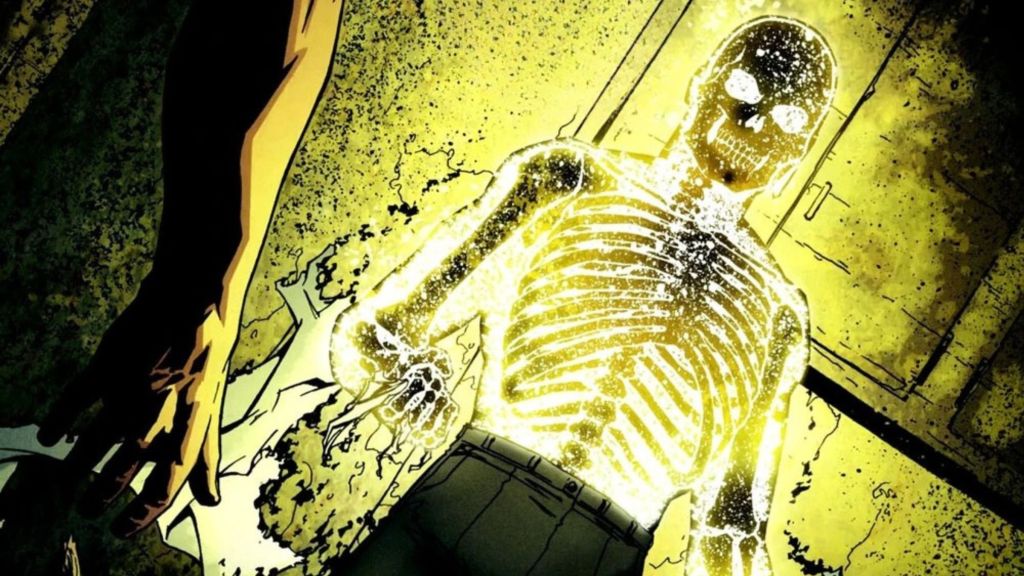
Doctor Phosphorus debuted in Detective Comics #469 (1977) by Steve Englehart and Walt Simonson, the same issue that Rupert Thorne first appeared in. He was Dr. Alexander James Sartorius, a member of the Tobacconists’ Club. He was transformed when sand irradiated in his own Gotham nuclear plant meltdown mutated him. He was then moved up one element, from silicon to phosphorus. In the 1970s, he set out to kill as many people as possible
He soaked himself in the Gotham Reservoir to poison the city’s water supply, sickening residents in a mass-casualty Phosphorus Plague attack. Batman barely sealed the system before hundreds of thousands died. His defining trait is that his body is transparent and skeletal, with his skin continuously burning away from internal radioactive heat, so his glowing bones cast an eerie phosphorescent light. In the 1970s, he worked directly with Rupert Thorne in an attempt to villainize Batman
3) The Joker
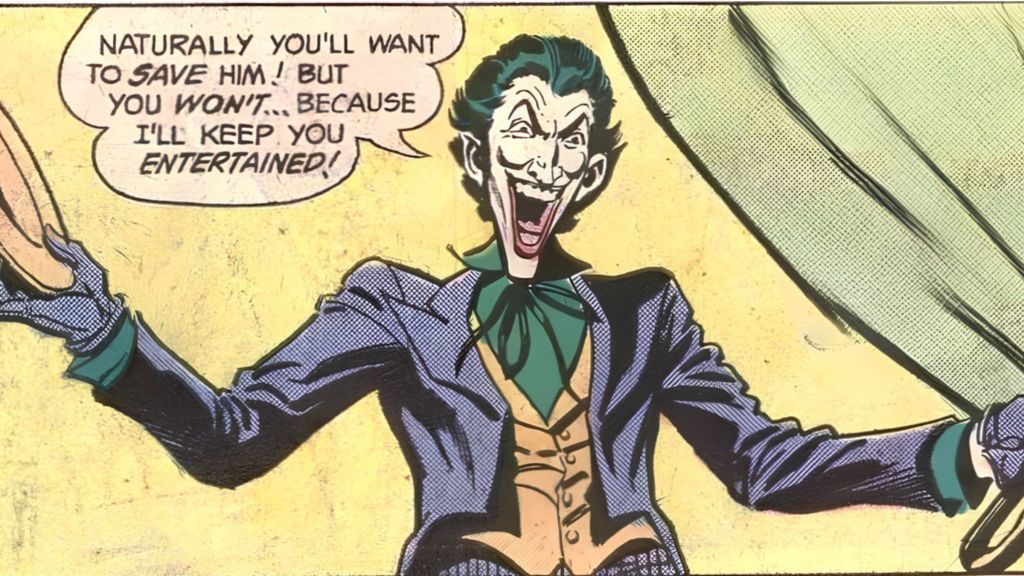
Joker is one of the most famous and deadly Batman villains in history. Joker made his debut in Batman #1 (1940) by Bob Kane, Bill Finger, and Jerry Robinson. He made his Silver Age debut in Batman #97 (1956), but it was in the 1970s that he received a decade-defining reinvention in Batman #251, “The Joker’s Five-Way Revenge” (1973) by Denny O’Neil and Neal Adams. He mostly disappeared after the Batman TV show until this point, and this story reinvented him as the homicidal maniac he was in his Golden Age appearances.
This story saw the Joker escape from an asylum, where he methodically hunted down and murdered the five former gang members he blamed for betraying him. Only Batman could stop the killing spree. In 1975, the Joker became the first comic-book villain ever to headline his own ongoing title, The Joker, which ran nine issues. A more ridiculous Joker story arrived with “The Laughing Fish”/”Sign of the Joker” in Detective Comics #475-476 (1978) by Steve Englehart and Marshall Rogers
2) Man-Bat
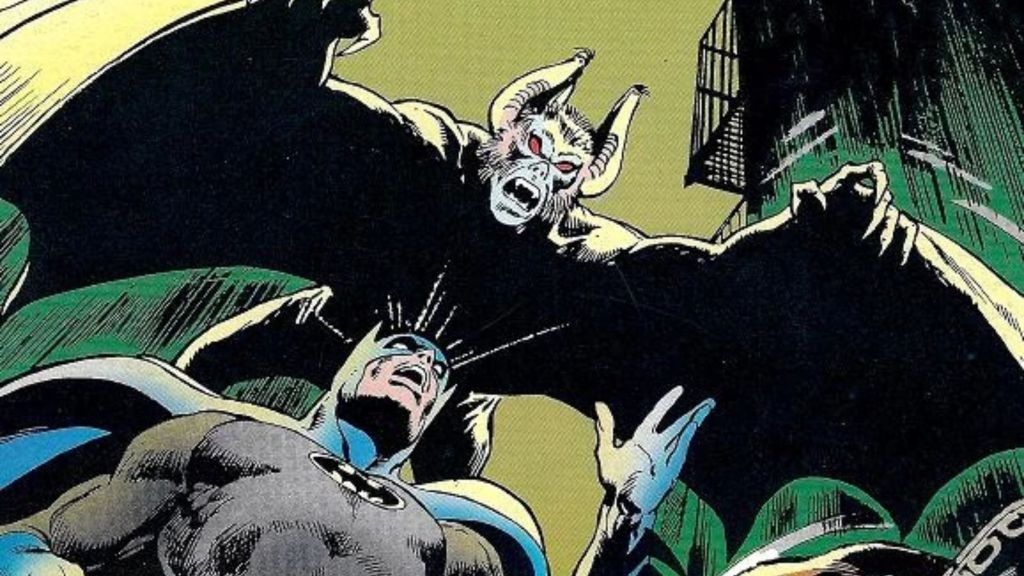
Man-Bat debuted in Detective Comics #400 (1970) by Frank Robbins and Neal Adams. Dr. Kirk Langstrom was a zoologist specializing in bats. In an attempt to become a hero like Batman, he drank his own extract meant to give humans bat-like sonar. However, instead of gaining the powers, it mutated him into a feral half-bat creature acting on pure instinct. Man-Bat was the first major all-new Batman villain of the 1970s, a brand-new rogue launching the decade in a landmark anniversary issue rather than a revived Golden Age foe.
He’s the era’s key example of the sympathetic monster, a tragic villain cursed by his own science rather than a criminal mastermind, pointing Batman’s rogues toward moral complexity. He is someone who never wanted to be a villain and was someone whom Batman always tried to save and cure, rather than attack and arrest. He was spun off into his own Man-Bat title in 1975-76, but it was canceled after only two issues. He progressively became a sympathetic anti-hero, and this played over into movies, animation, and games.
1) Ra’s al Ghul
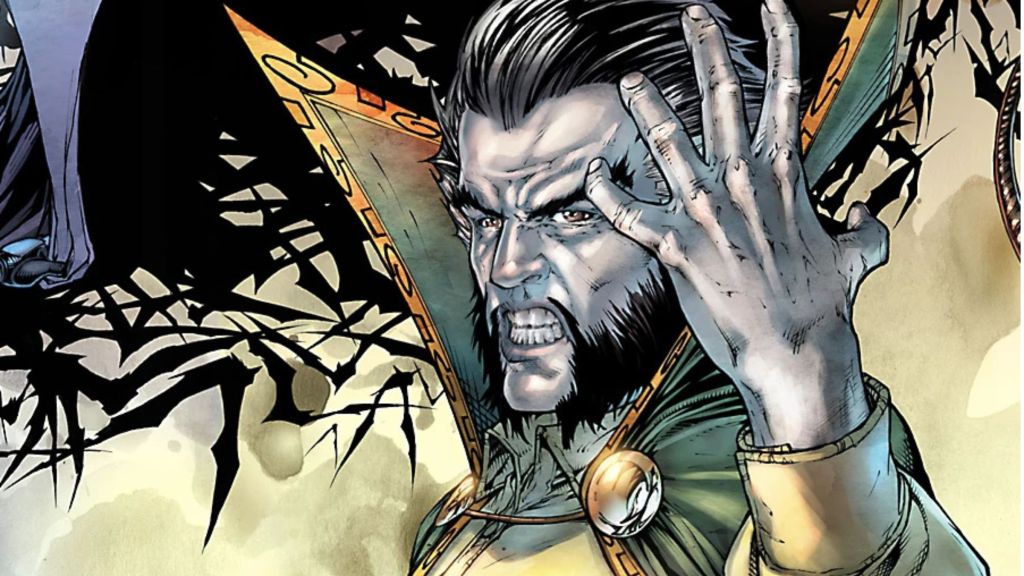
Ra’s al Ghul first appeared in Batman #232 (1971) by Denny O’Neil and Neal Adams. The story was “Daughter of the Demon,” and he arrived after already realizing Batman was Bruce Wayne. He recruited him to help find and rescue his kidnapped daughter, Talia al Ghul. The entire mission was a test of Batman’s worthiness as a possible heir and son-in-law. He then became a long-recurring Batman villain thanks to his signature Lazarus Pits, which grant him centuries of life and resurrection from death.
His decade-defining saga is “The Demon’s Quest,” running through Batman #232, #235, #242, and finishing in #243-244, a globetrotting O’Neil/Adams epic praised for its serialized scope. He’s one of the very few Batman villains to know Batman’s true identity yet keep silent out of genuine respect, a uniquely honorable, worthy-adversary dynamic O’Neil deliberately built. He also became popular thanks to his role in Batman Begins, the Christopher Nolan film that started The Dark Knight Trilogy.
What do you think? Leave a comment below and join the conversation now in the ComicBook Forum!
10 Most Iconic Wonder Woman Villains of All Time, Ranked by Importance
