

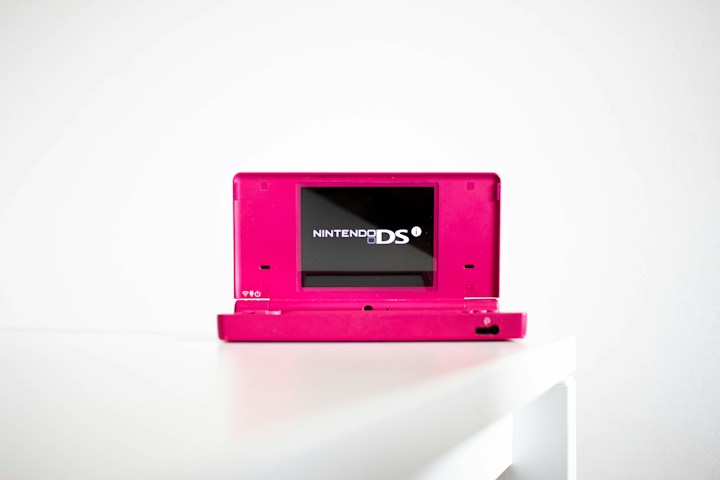
Between dual-screen experimentation and pocket-sized console power, the mid-2000s gave us portable magic we will never see again
ByMatthew APublished a day ago•3 min read
1
Photo byDenise JansonUnsplash
Today, portable gaming is defined by powerhouse hybrids like the Nintendo Switch and the Steam Deck. You can play massive, console-quality blockbusters on a train or in bed without compromise. Technically, handheld gaming has never been better.
Yet, if you grew up in the mid-2000s, it is hard to shake the feeling that something irreplaceable was lost when smartphones and hybrid consoles took over. Between 2004 and 2011, the battle between the Nintendo DS and the PlayStation Portable (PSP) created a golden age of portable play—an era defined by fearless experimentation, distinct game libraries, and pure pocket-sized magic.
Two Completely Different Philosophies
What made the DS versus PSP rivalry so electric wasn’t just competition; it was that the two machines represented wildly different visions of what a handheld could be.
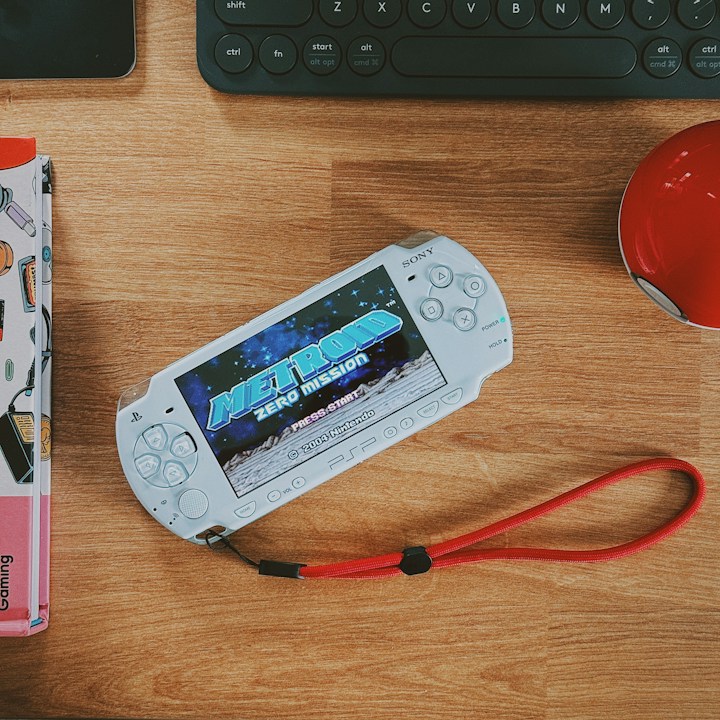
Sony’s PSP was a sleek, futuristic marvel. With its wide, glossy screen and UMD discs, it promised a true home-console experience in your hands. Playing Grand Theft Auto: Liberty City Stories, Crisis Core: Final Fantasy VII, or God of War: Chains of Olympus on a bus felt like smuggling contraband from the future. It wasn’t just a gaming device, either—it played MP3s, stored photos, and let you watch full-length movies on tiny discs.
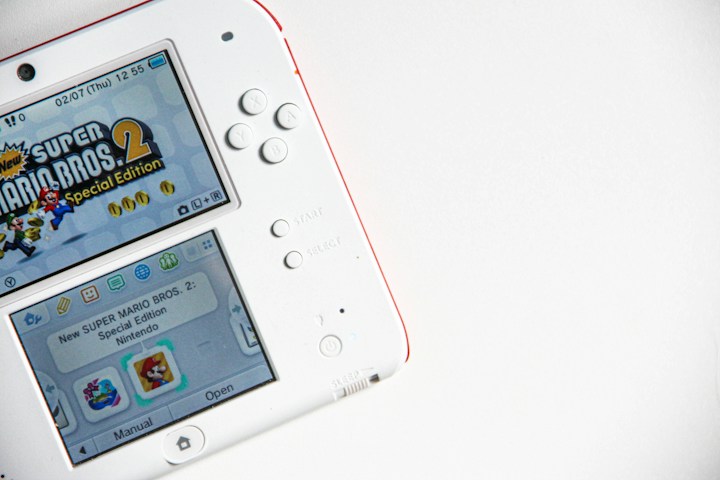
Nintendo took the exact opposite route. Instead of chasing raw horsepower, the Nintendo DS bet everything on novelty. With two screens, a resistive touchscreen, a built-in microphone, and a clamshell hinge that snapped shut with a deeply satisfying click, it invited developers to rethink how games were played from the ground up.
Games Built Specifically for Life on the Go
In the modern hybrid era, portable games are usually just home-console games shrunk down to a smaller screen. That means three-hour cutscenes, tiny unreadable text, and mechanics designed for a living room couch.
During the DS and PSP era, developers built games specifically around the rhythms of portable life. Games were designed to be picked up for ten minutes between classes or played for five hours on a family road trip.
On the DS, that meant unforgettable, tactile experiences you couldn’t replicate anywhere else. You screamed “Objection!” into the microphone in Phoenix Wright: Ace Attorney, drew paths on the touchscreen in The Legend of Zelda: Phantom Hourglass, and trained your brain in bite-sized bursts with Brain Age. Meanwhile, the PSP delivered streamlined, punchy versions of PlayStation classics alongside portable-first masterpieces like Patapon and LocoRoco, which turned rhythm and tilt mechanics into pure joy.
The Magic of Local Wireless Play
Before online matchmaking dominated every corner of gaming, the DS and PSP turned physical proximity into a playground.
With DS Download Play, only one kid on the school bus needed to own a copy of Mario Kart DS for up to eight people to race together wirelessly. In Japan—and eventually across the globe—Monster Hunter Freedom Unite on the PSP turned coffee shops and living rooms into bustling hunting lodges, where friends sat shoulder-to-shoulder shouting strategies in real time.
You didn’t need a Wi-Fi password, a monthly subscription, or a headset. You just flipped open your console, searched for nearby players, and connected.
No Updates, No Microtransactions, Just Pure Focus
Perhaps the sweetest part of that era was its simplicity. When you slid a DS cartridge into the slot or clicked a UMD into the back of a PSP, the game just started. There were no 40-gigabyte day-one patches, no account logins, and no pop-up ads begging you to buy digital currency.
Your handheld wasn’t a distraction machine pinging you with text messages and social media alerts like a smartphone. It was a dedicated escape hatch. When you opened that clamshell or slid that power switch, you were entirely inside another world.
A Lightning-in-a-Bottle Era
Modern handhelds are marvels of engineering, and we are lucky to have them. But the mid-2000s gave us something technology can never quite recreate: a moment when portable hardware was weird, daring, and unapologetically built for fun. Whether you were furiously tapping a stylus or guarding your UMD discs like treasure, the DS and PSP era proved that the best gaming experiences don’t need the biggest screens—just the biggest imagination.
Editor’s Note: This article was co-created using AI assistance from Google AI for drafting and research structure, in compliance with Vocal’s community standards
About the Creator
Matthew A
Matthew is the author of Battles of the Pacific War 1941-1945. Battles of the Pacific War is available on Amazon and Lulu in e-book and paperback formats. Check out the book’s blog at battlesofthepacificwar.blogspot.co.uk.
Enjoyed the story?Support the Creator.
Reader insights
Share your insights about this piece.
How does it work?
Add your insights
Written byMatthew A
1
