

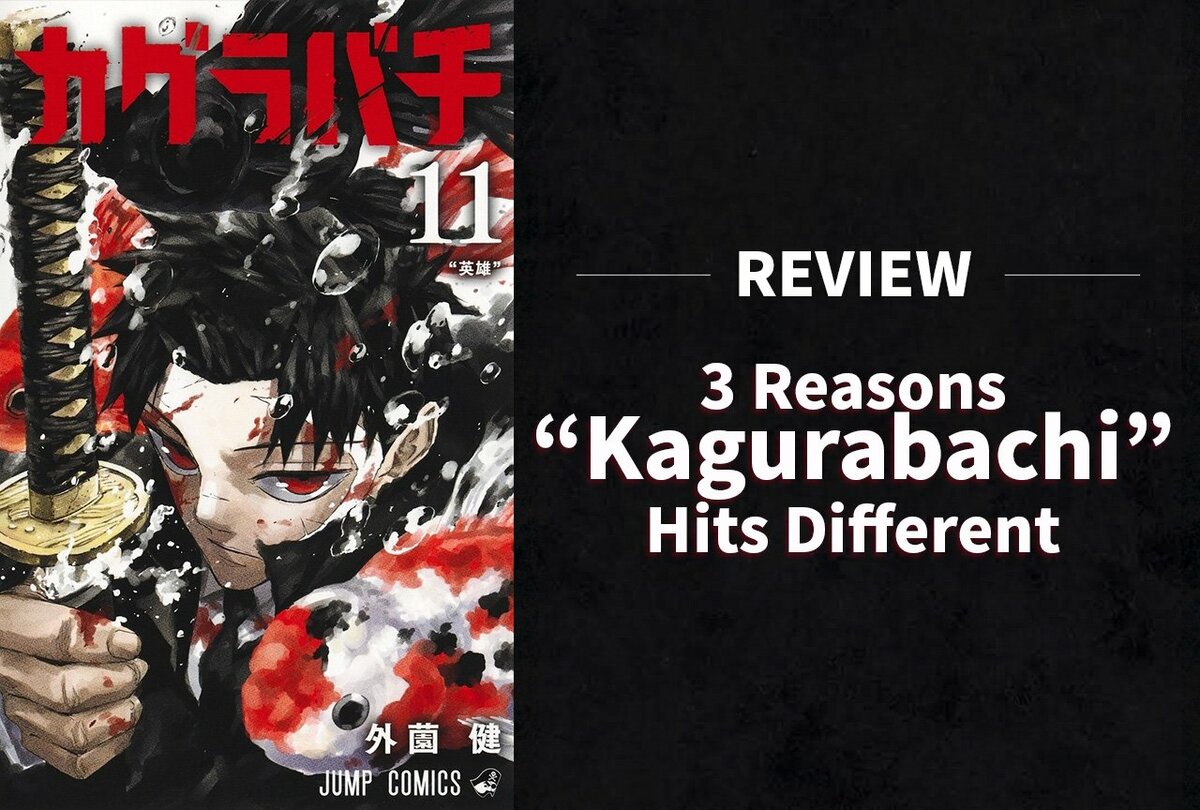
Takeru Hokazono’s “Kagurabachi” has taken the manga world by storm, racking up over 4 million copies in circulation through its serialized run in “Weekly Shonen Jump.” The sword-fighting action epic follows Chihiro Rokuhira on a blood-soaked quest for revenge against the sorcerer organization Hishaku to avenge his legendary swordsmith father and reclaim stolen Enchanted Blades. With an anime adaptation officially locked in for April 2027, the global phenomenon’s dynamic art style and dark aesthetic are drawing more eyes than ever. Here is a look into three core elements that make the series so undeniably cool.
Note: This article contains minor spoilers for the manga.
Forged in Doubt: Moving Forward When the Path Isn’t Clear
Chihiro, the series’ protagonist, steps into a brutal world of combat wielding “Enten”—the Enchanted Blade left behind by his father, the revered swordsmith Kunishige Rokuhira—to avenge his murder.
Inheriting Kunishige’s core belief to “destroy evil and protect the weak,” Chihiro adopts this principle as his sole reason for taking up the sword. This resolve shines clearest on the battlefield: while he shows zero mercy to villains who harm the innocent, he will readily risk his own life to shield civilians.
But what makes Chihiro truly compelling—and “cool” in a modern sense—is that he isn’t a mindless killing machine. At 18 years old, he is a young man who struggles with the weight of his choices. Despite his stoic exterior, he possesses a profound kindness that often leads him to prioritize others over himself. Watching him navigate his internal conflicts and vulnerabilities while forcing himself to step forward is what makes him so magnetic to the audience.
As the story unfolds, Chihiro’s resolve is tested repeatedly. He finds himself questioned on the ethics of continuing to wield an Enchanted Blade and forced to make impossible choices—like whether he could cut down a comrade’s family member if they turned out to be evil.
Each time his heart wavers, Chihiro refuses to look away from the harsh reality of his situation. He takes the hits, listens to the guidance of those around him, and ultimately chooses his own path. It’s this grit—this willingness to keep moving despite the doubt—that truly strikes a chord with readers.
This isn’t limited to Chihiro, either. “Kagurabachi” is filled with characters who clash while carrying their own heavy burdens and beliefs. It is precisely their human ways of living—flawed, resolute, and authentic—that draw us in and keep us hooked.
The Heat of Battle: Where Beliefs and Blades Collide
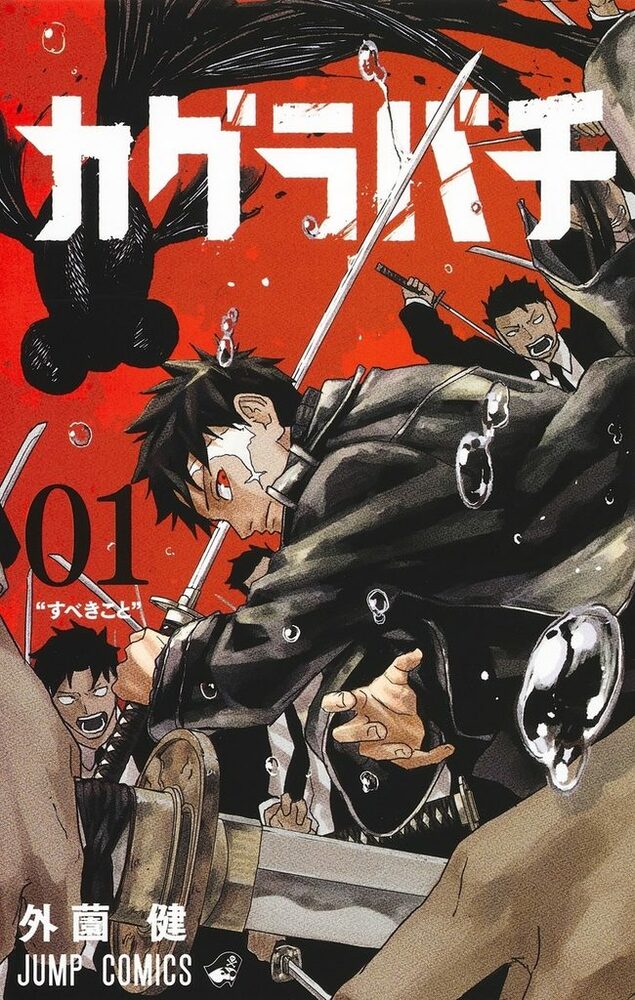
What makes the action in Kagurabachi so captivating is how character conflicts unfold during battle. The tension is palpable, the choreography is visceral, and the combination of swordsmanship and sorcery creates a cinematic experience that leaves readers breathless.
However, the reason these fights resonate so deeply isn’t just the flashy art—it’s the ideological friction. Every major battle is a head-on collision of conflicting values.
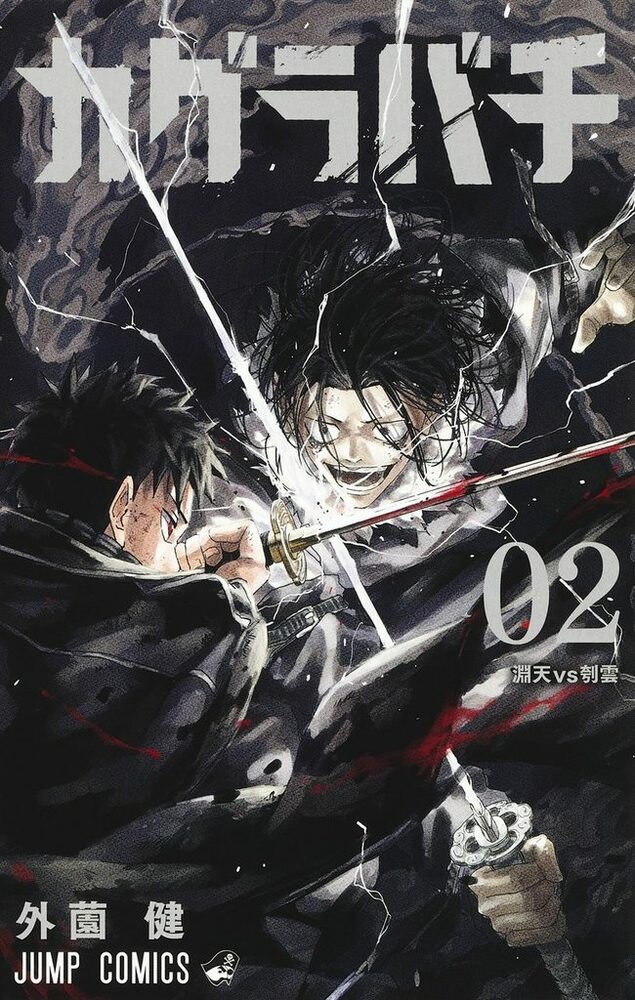
The most iconic example of this is the showdown between Chihiro and Genichi Sojo. Sojo is a black-market arms dealer and the wielder of the Enchanted Blade Cloud Gouger (Kuregumo). Like Chihiro, he holds a twisted form of respect for Kunishige, but his philosophy is the polar opposite: he believes Enchanted Blades exist solely for the purpose of slaughter.
Though they hold the same weapons, the world looks completely different to each of them. This isn’t a simplistic moral battle of good versus evil; it is two individuals refusing to compromise, trading blows in a dialogue through steel. Through every spark and every slash, the story asks:Why do you fight? What do you value most?
This emotional weight transforms the action. The battles become more than visually stunning fights—they carry a rare, unmistakable heat that resonates long after the blades are sheathed.
The Strength Found in Trusting Others
Another indispensable element of “Kagurabachi’s” core appeal is the profound strength that springs from trusting in others. While the series highlights individual resolve, it also beautifully illustrates how trusting someone else can give a person the strength to overcome their own anxieties.
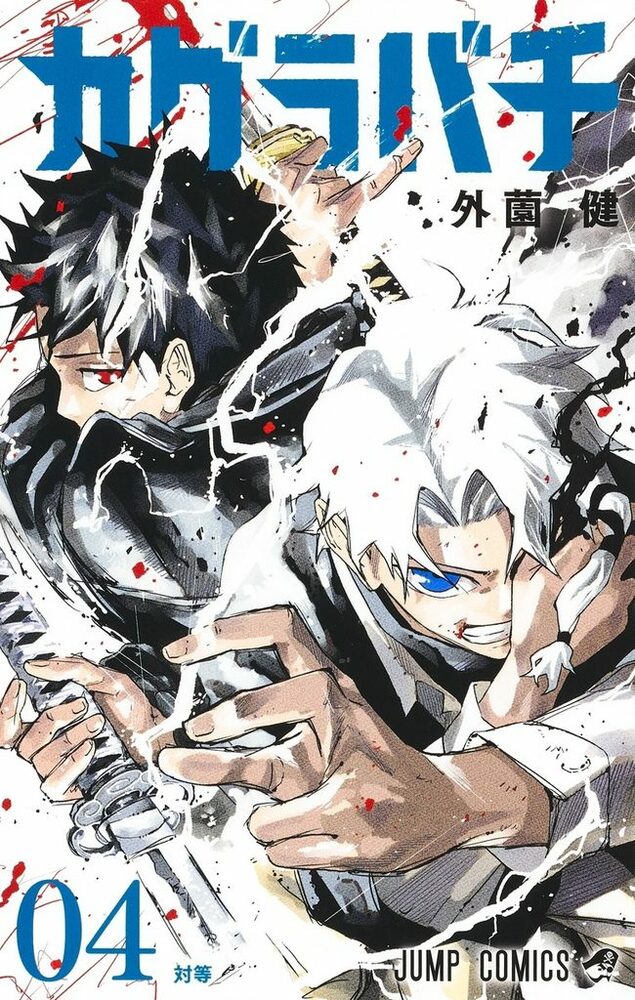
This is best seen in the relationship between Chihiro and Hakuri Sazanami. As the son of the head of the Sazanami family—the powerful syndicate behind the dark auction known as the Rakuzaichi—Hakuri ends up joining forces with Chihiro under a specific set of circumstances.
There are pivotal moments where Chihiro’s resolve falters, only for Hakuri’s words to act as the catalyst that pushes him back onto his feet. Despite how little time they’ve known each other, Chihiro recognizes the sincerity in Hakuri’s heart. That trust becomes the fuel Chihiro needs to believe in himself again.
Conversely, Hakuri transforms that trust into his own power. Wanting to live up to the faith Chihiro placed in him, Hakuri finds the courage to stand tall against the overwhelming walls of his own family legacy.
Believing in someone—and being believed in—is a force that moves people. Moving forward because you trust another, and striving to honor the hopes of someone who believes in you—the way Chihiro and Hakuri gain strength and face the future together carries a grounded, striking cool factor that is impossible to look away from.
Final Thoughts
Characters who push forward despite doubt and internal conflict, high-stakes battles where opposing convictions collide, and the profound strength born from mutual trust—the seamless convergence of these elements forms the signature allure that defines “Kagurabachi.”
As the series continues to captivate readers both in Japan and around the globe, the interwoven stories of these driven characters are set to reach even greater heights. Dive into the world of “Kagurabachi” and experience its unmatched cool for yourself.
*Some parts of this text have been translated using machine translation
