

Our parasocial relationships with movie stars are changing
Zendaya is part of a club of movie stars who are very, very busy this year. Yet, they’ve avoided over-exposure because our parasocial relationships with celebrities have changed.
This is a very good year for fans of Zendaya, Robert Pattinson, Anne Hathaway and Sandra Huller.
The four actors’ filmographies are packed with new releases, the volume of which is almost unheard of. Between them, they have 19 film credits and one show in 2026.
In Zendaya’s column is The Drama, The Odyssey, Spider-Man: Brand New Day, the third season of Euphoria and the upcoming Dune: Part Three. Pattinson was also in The Odyssey, The Drama, Dune: Part Three and Primetime.
Get the first look at the digital newspaper, curated daily stories and breaking headlines delivered to your inbox.
Hathaway’s quintology consisted of The Devil Wears Prada 2, Mother Mary, The Odyssey, The End of Oak Street and Verity. Huller, the Oscar-nominated German actor, had six credits – Project Hail Mary, Digger, Fatherland, Rose, documentary Ingeborg Bachmann, and a just-revealed cameo in the upcoming Avengers: Doomsday.
But it’s not just that they’re splashed across cinema and TV screens, it’s that all of these projects come with full-scale promotional campaigns beyond the two-hours-or-so runtime of the actual thing.
Instead, there’s Zendaya and Pattinson, arguing in a social media video over whether Spider-Man would kick Batman’s butt – Pattinson, ever the cheeky boy, reminds us he’s contractually obligated to disagree (he is Batman!) even though the Caped Crusader has no actual superpowers.
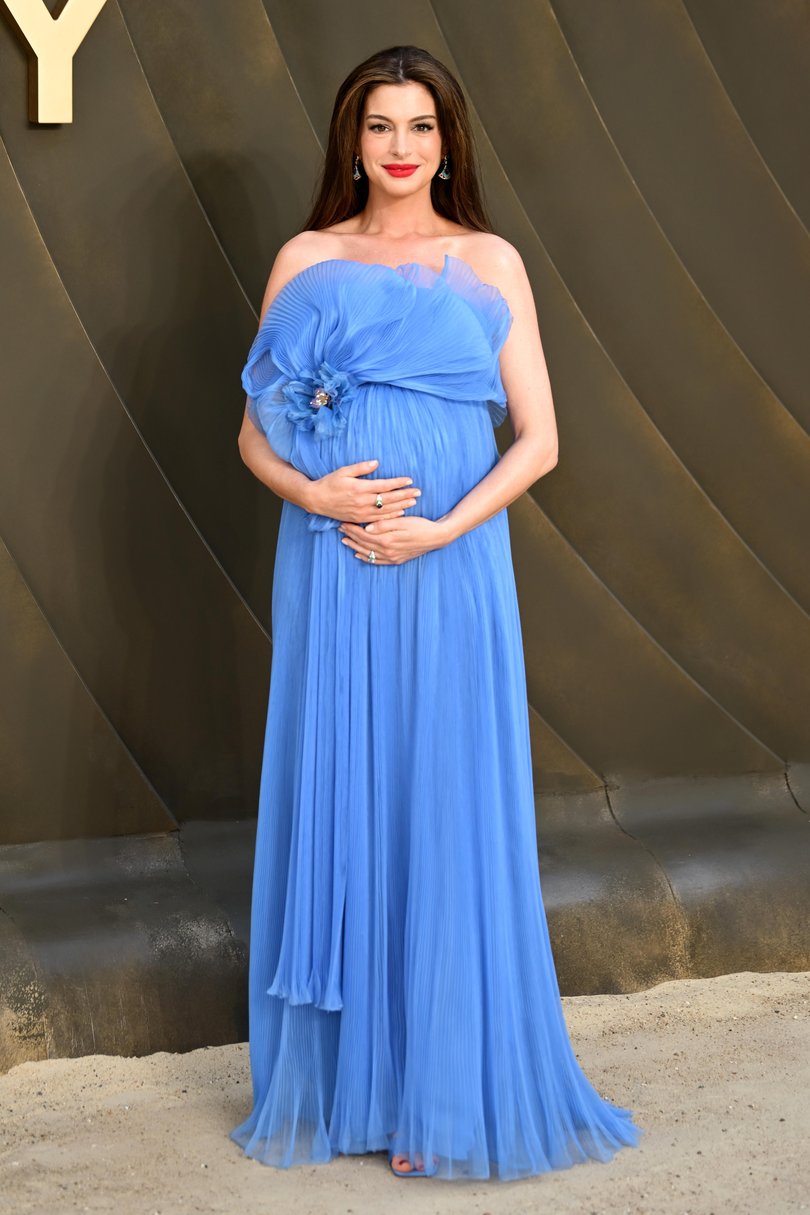
Or the very pregnant Hathaway marking the close her whiplash-busy promotional year by literally “vanishing” at the end of her last marketing video.
They’re everywhere, and yet there doesn’t seem to be a sense of over-exposure. Partly because they have professional teams who have carefully managed their “brands”, but also because the parasocial relationship between star and fandom has shifted.
When once Pattinson was beloved for his role of Edward in Twilight, and fans would see him as the sparkly vampire idol, even calling out “Edward!” rather than “Rob” at premieres, he is now assuredly famous for being himself.
There’s something in the breadth of roles he’s had this year, from the squirrelly villain in The Odyssey to playing real-life TV journalist Chris Hansen in Primetime, but thanks to social media promotional campaigns, celebrities are able to present themselves rather than their characters.
That’s not to say that who you see is who they are. It’s still a performance of sorts, a version of Robert Pattinson, famous actor, rather than Robert Pattinson, father, son, husband and Arsenal fan.
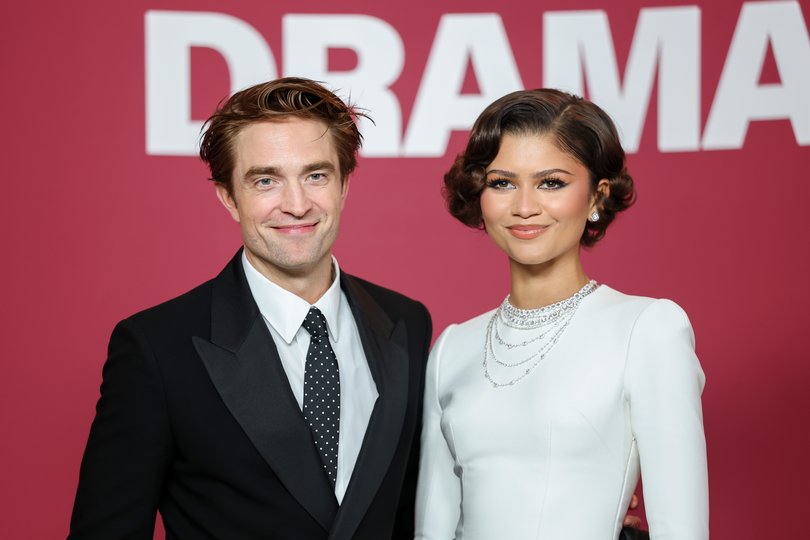
Still, there’s a consistency in his public appearances as this mercurial figure who says odd but charming things (like his insistence that he was Gen Z even though he’s now 40, which was met by Jennifer Lawrence’s very dubious reaction), and who always looks like he’s on the verge of spilling a secret.
That’s not mapped over a specific character he’s promoting, but a “character” that’s perhaps been created for public consumption.
Movie stars aren’t what they used to be. The traditional definition was a celebrity whose involvement in a film would sell tickets, so it didn’t matter what the movie was, what mattered was, for example, Robert Redford was in it.
Entertainment options have been fracturing for decades and now there are reams of platforms crying out for a viewer’s attention. In that world, the story, the intellectual property, or in the case of big-name directors such as Christopher Nolan, is the movie star, not an actor.
But they are still stars, it’s just the product is not the film or the series but the personality.
Zendaya is separately a bigger star than any of her films or shows, but she isn’t going to be the only reason someone buys a ticket to Dune: Part Three. There exists a disconnect between loving Zendaya and buying a ticket to something Zendaya is in.
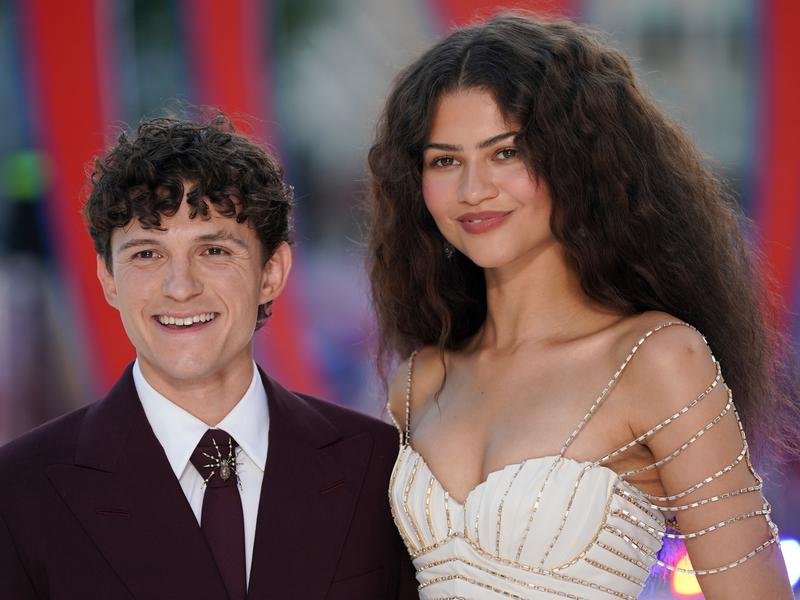
She is, however, the reason you might stalk her every red carpet move – she is famously very, very eye-catching at a premiere or awards show, and there are whole online universes dedicated to her collaborations with stylist Law Roach, now a famous person in his own right.
Or you might devour every hint she and Tom Holland might reveal of their life together, which, by the by, is very little.
You no longer need to see Spider-Man: Brand New Day (although plenty of people did) to get your fill of Zendaya.
The barrier to entry for a movie requires effort. It demands the cost of the ticket, the price of transport and snacks, and, most significantly, a time commitment. It has to be intentional.
A 90-second social media video is almost accidental. It pops up in your feed without you even looking for it, because your algorithm already knows you’re interested.
But the latent effect of those viral playing with puppies videos, celebrity guess who games and do you agree or disagree that English is the sexiest accent clips, is sustaining a parasocial relationship without needing to actually give anything.
It’s lazy fandom for the digital age.
It’s also why having four or five projects out in the same year avoids over-exposing a celebrity.
A celebrity’s fame has always been leveraged by studios, record labels and media to sell something else. Now, they’re selling themselves, intentionally or not.
It may not actually be what they want, plenty of actors grin-and-bear-it through the promotional cycle knowing that’s what it takes to generate conversation around what they actually want to do, which is to make more movies or TV shows.
But is the audience getting the message? What if they become more like social media friends than artists? That doesn’t really serve anyone.
