

Long before anyone walked on the Moon, toy makers had already been there. Tin robots marched off Tokyo assembly lines, ray guns sparked in Michigan, and plastic astronauts crewed bases that no space agency had yet drawn up.
Most of these toys were played with hard, then thrown away.
The survivors now trade among collectors at prices that would have baffled the parents who bought them. Values quoted here are rough 2026 estimates, and in this hobby the gap between a clean boxed example and a tired one can be enormous.
Masudaya Machine Man
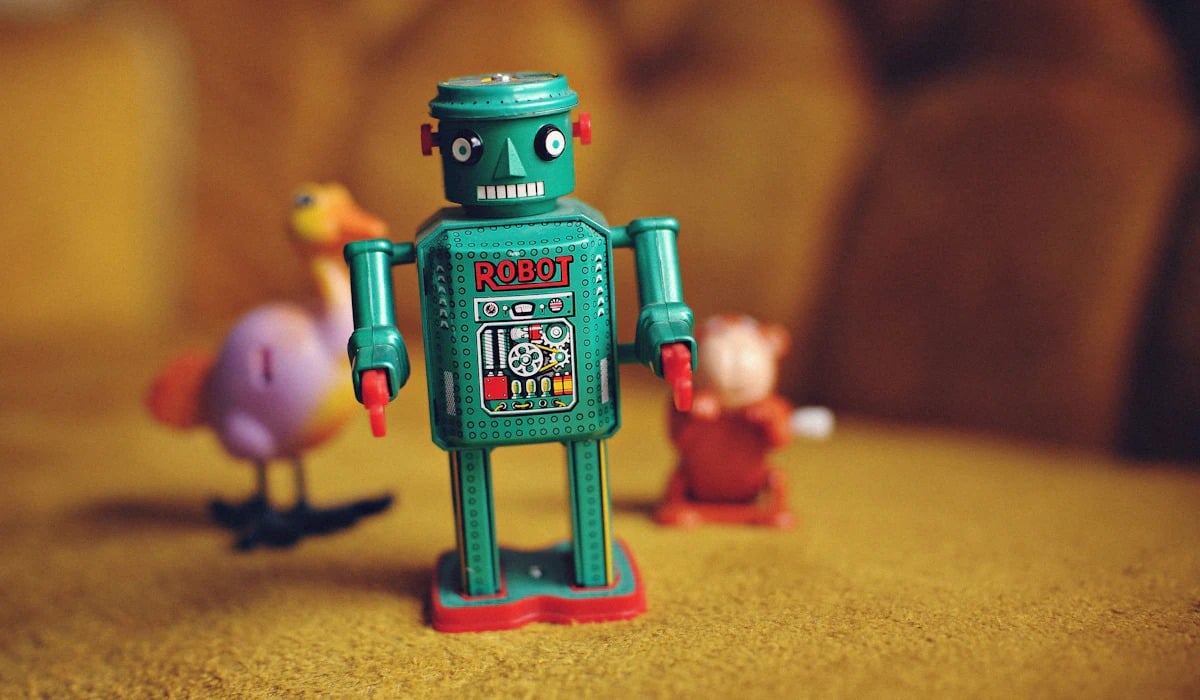
Masudaya of Tokyo, trading as Modern Toys, built five large skirted robots between the late 1950s and the mid-1960s that collectors later nicknamed the Gang of Five. Machine Man, made around 1960, is the scarcest of them, a red battery-powered figure roughly 15 inches tall, and probably fewer than a dozen survive.
An unboxed example brought about 86,000 dollars at Morphy Auctions in 2019, and a boxed one found in an attic reached about 160,000 dollars there in 2020. Any Machine Man offered today would likely be valued in the high tens of thousands at least, though buyers examine the paint, the battery compartment and the motor closely.
Radicon Robot by Masudaya
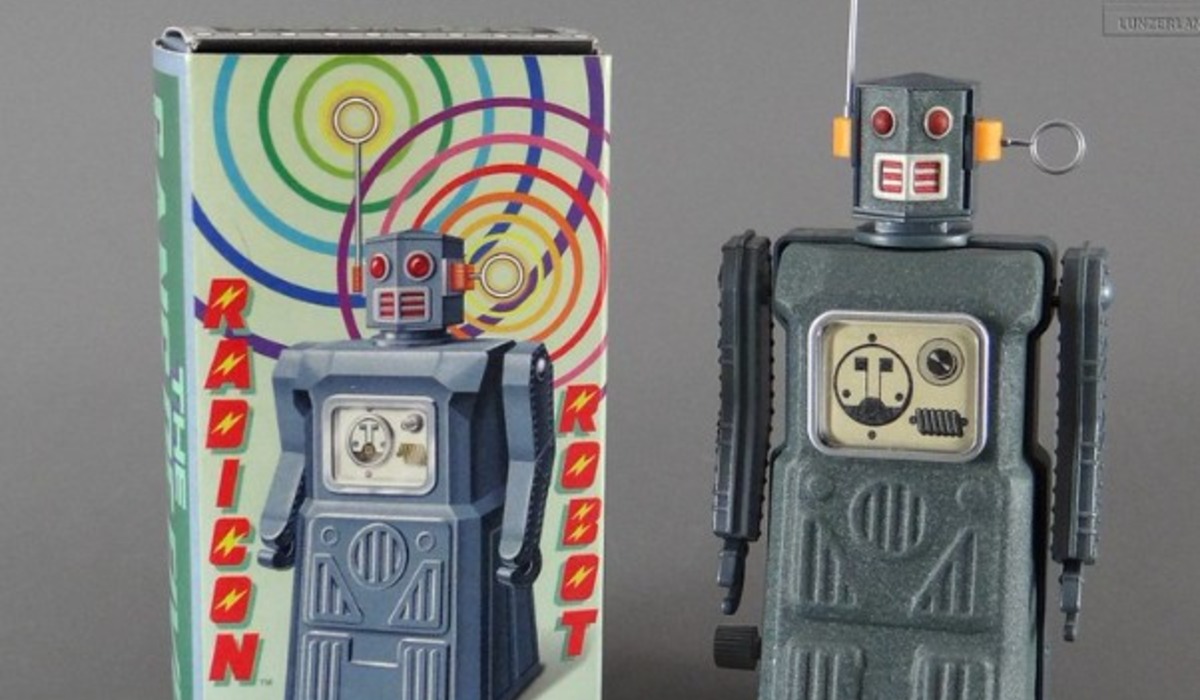
Often described as the earliest radio-controlled toy robot, the Radicon appeared in 1957 as the first member of the Gang of Five. It wears a textured gray finish and came with a separate transmitter box that steered the robot across the floor without a cable.
That control box is the problem for collectors, since many were lost or ruined by leaking batteries. Complete sets with a working transmitter and antenna often bring several thousand dollars, and a boxed example sold for about 15,600 dollars at Morphy Auctions in 2022, while a robot missing its controller sells for considerably less.
Corrosion inside the battery tray is the first thing an experienced buyer checks.
Nomura Mechanized Robot
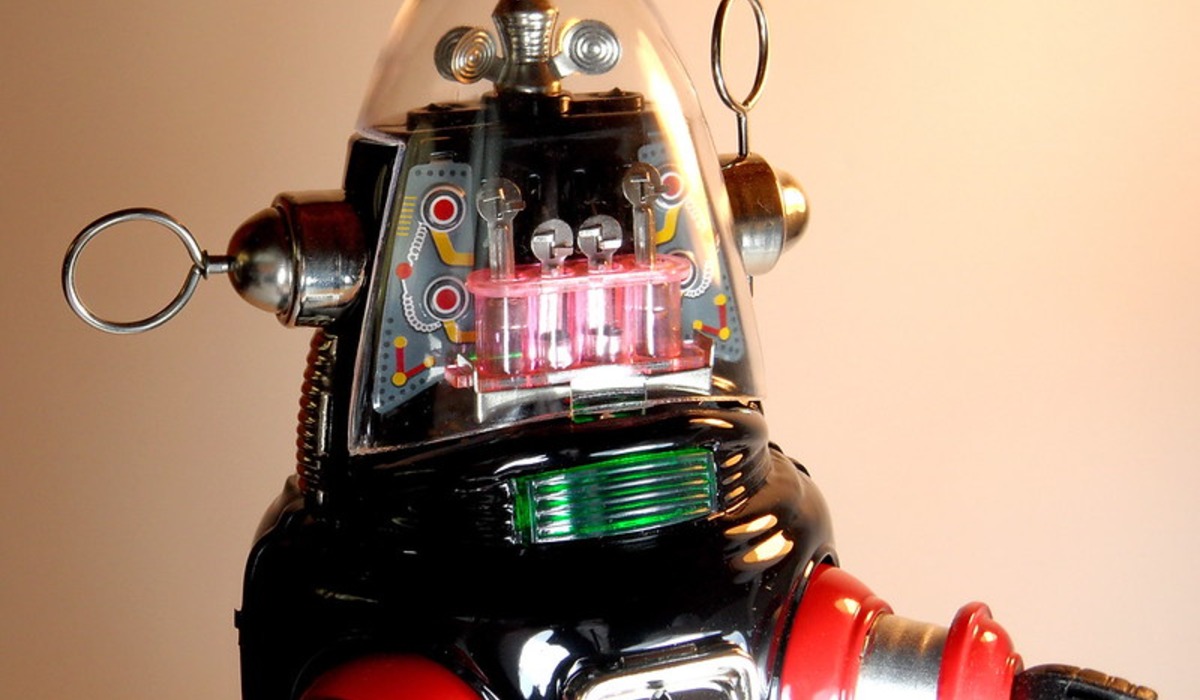
The 1956 film Forbidden Planet introduced Robby the Robot, and Nomura of Japan answered in 1957 with a tin lookalike it carefully named Mechanized Robot. The toy stands about 13 inches tall, walks on battery power and has small pistons that pump and light up under a clear dome.
Black is the usual color, and a silver version is much harder to find. Boxed examples in strong working order typically sell for about 1,500 to 4,000 dollars.
Modern reproductions exist, so originality of the dome, the antennae and the box matters as much as cosmetic condition.
Atomic Robot Man From Occupied Japan
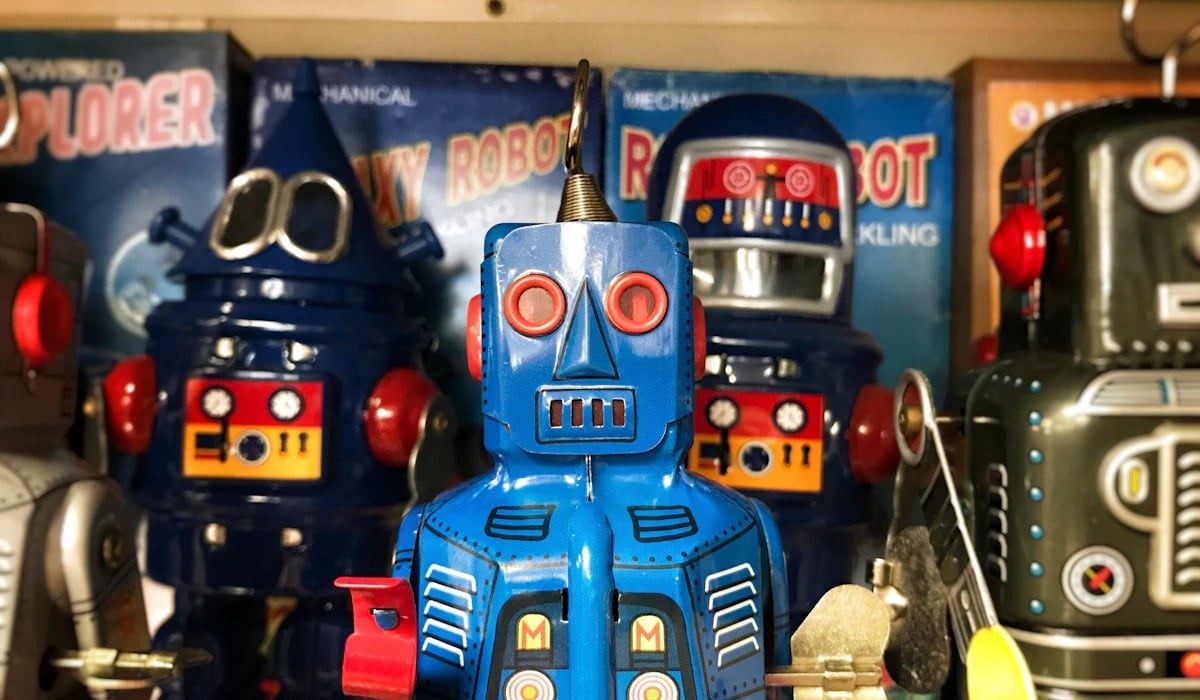
This five-inch clockwork robot dates to the late 1940s and is stamped Made in Occupied Japan, a marking that ended with the occupation in 1952. Its maker has never been firmly identified.
The box is the famous part, showing the robot striding through a city beneath a mushroom cloud, an image that says a great deal about the mood of the period. The robot itself is simple, a lithographed tin body that shuffles forward on pin feet when wound.
It was reproduced in the 1990s, and the copies are common. An original with its box often brings several hundred dollars to more than 1,000, and a loose one with rust or a broken spring far less.
Alps Television Spaceman
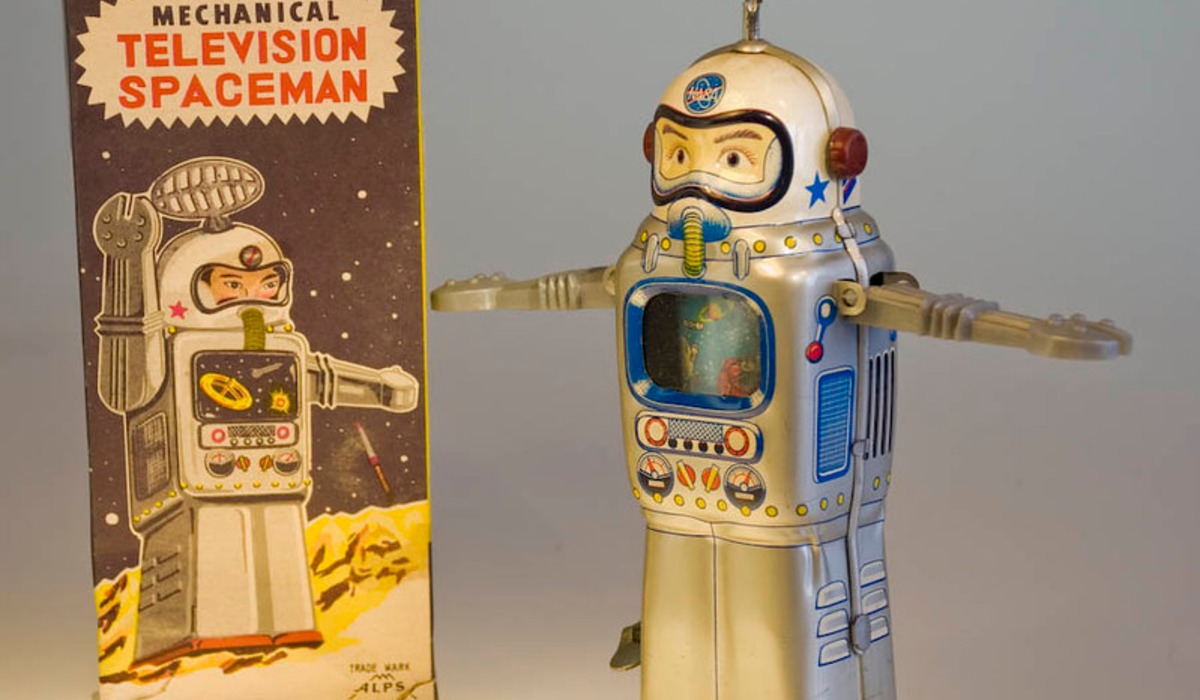
Alps Shoji of Tokyo gave its early 1960s astronaut robot a gimmick no rival had: a small screen in the chest that scrolls a lunar scene as the figure walks. An antenna spins on the helmet and the eyes rotate while the battery motor runs.
The toy stands a little over 14 inches tall and is built from lithographed tin with plastic parts. Working examples now typically sell for about 300 to 800 dollars.
The scrolling picture strip tears with age, and a Spaceman whose screen no longer moves is worth noticeably less than one that still puts on the full show.
Horikawa Rotate-O-Matic Super Astronaut
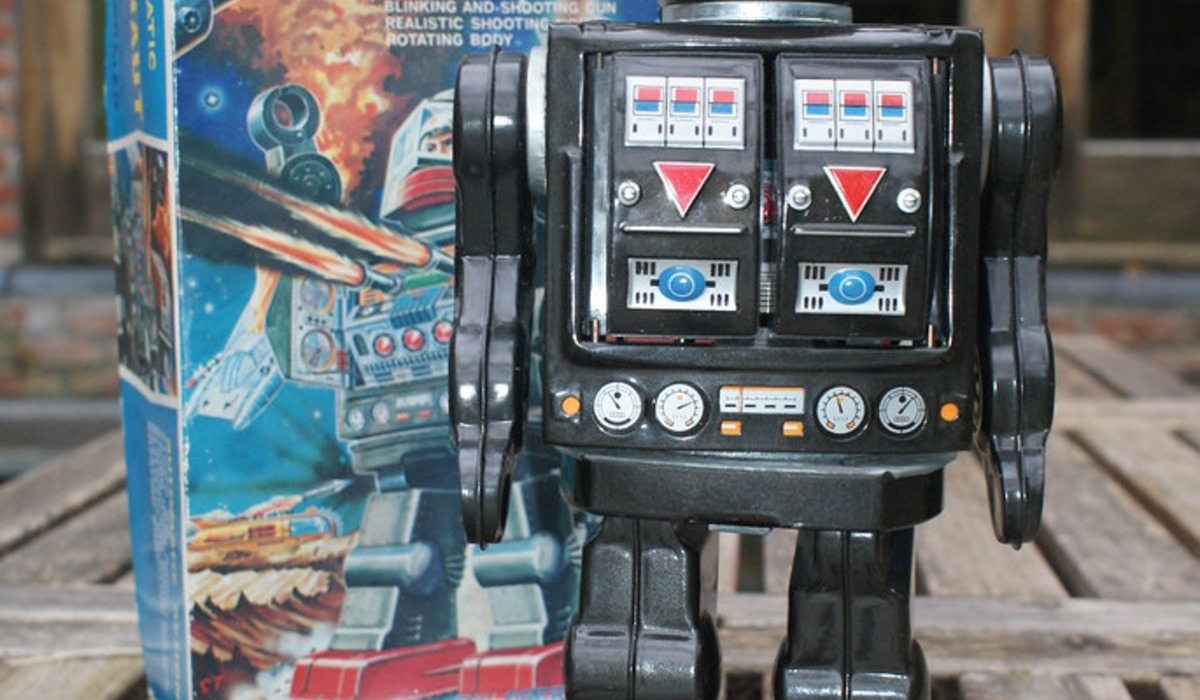
Horikawa, identified by the SH mark on its toys, turned out battery robots in huge numbers during the 1960s and into the 1970s. The Rotate-O-Matic Super Astronaut is the classic design: it walks, stops, swings open two chest doors and fires blinking guns while the upper body spins in a full circle.
Because so many were made, this is one of the more approachable tin robots for a new collector. Tin-bodied examples usually trade for about 100 to 300 dollars.
Later versions used more plastic and bring less, and stuck chest doors or a silent gun mechanism pull the price down further.
Ideal Robert the Robot

Ideal Toy Company launched Robert in 1954, and he is often credited as one of the earliest plastic toy robots made in America. He stands about 14 inches tall and is steered by a hand-cranked controller attached by a cable, with a second crank in his back that plays a short spoken greeting.
Robert sold in large numbers, which keeps prices reasonable. Loose examples commonly sell for about 100 to 300 dollars, and boxed ones for more.
The gray plastic cracks, the cable stiffens and the voice mechanism frequently fails, so a Robert that still talks is the one to find.
Daisy XZ-31 Rocket Pistol
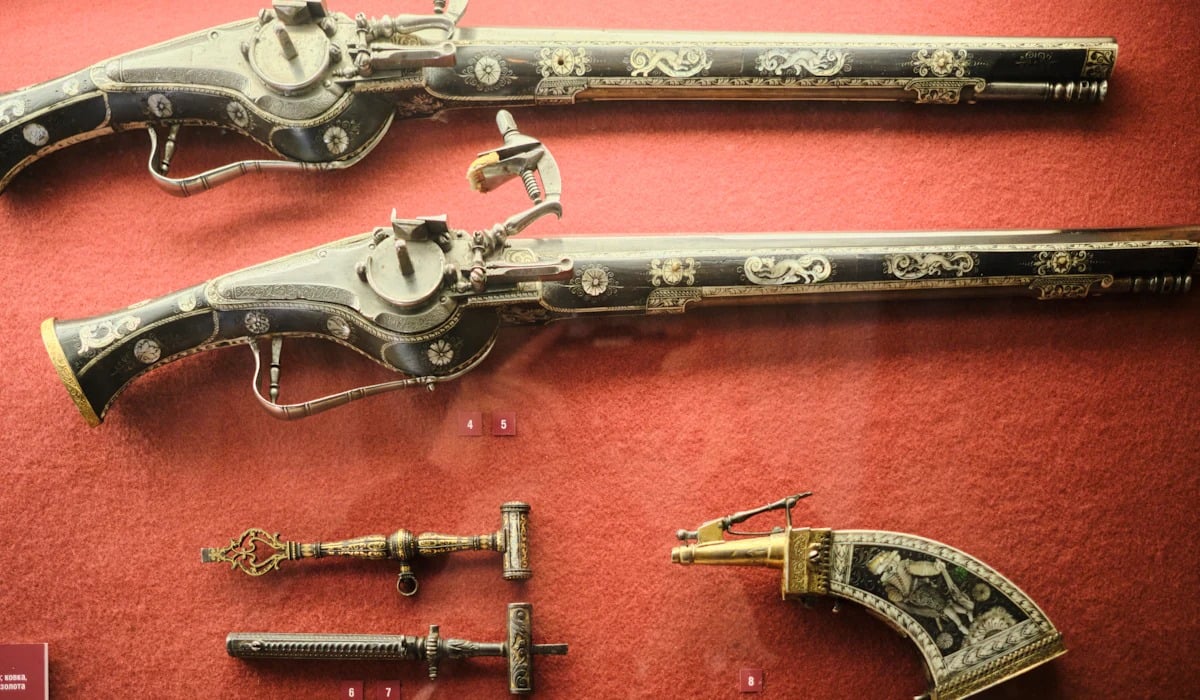
In 1934 the Daisy Manufacturing Company of Plymouth, Michigan, better known for air rifles, licensed the Buck Rogers newspaper strip and produced the XZ-31 Rocket Pistol. It is a pressed steel toy about nine and a half inches long that makes a loud zap when the cocking handle is pulled and the trigger released.
It is regularly cited as one of the earliest ray guns sold to children. Clean examples with strong original bluing typically bring about 200 to 600 dollars.
Surface rust and a weak spring are common, and the illustrated cardboard box can be worth as much as the gun.
Daisy Disintegrator and the U-235 Atomic Pistol
Daisy followed its first ray gun with the XZ-38 Disintegrator Pistol in 1935, a copper-finished model that throws sparks from a flint behind a small window on top. In 1946 the company brought the same basic design back as the U-235 Atomic Pistol, named for the uranium isotope that had just entered the public vocabulary.
The two guns show how quickly toy marketing moved from comic strip fantasy to headlines. Either version often sells for about 250 to 700 dollars in 2026.
Worn plating, a dead sparking mechanism or a replaced flint assembly will each trim that figure.
Marx Buck Rogers Rocket Ship
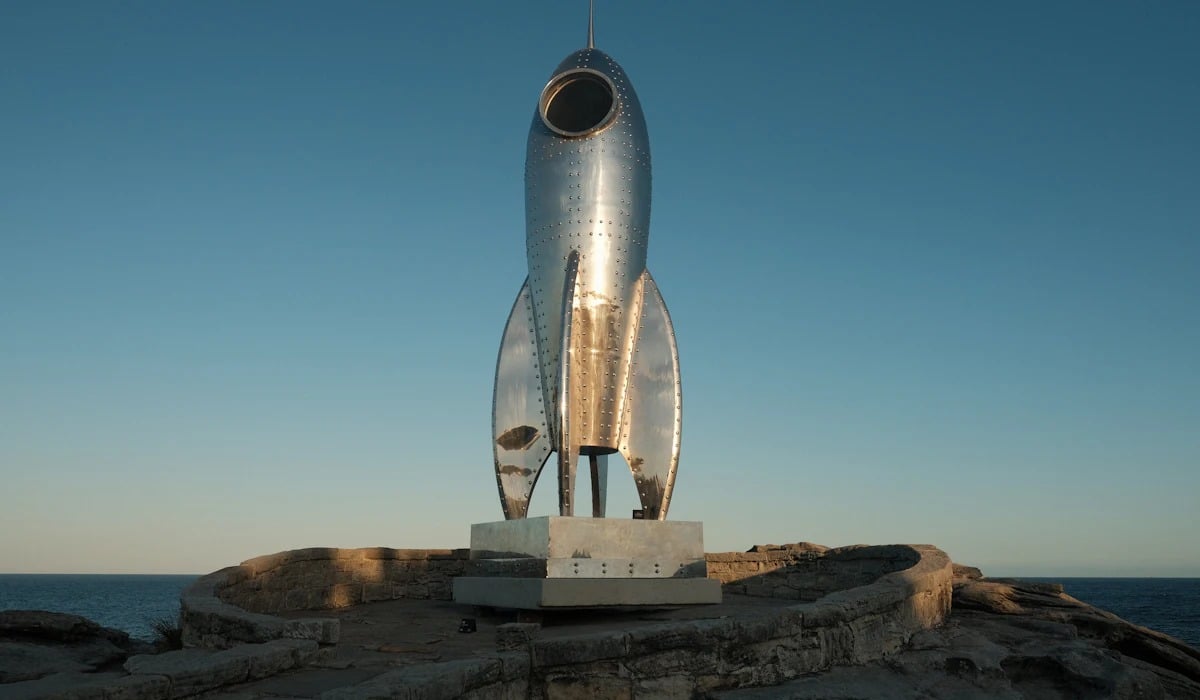
Louis Marx and Company released its Buck Rogers 25th Century Rocket Ship in 1934, the same year Daisy’s pistol arrived. The lithographed tin ship is about 12 inches long, runs on a clockwork motor and shoots sparks from the tail as it rolls.
Buck and Wilma are printed in the cockpit windows, and the bright red, yellow and green finish is the main attraction. Examples with glossy lithography and a working motor typically sell for about 400 to 1,200 dollars.
Scratches through the printed tin cannot be repaired convincingly, which is why paint condition drives the price more than mechanics.
Hubley Atomic Disintegrator
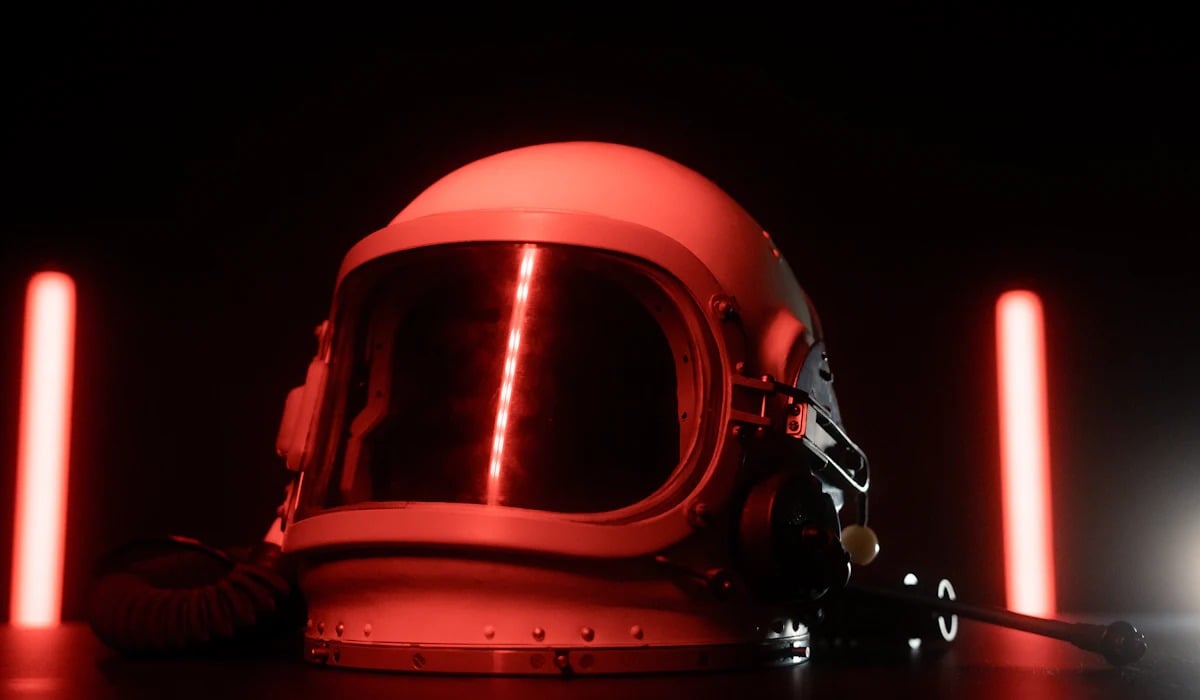
Hubley of Lancaster, Pennsylvania, made cap guns for cowboys, and in 1954 it made one for spacemen. The Atomic Disintegrator is a heavy die-cast pistol about eight inches long, covered in fins, dials and tubes, with red plastic grips and a mechanism that fires roll caps.
Many collectors consider it the best-looking toy ray gun ever produced in America. Original examples commonly bring about 300 to 700 dollars, with boxed guns higher.
Reproduction grips and entire reproduction guns are in circulation, so buyers look for crisp casting detail and honest wear before paying a premium.
Marx Tom Corbett Space Academy Playset
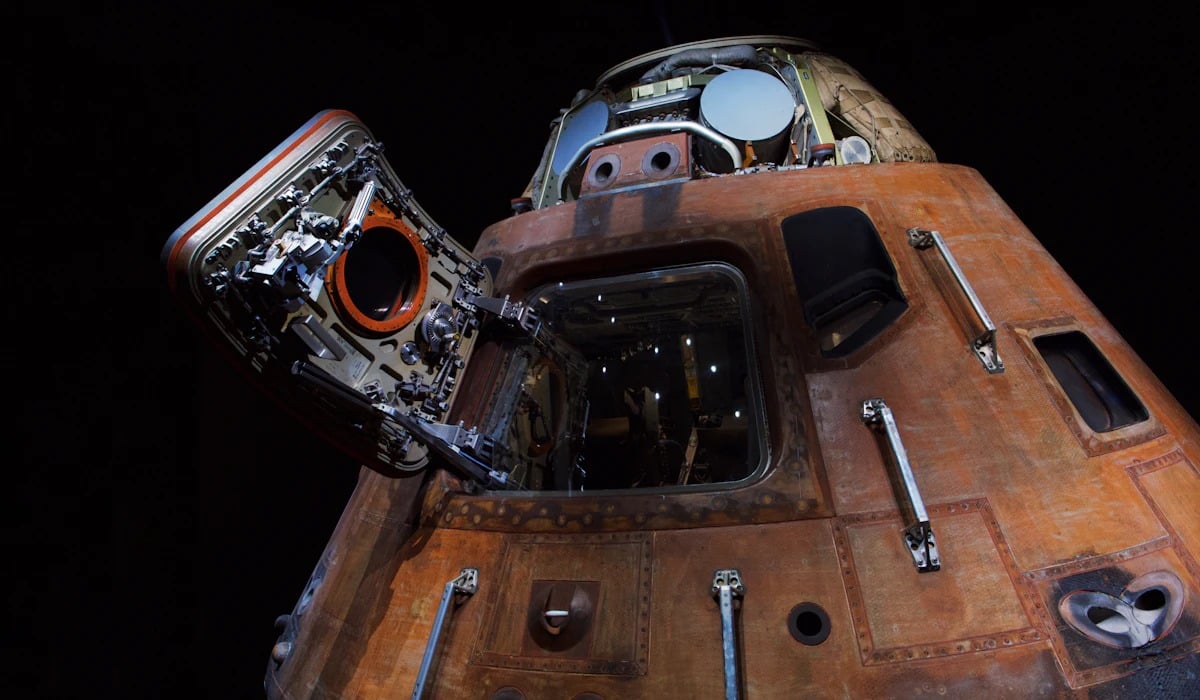
Television’s Tom Corbett, Space Cadet debuted in 1950, and Marx had a licensed playset in stores by 1952. The Space Academy set centers on a lithographed tin headquarters building surrounded by fencing, plastic cadets and assorted equipment.
Marx later recycled much of the tooling for its Rex Mars sets and, eventually, for Cape Canaveral playsets tied to the real space program. Value depends heavily on completeness, since the small figures and accessories scattered easily.
A largely complete boxed set often sells for about 300 to 900 dollars, while a bare tin building with dents might bring under 100.
Mattel Major Matt Mason

Mattel introduced Major Matt Mason in 1966 as a six-inch astronaut stationed on the Moon, with equipment loosely modeled on aerospace concept drawings of the day. His body is rubber molded over a wire armature, which let children pose him and which also doomed most examples.
The wires snap at the elbows and knees, and the painted details on the white suit rub away. Loose figures with intact wires typically sell for about 40 to 120 dollars, and carded figures for several times that.
His three-level Space Station is worth about 150 to 400 dollars when every girder and panel is present.
Hasbro’s Astronaut Capsule Set
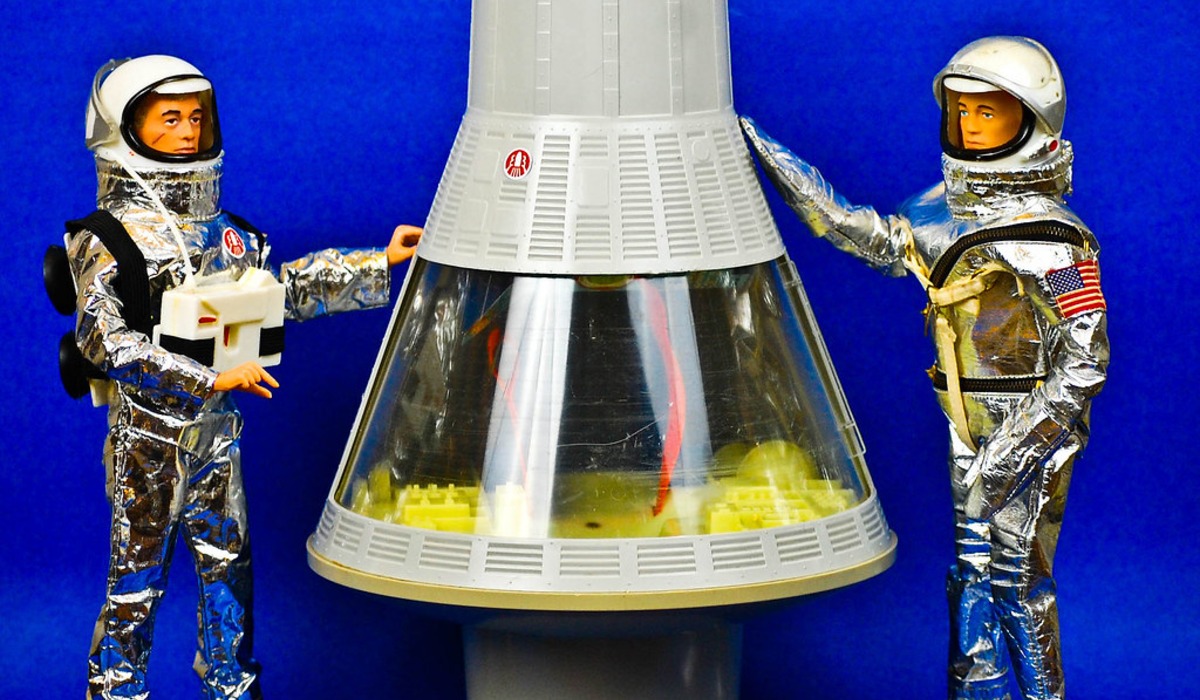
A small record of mission sounds was packed with it. A later version sold through Sears added a flotation collar for splashdown play.
Complete sets generally bring about 150 to 450 dollars in 2026. The silver suit flakes and splits, the visor cracks and the capsule’s canopy goes missing, and each loss shows up in the price.
Colorforms Outer Space Men
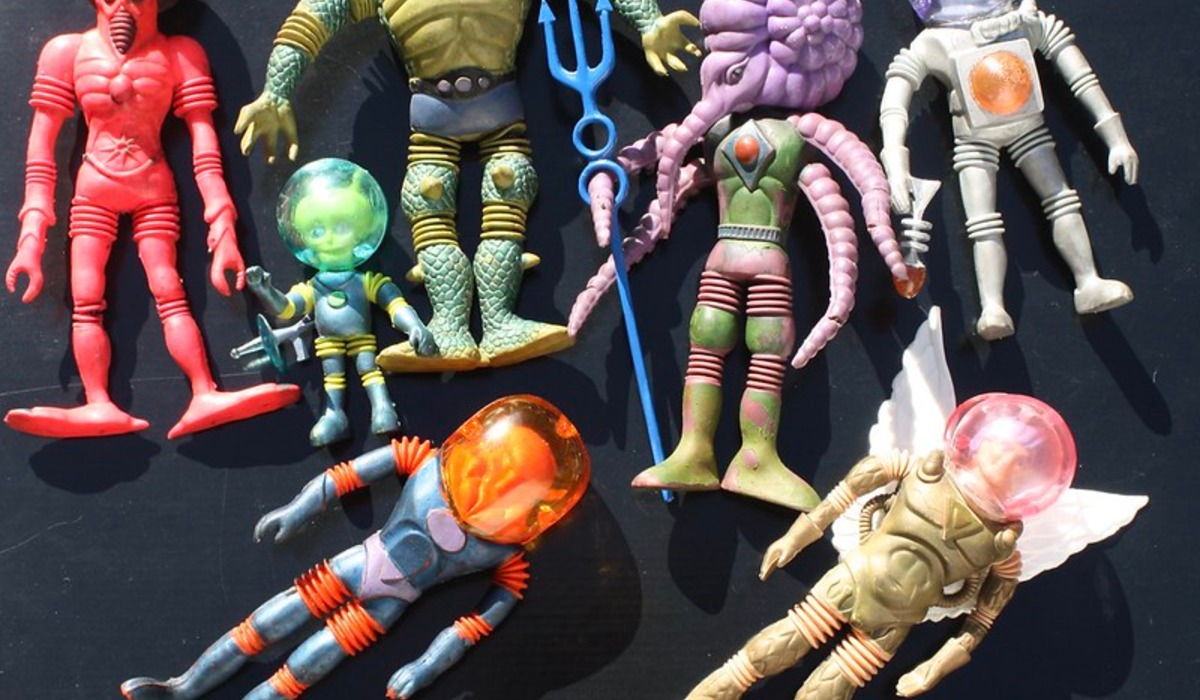
Colorforms, the company known for vinyl stick-on playsets, entered the action figure business in 1968 with seven bendable aliens designed by Mel Birnkrant. Each came from a different planet, among them Colossus Rex of Jupiter, Astro-Nautilus of Neptune and the winged Commander Comet of Venus.
They were scaled to stand alongside Mattel’s astronauts. A second series was prototyped and never reached stores, which only added to the legend.
Loose figures often sell for about 150 to 600 dollars depending on the character. Missing helmets, staffs and other small accessories are the usual problem, and carded examples sell for far more.
Ideal Zeroids
Ideal’s Zeroids rolled into stores in 1968 as motorized robots on treads, each sold in a clear plastic case that doubled as a launching ramp or station. The original trio were Zerak in blue, Zintar in silver and Zobor in bronze, with a commander named Zogg added afterward.
Their small electric motors made them faster and noisier than the Japanese tin robots that preceded them. Individual robots typically trade for about 60 to 200 dollars.
Brittle plastic hands, snapped antennae and corroded battery contacts are common faults, and Zogg in his original packaging brings a clear premium over the first three.
Remco Lost in Space Robot
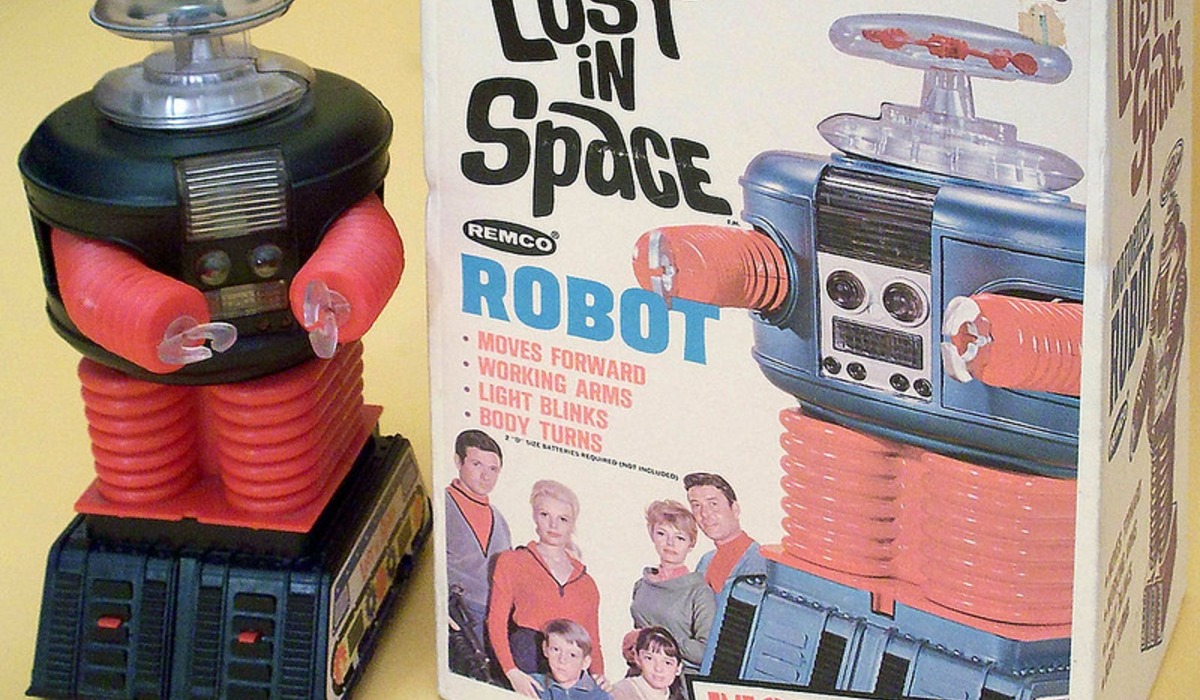
Remco’s 1966 Lost in Space Robot stands about 12 inches tall, runs on batteries and rolls forward with blinking lights while levers on the back work its arms. It resembles the television robot only loosely and was sold in several color combinations, some harder to find than others.
The show’s robot was designed by Robert Kinoshita, the art director who had earlier worked on the design of Robby for Forbidden Planet. Boxed, working examples often bring about 300 to 900 dollars.
The plastic claws snap, the clear dome scuffs and the box art is prized, so an unboxed robot with damage may sell for a fraction of that.
Eldon Billy Blastoff
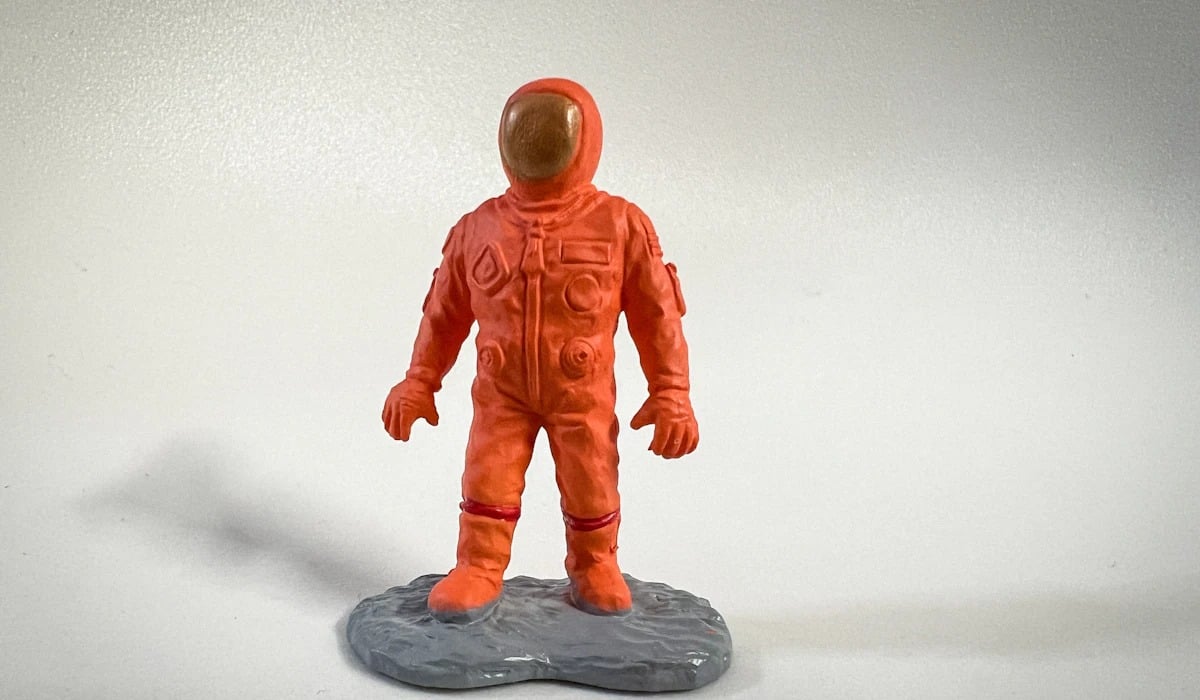
Eldon Industries introduced Billy Blastoff in 1968 as a small boy astronaut, about four and a half inches tall, with a battery pack worn on his back. That pack supplied power to the vehicles in his sets, so a single figure could drive a lunar crawler or a space car.
The idea was clever and the line was short-lived, which is a familiar recipe for collectibility. Complete sets typically sell for about 75 to 250 dollars.
Collectors check whether the vehicles still run, whether the helmet and backpack are original, and whether the thin plastic connectors have survived decades in a toy chest.
Mego Star Trek Figures and the Enterprise Bridge

Mego brought out its eight-inch Star Trek figures in 1974, five years after the original series left the air and just as reruns were building a new audience. Kirk, Spock, McCoy, Scotty and a Klingon came first, and a vinyl-covered cardboard Enterprise bridge with a spinning transporter booth followed.
Common crew figures in loose condition sell for about 30 to 80 dollars. The later alien assortments, including the Romulan and the Andorian, were produced in smaller numbers and can exceed 1,000 dollars on unpunched cards.
Original phasers, communicators and belts are tiny and frequently replaced with reproductions.
Mego Micronauts
Micronauts reached American stores in 1976, adapted by Mego from the Japanese company Takara’s Microman line. The figures stand about three and three-quarter inches tall, and nearly every vehicle and limb connects through the same five-millimeter pegs, so sets could be rebuilt endlessly.
Translucent Time Travelers with chromed heads are the best-known pieces. Common figures typically sell for about 20 to 60 dollars.
The last alien assortments, released shortly before Mego’s bankruptcy in the early 1980s, are much scarcer and often bring several hundred dollars boxed. Chrome wear and cracked joints are the main condition concerns.
Kenner’s Early Bird Certificate Package
Kenner of Cincinnati had the Star Wars license for Christmas 1977 and no figures ready to ship. Its answer was the Early Bird Certificate Package, a flat cardboard envelope containing a display stand, stickers, a fan club card and a certificate to mail in.
The first four figures, Luke Skywalker, Princess Leia, Chewbacca and R2-D2, arrived by mail in 1978. Selling an empty box worked, and the stunt is now part of toy industry lore.
Packages with the certificate still unredeemed often bring a few thousand dollars, and a top-graded one sold for about 18,500 dollars at Hake’s in 2025. Creases, tears and a missing certificate reduce that sharply, and resealed examples are a known hazard.
Vinyl Cape Jawa
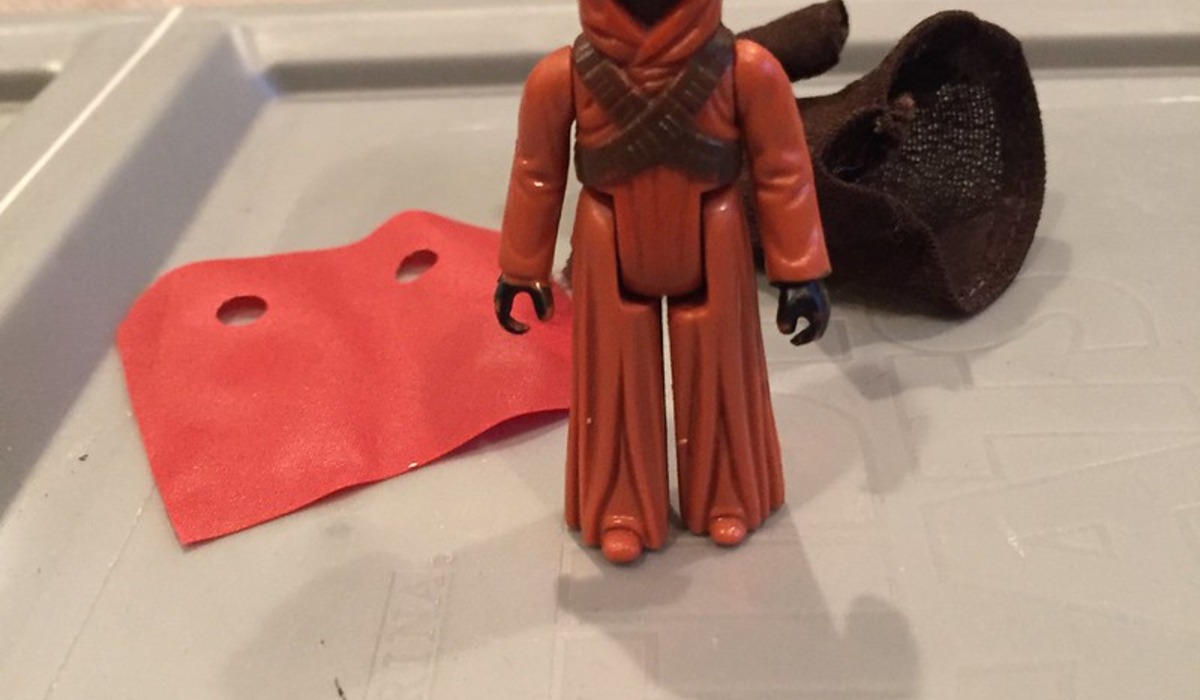
Early shipments of Kenner’s Jawa figure in 1978 came with a thin vinyl cape similar to the one on Obi-Wan Kenobi. Kenner soon replaced it with a stitched cloth robe, reportedly because the small figure looked like poor value at the same price as the others.
The short production run made the first version one of the rarest standard figures in the line. Authenticated loose examples typically sell for about 1,500 to 4,000 dollars, and a graded carded one brought about 20,800 dollars at Hake’s in 2025.
Fake capes cut down from other figures are everywhere, so third-party authentication is treated as essential.
Rocket-Firing Boba Fett Prototype

Kenner promoted Boba Fett in 1979 as a mail-away figure with a spring-loaded rocket that launched from his backpack. Safety worries over small projectiles ended the feature before production, and the figure that reached children had its rocket fixed in place.
A small number of firing prototypes left the company, in two latch designs that collectors call the L-slot and the J-slot. These are among the most valuable action figures known, with one selling for 525,000 dollars at Heritage Auctions in 2024 and another reported at about 1.34 million dollars at Goldin later that year.
Provenance is everything here, and every example is scrutinized for documented origin.
Mattel Battlestar Galactica Colonial Viper
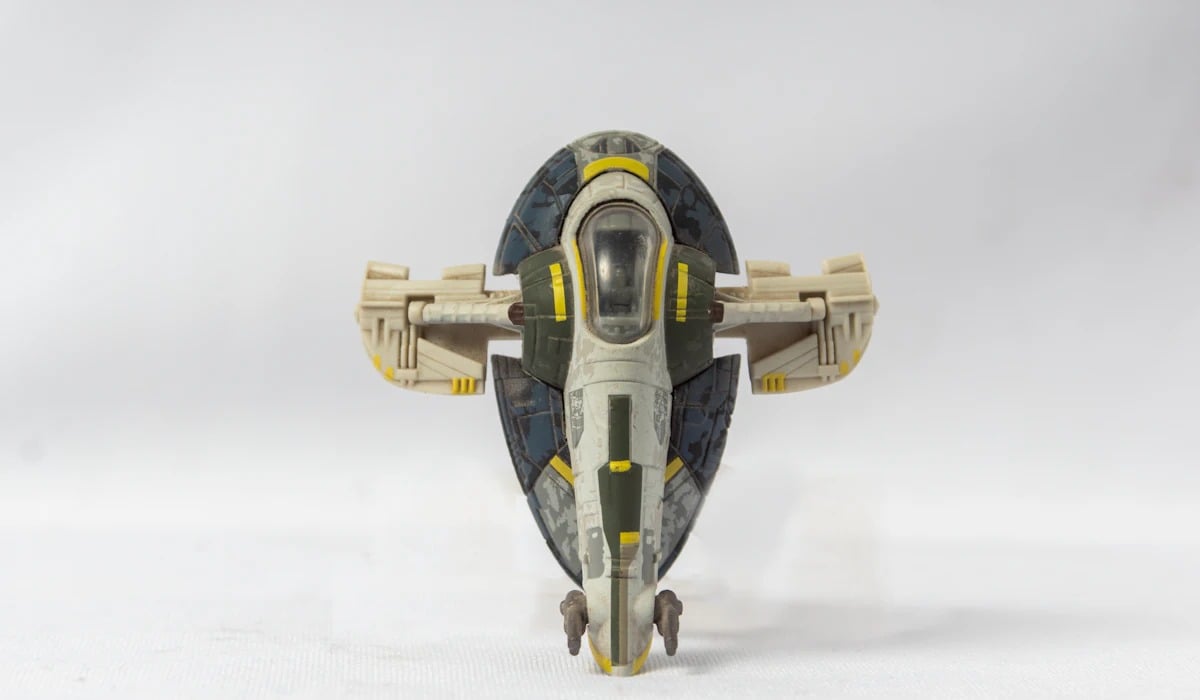
Mattel’s 1978 line for the television series Battlestar Galactica included a Colonial Viper, a Cylon Raider and other ships that fired small red plastic missiles. At the end of 1978 a four-year-old died after a missile from one of the ships lodged in his throat, and in January 1979 Mattel recalled the missiles and reissued the toys so they could no longer launch.
The episode changed how the industry treated spring-loaded projectiles and is widely linked to Kenner’s decision on Boba Fett. Early firing versions in their boxes typically sell for about 100 to 300 dollars.
Collectors look for the original missile, unbroken wing tips and intact decals, and the later non-firing ships bring less.
Tin Dreams and Plastic Futures

These toys were sold as glimpses of tomorrow, and almost none of their predictions came true. No one commutes by rocket ship, and household robots do not have chest doors with guns behind them.
What the toys recorded instead was the mood of each decade, from comic strip optimism to atomic anxiety to the confidence of the Apollo years.
Their prices follow a simple logic. The toys that were cheap, fragile and loved were the ones destroyed, so survival in good condition is rare, and rarity is what collectors pay for.
A box that a parent nearly threw out in 1958 can now be worth more than the robot inside. That is a strange fate for playthings, and a fitting one for objects built to imagine the future.
Like Go2Tutors’s content? Follow us on MSN.
The Best Related Posts:
14 weird foods eaten during holidaysParks That Were Once DumpsPre-internet Habits That Shaped a Generation2000s Mall Stores That Don’t Exist
