

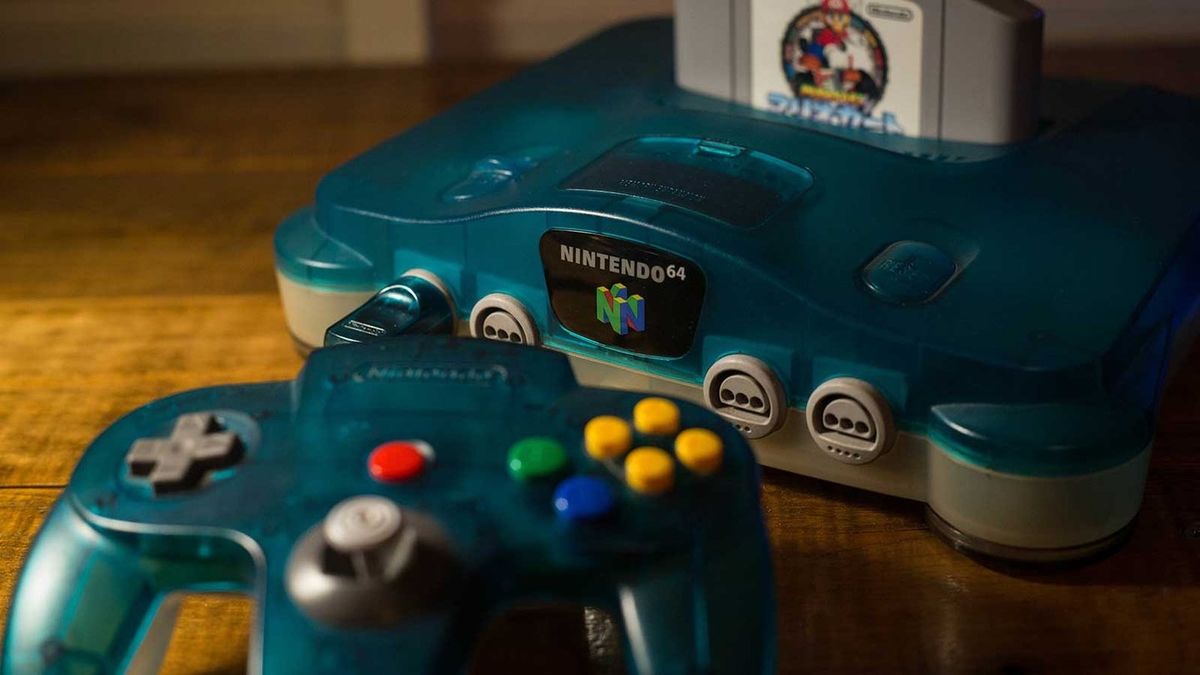
If you grew up in the 1990s, you’ll probably remember a trend of console manufacturers churning out special transparent editions of its hardware.
The Nintendo 64 is one that many people have fond memories of, as it came in a range of colours, but others may recall some Japanese-exclusive PlayStation 2 models having transparent shells, and the OG Xbox sported a vibrant green shell. The latter was used as inspiration for the recent limited-edition ‘X25’ Xbox Series X.
These unique variants were great. They made your console feel somewhat personalised, especially if they offered your favourite colour, and over the years, many have become valuable collectors’ items.
What started this trend, however, and why was it such a phenomenon that all console manufacturers were doing it to some degree?
‘90s consoles were transparent for several reasons, some of which were purely psychological
The main reason why translucent technology blew up in the ‘90s was cost. It was much cheaper to produce clear plastic than opaque, so for video game console manufacturers, it was obviously a no-brainer. Keep the cost of production down whilst keeping profit margins high.
A great YouTube video by Millennial Yearbook, which we found while researching, states that the wider trend was actually kicked off by prisons. Security is obviously of the highest priority in prisons, so devices made with clear plastic shells were very popular, as it’d be impossible to smuggle anything in without detection.
Another reason for their popularity is that they were fun! A Nintendo 64 and Nintendo Game Boy aren’t impressive bits of kit nowadays, but at the time, they were the next big thing.
Having a shell you could see through puts all of its nifty hardware features on full display, which was obviously very cool back when consoles were seriously competing for technical superiority. Xbox and PlayStation are to some degree, but they’re certainly not as keen to let you see under the hood without voiding your console’s warranty…
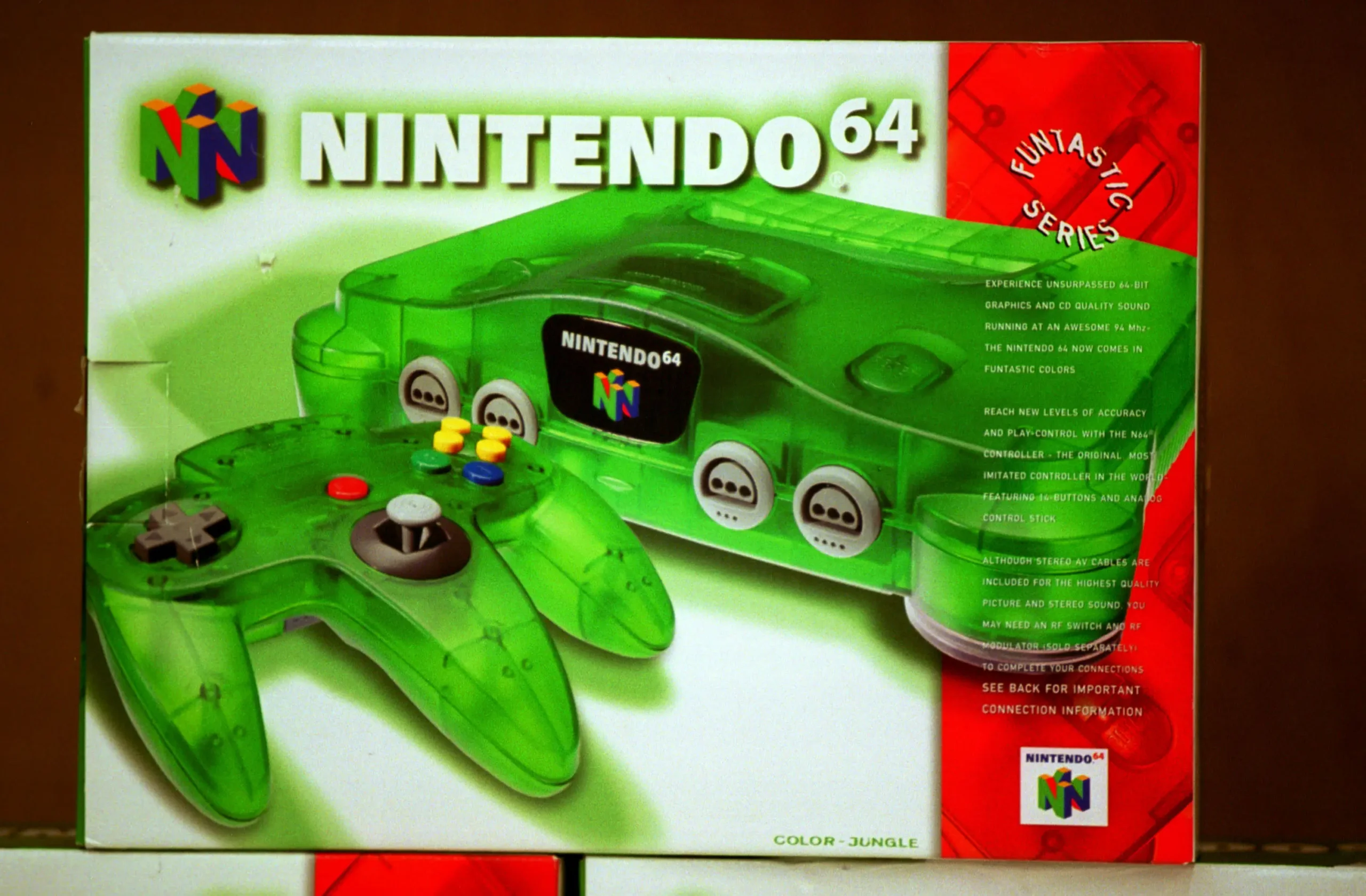
There are even psychological implications for this trend. Let’s say in front of you lies a standard PS1 and a Funtastic Jungle Nintendo 64. One is solid grey, whereas the other is a vibrant, emerald green. At first glance, you’re going to assume the latter is the better option for a video game console, right? It just looksmore fun.
Mass-appeal was the main goal here. Video game consoles have come a long way, so nowadays you’d expect most households to have at least one lying around, even if they are getting more expensive with each remodel.
Back then, though, they were still quite alien. A transparent and bright coloured shell embraced that vibe and would make a console look more appealing. Like something you’d actually want to have in your home and play with. Giving them a wacky shape and unusual colour options was just a simple way of shipping the most units.
In the end, consoles eventually became more mainstream. Once you got to the Xbox 360/PlayStation 3 era console stopped being silly and started to get serious. They needed to be dark, edgy, chromed-up and generally more ‘adult’ in nature.
It’s a shame because there’s a lot of nostalgia associated with those transparent consoles, and if the state of modern video games has told us anything over the years, it’s that gamers crave more transparency.
Featured Image Credit: SOPA Images-
