

Pop culture once thrived on the excitement of the unexpected. Today, its biggest moments seem to come with a familiar question: Remember when?
Pop culture has turned into a series of reboots and reruns, stuck in nostalgia.
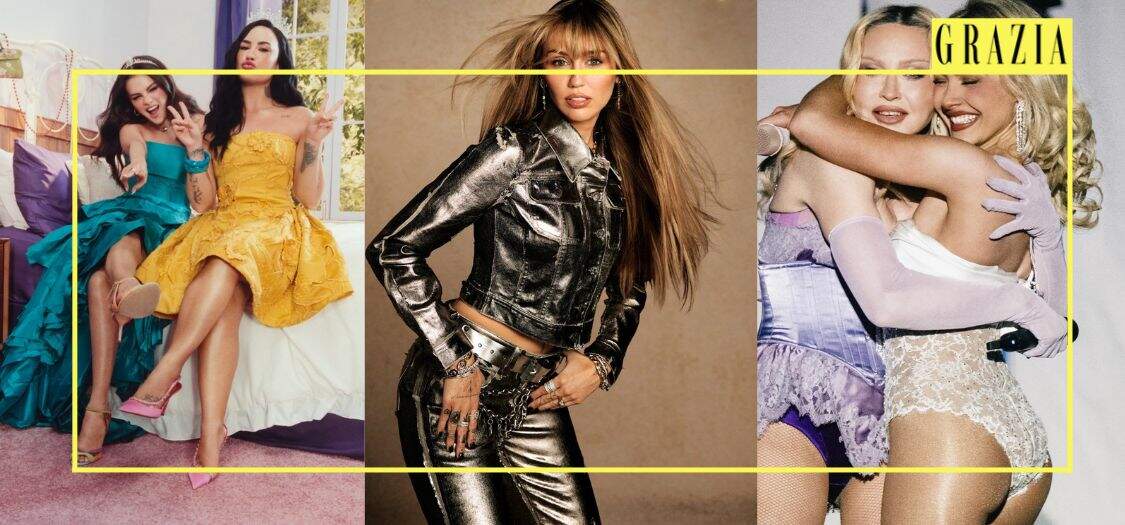
Selena Gomez and Demi Lovato’s reunion for Rare Beauty’s ‘Still Making Each Other Blush’campaign, celebrating nearly 25 years of friendship, sent Disney Channel loyalists back to theirPrincess Protection Program(2009) days. Madonna joining Sabrina Carpenter at Coachella 2026 for “Like a Prayer”brought two generations of pop music together, while Justin Bieber’s nostalgic trip through his musical archives had fans revisiting his teenage years. Nina Dobrev and Paul Wesley’s casting in a book-to-film adaptation has givenThe Vampire Diariesgeneration another reason to revisit Mystic Falls. Add theHannah Montana20th anniversary special to the mix, and our childhood entertainment is beginning to look like one very lucrative reunion tour.
View this post on Instagram
Hollywood has become particularly fluent in this language. Sequels, prequels, reboots, biopics and legacy adaptations offer a reassuring proposition: Why introduce audiences to an unfamiliar universe when you can bring back one they already have an emotional investment in? The 2026 filmI Play Rocky, which revisits the making of the 1976 classicRocky, is another example of our appetite for stories built around existing cultural phenomenons. Even the origin stories of iconic films are becoming films themselves.
View this post on Instagram
Commercially, the appeal is obvious. An established intellectual property comes with built-in recognition, an existing fan base and a marketing narrative that practically writes itself. Originality, by comparison, is an expensive gamble. With inflation, rising production costs and an uncertain global economy, studios, streaming platforms and record labels are increasingly cautious about where they put their money. Backing an unfamiliar idea means accepting the possibility that audiences might not turn up. Reviving a beloved franchise feels considerably safer. The result is an entertainment industry that often favours proven successes over the unpredictability of something new.
Our own relationship with nostalgia plays a part, too. WatchingHannah Montanaagain is partly about Miley Stewart, but it is also about the person we were when we first watched her. Hearing Justin Bieber’sBabycan transport an entire generation to school corridors, old Facebook profiles and the first few songs on their iPods. In a fragmented internet culture, shared memories have become a social necessity. We all know the reference, remember the song and understand the excitement. Familiarity gives us something to collectively rally around.
View this post on Instagram
There is also the question of cultural longevity.The Devil Wears Prada,Mean Girls,The O.C.andGossip Girlbecame defining cultural texts because they captured the mood, aspirations and anxieties of their time. Their creators couldn’t have known that people would still be quoting them decades later. They were made to entertain an audience in the present, and somehow ended up defining a generation. It does make one wonder whether pop culture has already had its defining moment. Are the most exciting entertainment announcements now simply updates on things we loved twenty years ago? Contemporary culture is still producing brilliant filmmakers, musicians, artists and designers, but the question is whether the industries backing them are willing to give unfamiliar ideas the time and space to find an audience.
There is nothing wrong with a Madonna-Sabrina crossover or another excuse to watchThe Devil Wears Pradafor the forty-seventh time. Some cultural moments deserve to be revisited. But the next generation of classics will have to come from somewhere, and they probably won’t arrive with an anniversary campaign already attached.
View this post on Instagram
Every film, album or television show we now consider iconic was once an unfamiliar idea someone decided to take a chance on. Perhaps the real nostalgia trap is that we have become so busy celebrating what pop culture has given us that we have forgotten to ask what it might give us next. For now, we seem quite happy to keep pressing rewind. One hopes somebody, somewhere, is still willing to press play.
Tags –
NostalgiaPopCultureSabrina CarpenterMadonnaDemi LovatoSelena GomezRare BeautyHannah MontanaI Play RockyJustin BieberMiley StewartThe Vampire DiariesGossip Girl
Next Story :Weekly Round-Up: Pop Culture and Fashion Moments On Our Radar
Next Story
