

Music videos have been a transformative force in pop culture, shaping trends and defining generations. From the early days of MTV to the viral hits of YouTube, these visual spectacles have become more than just promotional tools. They are art forms in their own right, influencing fashion, dance, and social movements.
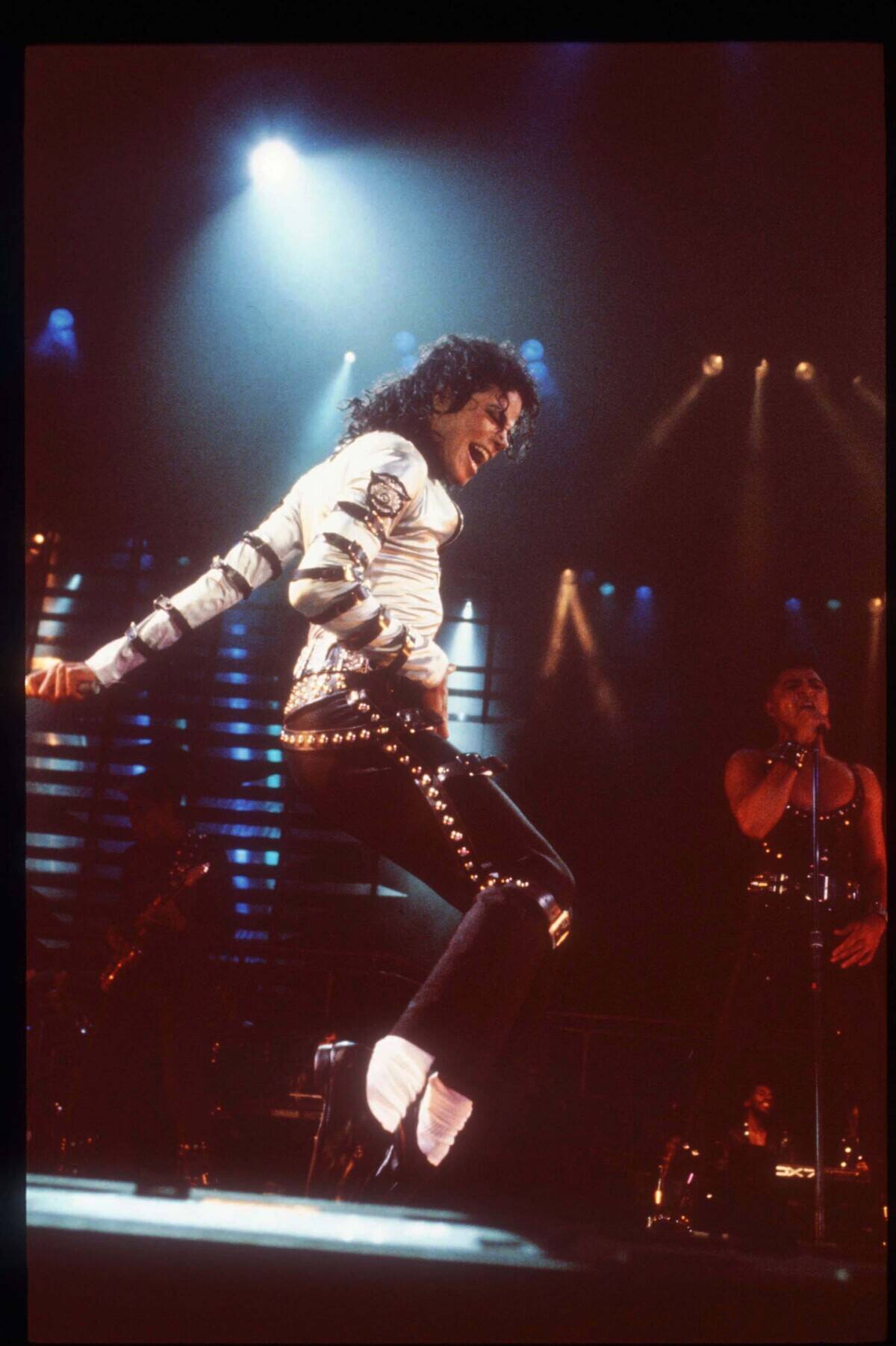
Michael Jackson’s “Thriller”: The Birth of the Music Video as an Art Form
Michael Jackson’s “Thriller” is often credited with elevating music videos to an art form. Released in 1983, the 14-minute mini-movie was directed by John Landis and featured groundbreaking special effects and choreography.
It was a cultural phenomenon that broke racial barriers on MTV and set a new standard for music video production. With its iconic zombie dance and cinematic storytelling, “Thriller” remains one of the most influential music videos of all time.
Madonna’s “Like a Prayer”: Pushing Boundaries and Sparking Controversy
Madonna’s “Like a Prayer” pushed boundaries with its provocative imagery and themes. Released in 1989, the video featured religious iconography, interracial relationships, and social justice themes, sparking widespread controversy.
Despite the backlash, it was praised for its boldness and artistry. The video’s impact was undeniable, as it challenged societal norms and cemented Madonna’s reputation as a fearless and innovative artist in the music industry.
Nirvana’s “Smells Like Teen Spirit”: Capturing the Spirit of a Generation
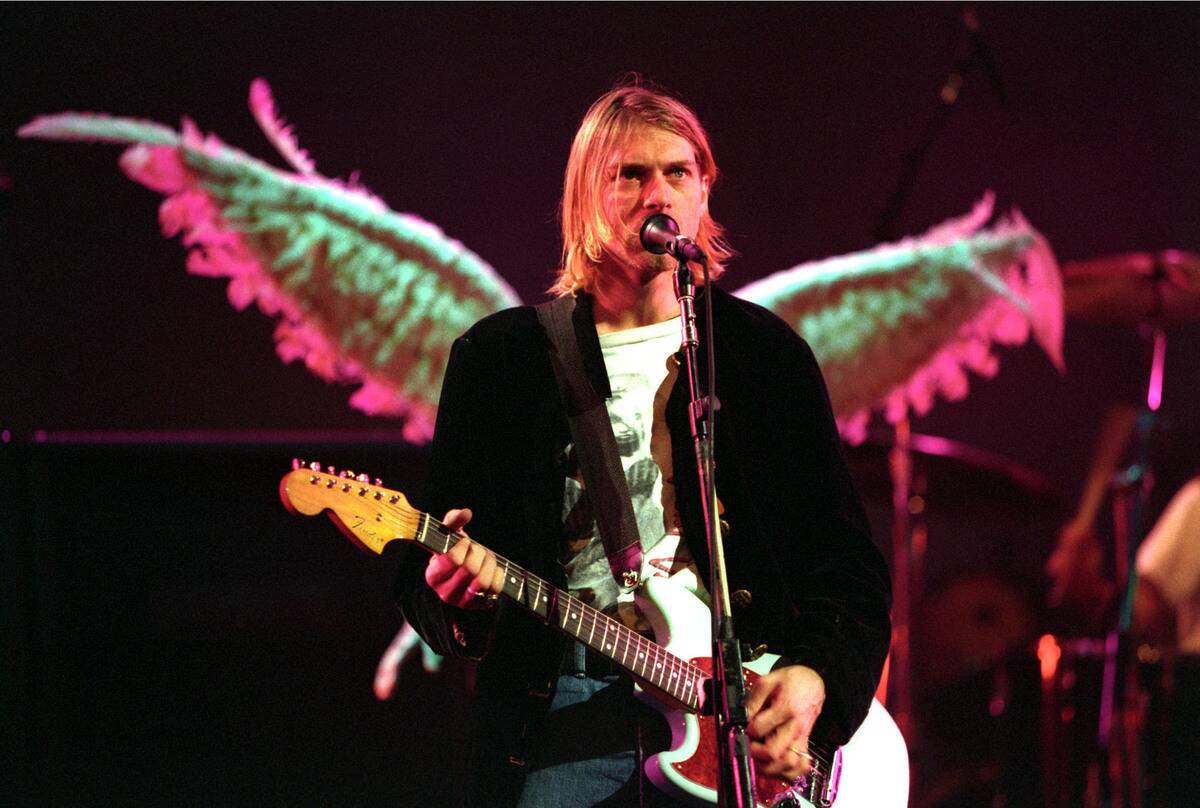
Nirvana’s “Smells Like Teen Spirit” captured the angst and rebellion of Generation X. Released in 1991, the video depicted a chaotic high school pep rally, complete with disaffected cheerleaders and anarchic energy.
Directed by Samuel Bayer, it became an anthem for disillusioned youth and propelled grunge into the mainstream. The raw, unpolished style of the video mirrored the band’s sound and ethos, making it a defining moment in rock history.
Beyoncé’s “Single Ladies (Put a Ring on It)”: The Dance Craze That Took Over the World
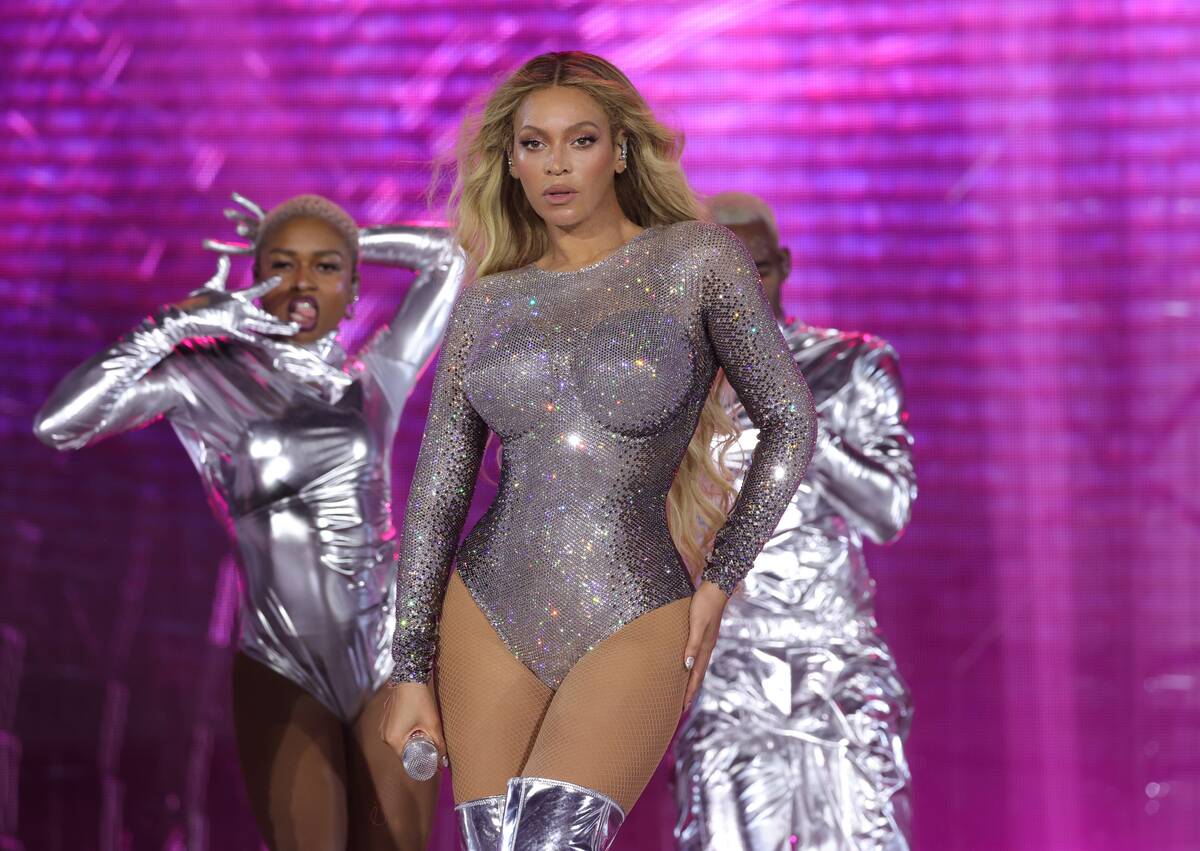
Beyoncé’s “Single Ladies (Put a Ring on It)” became a global dance sensation upon its release in 2008. The video, directed by Jake Nava, featured a minimalist black-and-white aesthetic and showcased Beyoncé’s powerful choreography.
The iconic hand-twisting dance moves quickly went viral, inspiring countless parodies and dance covers. The video’s simplicity and focus on dance highlighted Beyoncé’s talent and solidified her status as a pop culture icon.
Lady Gaga’s “Bad Romance”: Redefining Visual Storytelling in Music
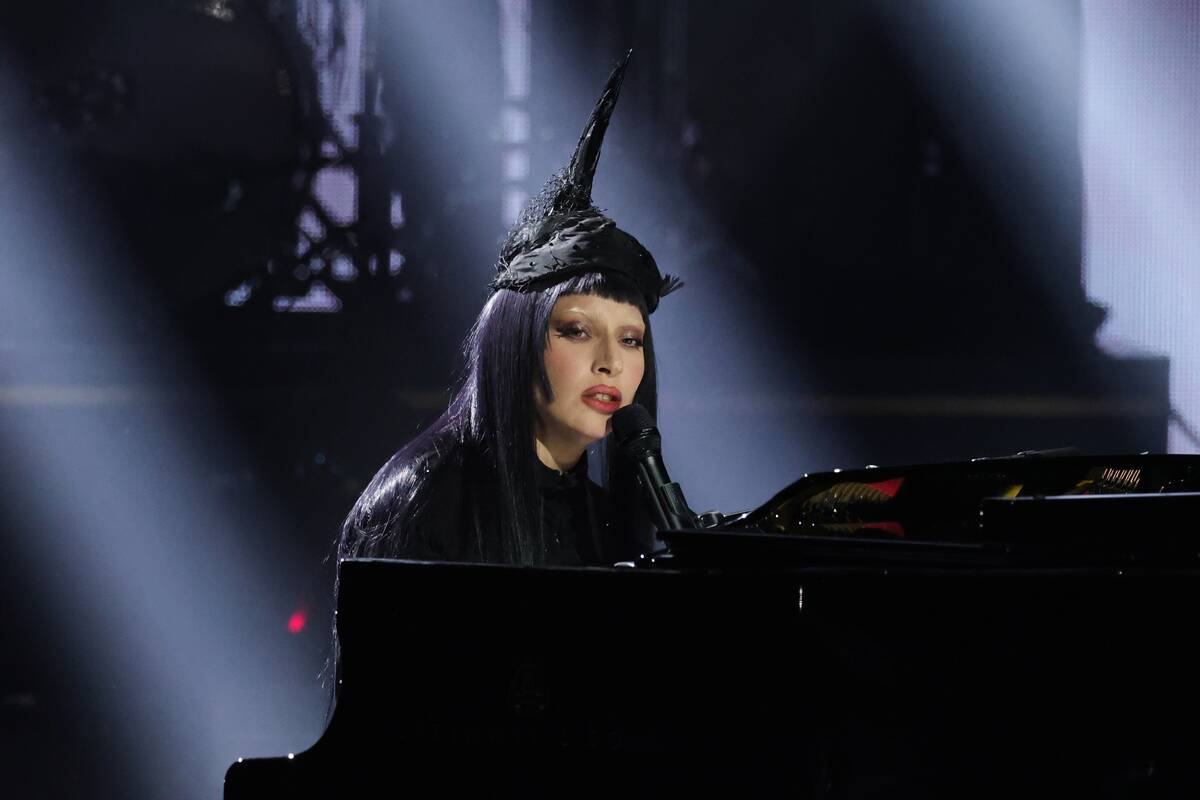
Lady Gaga’s “Bad Romance” redefined visual storytelling with its avant-garde fashion and surreal imagery. Released in 2009, the video was directed by Francis Lawrence and featured elaborate sets and costumes that pushed the boundaries of creativity.
It won multiple awards and was praised for its bold artistic vision. The video’s themes of love, fame, and control resonated with audiences, further establishing Lady Gaga as a trailblazer in the music industry.
A-ha’s “Take On Me”: The Pioneering Use of Animation in Music Videos
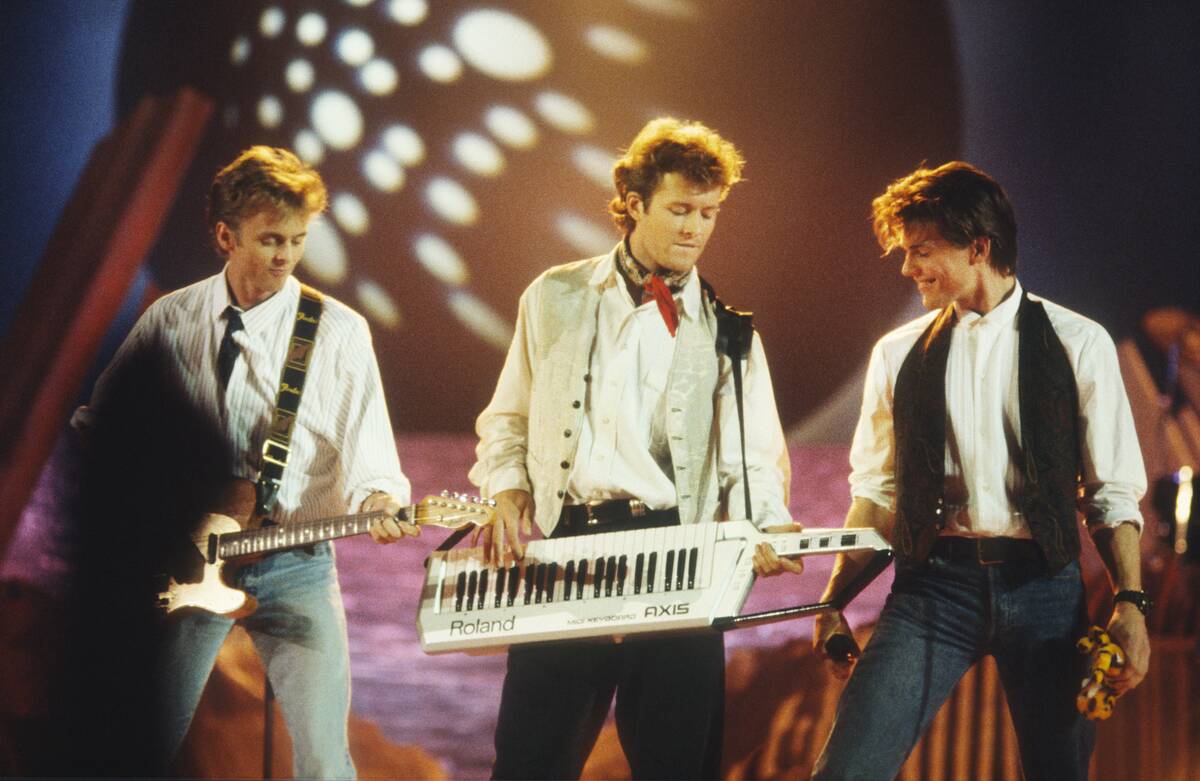
A-ha’s “Take On Me” broke new ground with its innovative use of animation. Released in 1985, the video combined live-action footage with rotoscoped animation, creating a unique and captivating visual experience.
Directed by Steve Barron, it told a romantic story of a woman entering a comic book world. The video’s groundbreaking technique and catchy tune helped it become an instant classic, earning it numerous awards and a lasting place in pop culture.
Britney Spears’ “…Baby One More Time”: The Rise of the Teen Pop Phenomenon
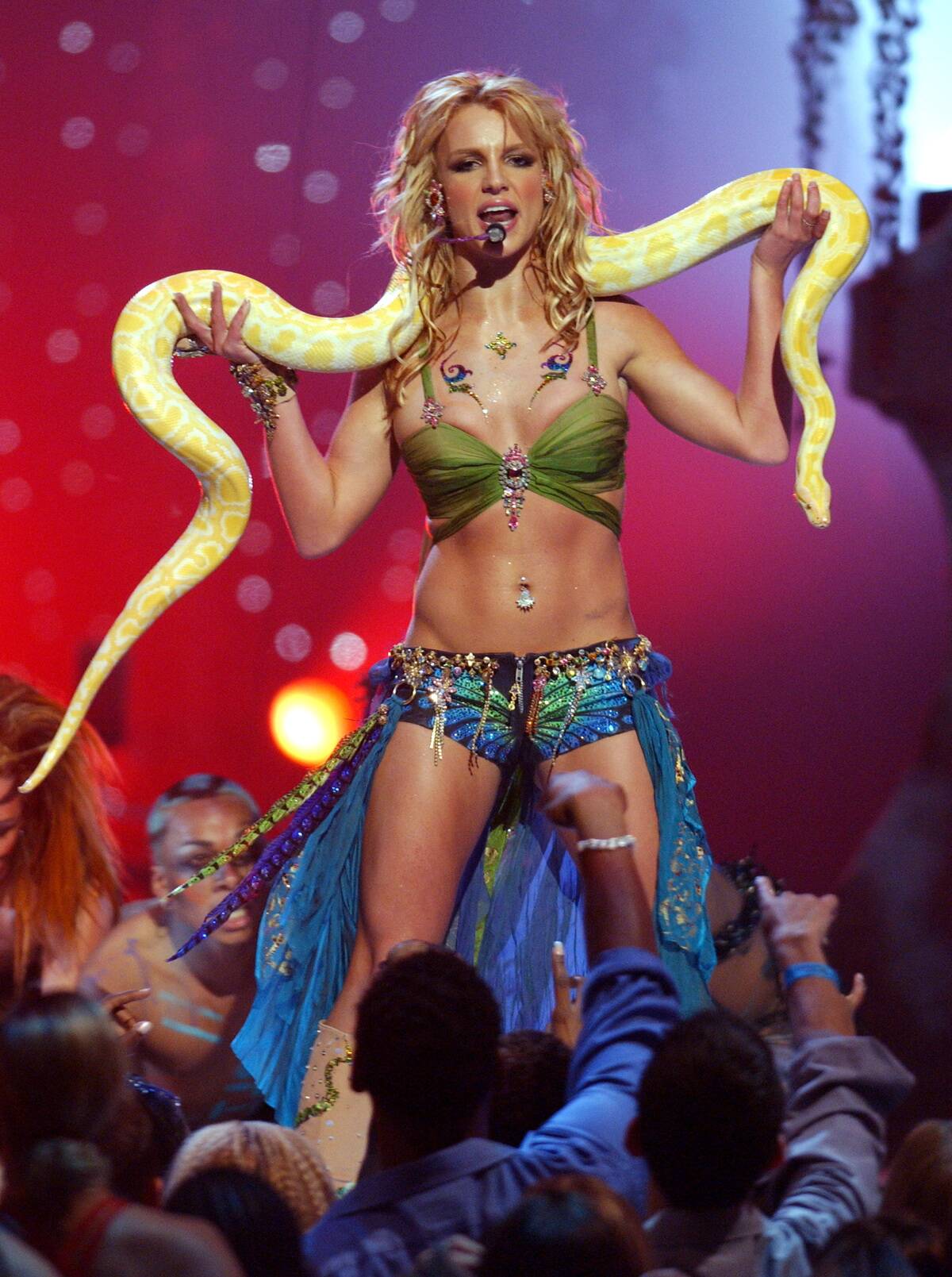
Britney Spears’ “…Baby One More Time” marked the beginning of the teen pop explosion. Released in 1998, the video featured Spears in a schoolgirl outfit, dancing through a high school setting.
Directed by Nigel Dick, it became a cultural touchstone that resonated with young audiences. The video’s catchy choreography and Spears’ charismatic performance catapulted her to superstardom, paving the way for a new wave of teen pop idols in the late ’90s and early 2000s.
OK Go’s “Here It Goes Again”: Viral Sensation and the Power of YouTube
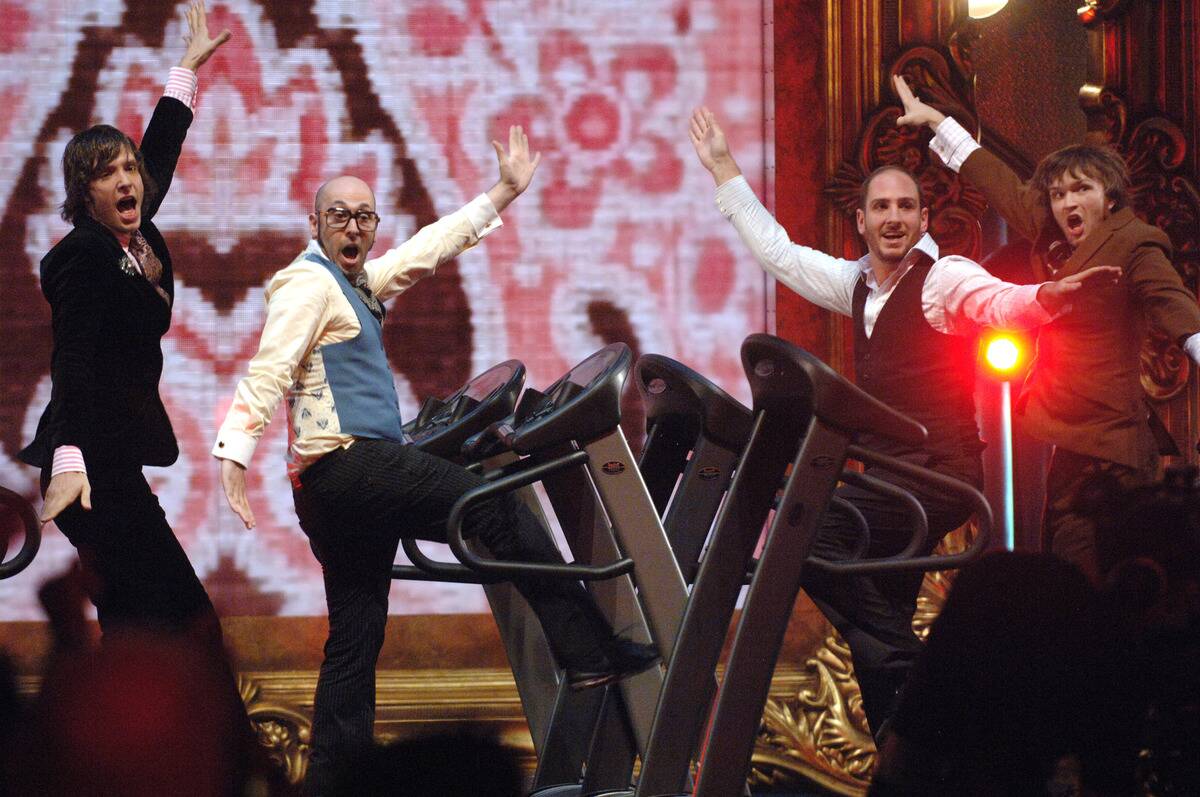
OK Go’s “Here It Goes Again” became a viral sensation with its creative use of treadmills. Released in 2006, the low-budget video featured the band performing a synchronized dance routine on treadmills, choreographed by Trish Sie.
Its clever concept and execution captivated viewers, leading to millions of views on YouTube. The video’s success demonstrated the power of online platforms in launching viral hits and reshaped how music videos could reach audiences.
Sinead O’Connor’s “Nothing Compares 2 U”: The Power of Minimalism and Emotion
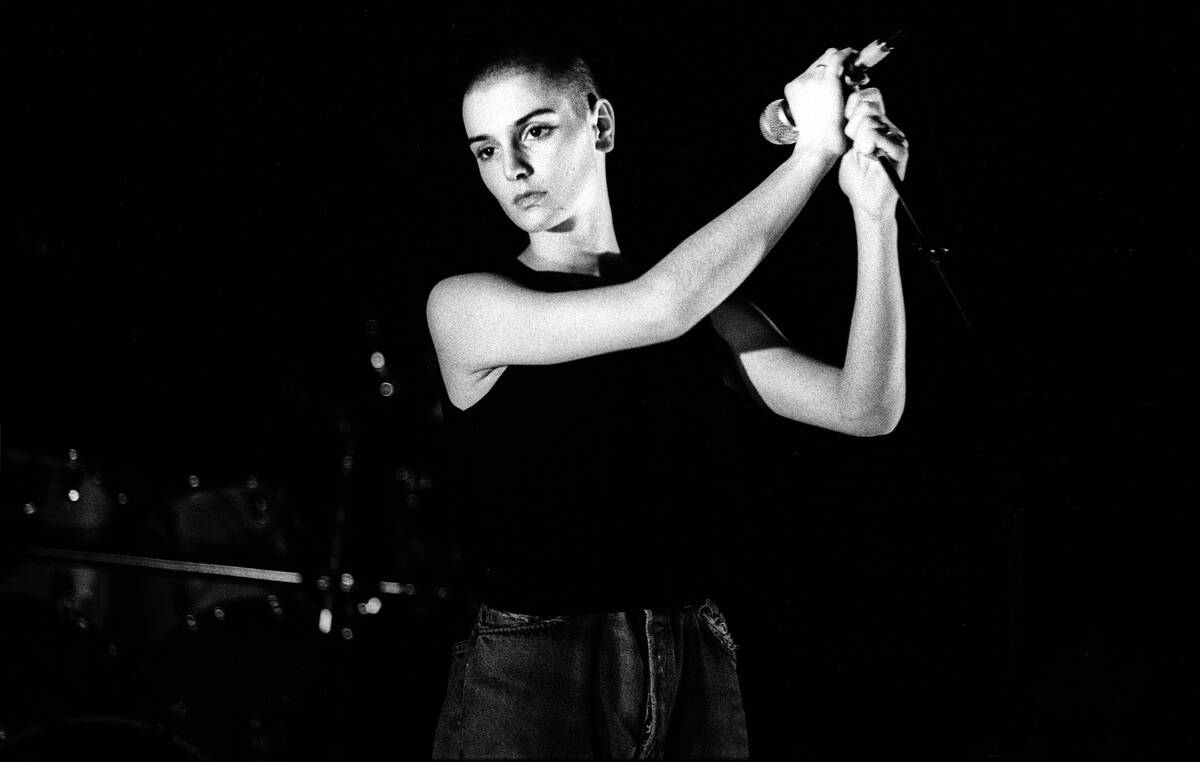
Sinead O’Connor’s “Nothing Compares 2 U” is a masterclass in minimalism and raw emotion. Released in 1990, the video focused almost entirely on O’Connor’s face as she delivered a poignant performance of the Prince-penned ballad.
Directed by John Maybury, the simplicity of the video allowed the song’s emotional depth to shine through. O’Connor’s tearful expression became iconic, making the video a powerful testament to the impact of understated visuals.
Childish Gambino’s “This Is America”: A Provocative Commentary on Society
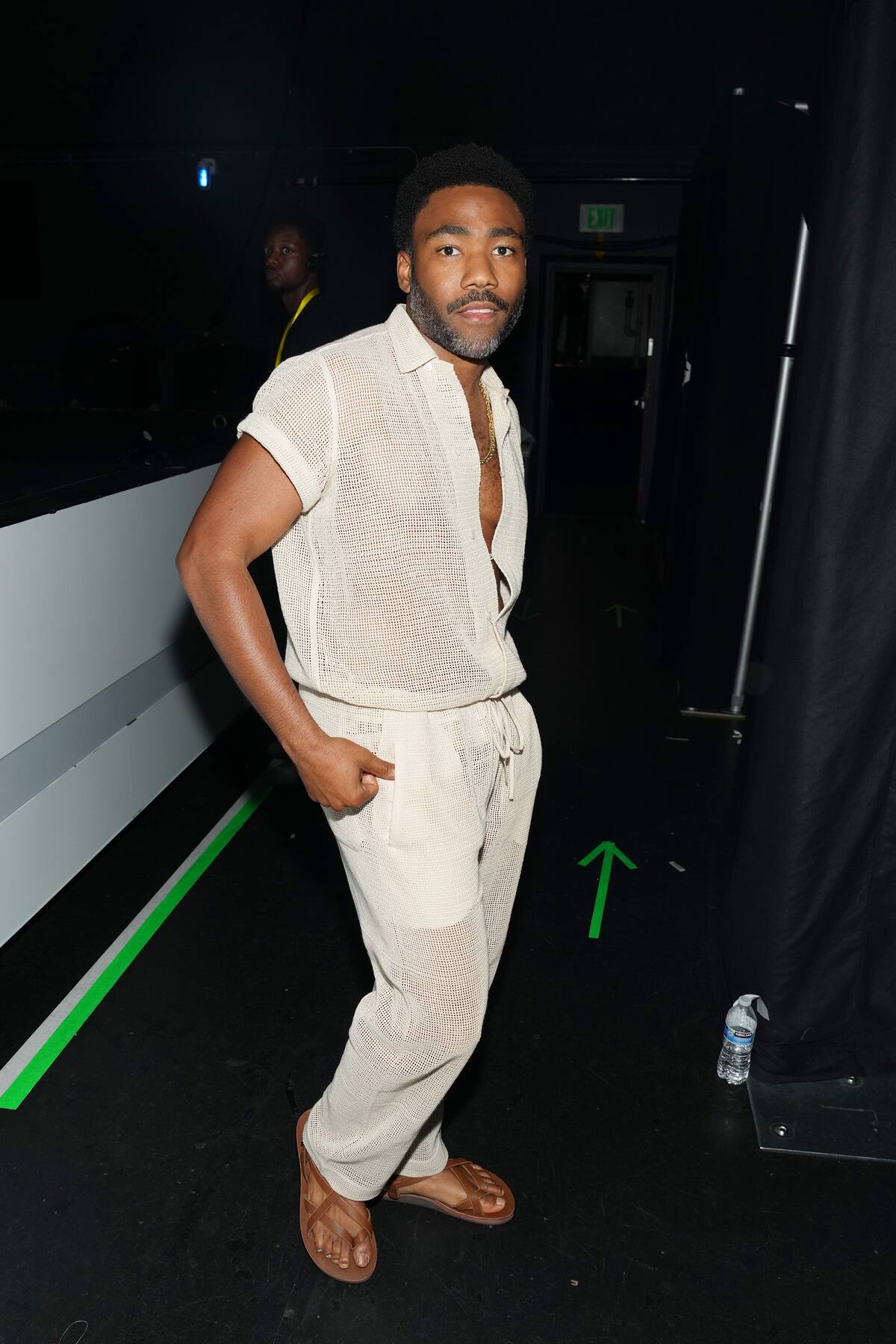
Childish Gambino’s “This Is America” offered a searing commentary on gun violence and racial issues in the United States. Released in 2018, the video, directed by Hiro Murai, juxtaposed vibrant dance sequences with shocking scenes of chaos and violence.
It sparked widespread discussion and analysis, with viewers dissecting its rich symbolism and cultural references. The video’s bold approach and thought-provoking content cemented its place as a significant cultural artifact.
TLC’s “Waterfalls”: Addressing Social Issues Through Music
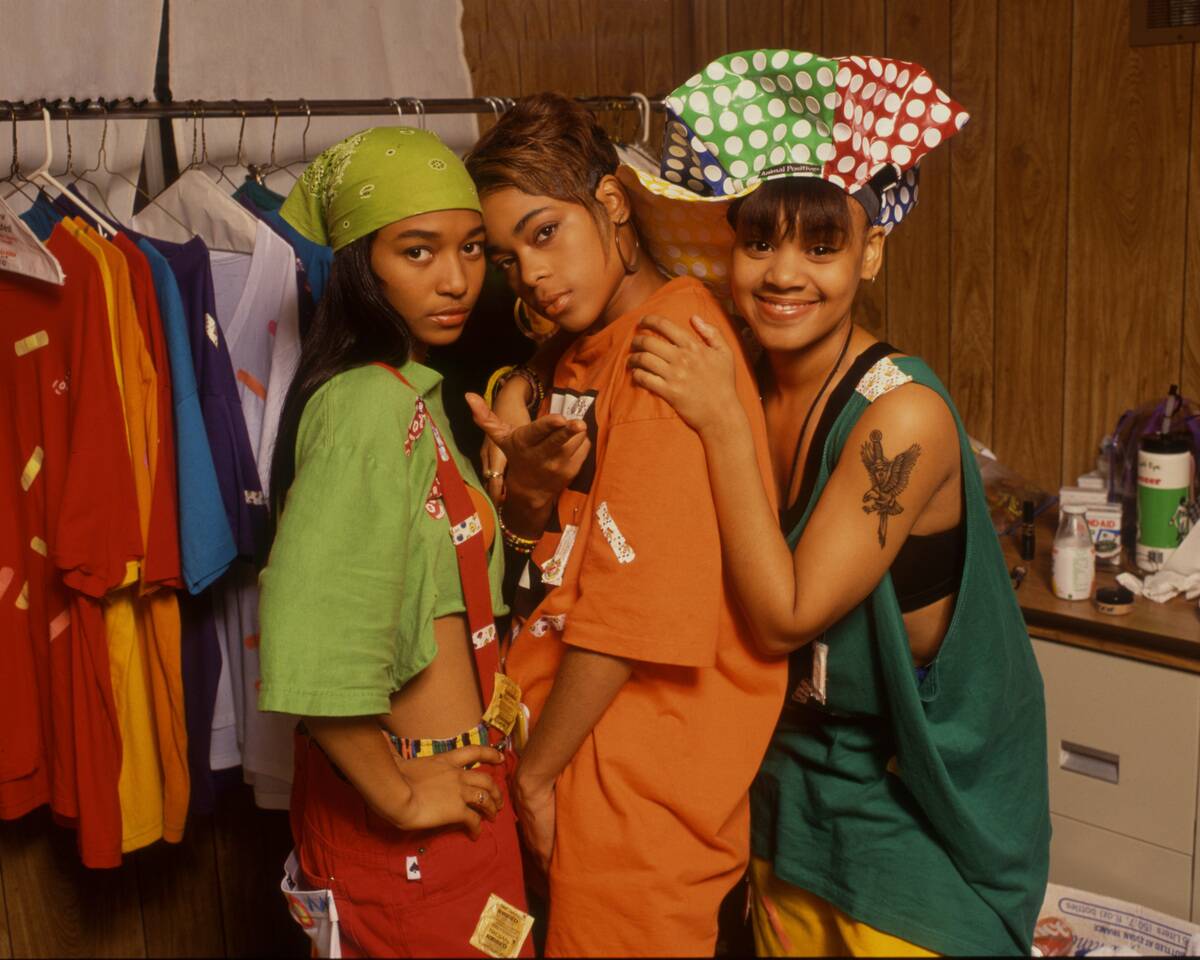
TLC’s “Waterfalls” tackled pressing social issues with its poignant narrative. Released in 1995, the video addressed topics like drug addiction and HIV/AIDS, using storytelling to highlight the consequences of risky behaviors.
Directed by F. Gary Gray, it featured a mix of live-action and CGI, with the group performing against a backdrop of cascading waterfalls. The video’s impactful message and visual style resonated with audiences, earning it critical acclaim and numerous awards.
Peter Gabriel’s “Sledgehammer”: Innovative Visual Effects and Creativity
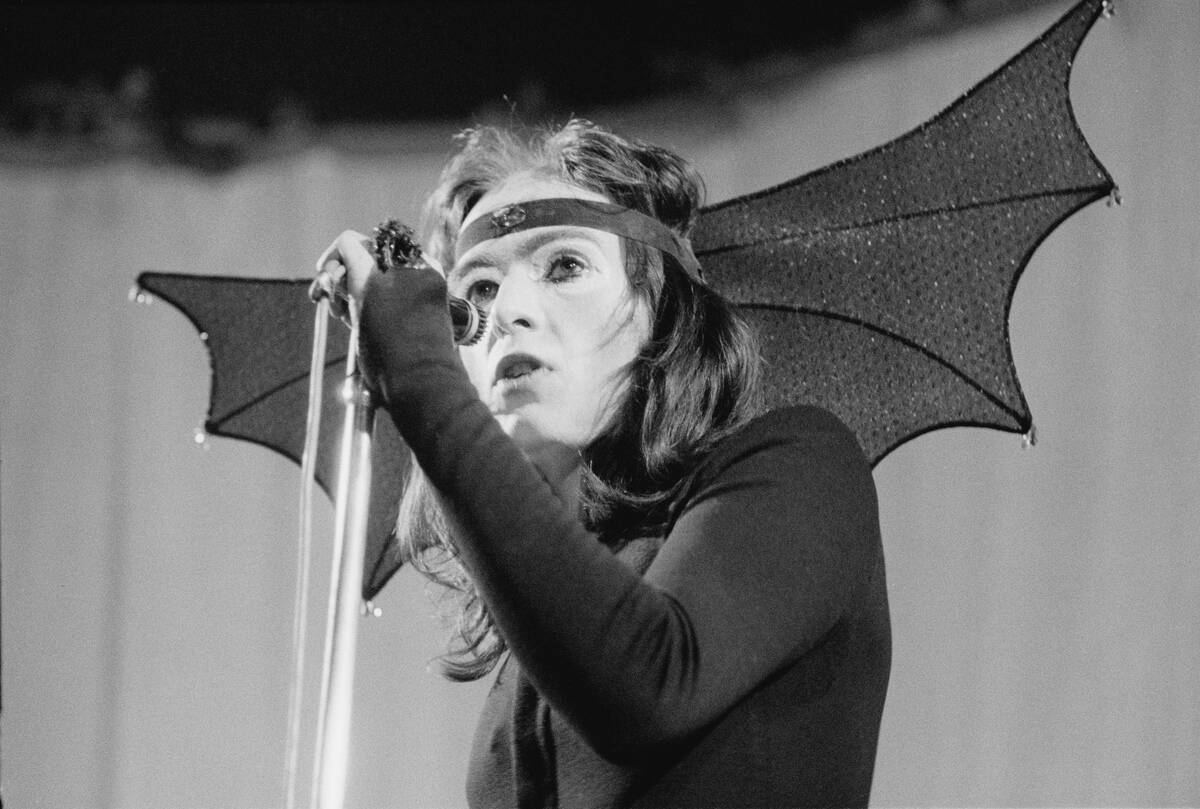
Peter Gabriel’s “Sledgehammer” was a groundbreaking achievement in visual effects. Released in 1986, the video used stop-motion animation, clay animation, and pixilation to create a surreal and captivating experience.
Directed by Stephen R. Johnson, it showcased a series of imaginative and whimsical scenes that complemented the song’s energetic vibe. The video’s innovative techniques and creativity earned it nine MTV Video Music Awards, making it one of the most awarded videos in history.
Missy Elliott’s “The Rain (Supa Dupa Fly)”: Breaking the Mold with Unique Style
Missy Elliott’s “The Rain (Supa Dupa Fly)” broke the mold with its futuristic style and bold visuals. Released in 1997, the video was directed by Hype Williams and featured Elliott in an inflatable patent leather suit, creating an unforgettable image.
Its fish-eye lens shots and vibrant colors set a new standard for hip-hop videos. Elliott’s innovative approach and unique fashion sense made the video a standout, influencing a generation of artists and creatives.
Kanye West’s “Runaway”: A Cinematic Experience in Music Video Form
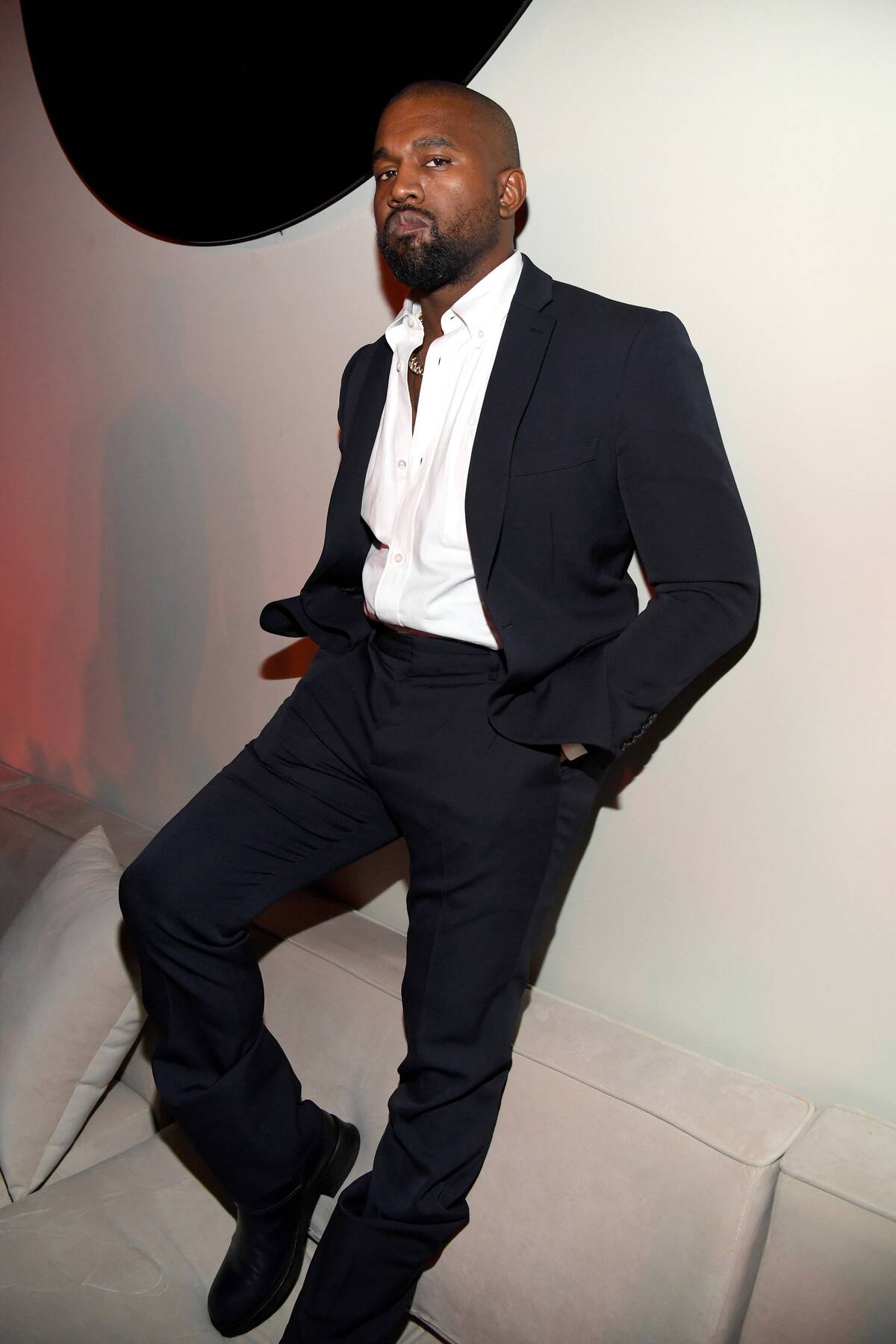
Kanye West’s “Runaway” was a cinematic tour de force, blending music and film. Released in 2010, the 35-minute short film was directed by West himself and featured stunning visuals and a narrative about a fallen phoenix.
The video was praised for its artistic ambition and visual storytelling, showcasing West’s creative vision. Its blend of music, fashion, and art created a unique experience that pushed the boundaries of what a music video could be.
The Buggles’ “Video Killed the Radio Star”: The First Music Video on MTV and Its Impact
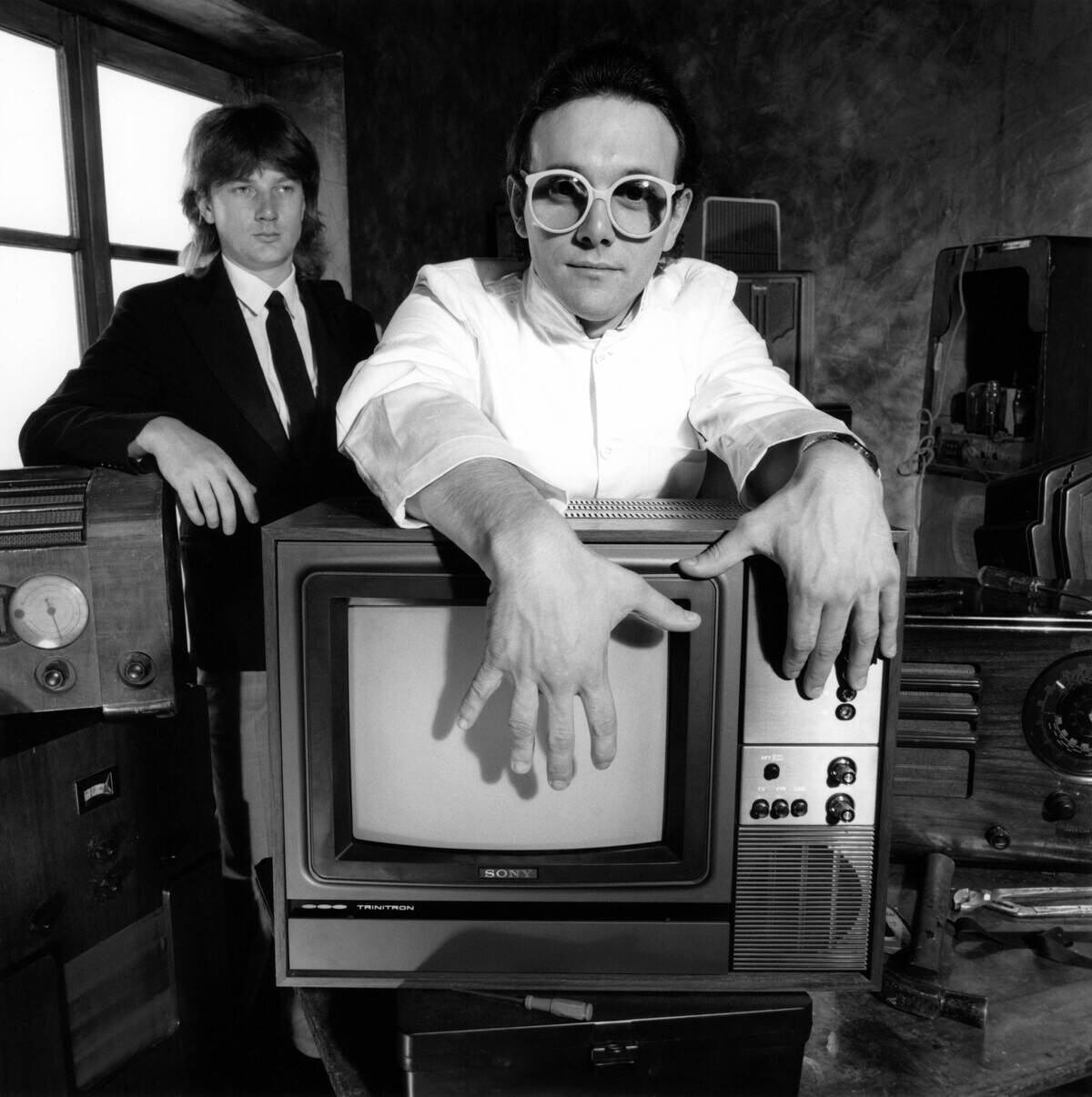
The Buggles’ “Video Killed the Radio Star” holds the distinction of being the first music video ever played on MTV. Released in 1979, the video became iconic when it aired on August 1, 1981, marking a new era in music consumption.
Directed by Russell Mulcahy, it featured futuristic visuals that complemented the song’s theme of technological change. The video’s historic significance and catchy tune made it a symbol of the music video revolution.
Queen’s “Bohemian Rhapsody”: The Original Rock Opera Video
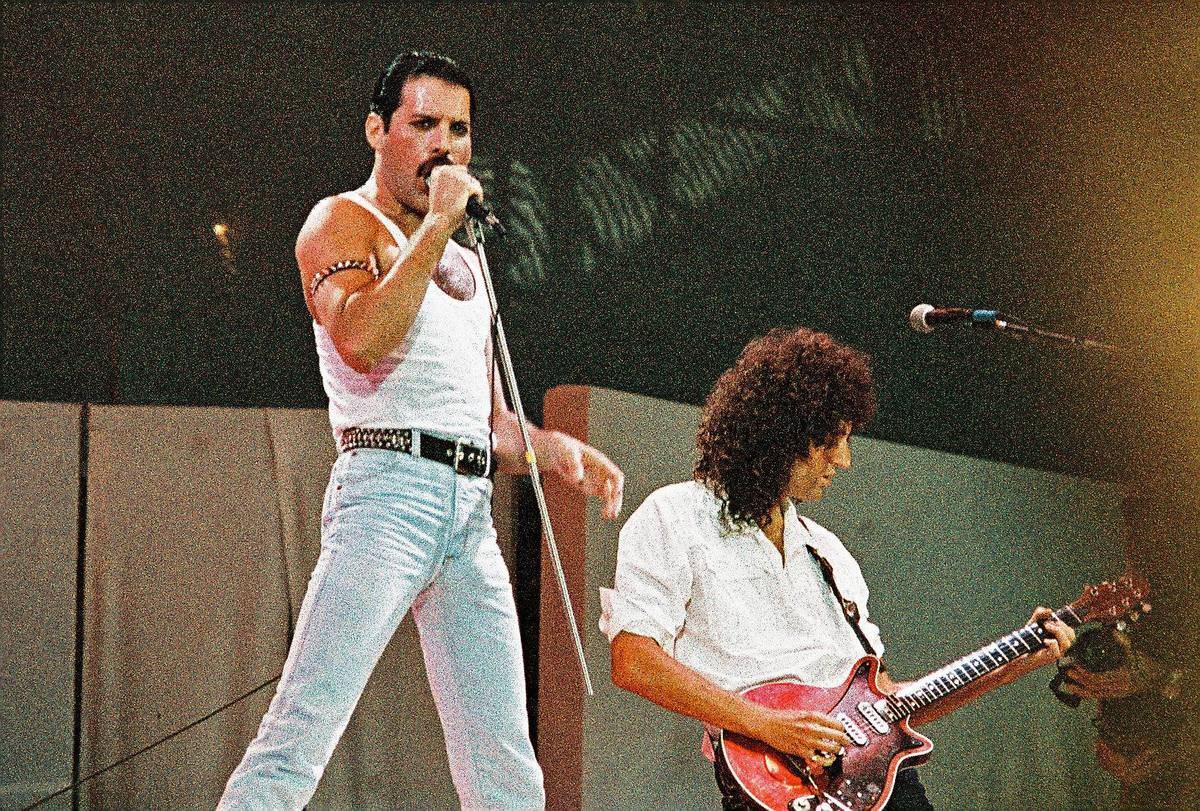
Queen’s “Bohemian Rhapsody” is often hailed as the original rock opera video. Released in 1975, the video was directed by Bruce Gowers and featured the band performing in a dark, atmospheric setting.
Its innovative use of visual effects, such as the iconic “floating heads” sequence, set a precedent for future music videos. The video’s theatrical style and complex structure mirrored the song’s operatic nature, making it a groundbreaking moment in music history.
Janet Jackson’s “Rhythm Nation”: Dance, Unity, and Social Change
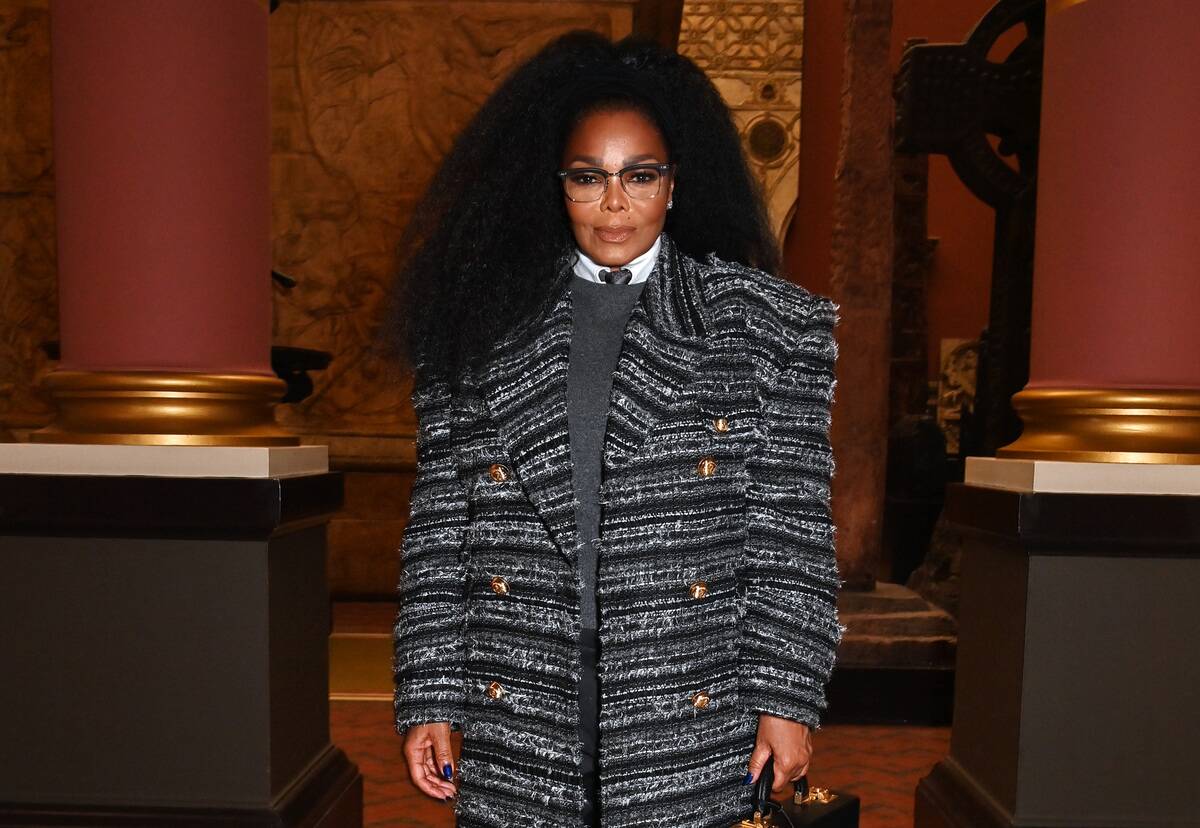
Janet Jackson’s “Rhythm Nation” was a powerful statement on unity and social change. Released in 1989, the video featured Jackson and her dancers in military-style outfits, performing intricate choreography.
Directed by Dominic Sena, it addressed issues like racism and inequality, using dance as a form of protest. The video’s dynamic energy and socially conscious message resonated with audiences, earning it critical acclaim and solidifying Jackson’s status as a trailblazer in music and activism.
Psy’s “Gangnam Style”: The Global Phenomenon of K-Pop

Psy’s “Gangnam Style” became a global sensation, bringing K-Pop to the forefront of international music. Released in 2012, the video featured Psy’s signature horse-riding dance move and a humorous take on South Korean luxury culture.
Its catchy beat and entertaining visuals quickly went viral, breaking records as the first video to reach one billion views on YouTube. The video’s widespread appeal and infectious energy made it a landmark moment in pop culture.
The Beastie Boys’ “Sabotage”: A Homage to 1970s Cop Shows and DIY Aesthetic

The Beastie Boys’ “Sabotage” paid homage to 1970s cop shows with its DIY aesthetic. Released in 1994, the video was directed by Spike Jonze and featured the band members in exaggerated roles as detectives.
Its fast-paced editing and humorous tone captured the essence of classic TV crime dramas. The video’s playful style and nostalgic references made it a favorite among fans, showcasing the Beastie Boys’ creativity and sense of humor.
