

The games industry’s obsession with visual fidelity is costing them money and talent
Big developers are discovering that the technical progress of photorealism doesn’t always translate into the creative spark that gives gamers joy – and keeps them playing
Don’t get Pushing Buttons delivered to your inbox? Sign up here
Last week, Asha Sharma, the new head of Xbox, laid out her vision for the future of the console and interestingly, the two titles she picked out as potential areas of growth were Minecraft and Candy Crush Saga – games that don’t exactly scream next-generation entertainment. Neither relies on hyper-realistic visuals, which is the north star that games consoles and gaming PCs have been aiming at for the past 40 years. They are, instead, well-designed, well-loved franchises that you can play and enjoy on almost any PC, console or phone.
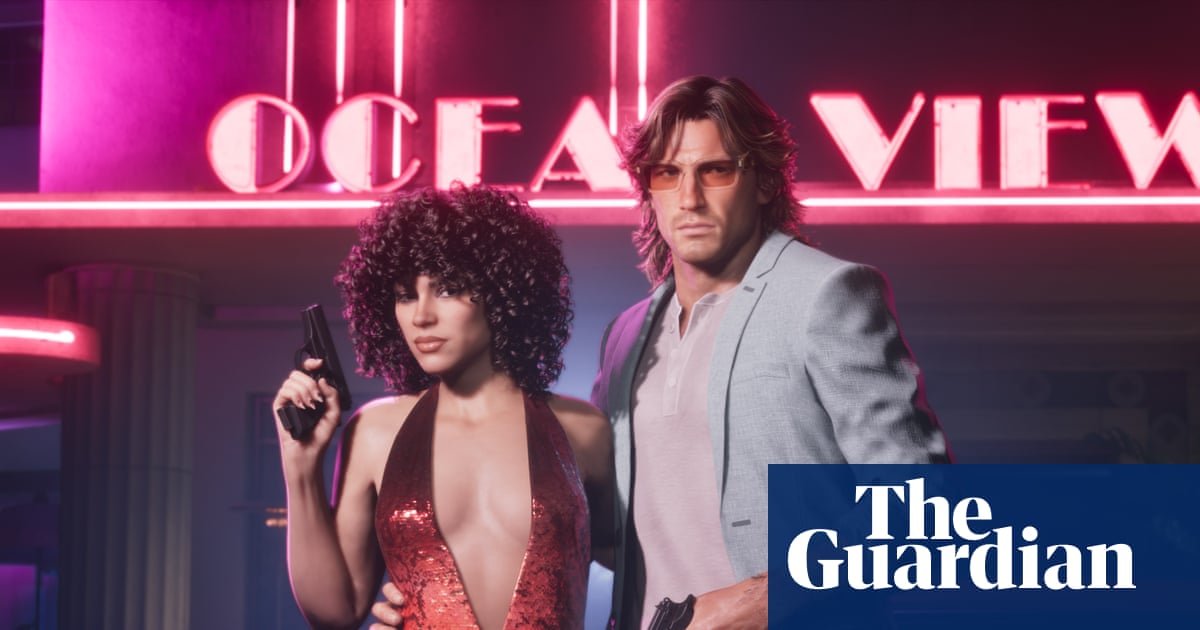
The fact is, the quest for visual hyperrealism is breaking the games industry. It’s becoming more and more expensive to put high-end graphics hardware into machines thanks to demand from the AI sector; at the same time, creating superrealistic visuals is an incredibly expensive and complex part of game development, leading to longer development periods. GTA VI, for example, has taken at least eight years to develop and is rumoured to have cost between $1bn and $2bn. By my back-of-an-envelope calculations, that’s around four times more than GTA V. Admittedly, the detail on everything, from the characters’ faces, to the cars, to the cityscapes, is astonishing. But will it be four times better than GTA V? Will it be four times more fun?
It’s very clear from the shameful number of redundancies the industry has processed in the last two years that its model isn’t working. An increased focus on graphical fidelity leads to greater costs, which in turn leads to creative caution. Everyone is chasing a teeny number of slots in the big genres, and most of them are falling short. Was Concord – an OK entry into the grossly over-burdened hero shooter genre – really worth the $400m that Sony put into it, or would that money have been better spent on a few more games like Astro Bot, or even a fresh Ratchet and Clank or two?
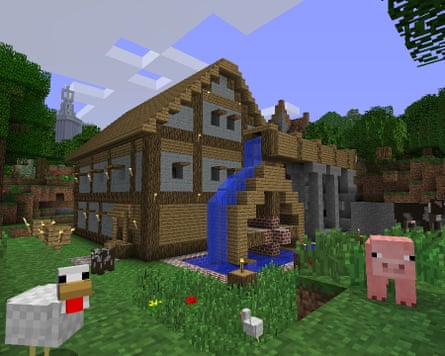
I’m convinced that only a small minority of gamers now care about how many beautifully lit, ray-traced, frame-injected polygons a machine can fling around. I feel a wave of despondency any time a game asks me to choose between performance or fidelity modes. Sometimes I don’t even notice if I’m playing at 30 or 60 frames per second.
Visual fidelity isn’t where the art happens. The art is in the style and substance of the game. Titles such as Okami, Journey or Cuphead wouldn’t look better with more detailed graphics. I didn’t enjoy The Last of Us more on PS5 than I did on PS4 – or PS3, for that matter. We’re at a stage where developers have nailed the production of beautiful open worlds filled with lifelike characters. So what do we do with those worlds now? That is the question of the artist – and there are still plenty of artists left in this troubled business.
Lets remind ourselves of the most important shift in visual clarity in the home video business: VHS to DVD. The latter format arrived in the late 1990s and still accounts for 50-60% of disc sales – 4K Blu-ray discs, the most visually detailed offering, come in at about 20%. This is an unfair comparison, of course, because the home video business has faced a very different range of competitors and market challenges. But the fact is, when people want to buy a film, half of those people will still buy it on a format that’s been around for almost 30 years.
What have been some of the best games this year? Pokopia, Mixtape, Cairn, Lego Batman: Legacy of the Dark Knight, Mina the Hollower, Denshattack!, Mewgenics, Titanium Court … None would have been made more compelling by detailed graphics. Sure, these are mostly indie titles – they don’t have to shift hardware units, and they don’t have to showcase the prowess of first-party studios to shareholders – but it’s interesting, isn’t it, that the two games Xbox’s Sharma referenced for her road ahead had comparatively humble origins. So did Roblox, the title that Minecraft must contend with; as did Fortnite, possibly the most popular game in the world.
If social media platforms have taught us anything, it’s that we live in an age that values rapidly dispersed ideas over “perfect” realisation. If digital TV platforms have taught us anything, it’s that people struggle to wait two years for a new instalment in a beloved franchise. And yet the market is saturated with high-end content; it is everywhere, and it is losing. TS Eliot once wrote: “Humankind cannot bear very much reality” – in art, in games, in real-life, we like to stop just short. That is the sweet spot. An ultra-high-end graphics chipset is not required to get us there.
What to play
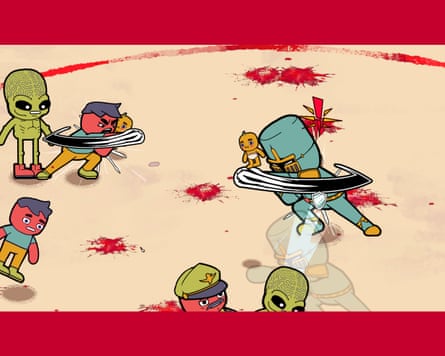
It’s an age-old philosophical question: how many men would it take to defeat a lion in combat? Or a gorilla? Or a duck the size of a horse? Well, thanks to How Many Dudes? we can now answer that question. In this roguelike auto-battler, you build and command a group of differently skilled dudes – some are wizards, some are zombies, some are knights, but all must enter the arena together and fight whatever fate throws at them. The experience is a chaotic and ridiculous maesltrom of flailing limbs – there is tactical depth beneath the daft premise. The game is a cult hit on Steam and, dude, after only a few hours of play, I can totally see why.
Available on:PC, Android
Estimated playtime:Five hours plus
What to read
-
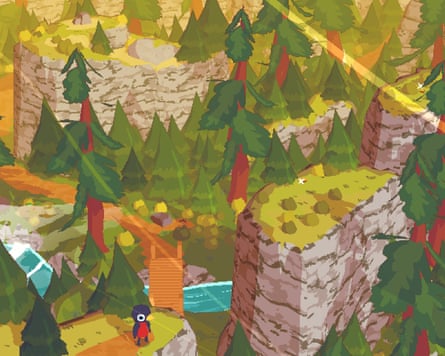
An indie game bundle put together to raise money for laid-off game developers in North America has raised more than $100,000 in three days. The bundle, organised by the Communication Workers Union, is available on Itch.io for $10 (though you can pay more) – it includes 127 games, including acclaimed titles such as A Short Hike and SkateBird. The offer is running until 13 August.
-
Electronic Artshas been bought by Saudi Arabia’s wealth fund and a group of investors for $55bn (£41bn). It is the second-biggest gaming acquisition, and ends EA Games’s 36-year history as a publicly traded company.
-
Microsoft has increased prices for Xbox consoles in Europe and the UK. At the lowest price point, the Xbox Series S 512GB model is going up from £299.99 to £429.99, while the Xbox Series X 1tb model will be rising from £499.99 to £669.99. The company has blamed higher storage and memory costs. Hoping things will improve next year? Nope. Samsung expects the situation to worsen through 2027.
-
Sega has created a five-hour playlist featuring the music of Sonic composer Jun Senoue, as VGC reports. Available on Apple Music and Spotify, it contains 100 tracks and runs for just over five hours. Perfect for your next hike across the Pennines (or, indeed, any Green Hill Zone).
-
Our Summer Games preview is in full swing, with pieces about Clean Start’s thought-provoking tidying sim, A Line Held Tight, about worker’s rights and lives, and the adorable Tanuki: Pon’s Summer.
skip past newsletter promotion
What to click
-
The end of the world: how players mourn the death of their favourite online games
-
‘The language of Pokémon is universal’: why fans are still catching ’em all after 30 years
-
What is Fields of Mistria? A magical new obsession for fans of Stardew Valley
-
My family is coming apart – so it’s time for one last video game session | Dominik Diamond
-
SingStar Take That anyone? The strange joy of charity shop video games
-
Halo: Campaign Evolved – they don’t make ’em like this any more | ★★★★☆
-
Big Walk – larking around with mates elevated to an artform | ★★★★☆
Question Block
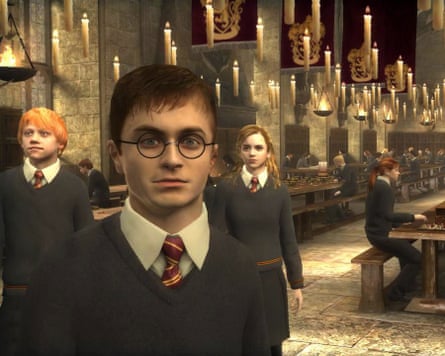
Here’s a timely question from Maddie
“Whatever happened to the movie tie-in video game? As someone who first got into games by playing the Harry Potter titles on PlayStation, I miss these often derided treasures. Did they just go out of fashion?”
Conveniently for me, the answer to this question is tied in with the essay above: movie games simply became too expensive and took too long to make, so the risks outweighed the potential rewards. What we tend to see now are more limited tie-ins, such as mini VR “experiences” along the lines of Stranger Things VR or <a href="https://www.maze-theory.com/our-games/projecthailmaryvr” rel=”nofollow noopener” target=”_blank”>Project Hail Mary: Journey Among the Stars, a forthcoming mixed-reality tie-in with the film. With the really big movie brands, meanwhile, we’re getting standalone offshoots – Indiana Jones and the Great Circle, Alien: Isolation, Star Wars Jedi: Fallen Order … I think this is good, as all of those titles were very good – which is more than can be said for most tie-in games throughout history. Let’s be honest, for every GoldenEye, Lego Star Wars or Disney’s Aladdin, there were a hundred Charlie’s Angels, Top Guns and ETs. This is one example where technological progress has brought inarguable benefits.
If you have a question for Question Block – or anything else to say about the newsletter – hit reply or email us at pushingbuttons@theguardian.com.
Explore more on these topicsShare
Reuse this content
