
Close Menu

    Subscribe to Updates

    Get the latest creative news from FooBar about art, design and business.

    What's Hot

    Wonder Woman & Supergirl Recasting Possible After DCU Shakeup, According to Report

    November 13, 2026

    5 Best TV Shows Like The Good Daughter

    November 13, 2026

    Aamir Khan Productions teams up with Excel Entertainment for microdramas

    November 13, 2026
    Facebook X (Twitter) Instagram
    Facebook X (Twitter) Instagram YouTube TikTok
    Comic Vibe
    Friday, November 13
    • Home
    • Comics
      • Comic Vibe News
    • Gaming
    • Movies
    • TV
    • Anime
    • Toys & Collectibles
    • Cosplay
    • Tech
    • Digital Culture
      • Creators & Fan Culture
      • Creator Economy & Fan-Driven Platforms
      • Digital Fandom & Online Communities
      • Metaverse & Virtual Worlds
      • NFTs & Digital Collectibles
      • Virtual Events & Online Conventions
      • Virtual Identity & Avatars
    • Shop
    Comic Vibe
    • Home
    • Contact Us
    • Terms & Conditions
    • Advertise With Us
    • DMCA Policy
    • Privacy Policy
    • About Us
    Home»Comic Vibe News»The Folk Stories Behind the Philippines’ Superheroes
    Comic Vibe News

    The Folk Stories Behind the Philippines’ Superheroes

    JamesBy JamesOctober 3, 20263 Comments4 Mins Read
    Facebook Twitter
    The Folk Stories Behind the Philippines’ Superheroes
    Share
    Facebook Twitter

    The icon indicates free access to the linked research on JSTOR.

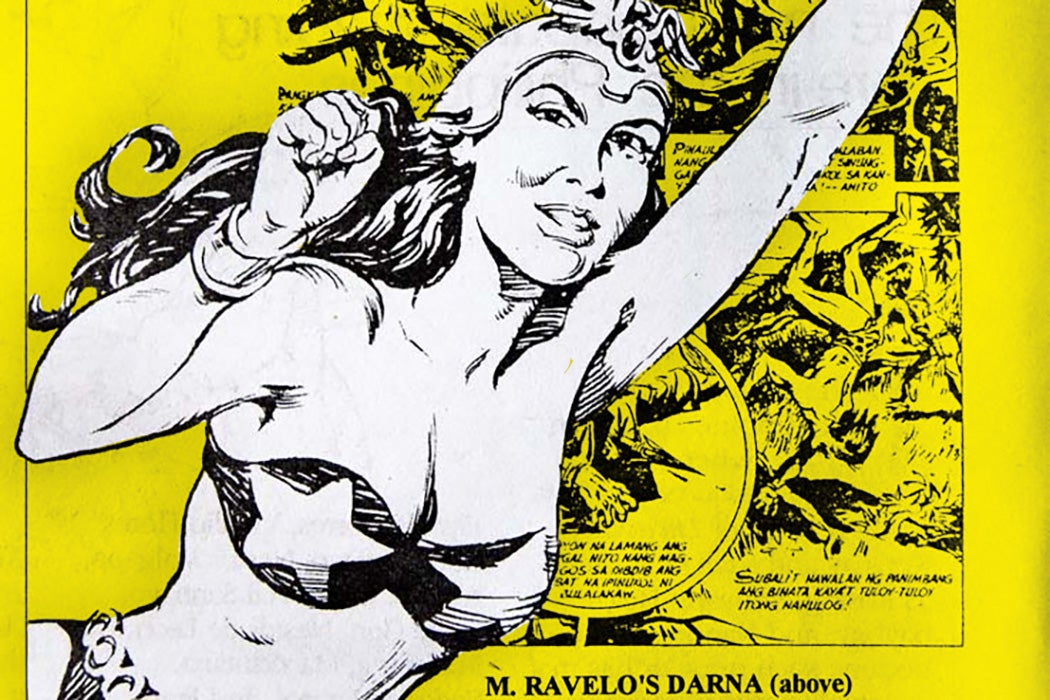
    Sporting a winged tiara and star-spangled bustier and gifted with superhuman strength and flight, Darna could be called the Filipino version of Wonder Woman.

    But unlike the Amazon princess, she’s also a family-minded village girl. Created in 1950 by the prolific Mars Ravelo, Darna demonstrates some of the folk values that have made comic books, or komiksso popular in the Philippines

    Komiks offer readers “exceedingly accessible modes of retelling stories that belonged to the lore of the common people—their myths, epics, legends, and tales,” Reyes says. “In other words, the komiks are unthinkable without our recognizing their deep indebtedness to the rich lore of the common people, the texts through which our forefathers sought to make sense of their lives and thus engage complicated reality.”

    Boldly illustrated komiks made their debut in the Philippines in the 1920s. With Kenkoy, which ran in the Tagalog magazine Liwayway (Dawn), “a whole new world of reading was introduced, where visuals served a key role in helping the reader follow the narrative.”

    Reyes describes the titular protagonist as a “product of the American era”—a materialistic opportunist clad in “modern attire” like wide pants, who “spoke in ‘carabao English.’” But beyond depicting local responses to colonial modernity, Kenkoy also reflects the persistence of figures familiar from traditional folktales, according to Reyes. She views Kenkoy, “who resorted to tricks and gags to get what he wanted,” as echoing other trickster figures like the mouse-deer Pilandok, who outwits more powerful antagonists.

    Komiks enjoyed a heyday after World War II, which Reyes ascribes in part to “writers’ desire to juxtapose the idealized world of the komiks against the misery and despair” around them.
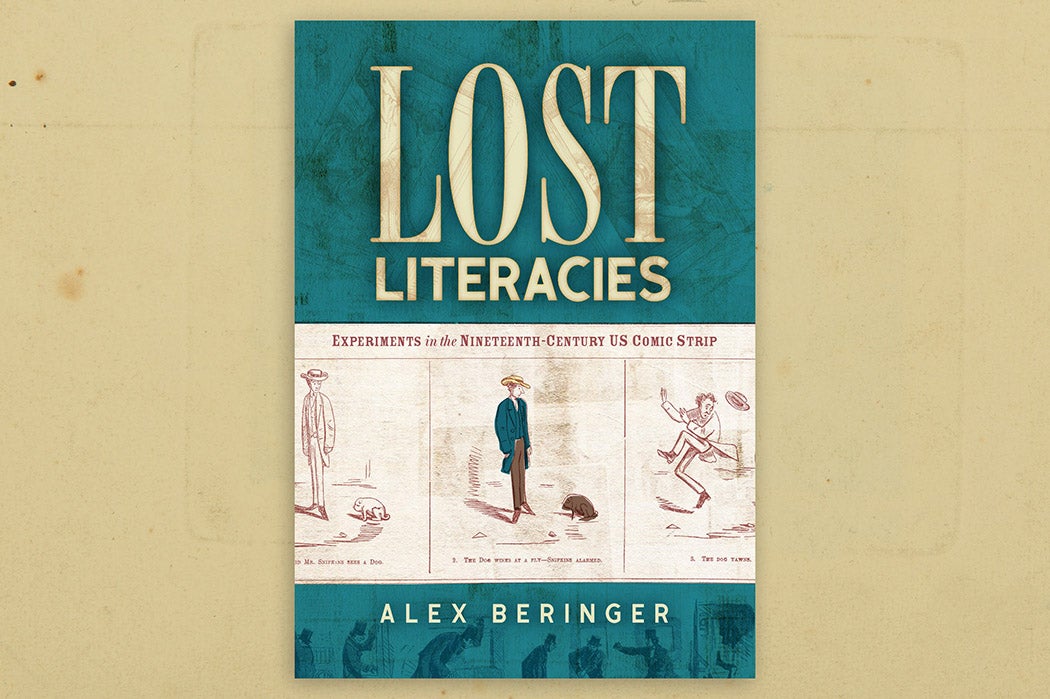
    The cover of Lost Literacies: Experiments in the Nineteenth-Century US Comic Strip

    Lost Literacies Strips Down the Dawn of Comics

    October 9, 2024
    In his new book, literary historian Alex Beringer demonstrates how the birth of the genre of printed comic long preceded the Sunday Funny Pages.

    During the postwar era, writers and audiences continued to turn to the colonial and precolonial past for inspiration. The Tarzan-like Kulafu, who first appeared in Liwayway in 1933, was joined in the 1950s and 1960s by medieval knights and native warriors.

    As the space age raced on, Western media influences also brought “terrifying robots and other creatures from outer space” to 1970s titles like Star Boy and Star Lad. “It was easy to borrow heavily not only from Hollywood films but also from American television series; these were exceedingly accessible and ubiquitous,” Reyes explains. Still, these science-fiction stories appeared alongside “narratives that resurrected a number of preternatural creatures from our legends and myths” like the aswang.

    For Reyes, the popular appeal of the komiks stemmed not from their wide-ranging plots or exotic settings but from their consistent affinity with the Filipino underdog. Their iconic characters are “characterized by a deep sympathy for the plight of the powerless”—a trait that resonated all the more when public institutions were perceived as unable to save the masses from oppression by landlords, criminals, disease, and hunger. “The terrifying creatures preying on them, haunting them from the bowels of the earth or from outer space, were … possible objectifications of actual monsters that continued to sow terror.”

    Weekly Newsletter

    Komiks declined in popularity in the 1980s and 1990s, as many authors and artists exited the industry or moved abroad for work. To attract new readers, creators began incorporating elements from other popular media, including Japanese adventure anime. Dragon Ball Z and Sailor Moon are among the more recent influences on creators working within a tradition that has long drawn from a wide range of foreign cultures.

    But beneath these changing influences, Reyes finds that “the lore of the folk”—Filipino myths, legends, and epics—remains “a dominant stream that has continued to sustain the komiks until now.” As she concludes, “In a country desperately in need of heroes and manifestations of deeds that transcend self-interest, the komiks offer themselves as possibleeroes.”

    Have a correction or comment about this article?
    <a href=

    JSTOR logo

    Resources

    JSTOR is a digital library for scholars, researchers, and students. JSTOR Daily readers can access the original research behind our articles for free on JSTOR.

    The Komiks and Retelling the Lore of the Folk
    Philippine Studies, Vol. 57, No. 3, Social Fantasies (september 2009), pp. 389-417
    Ateneo de Manila University

    Get Our Newsletter

    Behind FOLK Philippines Stories Superheroes
    Share. Facebook Twitter
    Previous ArticleThe Best New Disney+ Show To Watch Has A 100% Rotten Tomatoes Score
    Next Article Kyunki Saas Bhi Kabhi Bahu Thi 2 actor on Rohit Roy`s dustbin medium remark
    James

    Related Posts

    Wonder Woman & Supergirl Recasting Possible After DCU Shakeup, According to Report

    November 13, 2026

    Aamir Khan Productions teams up with Excel Entertainment for microdramas

    November 13, 2026

    James Tynion IV’s First Christmas Children’s Book Comes Complete With an Animated Trailer (Exclusive)

    November 13, 2026

    Brad Pitt confirmed to star as lead in Darius Marder’s first feature film since 2020, ‘Connector’

    November 13, 2026

    3 Comments

    1. Pingback: 10 Best Action Shows Streaming On Netflix Right Now - Comic Vibe

    2. Pingback: Jalen Brunson And His Whatnot Amazing Spider - Comic Vibe

    3. Pingback: US Soccer Fandom Jumps 10 Points After World Cup, Passes NHL - Comic Vibe

    Our Picks

    Wonder Woman & Supergirl Recasting Possible After DCU Shakeup, According to Report

    November 13, 2026

    5 Best TV Shows Like The Good Daughter

    November 13, 2026

    Aamir Khan Productions teams up with Excel Entertainment for microdramas

    November 13, 2026

    Phantom Blade Zero – Meigu Lake 100% Collectibles Guide

    November 13, 2026
    • Facebook
    • Twitter
    • Instagram
    • YouTube
    • TikTok
    • Telegram
    Don't Miss
    Digital Culture

    Resurfaced video: Colin Farrell talks challenges and joys of raising son with special needs

    By JamesJuly 21, 20260

    In a resurfaced interview that’s going viral, Irish actor Colin Farrell spoke about the challenges and joys of raising a child with special needs. He previously launched a foundation to provide more support for families like his.

    RSF Publishes Investigative Review of Playwin.tw Following Crypto Gaming Risk Findings

    July 21, 2026

    Games Leaving PlayStation Plus in August 2026 Confirmed

    July 21, 2026

    Watch: Vijay`s Jana Nayagan promo released after leak, censor row ahead of July 23 release

    July 21, 2026

    Subscribe to Updates

    Get the latest creative news from SmartMag about art & design.

    About Us
    About Us

    Comic Vibe is a pop-culture destination created for fans who live and breathe comics, movies, anime, TV shows, gaming, tech, cosplay, and collectibles.

    Our mission is to deliver engaging news, reviews, features, guides, and opinions that celebrate geek culture in all its forms. From the latest comic releases and blockbuster films to anime trends, gaming updates, cutting-edge tech, and collector culture, Comic Vibe brings everything together in one vibrant hub.

    Our Picks

    Wonder Woman & Supergirl Recasting Possible After DCU Shakeup, According to Report

    November 13, 2026

    5 Best TV Shows Like The Good Daughter

    November 13, 2026

    Aamir Khan Productions teams up with Excel Entertainment for microdramas

    November 13, 2026

    Subscribe to Updates

    Get the latest comics, anime, movies, TV, gaming, cosplay, and pop culture news delivered directly to your inbox. No spam—just the stories every fan should know.

    Facebook X (Twitter) Instagram YouTube TikTok
    • Home
    • Contact Us
    • Terms & Conditions
    • Advertise With Us
    • DMCA Policy
    • Privacy Policy
    • About Us
    © 2026 Comic Vibe. Designed by Comic Vibe.

    Type above and press Enter to search. Press Esc to cancel.