




EDITION→
Global
•
USA
•
UK
•
AUNZ
•
CANADA
•
IRELAND
•
FRANCE
•
GERMANY
•
ASIA
•
EUROPE
•
LATAM
•
MEA
Edition : InternationalLanguage : English
HOME
NEWS
CREATIVE LIBRARY
IMMORTAL AWARDS
MEMBER COMPANIES
PEOPLE
JOBS
How LBB WorksPlans & PricingEditorial Toolkit

news
NEWS
CREATIVE LIBRARY
IMMORTAL AWARDS
MEMBER COMPANIES
PEOPLE
JOBS
Login or Register
Thought Leaders in association withLBB Events
The Business of Anime: To Belong or Be Left Out

lbbonline.com
0
LIKE
ADD TO COLLECTION
06/08/2026
Share
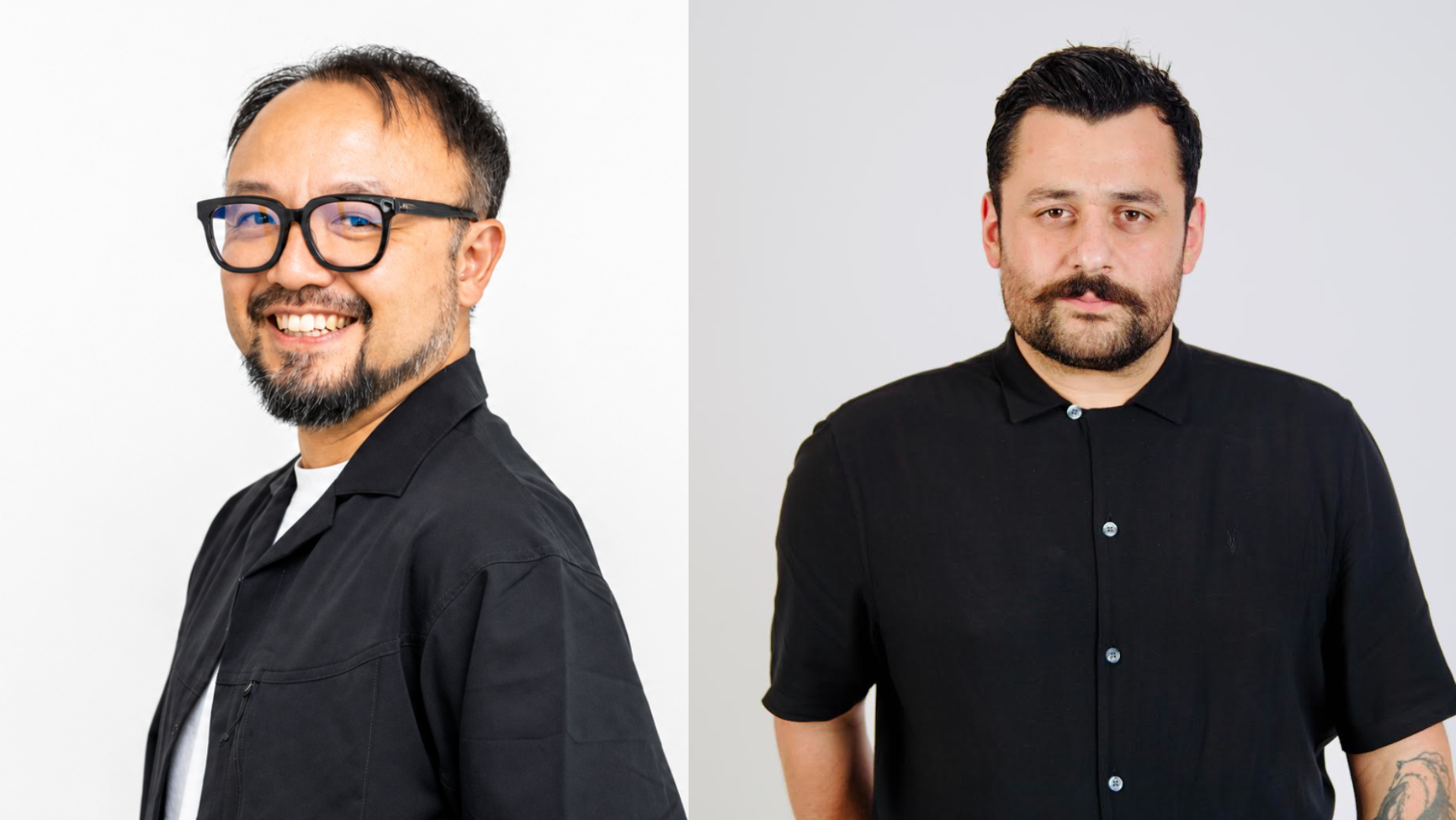
Between impossible worlds and real emotions, anime has become a cultural force capable of bringing generations together and opening new opportunities for brands that understand its power, explores Dentsu’s Kojiro Tanoue and Said Gil
Anime stopped being ‘just for otakus’ a long time ago. Today, it’s part of the daily feed, the endless scroll, and the conversations that jump from WhatsApp groups to X timelines without asking permission. What was once a niche interest is now a shared cultural language that connects generations, activates fandoms, and opens fertile ground for brands that understand this isn’t a space to interrupt, it’s a space to belong.
Kojiro Tanoue, chief solution director at dentsu Japan, puts it plainly, “Anime was never created just for children; it inherited from manga the ability to tell stories that speak to all ages.” This narrative vocation – blending epic battles with existential crises, absurd humour with reflections on identity – explains why the medium has expanded beyond the stereotype of children’s cartoons. It’s not empty escapism; it’s an emotional mirror with a fantastical aesthetic.
The report ‘Anime: A Growing Opportunity for Brands’ by dentsu confirms this evolution: anime is no longer a peripheral phenomenon, but a mainstream form of entertainment with active audiences across multiple regions. Far from being homogeneous, it functions like a kaleidoscope of genres, aesthetics, and emotions that allow fans to find narratives reflecting their own experiences, even when they unfold in fantastic worlds.
“Japanese animation is increasingly integrated into audiences’ daily lives, watching an episode before bed, sharing theories the next day, and buying merch over the weekend has become part of a global cultural routine,” says Said Gil, CEO of Dentsu Creative Mexico and LATAM.
Part of its power lies in its characters, which act as generational references: symbols of perseverance, emblems of resilience, and representations of contemporary anger and moral ambiguity. More recent figures embody empathy amid violence or explore themes like time, memory, and loss. Together, they show how anime evolves with its audience, offering new layers of meaning with each generation.
Kojiro highlights that emotional connection happens even in the most unlikely worlds: “You can have demons or fantastical universes, but the problems the characters face are the same ones we all experience: school, work, belonging to a team.” Even if the settings are impossible, the emotions are real and that’s what delivers the feels that keep fans hooked season after season.
That bond explains why anime fandom doesn’t just consume, participate. Fans create theories, fan art, edits, memes, and obsessive analyses; they attend conventions, cosplay, and defend canon as if it were case law. Data from the Japanese group indicates that a significant proportion of fans actively engage in communities and show a strong willingness to purchase products linked to their favourite franchises. This isn’t fleeting hype, it’s loyalty-built episode by episode.
But there’s a golden rule: if a brand enters without understanding the lore (the set of rules, history, universe, values, and internal consistency of a work), cringe is inevitable. Kojiro warns clearly: “Fans can immediately tell when a collaboration isn’t authentic. If you don’t respect the world and its rules, they reject you.” It’s not enough to use the aesthetic; brands must understand the fandom’s cultural codes and respect narrative consistency. Breaking canon is not an option.
In this space, Dentsu Creative has acted as a cultural bridge. Its role goes beyond amplifying titles; it helps brands integrate without breaking the narrative or alienating the community. Every intellectual property has clear rules that protect its integrity and understanding them makes the difference between creating connections or becoming an unintentional meme.
The Japanese firm’s report highlights the enormous social and commercial potential. Anime fans show a strong willingness to purchase products related to their favourite franchises and to improve their perception of brands that collaborate authentically.
For younger generations, especially millennials and gen z, these partnerships are not only accepted but valued as natural extensions of the worlds they consume. The opportunity for brands lies not just in selling merchandise, but in integrating into a cultural narrative that is already part of millions of people’s daily lives.
Said notes that this phenomenon is not a passing trend, but a signal of cultural change redefining communication: “Brands that understand anime not as a trend but as a cultural territory can build deep relationships with audiences. This is not about visibility, it’s about belonging.”
Latin America plays a key role in this story. Here, anime is not a fleeting trend; it’s part of the cultural DNA of generations who grew up watching dubbed series, swapping discs, and gathering to discuss the latest episode. Today, those same audiences lead vibrant digital communities that blend Japanese references with local identity, proving that fandom is also a space for cultural appropriation and reinterpretation.
The rise of anime reveals something deeper: audiences no longer want one-way messages – they want stories, belonging, and shared experiences. For brands, the challenge isn’t to jump on the anime train – because that train is already moving at full speed, but to understand the journey, respect the crew, and add value to the world fans have built with almost ritual devotion.
In this universe, if you do it right, you don’t just gain visibility, you gain nakama, meaning you move from seeking consumers to building companions who identify with your brand.

Thought Leaders in association withLBB Events
More News from Dentsu Creative México
Content Is No Longer Enough: dentsu, NFL and Warner Bet on Communities17/07/2026
Mothers of Reinvention: From Consumption to Reinvention12/06/2026
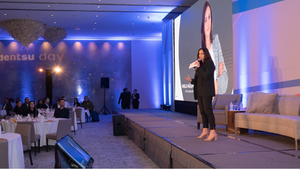
Dentsu Day 2026 Explores AI, Entertainment and the Future of Brand Relevance27/05/2026
ALL THEIR NEWS
Work from Dentsu Creative México

The Infected Billboard VideocaseThe Last of Us
15/09/2023
ALL THEIR WORK
SUBSCRIBE TO LBB’S newsletterEnter your email
FOLLOW US
Events
DPA + SLA (+ US Add.)
MyLBB Score
About Us
Contact
Editorial Toolkit
Help & FAQ
Privacy Policy
Main Terms & Conditions
Newsletters
Create your own LBB icons
How it works
Plans & Pricing
LBB’s Global Sponsor

