

On June 12, 2025, Air India Flight AI 171, flying from Ahmedabad to London, crashed just 32 seconds after take-off, killing 260 people. The tragedy naturally raised questions about the safety of the Boeing aircraft involved, particularly as the American aerospace giant has spent years under scrutiny over its manufacturing and quality-control practices.
It is the controversial history of Boeing’s safety concerns that Rory Kennedy examines in Freefall: A Reckoning for Boeing. A follow-up to her 2022 documentary Downfall: The Case Against Boeing, which went into the crashes of two Boeing 737 MAX aircraft that killed 346 people, Freefall explores the experiences of the quality engineers and whistleblowers who say they repeatedly raised concerns, only to find themselves up against corporate pressure and an organisation increasingly unwilling to listen.
At the heart of the film is a simple but unsettling question: what happens when the people responsible for ensuring an aircraft’s safety no longer feel heard by the people running the company? Through the testimonies of Boeing employees and whistleblowers, including Merle Meyers, Roy Irvin, Sam Mohawk and Sam Salehpour, Kennedy builds a portrait of a workforce caught in a prolonged battle with its own leadership over safety and accountability.
The film opens with the suicide of John Barnett, a former Boeing quality manager who became a whistleblower. His suicide note, read out in the documentary, says: “I hope Boeing pays.” It captures the tone of the documentary: a story about institutional failure, but also about the human toll of confronting it.
Kennedy is at her most effective when she allows the testimony of Boeing’s own workers to carry the weight of the argument. The film points to allegations of damaged parts being used, tests being falsified and production schedules being hurried, while suggesting that such lapses were not always hidden from the management. In one sequence, anonymous workers filmed with a hidden camera say they would not fly on a Boeing aircraft themselves, even if they were offered a free luxury holiday.
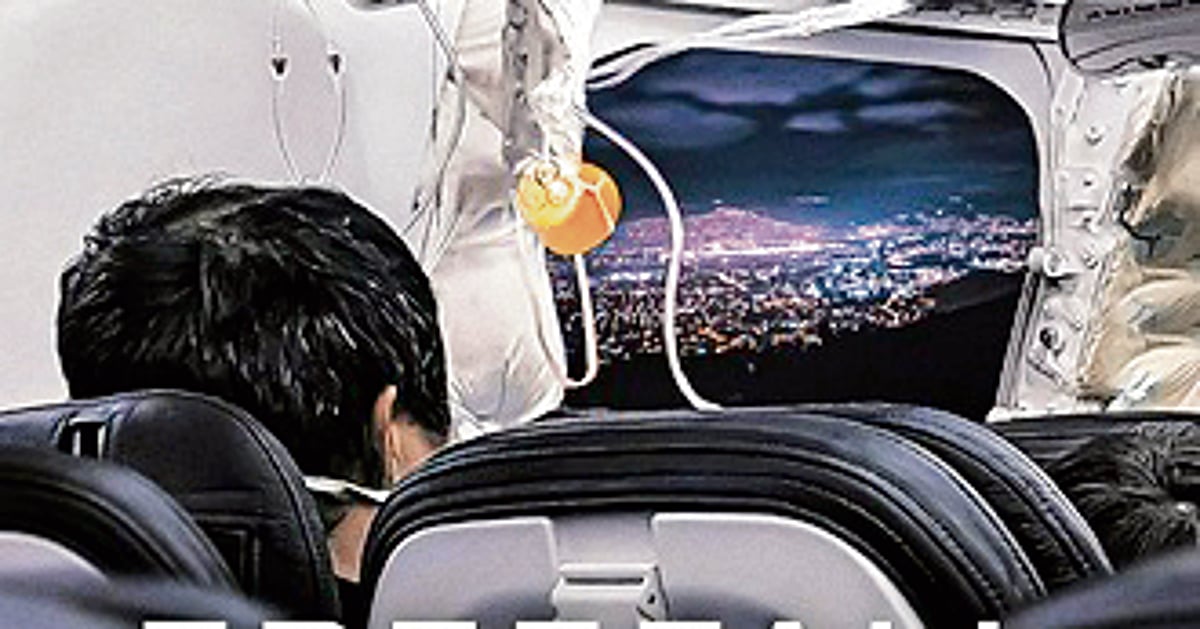
For a film dealing with an intensely technical subject, Kennedy avoids drowning the viewer in engineering jargon, instead using testimony, documents and visual evidence to explain how seemingly small compromises can become matters of life and death. One of the documentary’s most affecting sequences revisits the 2024 Alaska Airlines incident. Kennedy combines footage from the flight with passengers’ texts to their families, transforming a manufacturing failure into something immediate and frightening. Over its 93-minute runtime, Freefall assembles a wide range of voices—reporters, politicians, workers and people affected by Boeing’s failures—alongside personal photographs, internal emails, hidden-camera footage, suicide notes. The documentary does not merely recount a series of Boeing’s crises; it <a href="https://comicvibe.com/5-popular-hbo-tv-shows-based-on-books/” title=”5 Popular HBO TV Shows Based On Books”>shows how they can look from the other side of the corporate wall, where employees tasked with protecting quality find themselves fighting the very organisation they work for. The result is an unnerving portrait of what happens when accountability becomes less a corporate principle than a word employees have to fight to keep alive.
