

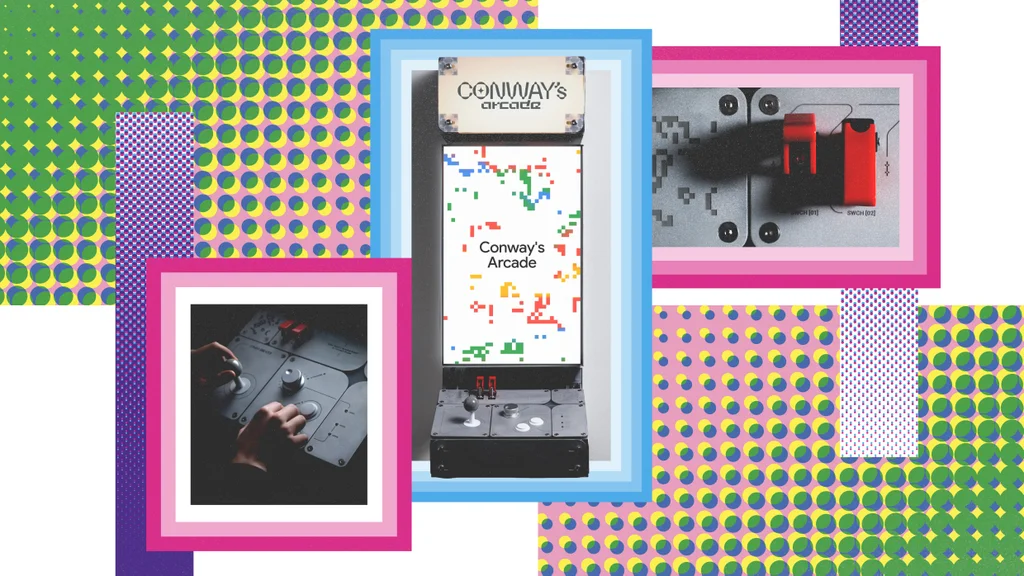
Conway’s Arcade looks like the sleekest possible version of the classic arcade cabinet—except it doesn’t run arcade games from the ’80s and ’90s. Instead, it generates games, and the rules behind them, from scratch using Google’s Gemini 3.0.

Built by creative agency SpecialGuestX in partnership with production studio 1stAveMachine for Google, Conway’s Arcade is the winner of the 2026 Innovation by Design Awards in artificial intelligence design. The machine debuted at NeurIPS 2025, the AI industry’s largest research conference. There, the audience of researchers, PhDs, and AI and math students could speak a game idea into a microphone and watch it materialize on screen.
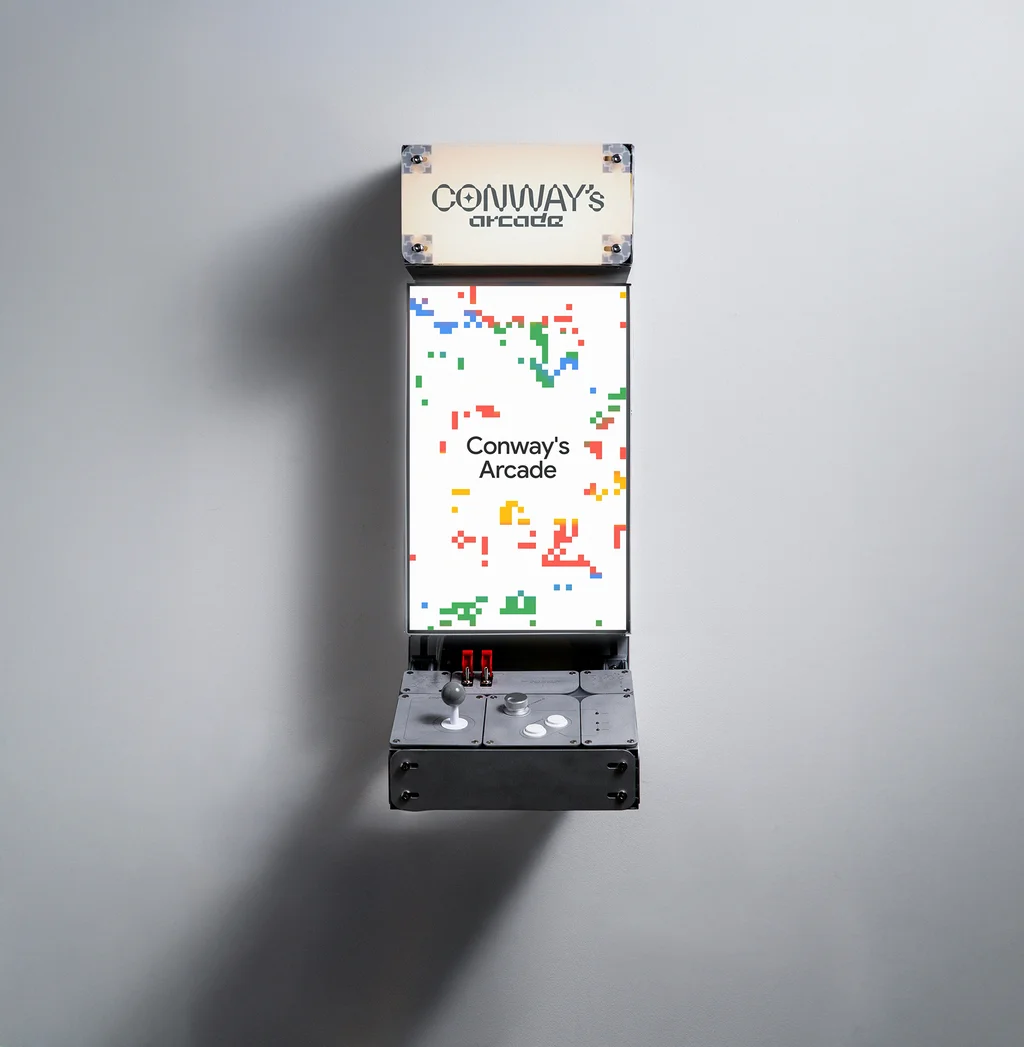
The project began as an experiment about a year and a half ago. “That’s the first time we saw models starting to program in a serious way,“ says Miguel Espada, SpecialGuestX’s executive creative director. Video games appealed to him and his team as a natural test case for the technology, since games are self-contained worlds built on their own explicit rules, and because so many programmers already love them.
The goal, Espada says, was almost a generational fantasy: “A hardware that you’d talk to, tell it you want to play a certain game, and it would just generate it for you in real time or near-real time.”

The first version was a literal 1980s arcade cabinet, tube screen and all, gutted and rebuilt. SpecialGuestX replaced the original control board with a computer, hacked the video driver to work with the old tube display, and installed a microphone so users could talk to the machine directly. The opportunity to build a second version arrived when Google, exhibiting at NeurIPS, wanted a way to demonstrate its AI capabilities to a technical crowd.
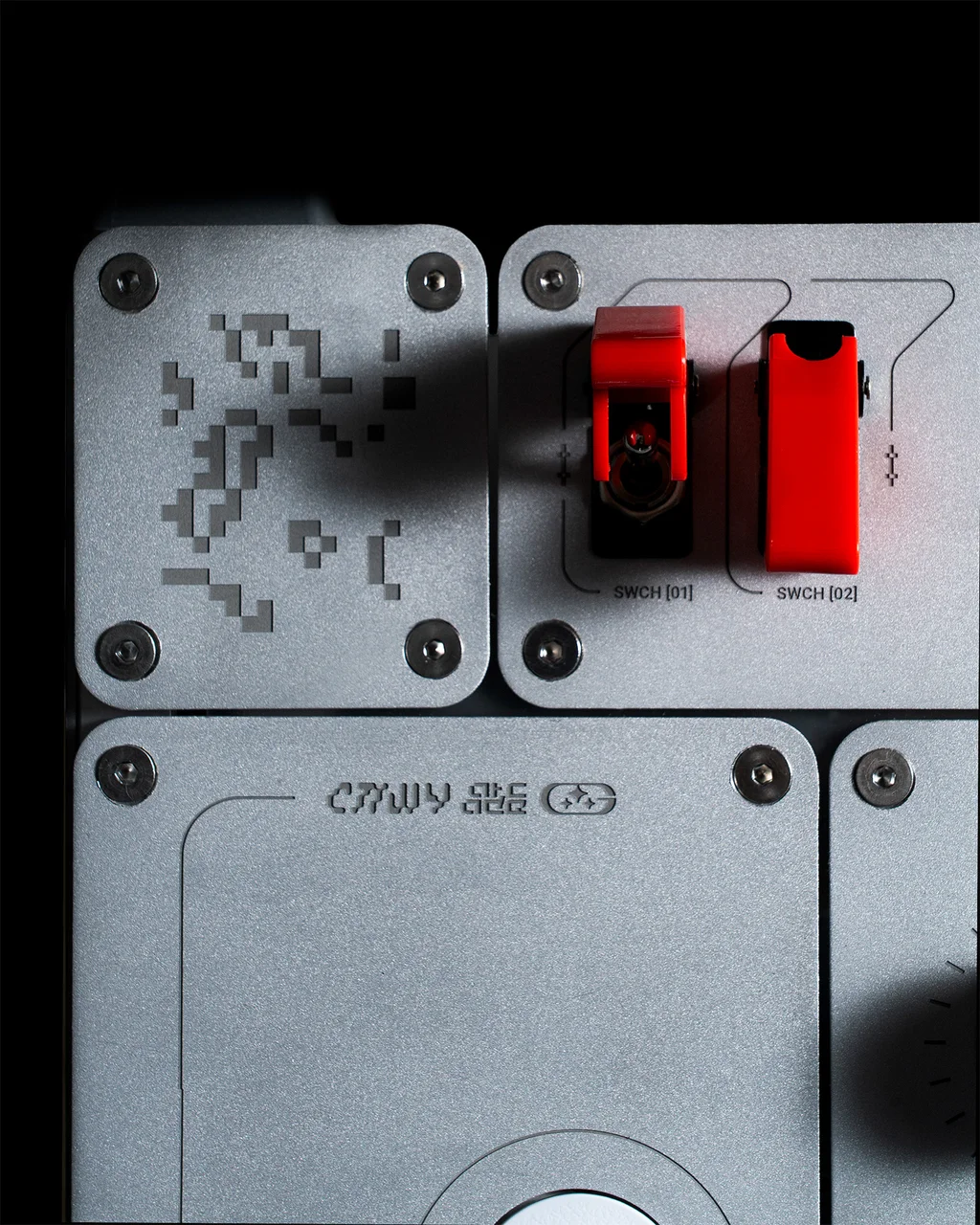
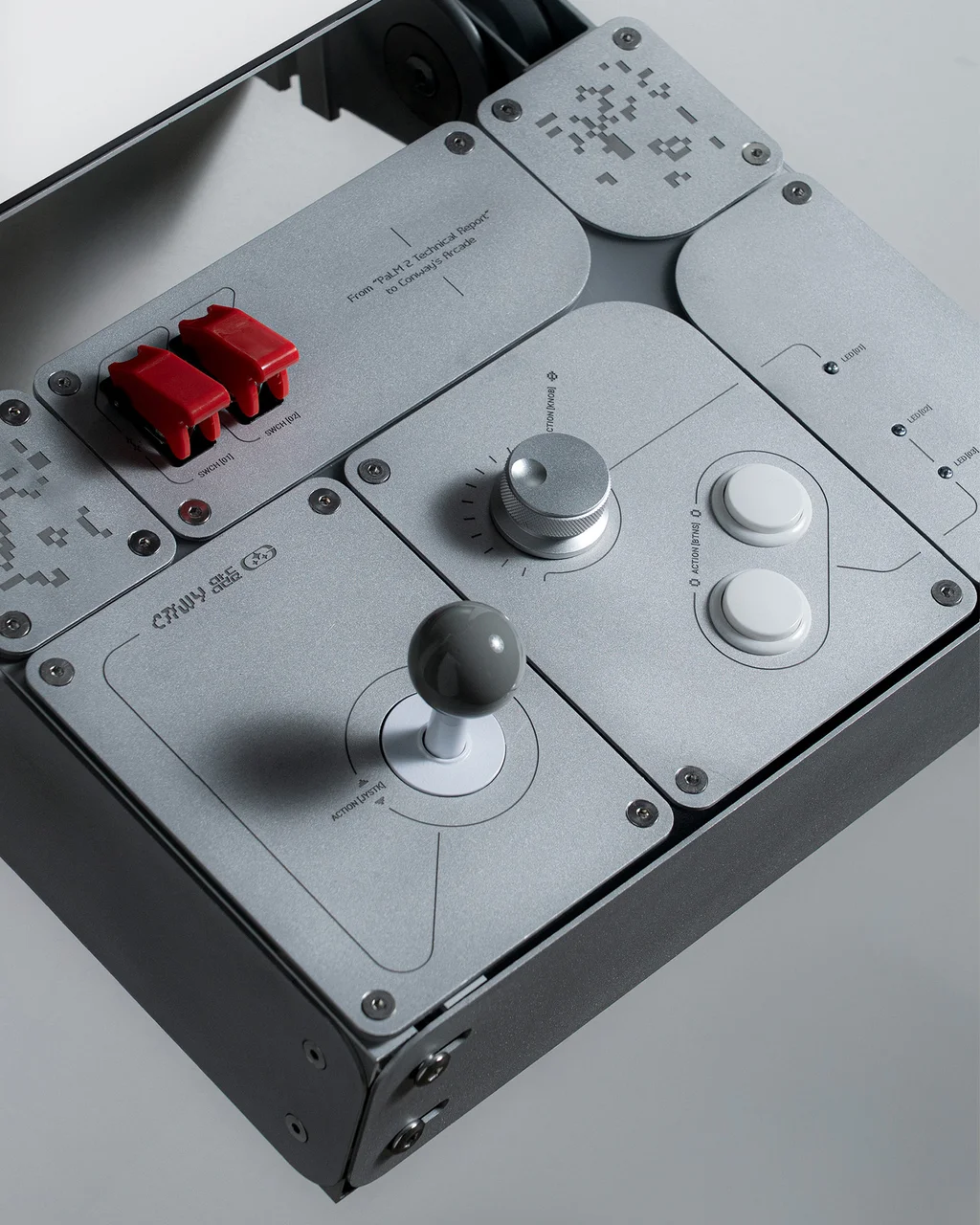
They pitched bringing the arcade concept to the conference because it showed off Gemini’s code-generation ability in a format that felt playful rather than technical. For that phase, the team designed new hardware from scratch, with its own visual identity, developed in-house between SpecialGuestX and 1stAveMachine.
How the game factory works
Internally, the system works in layers. A user speaks into a microphone, and a language model first translates that request into a structured game-design prompt, recognizing genres the way a game programmer would. Ask for “a fighting game between cats and dogs,” Espada says, and the model reasons that this resembles something like Street Fighter, then rewrites the request into a far more detailed prompt suited for generation.

3 Comments
Pingback: Kingdom Hearts' Huge Fortnite Collab Revealed Ahead of Next Update - Comic Vibe
Pingback: Nikkhil Advani on Gandhi, guns and ‘The Revolutionaries’: ‘Why should I separate my politics from my art?’ - Comic Vibe
Pingback: Video Game Against Depression - Comic Vibe