

Glassbreakers review was originally published as an unscored, ongoing review on November 13, 2025. Updated with a full review with scores on December 18th after playing this game for 5 weeks. Other adjustments have been made to reviews regarding player base, co-op mode, post-launch updates, and conclusion.
“Time is running out!” I heard an urgent voice and looked up to see 30 seconds left on the clock.
But I’m not worried. The game is close, but I have an advantage. I pause and ponder as I watch my opponent use a desperate maneuver to force the champion into the left lane. Should I defend and take the game to overtime, or should I try to win now? In one fluid motion, I make a decision and order my adorable troops to attack the enemy’s glass. It’s a risk, but so what? It’s all included.
As they passed the point of no return, they heard the already weakened Swaystone cracking and realized that their attack had been a feint. My opponent approaches my center glass with a huge damage advantage. I had a problem with my first match.
I forced my squad to retreat with a simple gesture, but I was out of position and weakened by their defensive turrets. I launched a valiant last attempt to defend Glass, chaining special attacks together to quickly take down their tanks, but it was too little, too late. With seconds left, a brutal AOE spell destroyed my troops and my glass.
But that also applies to the Glassbreakers. It’s a game where every decision counts, and it’s never over until it’s over.
What is it?: A tabletop strategy battler set in the Moss universe.
Platform: Quest 3, Steam, Apple Vision Pro (reviewed on Quest 3)
Release date: November 13, 2025
Developer/Publisher: Polyarc
Price: $19.99 (Quest, Steam) or Apple Arcade subscription
mighty mouse
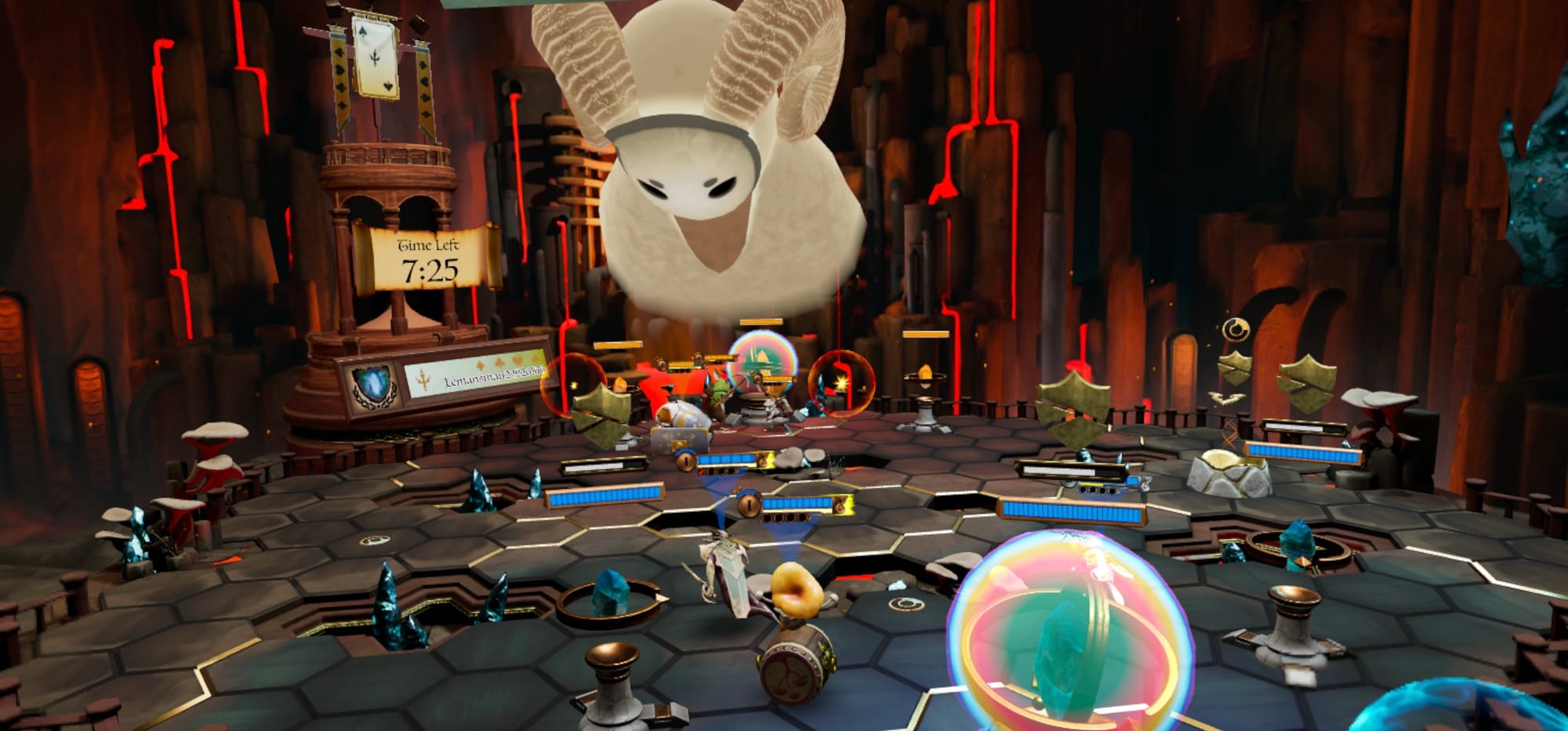
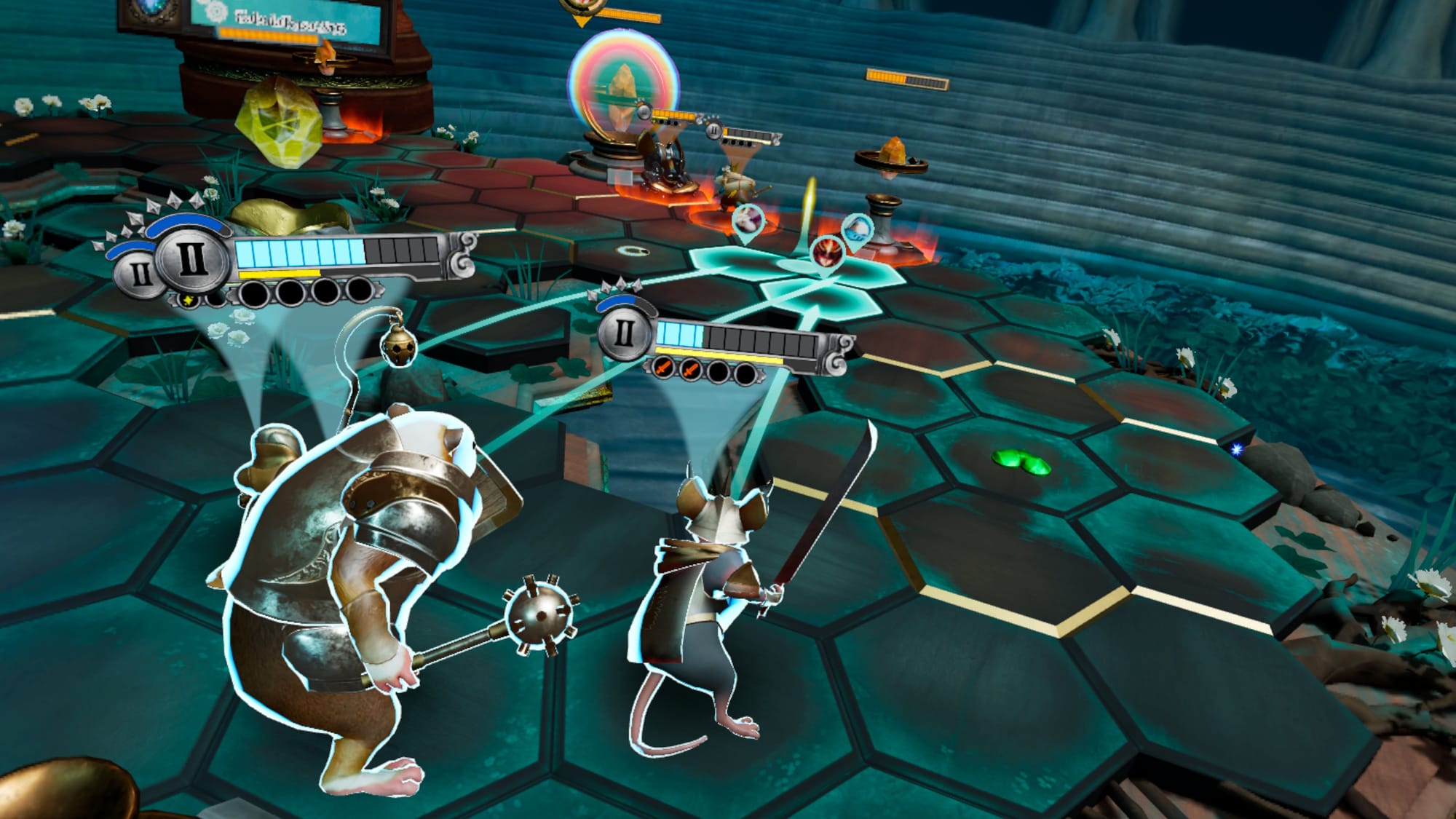
Set in the same charming world as the Moss series, Glass Breakers throws the heroes of that world’s small forest into fast-paced, strategic tabletop combat. Each player commands a team of three champions, small but mighty creatures ranging from crossbow-wielding rats and armored hamsters to mechanical insects and mischievous sprites. MOBA fans will immediately feel at home, as archetypes such as Tank, Healer, Damage Dealer, Support, and Control are instantly recognizable. They are all here.
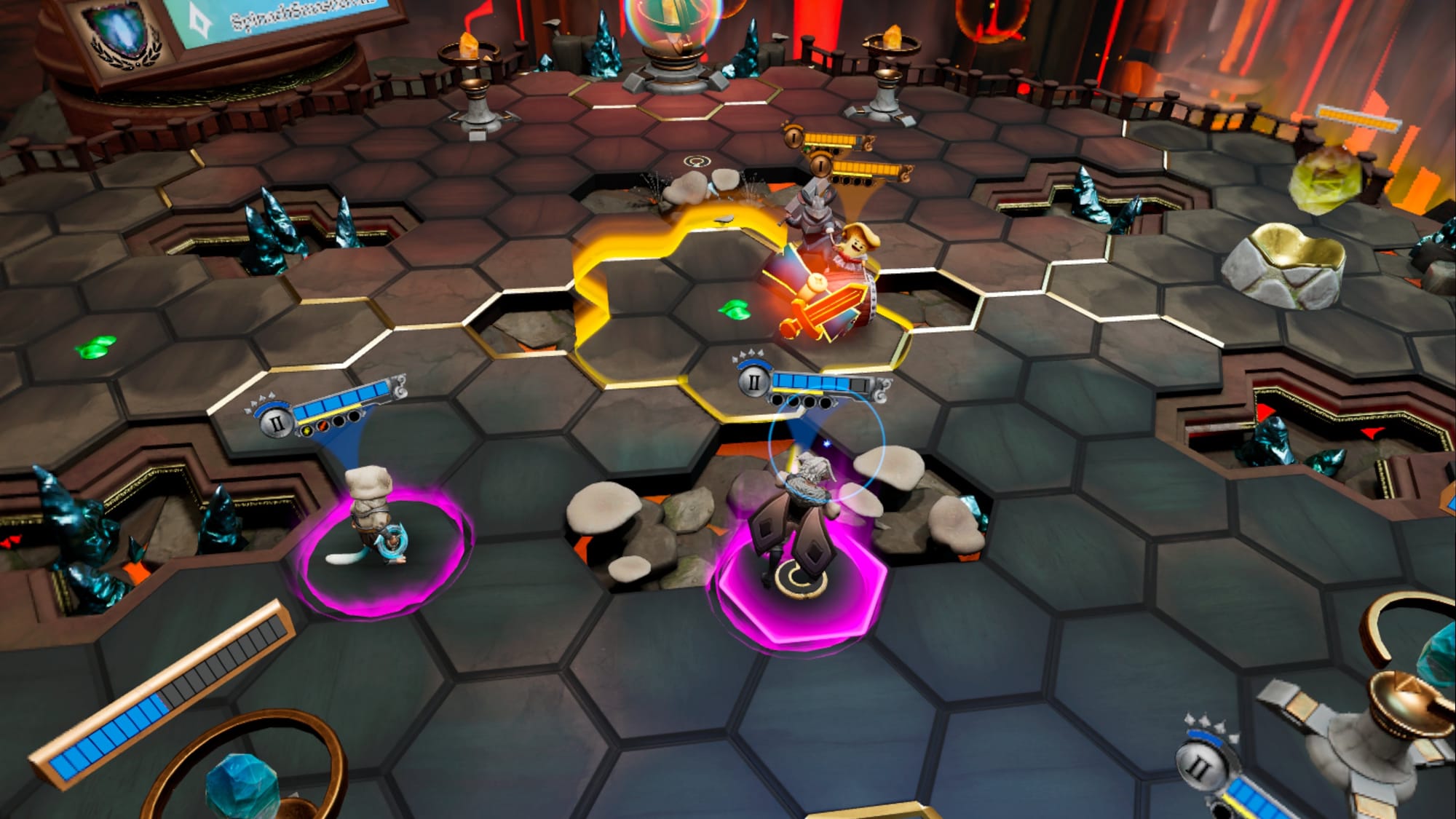
Glassbreakers’ purpose is simple. The goal is to shatter your opponent’s “glass” before they destroy yours. There are two small ones on the sides of the main glass. A defensive turret. At least one of them must be destroyed before the central base becomes vulnerable. Like all good strategy games, it seems easy at first glance. Every match becomes a delicate ballet of small decisions, positioning, timing, and calculated risks.
Glassbreakers is primarily an online competitive game. However, there are still options available for those who want to play solo. There’s no campaign to speak of, but players can spar against AI opponents in three difficulty levels. Initially, these provide enough challenge to ensure solo fun at all times, but experienced players will likely find that the challenge wears off after a few hours.
As with many online games, long-term success will depend on the strength of the community and the activeness of the player base. Unfortunately, after five weeks of play, the servers are still not as full as many players would like. But it’s still early days. While the player base isn’t deep enough to guarantee matches at any time, Glassbreakers has cultivated a thriving community of loyal fans who arrange games and tournaments (and even a league starting in 2026) via Discord.
There’s also a co-op mode where players can team up and split control of three champions between them. While the concept of co-op sounds great, I personally felt that the asymmetry of sharing three champions between two players wasn’t ideal. Glassbreakers also offers cross-platform support and a player base drawn from the Quest 3, Steam, and Apple Vision Pro ecosystems.
in the deep end
At first glance, it might be easy to miss the level of nuance and depth that Glassbreakers offers. Tutorials are well-established for showing players how to play a game, but they are less effective at showing players how to play a game well. My first few attacks were a graceful exercise in repeated stuttering attacks, which unsurprisingly ended in my quick defeat.
But with a little persistence, this becomes one of the most polished and balanced strategy games I’ve ever played, and I’m very glad I took the time to dig deeper than I did in my first session.
Once you get the hang of it, Glassbreaks offers a nicely layered system that forces players to constantly adapt, switching between attack and defense, and moving back and forth between risk and reward. There are high and low tides in real time, every decision is important, and matches can result in the slightest miscalculation.
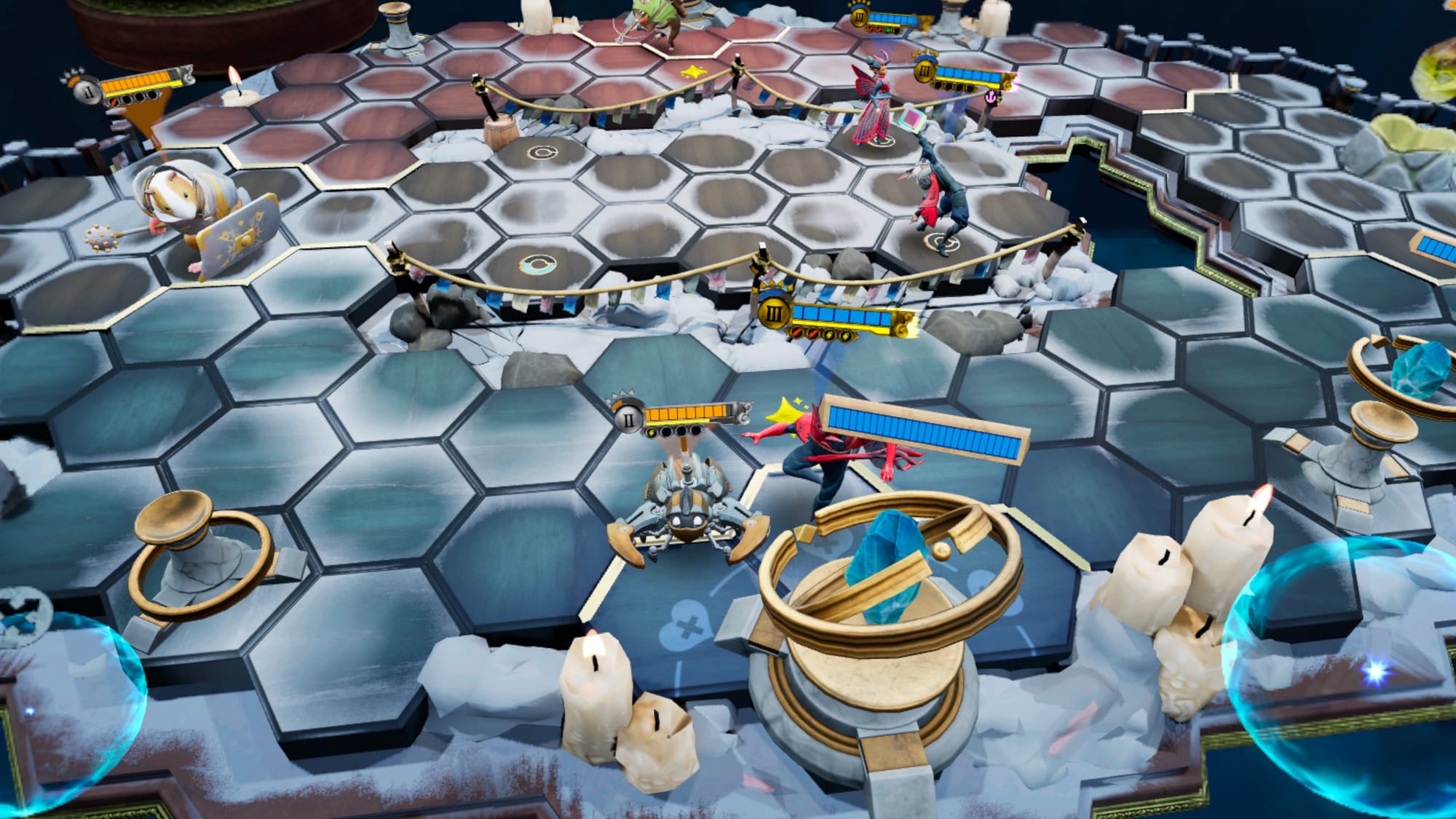
Early in the game, combat can be cautious and a game of cat and mouse. Each time you knock out an opponent, your champion levels up and unlocks more powerful abilities. Playing recklessly will get you knocked out early and give your rival a power boost. There are also points to compete for different objectives, which you can earn to power up one of your champions. Additionally, there is a very important “Sway Stone” that you must fight. This temporarily amplifies damage output against destroyed enemy glass.
All of these factors come into play to make each game of Glass an evolving eight-minute act that balances risk and reward. It is a fascinating blend of micro and macro strategies. There’s always something to think about: who to engage, when to retreat, whether to use your advantage or crack open and force your opponent’s hand. And because every match is short, losing never feels like a punishment. You’ll want to go back and try new strategies right away.
Post-launch updates
Since launch, developer Polyarc has continued to polish and improve the entire Glassbreakers experience, with two patches already released. These updates primarily focus on improving the matchmaking process and balancing champions based on player feedback.
Glassbreakers thankfully released as a very polished game, requiring few of the emergency fixes that are so common these days. As such, the game’s development period currently appears to be focused on improving the player experience and responding to community feedback.
team goals
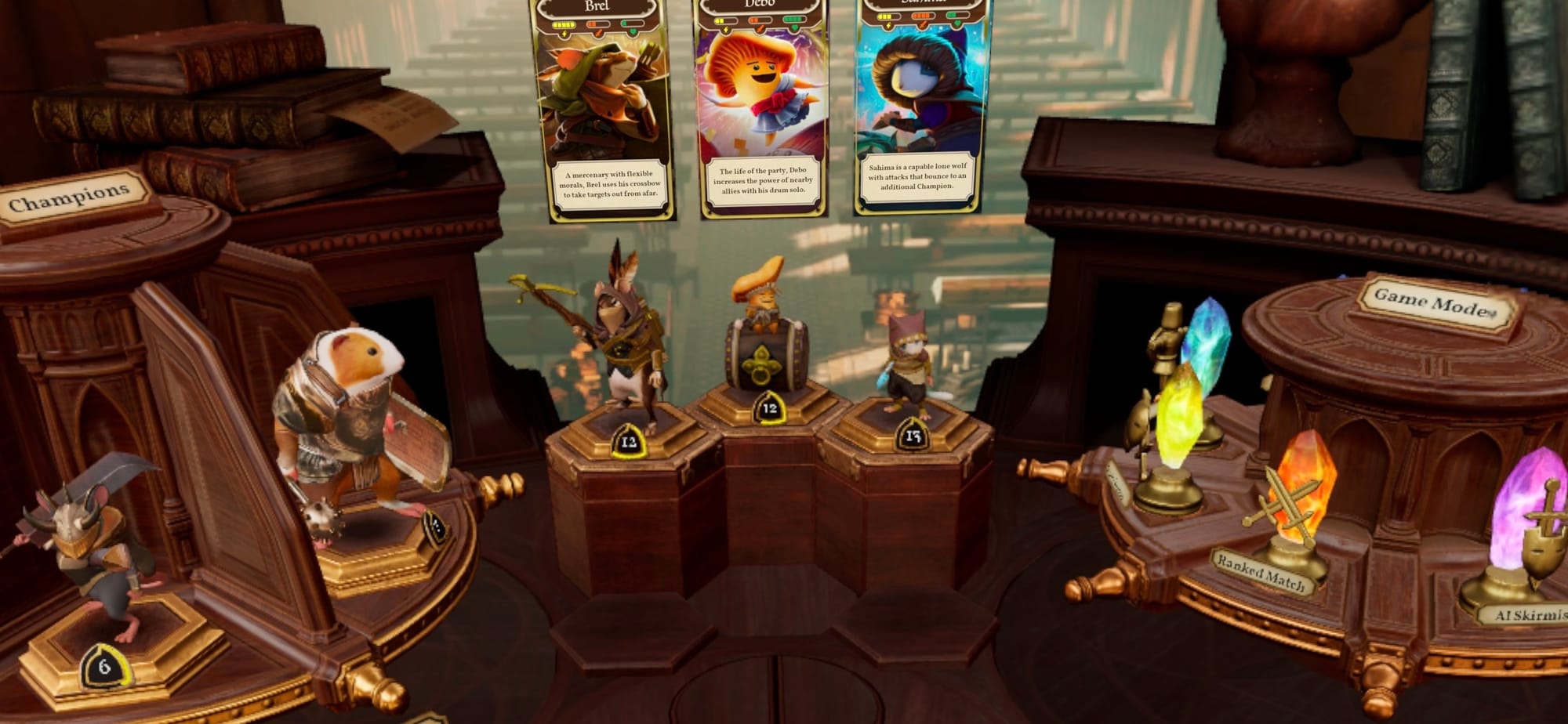
The core of navigating this strategic depth is building and executing a cohesive team strategy. Players start with three champions, but as they play and level up more champions are unlocked, eventually giving them access to 12 champions. Each champion has a unique personality and playstyle, but it’s the synergy between them that defines the real depth here.
One of the game’s biggest strengths is how differently it plays depending on your team composition. Two tanks and a healer form a defensive wall to crush your enemies, while a trio of high-risk, high-reward damage dealers can annihilate unwary enemies in seconds. There are many viable combinations and play styles that players can come up with, and creating and experimenting with them is part of the real fun of playing the game.
In addition to this roster of champions, Glassbreakers also offers four maps that introduce different dynamics, change the course of battle, and reward experimentation and creativity.
All about VR
Most VR tabletop or strategy titles face one important question. That’s why we need to make this into VR.
Glassbreakers clearly answers that question through a brilliant haptic control scheme. Rather than relying on traditional gamepad-style commands or complex radial menus, you can control your champions using simple, physical gestures that instantly feel natural.
Stand (or sit) on the board and direct your team by grabbing space, reaching, and pointing. Want to send all three champions into battle? Reach over their shoulders and pull the trigger to select them all, then lower your hand to where you want them to go. Need a quick retreat? Just place your hand on your shoulder and double-tap the trigger and your team will fall back and converge on the central Glass.
Additionally, you can use Demeo-like gestures to rotate the entire battlefield around you, raise your body to get a better view of the action, and then zoom in to move your champion around the board. It’s like working with a living hologram.
What’s really great about this is that it’s equally comfortable for gamers who prefer a couch-style experience. You can sit back, relax, and play deeply and immersively. It’s this hybrid design philosophy that makes Glassbreakers special. Many VR games that rely on minimal movement end up feeling like glorified 2D experiences crammed into a headset. But here, Polyarc uses the physicality of VR to enhance the experience, not to demand effort from it. The result is a perfect middle ground. It’s a game that can be played for hours without tiring, yet beautifully utilizes spatial awareness, physical presence, and immersion.
kill it here
Polyarc has always been synonymous with glamor and artistry, and Glassbreakers continues that tradition with style.
Each of the 12 Champions has been meticulously designed and bursts with personality and life. Their animations, gestures, and expressive reactions make them feel like living toys. Like “Moth,” “Glassbreakers” features heroes you can’t help but feel attached to. Even without a story, the storytelling magic of the Moth series remains.
Importantly for a game with so many things to focus on at once, Glassbreakers is not only beautiful, but also easy to read. Icons and symbols won’t clutter your board. Even in the most hectic skirmishes, the right information is readily available, enabling quick decision-making.
The menu and home space (set within the iconic Moss Library) exude warmth and sophistication. It feels intimate and personal to sit there and build your team and tweak colors and skins.
Glassbreakers is a tabletop game with movement controls similar to Demeo. Players can pull around the board and rotate it to get a better view of the action. With very limited actual movement, Glassbreaker should be a comfortable experience for most players.
Sounds like a plan.
Glassbreakers’ audio design is just as perfect as its visuals.
Each champion’s voice is very distinctive and distinct enough to feel alive, but is used sparingly to avoid repetition. Battlefield soundscapes are filled with satisfying detail. The quiet crunch of glass during an attack, the metallic sound of Sahima’s chakram bouncing between enemies, and the satisfying hiss of Bernard’s spell as it lands.
The music shifts from warm and inviting to tense as the battle intensifies, setting the perfect tone for a world that’s at once playful, daring, and triumphant.
Spatial audio cues are particularly well implemented. If you take your eyes off an area of the board, you will hear the enemy coming from the side before you can see it. Whether an objective appears behind you or Glass is attacked from across the map, the sound design conveys the macro while your eyes are focused on the micro. This focus on directional sound makes every match more immersive and helps you stay focused even in fast-paced matches.
Glassbreakers: Champion of the Moss – Final Verdict
It’s hard to overstate how right Glassbreakers is. Polyarc has created a fun, sophisticated, and truly unique experience that blends the strategic depth of classic RTS games and the character class/squad mechanics of MOBAs with the tactile immersion of VR.
Glassbreakers is smart, competitive, addictive, and one of the best strategy experiences available in VR, and one of the most engaging. At this point, the game is let down only by the fact that the player base hasn’t grown enough to support consistent, frictionless matchmaking. Despite this, I’ve spent more time with Glassbreakers since its release than all of my other games combined. It’s proof that it’s a beautifully balanced, masterfully designed small-scale masterpiece.
Five weeks after its release, I would argue that Glassbreakers truly deserves a massive following. Highly recommended.

UploadVR uses a 5-star rating system for game reviews. You can read a breakdown of each star rating in our review guidelines.
