

TheSports Law and the Law on Entertainment Activities and Related Support Activities give the investment ambitions of the Ministry of Sport and the General Entertainment Authority legislative form. Together, they move beyond the Kingdom’s traditional approach to regulating the sectors and aim to reshape their finances, make clear who bears which risks and give private investors the confidence to commit capital.
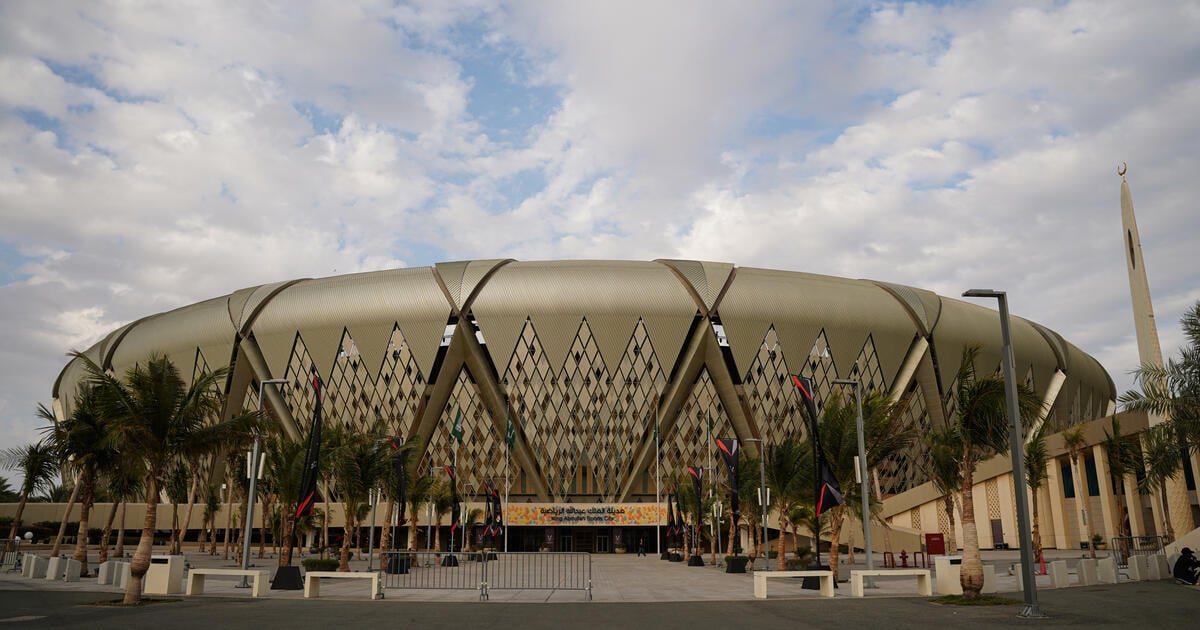
The same logic applies to how venues are used. Spending hundreds of millions to build a venue that operates one day a fortnight makes little financial sense. The new framework gives investors scope to reduce fixed costs by putting the same space to several uses. A venue can host live events, exhibitions and other commercial activities throughout the year.
The partnership between SURJ Sports Investment, Live Nation and Oak View Group illustrates this approach. The partners have come together to manage venues and develop their commercial potential. The financial lesson for developers is to structure sponsorship, hospitality and ticketing rights while the venue is still on the drawing board. The regulatory framework encourages this early planning to secure reliable cash flows over time.
In support services, the General Entertainment Authority has sought to protect investment and promote fair competition through quality-based classification standards and mandatory accreditation for crowd management and ticketing services. These measures recognise the investment that qualified Saudi companies make in training their people and building operating systems. Quality and reliability become the main criteria on which those companies compete for contracts.
The way ticket fees are set is a particularly clear example of the flexibility the legislation gives investors. Once the entertainment law takes effect, the Authority may collect a fee on entertainment ticket sales. The implementing regulations will determine the fee, subject to a ceiling of 10% of the value of each ticket. Setting a ceiling rather than a uniform rate reflects the Authority’s understanding of event economics. It leaves room to take account of the nature of each event and its profit margins, protecting operators’ budgets and encouraging them to invest further.
Together, the two laws mark a new phase of investment in Saudi Arabia. The measure of success extends beyond the major events the Kingdom hosts. It lies in creating a stable, attractive business environment in which financing an ordinary season at a venue makes commercial sense, with returns investors can assess in advance.
