

Phantom Blade Zero
Platform
PC (Steam, Epic Games Store), PlayStation 5
Publisher
Developer
Phantom Blade Zero made more than a few heads turn when it was announced during theMay 2023 PlayStation Showcase. However, soon enough, doubt started creeping in: how could S-Game, a game development studio based in China that has only worked on smaller indie and mobile games, be behind a game that looked on par with the big AAA productions of established studios? The long silence following the game’s reveal didn’t do much to convince some that Phantom Blade Zero was a real game, and not just a trailer with no substance behind it.
However, with the first public hands-on demo in 2024, studio founder Soulframe Liang and his team made it extremely clear that Phantom Blade Zero wasn’t just a proper game, but also a real contender for the crown of the best action RPG of the generation. Though very disjointed, I absolutely loved this combat-focused demo, as it made very clear how Phantom Blade Zero was going to be something very different from every other game on the market.
With traversal and exploration mechanics finally revealed with the gamescom 2025 demo, which made me appreciate even more the incredible animation work, I have had very little doubt about the quality of Phantom Blade Zero: if it held up for the entirety of the experience, it had the serious chance of becoming one of the action role-playing game of the generation.
Having spent over 30 hours with Soul, accompanying him in his 66-day-long journey to save his life, I can finally say it: Phantom Blade Zero is, without a doubt, one of the best action RPGs of the generation, and a true contender for the Game of the Year crown, even with its small flaws.
The Price of Betrayal
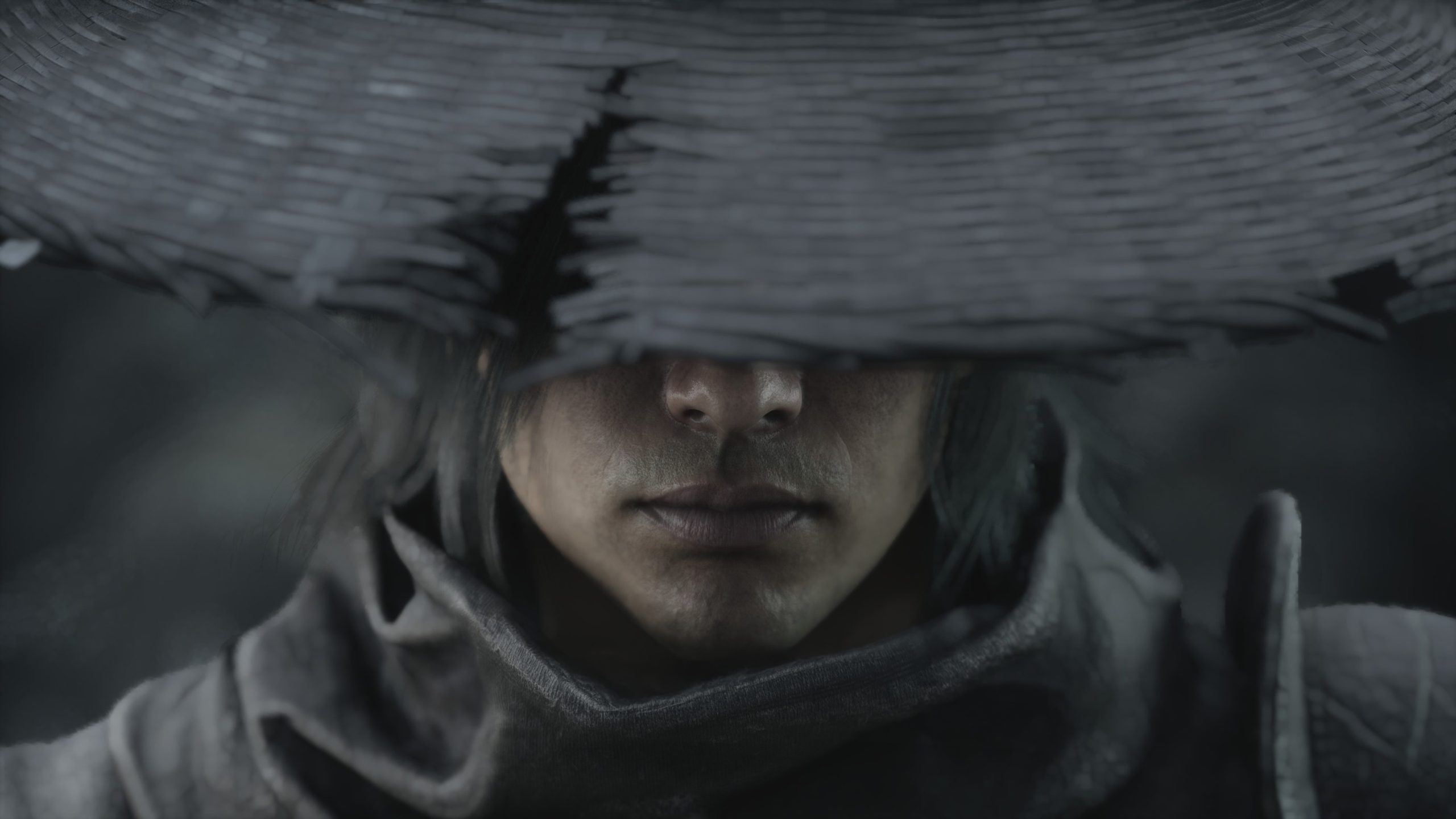
Set in the world Soulframe Liang created with Rainblood: Town of Death, an indie RPG developed with RPG Maker, Phantom Blade Zero features the same protagonist, Soul, an assassin of the Order, and the same world, the Wulin, China’s legendary martial underworld, where legends are made and unmade. Soul himself is at risk of being unmade, and in only 66 days.
After making a name for himself within the Order, Soul is betrayed by those he trusted most. Framed for the murder of the Order’s leader, who took care of him from a young age, the assassin faces his childhood blood brother, Zuo Shang, in combat, only to lose to him with a lethal stab to the heart. However, Soul is brought back to life by a mysterious healer known as the Flesh Sculptor, and the new heart beating within his chest carries a fatal condition: it will stop beating in 66 days.
Not one to surrender to his fate, Soul decides to take matters into his hands. Journeying through the Wulin, the assassin will seek a cure, but finding it will prove to be a very challenging feat, as Soul will have to face not only the enemies of the Order, but also those who betrayed him and those he loves, choosing to bear the burden of the assassination he did not commit to protect them.
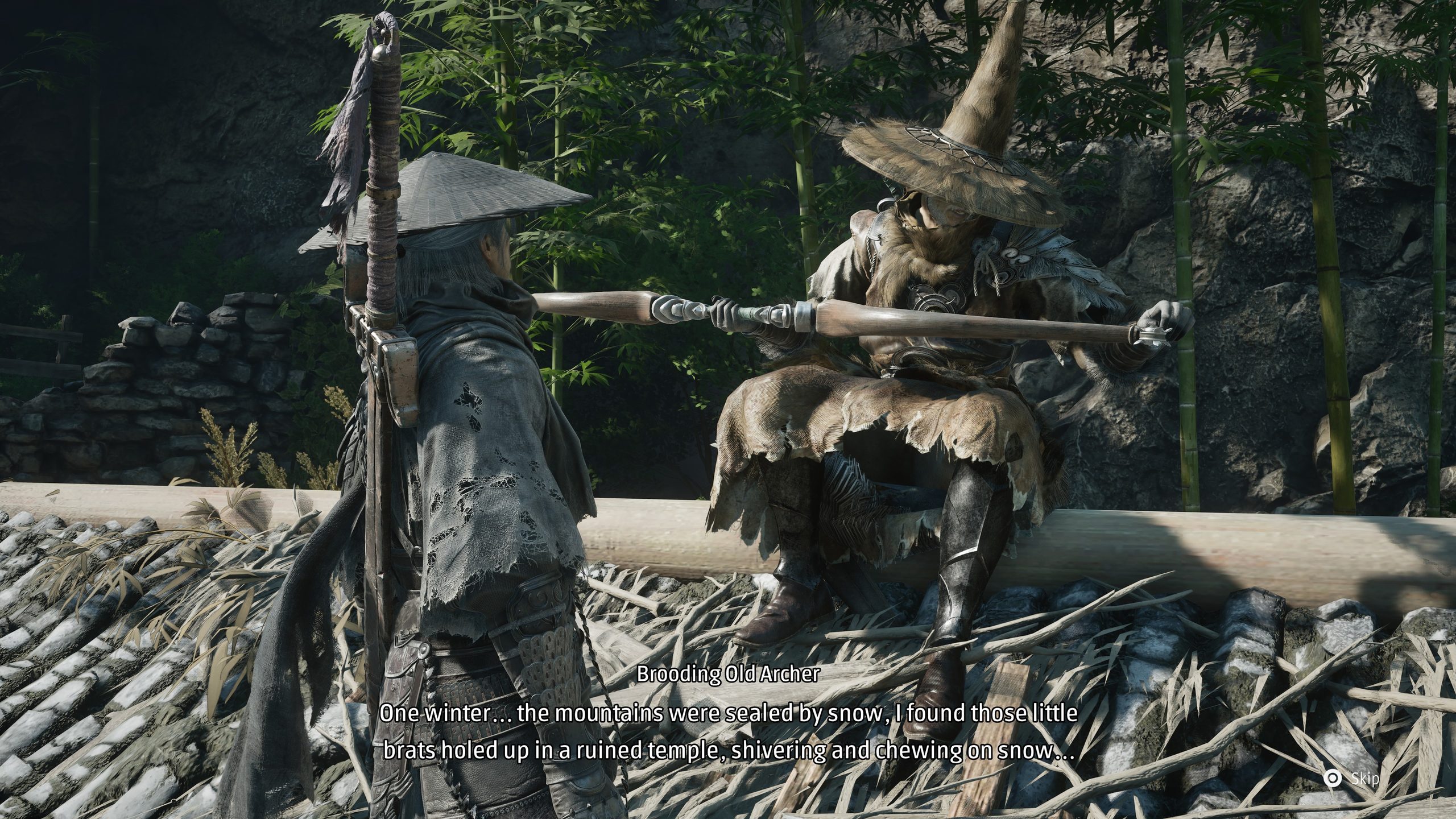
Phantom Blade Zero’s story is deeply rooted in its Wuxia origins and is not ashamed to show it. It really has it all: a martial arts master with unclear origins, plots and betrayals at every turn, a greater mystery to discover, and a bit of a revenge story sprinkled on top. By every metric, it’s not a bad story at all, and it actually gets rather interesting when the steampunk elements are added to it. The “Kung Fu Punk” definition used by the developer is certainly on point.
However, a few issues do get in the way. For starters, the way the story is narrated leaves something to be desired. Right from the very start, the game throws so much terminology at you that it’s difficult not to be overwhelmed, though things do get better over time as you familiarize yourself with so many concepts. The consistent jump between past and present is a little jarring as well, as is Soul’s silent nature. He isn’t a blank slate, as it’s his reactions to the game’s events, as well as the story sequences set in the past, that define his character, but delving deeper into him wouldn’t have hurt.
The supporting cast, on the other hand, fares a little better. Although none of the characters experience much growth or development, the tragic situations some find themselves in provide the emotional connection to Soul’s story and the Wulin that is sorely needed for a game story to be at least entertaining.
Despite these issues, I have found the story of Phantom Blade Zero more than serviceable, and its unique combination of Wuxia and steampunk makes the game’s world so interesting that it made me want to explore the previous games developed byS-Game. Some may have expected a better story, but since expectations weren’t exactly high, no one should be surprised by its issues. Where high expectations lie were on the gameplay, and in this regard, the game delivers without question.
A Grueling Journey
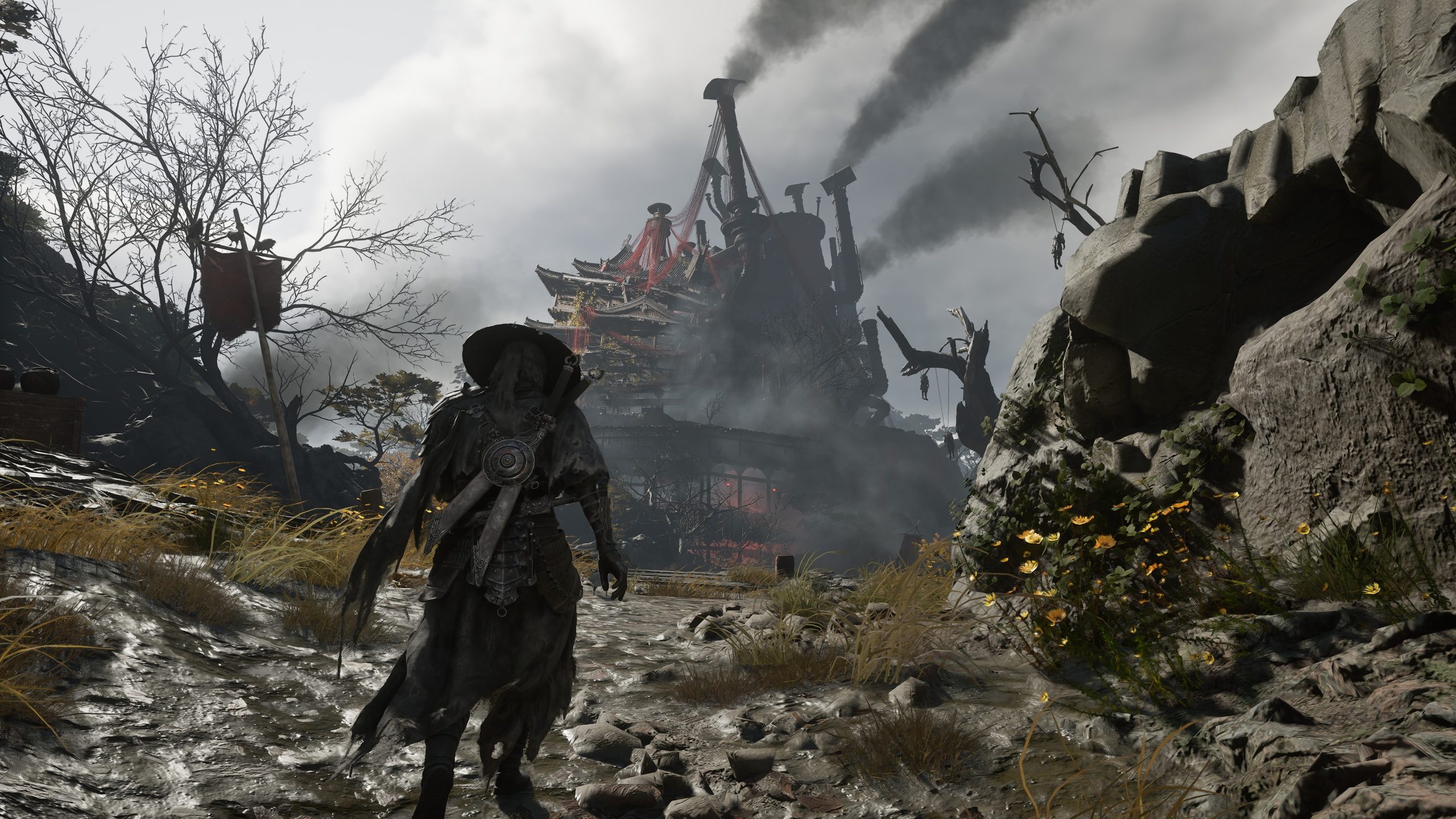
While Phantom Blade Zero is an action role-playing game, it is, most definitely, not a soulslike. Although there’s a lot that the experience crafted by S-Game shares with FromSoftware’s titles, it doesn’t exactly feel like one. It does have intricately designed maps, bonfire-like checkpoints, a universal currency (that is not lost upon defeat) used for learning new abilities, purchasing items, and upgrading gear, but that’s it. A more apt comparison would be CAPCOM’s Onimusha: Way of the Sword,though there are crucial differences in both traversal and combat.
Although the entire experience is clearly centered on its combat mechanics, which were the first element of the game S-Game felt confident enough to show to the public, exploration and traversal are just as important. Doing away with the current trends of open-world level design, Phantom Blade Zero is what I’d call a “wide-linear” game. Each of the game’s maps, which are separate from one another, has a linear path to main story quests, but often branches out with optional paths where all sorts of secrets can be found – ranging from Remnant Dust, the main currency, to materials required to upgrade gear, secret bosses, new medicines, and accessories. By searching off the beaten path, you can also initiate new sidequests that feature many of the above as rewards.
While this is par for the course for action games that employ this sort of world design, Phantom Blade Zero handles it a bit differently in a much more organic way. Exploration isn’t forced on you, but you are nudged toward it in clever ways, as it’s as Soul is making his way to the next objective that the game offers these branching, optional paths. Although it doesn’t have the same interconnectivity as the world of the original Dark Souls, as the maps funnel Soul toward an end goal, the world design does make the journey feel like a proper one, complete with inaccessible parts of each map that can only be opened with certain Phantom Edges. It’s only a little sprinkle of a Metroidvania experience, but one that works well and makes the maps feel less linear.
What truly makes exploration and traversal engaging is how S-Game managed to combine an intricate yet clear level design, one that doesn’t treat the player as incapable of making discoveries on their own with excessive guidance, waymarkers and yellow paint (which is completely absent, outside a specific istance), with a real need to look around every corner to upgrade Soul, as enemies do not respawn, resources are ultimately limited and his base stats are only increased by collecting four parts of specific items.
While this sort of level design is nothing new for the genre, Phantom Blade Zero makes it engaging for a simple reason. While games that anchor character progression to traversal, like the aforementioned Onimusha: Way of the Sword or even the recent CONTROL Resonant, force players to go through repeated content that gets stale fast, by not having enemies respawn, Phantom Blade Zero keeps things engaging by providing players with fresh opportunities to engage with its incredible combat system.
The Dance of Swords
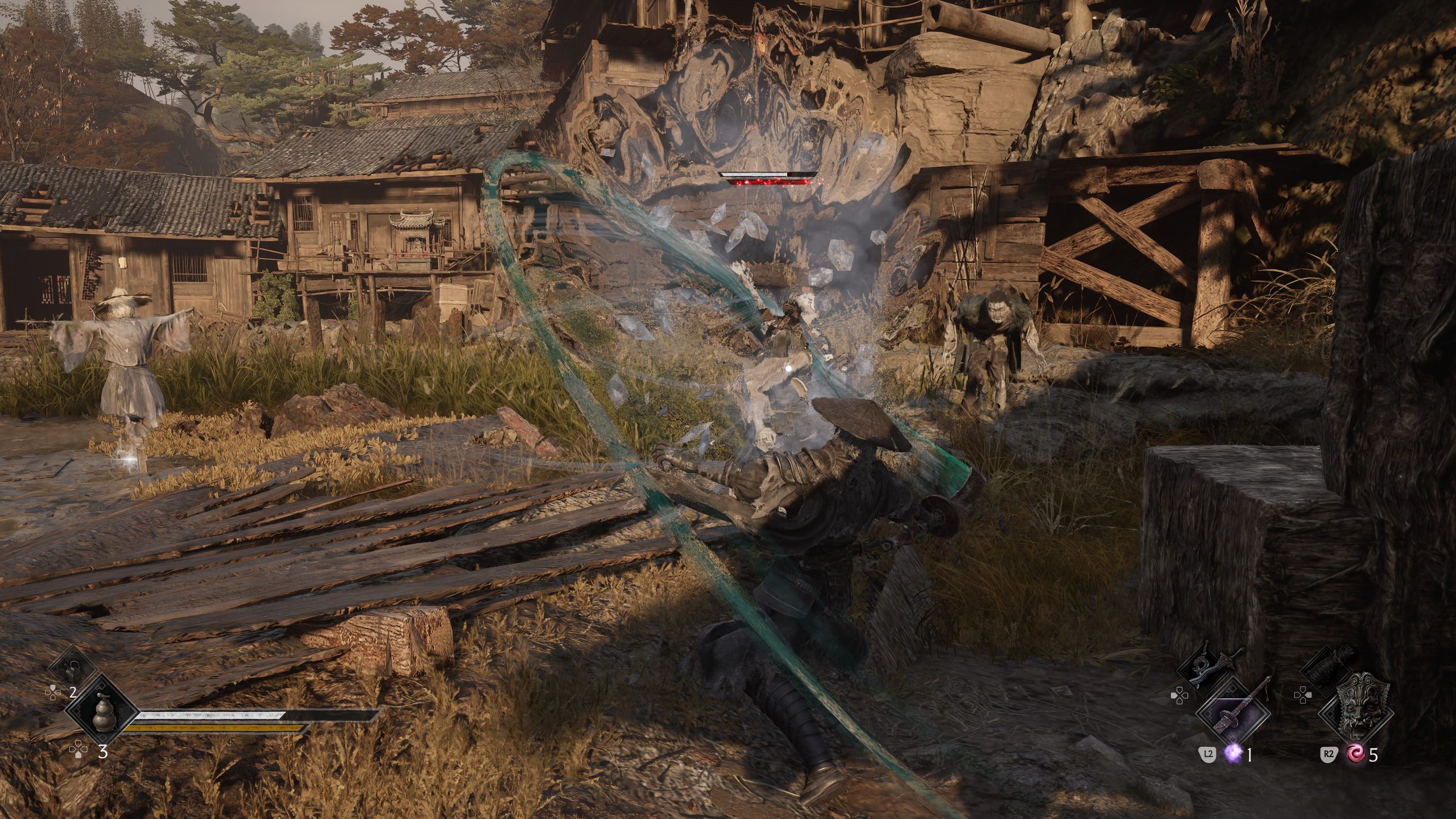
At a glance, Phantom Blade Zero doesn’t seem to play any differently from your typical stamina-based, modern third-person action role-playing game with a focus on parry mechanics. The devil, however, is in the details, and it’s how this common system works and feels that sets S-Game‘s game apart from every other title.
Soul’s basic moveset is relatively standard fare. He can unleash a light string combo, a heavy string combo, dodge, block, and parry enemy attacks. By upgrading weapons, he also gets access to a few special techniques that shape that weapon’s playstyle. Adding more flair to combat are the Phantom Edges, unique secondary weapons with many uses, such as destroying shields, setting enemies on fire, pummeling them to increase the power of main weapons, or summoning allies.
What elevates all of the above is the flow of combat, which is dictated by Sha-Chi. Calling it stamina would be wrong, as it works very differently from most other games. It is a resource that fuels both defense and offense. By holding down the Guard button, Soul will slowly burn Sha-Chi, but block every blockable attack, even if he is in the middle of an attack animation. At the same time, Sha-Chi powers the heavy attack strings and special abilities of primary weapons. With enemies often not taking Soul’s attacks passively but retaliating freely as he attacks, this setup turns battles against any enemy into a dance where the player has to consider not only their offense and defense but also resource management. In some ways, how Sha-Chi is set up reminds me of Street Fighter 6’sDrive Gauge.
This setup is also used to make weapon-swapping mechanics a core part of combat. In other games, switching weapons mid-combat is a stylish way to fight. In Phantom Blade Zero, it is a requirement, as swapping completely restores Sha-Chi, allowing the player to either continue doubling down on an enemy whose Sha-Chi has been depleted by attacking and parrying, or to restore Soul’s defensive abilities in a pinch.
It is really difficult to put on paper how much fun Phantom Blade Zero’s combat is once things get going. It rewards parrying, especially against bosses, but it doesn’t push for passive playstyles. It rewards aggression, but only if controlled. It rewards experimentation with its incredible choice of weapons, but also familiarity, as every weapon isich comes with a unique just-press mechanic once upgraded
In many ways, Phantom Blade Zero perfectly encapsulates the spirit of Kung Fu as a martial art. While Onimusha: Way of the Sword is based on Kendo, with the philosophy that a single hit decides the outcome of battle, Phantom Blade Zero represents the flow and spectacle of Kung Fu, with blows coming from all over and fighters fully capable of dancing this dance to the death.
The Right Tools for a Job Well Done
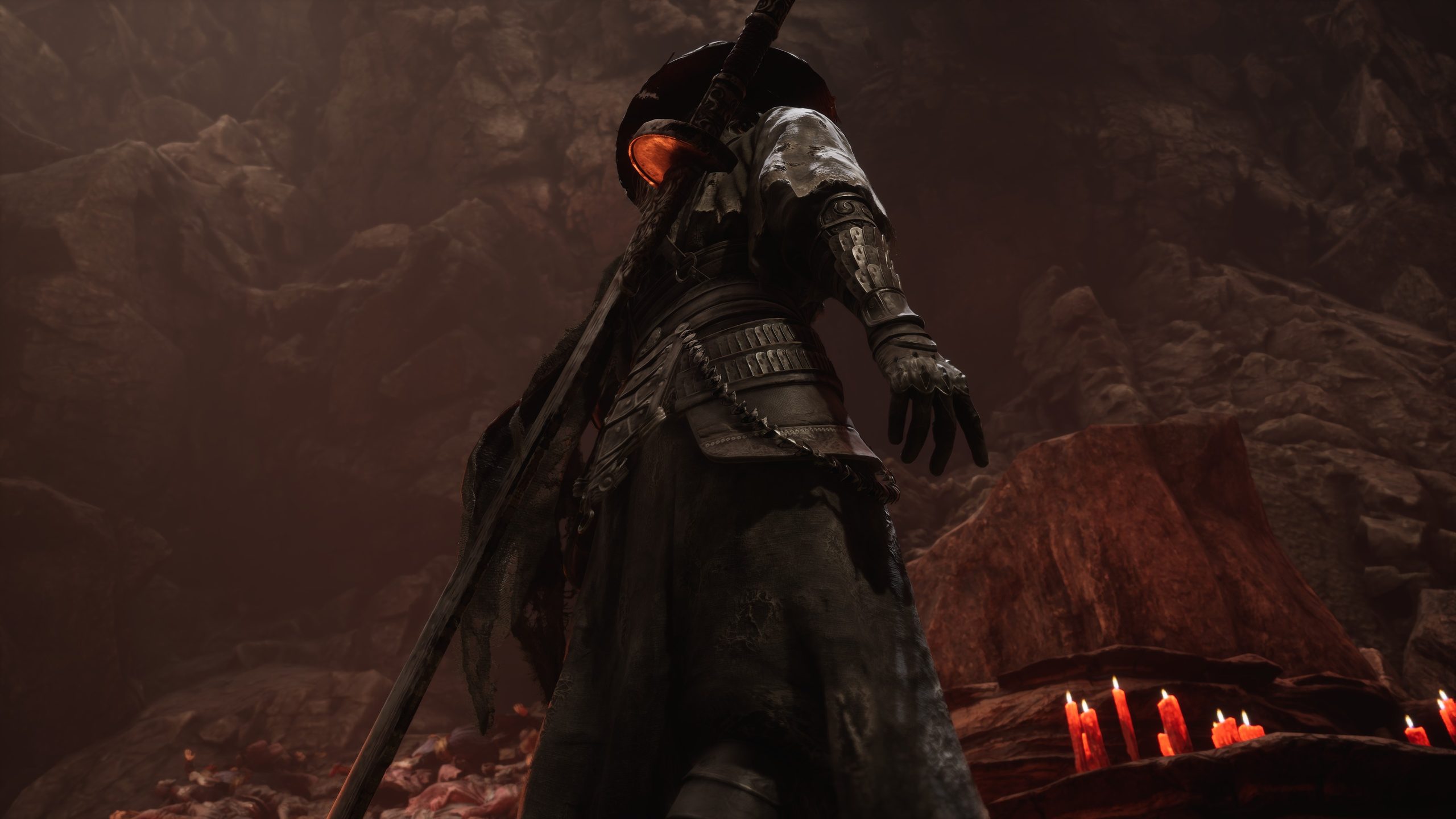
Simply mentioning that weapons come with unique abilities and playstyles would be doing a disservice to the incredible work S-Game did in this regard. These aren’t just different weapons, but rather entire character archetypes that shape how Soul takes on enemies.
At the start of the game, Soul will get his first primary weapon type in the form of the Sanguine weapons. These have basic movesets that prize familiarity over uniqueness, as they are easy to grasp and put to good use. However, as you defeat one boss after another, you will unlock weapons with far more unique playstyles.
The Fanatic’s Broken Blade, for example, has an embedded style switch that turns a relatively straightforward one-handed sword into a ranged weapon when Soul gets drunk, with multiple ways to enter this state. The Jagged Steel Sword, on the other hand, is entirely built on causing the Bleed status effect, providing an additional special attack that can extend light combo strings when an enemy’s guard has been broken. The Outlaw Warblade assigns different functions to the light and heavy combo strings (the former restores HP with each hit, while the latter depletes it), adding a risk-reward system that other weapons don’t have, as well as a retreating attack that makes the passage between heavy and light combo strings seamless.


The best thing about this design for the primary weapons is how they synergize together. With fast dual-wield weapons like the White Serpent and Crimson Viper, you can build up Sha-Chi Essence faster, meaning you have easier access to Power Surge, a special technique that every weapon possesses. With this setup, you can take more risks with the Outlaw Warblade as its Power Surge restores a lot of HP when it hits enemies, or have an easier time getting Soul drunk with the Fanatic’s Broken Blade.
The possibilities are vast, and are made even broader by how weapon upgrades work. Besides getting damage and guard-break increases, every 5 levels unlocks a new trait that significantly improves how the weapon handles and feels. As the game makes it very convenient to reset upgrades for a weapon to test another, experimenting with all weapons, including late-game ones, is highly incentivized, and one of the main reasons why the game’s combat is so fun.
The same upgrade rules power the Phantom Edges. Although they see slightly less frequent use due to the fact that a specific remary weapon set. The Axe and the Fists, for example, can be used to knock enemies down, creating an opening for slower weapons, while the Chain pairs well with weapons with ranged options, allowing Soul to take no risks while eventually closing the gap to finish enemies off
In addition, some weapons also have undocumented properties that further highlight how deep Phantom Blade Zero’s combat is. Parrying is still king, but this incredible weapon selection allows you to bypass this requirement and create your own satisfying playstyle.
The Worthiest of Opponents
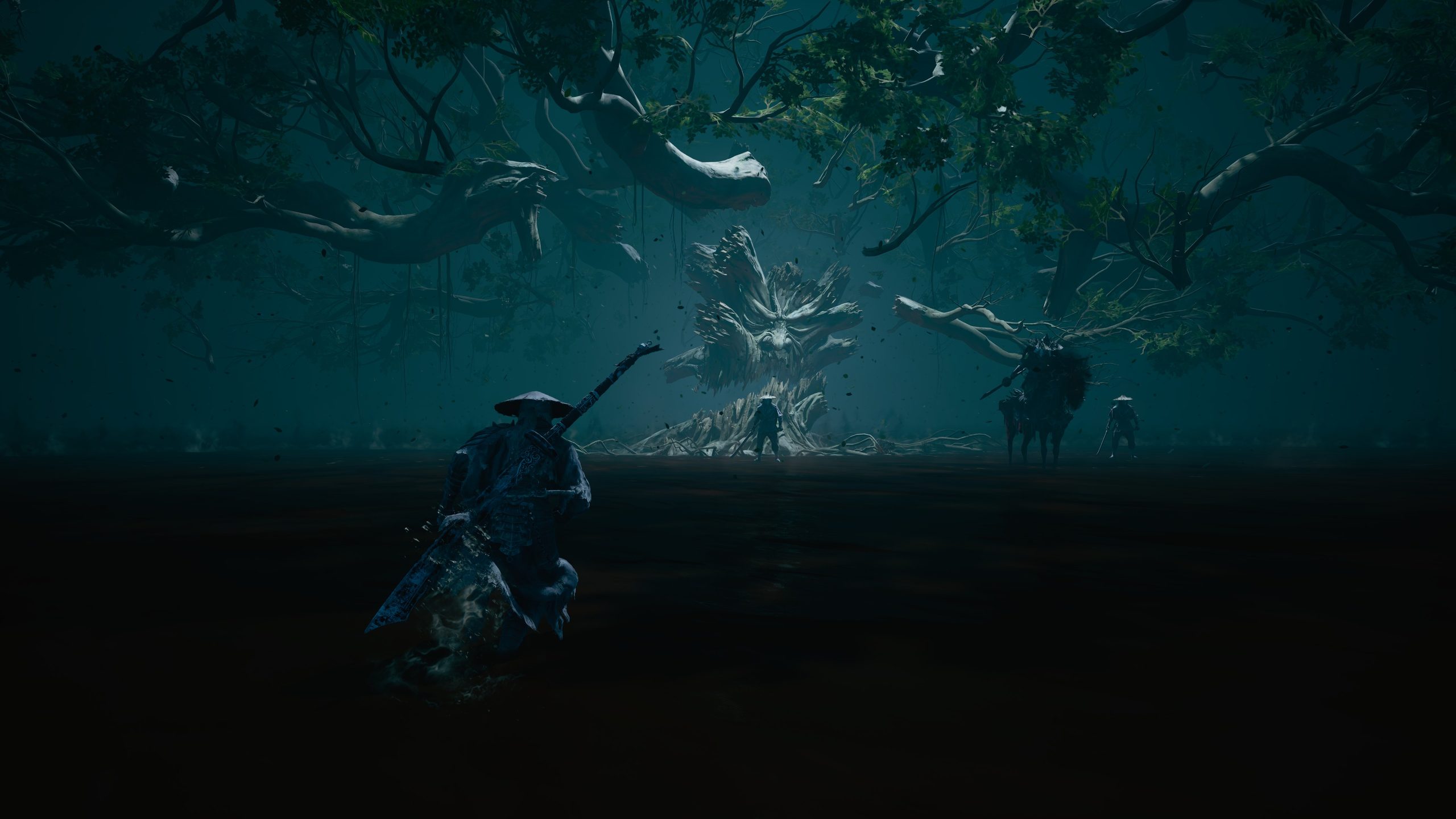
All the combat options Phantom Blade Zero offers would mean little if the enemy lineup was limited to only a few opponents. As with combat and traversal, S-Game has done an outstanding job, delivering incredible variety.
In terms of enemy design, the game features mostly human or humanoid enemies, with the occasional crazed animal, like a giant crow or hound, sprinkled in. However, the variety is impressive, as each of the 8 regions has its own unique enemies, which appear alongside those that already appeared in previous areas (though the later areas would have been better served with more variety). Their weaponry is just as varied, as Soul will face enemies wielding all sorts of weapons, both conventional and unconventional.
The choice of going with mostly humanoid enemies is a winning one. Way too often, action games try to spice things up by introducing different enemy types that require players to forget about the game’s core mechanics and play in a constrained way to win. Phantom Blade Zero is not like this at all: what you have learned fighting the enemies in the first region holds up throughout the entirety of the game, pushing the player to master the basics rather than learn something entirely new every time a new enemy type appears.
Enemy encounter design is just as tight as general enemy design. In similar recent action RPGs, we have seen obnoxious encounter design that makes the experience artificially difficult by placing way too many ranged attackers in hard-to-reach positions, or throwing excessive enemy numbers that are difficult to handle with the game’s combat mechanics. Phantom Blade Zero doesn’t fall into any of these pitfalls: ranged attackers are here, but they are not overly frequent. When they do appear, they pose a problem that the player needs to solve, but they are not positioned in a way that forces a specific playstyle.
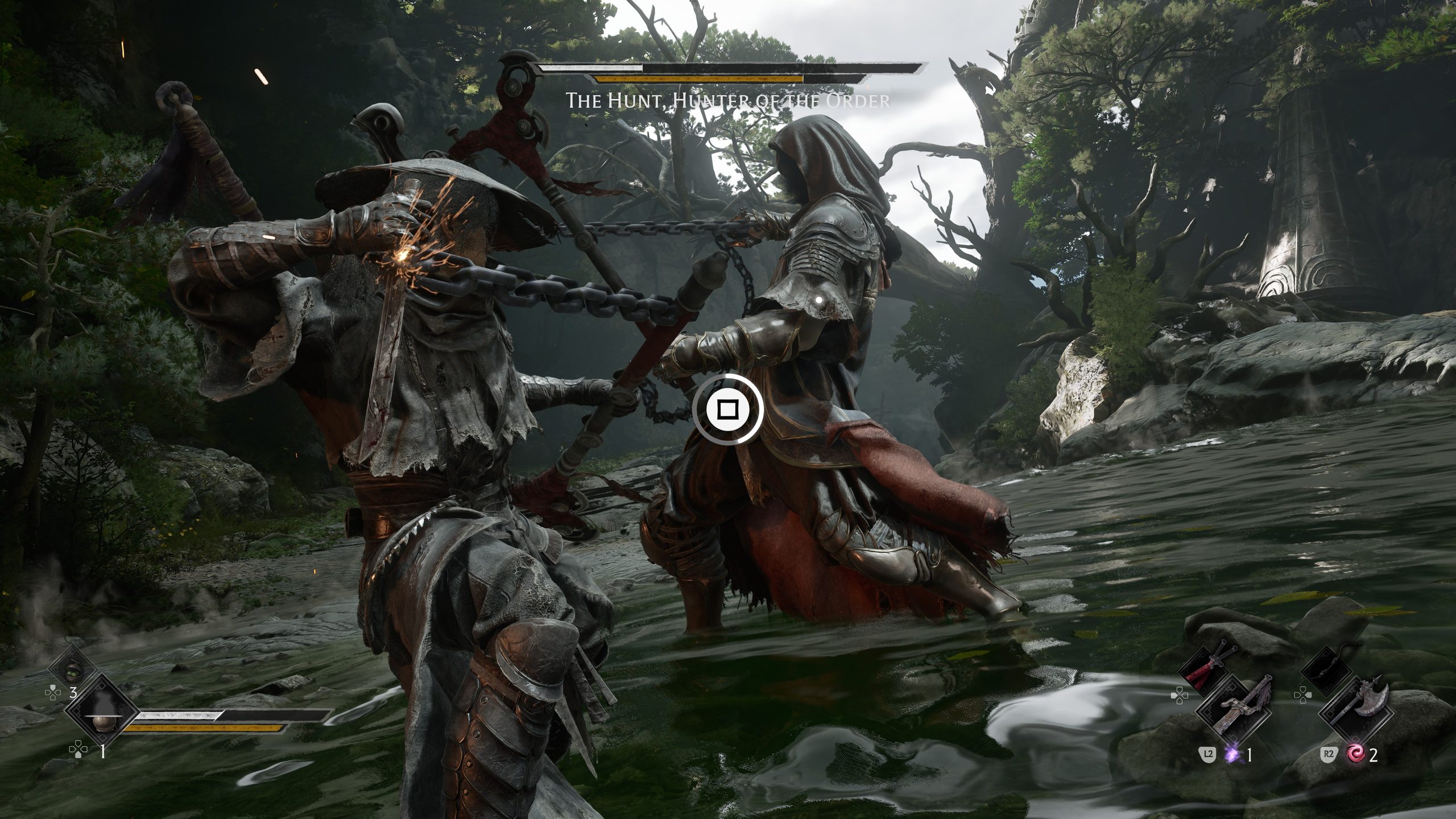
The same applies to larger enemy groups. Although there are situations when Soul is badly outnumbered, the combat system has been clearly designed to accommodate them. Holding the Guard button makes Soul guard against attacks coming from all directions and every action can be canceled with a weapon swap or dodge, and clear attack indicators warn the player of incoming off-screen attacks. In addition, when enemies surround Soul, he can unleash attacks that hit all of them, without breaking the flow or having to use different inputs.
This design care culminates in some of the best bosses we have ever seen in action games. Phantom Blade Zero is definitely not stingy in this regard, as it features over 50 bosses, many of them optional. The most impressive thing is that, with only a handful of exceptions dictated by story reasons, all of them are unique. It may sound like hyperbole, but there are almost no repeated bosses in the game, as their combat design is centered around the unique weapons that Soul acquires after defeating them.
These boss encounters aren’t just a spectacle either, as they are rather challenging at Hellwalker difficulty. They hit hard, have a lot of health, and do their best to test Soul‘s reactions with blue- and red-coded attacks, which require parrying and perfect dodging, respectively, to activate Ghoststep and open a brief window of opportunity. While these battles are more parry-focused than regular enemy encounters, there’s no denying that they are some of the most impressive battles in current-generation action games, and ones that are difficult to forget. Checkpoints between phases make them less frustrating for those less experienced in action games, but not having them at Hellwalkerdifficulty would have been better to make this difficulty more challenging.
The Beauty of the Wulin
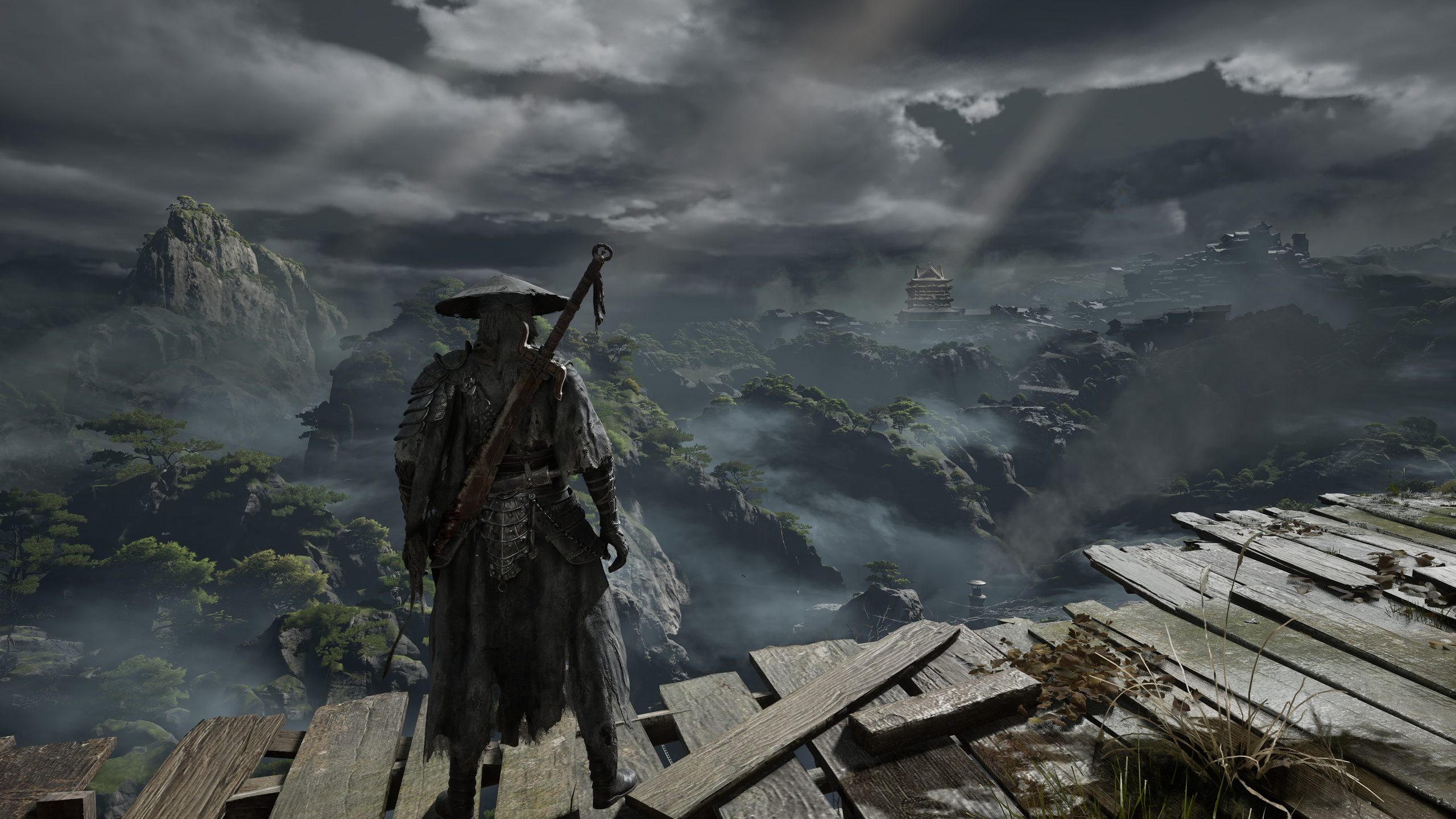
Powered by Unreal Engine 5, Phantom Blade Zero is among the best-looking games of the generation. Although it generally employs a drab color palette that suits the game’s “Kung Fu punk” aesthetic, it’s undeniable that locations look incredible, with occasional stunning vistas that deliver a believable sense of scale, even though much of what is visible isn’t explorable. In this regard, the choice to use traditional pre-baked lighting rather than UE5‘s Lumen has paid off big time: even without ray tracing, the game still looks stunning.
This was a very wise choice for a fast-paced action game like Phantom Blade Zero: you want a stable frame rate for an optimal experience. While ray tracing and path tracing look gorgeous, they carry a significant performance cost on PC, making my system (Intel Core i7-13700F, NVIDIA GeForce RTX 4080, 32 GB RAM) go from the 100 FPS range at 4K resolution, High settings, and NVIDIA DLSS Quality down to the high 50s with ray tracing and the 30 FPS range with path tracing. DLSS Frame Generation can come to the rescue, but having to drop DLSS Super Resolution to Performance to achieve the baseline 60 FPS needed for a decent experience with Frame Generation wasn’t worth the trade-off of losing native 90+ FPS gameplay.
Besides looking great, Phantom Blade Zero is also a technically sound release, at least on PC. A thorough shader pre-compilation step on first boot ensures that there is no shader compilation stuttering, and the experience remains smooth throughout, with the exception of the occasional traversal stutter every now and then. However, it’s minor enough not to be an annoyance, though your mileage may vary depending on your system.
All of the above aren’t the only reasons Phantom Blade Zero is a remarkable release from a graphical and technical standpoint. As I pointed out in my previews from 2024 and 2025, the animation work is simply the best we have seen in action games to date – superior from every standpoint. The long, grueling work of basing animations on motion capture paid off in a big way, resulting in incredibly smooth, natural movement that leaves a lasting impact and makes the entire experience even more stunning.
The incredible animation work compounds the equally impressive cutscene direction. With legendary martial artist and actor Donnie Yen (who also plays the key role of Mó Yuan) and action director Kenji Tanigaki acting as creative consultants while taking an active role in choreographing the action, S-Game went all in to make Phantom Blade Zero as much of a visual spectacle as it is a joy to play, raising the bar for action games across the industry.
A Track for Every Occasion
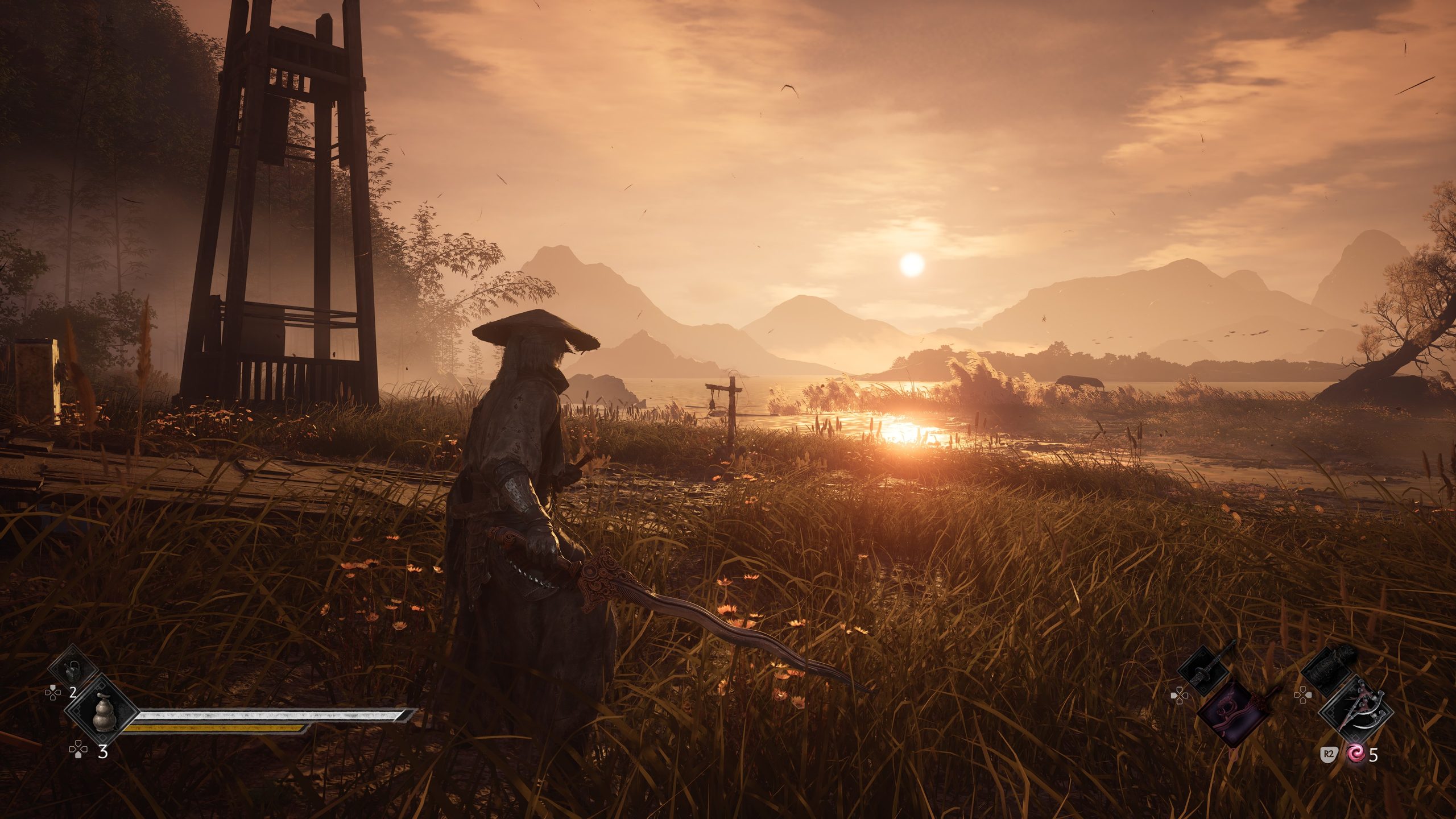
Not content with being a joy to play and look at, Phantom Blade Zero features a solid and surprisingly varied soundtrack. The game’s music has been crafted to cover pretty much all the moods players will experience: a sense of dread as Soul ventures into deserted villages, adrenaline rising when facing a powerful enemy, and sadness or melancholy as he faces people he cares about whom he cannot bear to tell the truth for their own safety. As such, the soundtrack seamlessly jumps from atmospheric pieces to heavy rock tracks and melancholic compositions featuring Chinese vocals, making music an integral part of the overall presentation.
Unfortunately, the English voice acting isn’t as strong as the soundtrack. While nothing is completely out of place, it is far from the best, with a lot of awkward delivery (including unneeded pauses) that gets a bit jarring. However, given how deeply rooted the game is in Chinese and Kung Fu culture, Chinese voice acting will be the natural choice for most players. Even without understanding the language, it’s clear that it simply fits the experience much better.
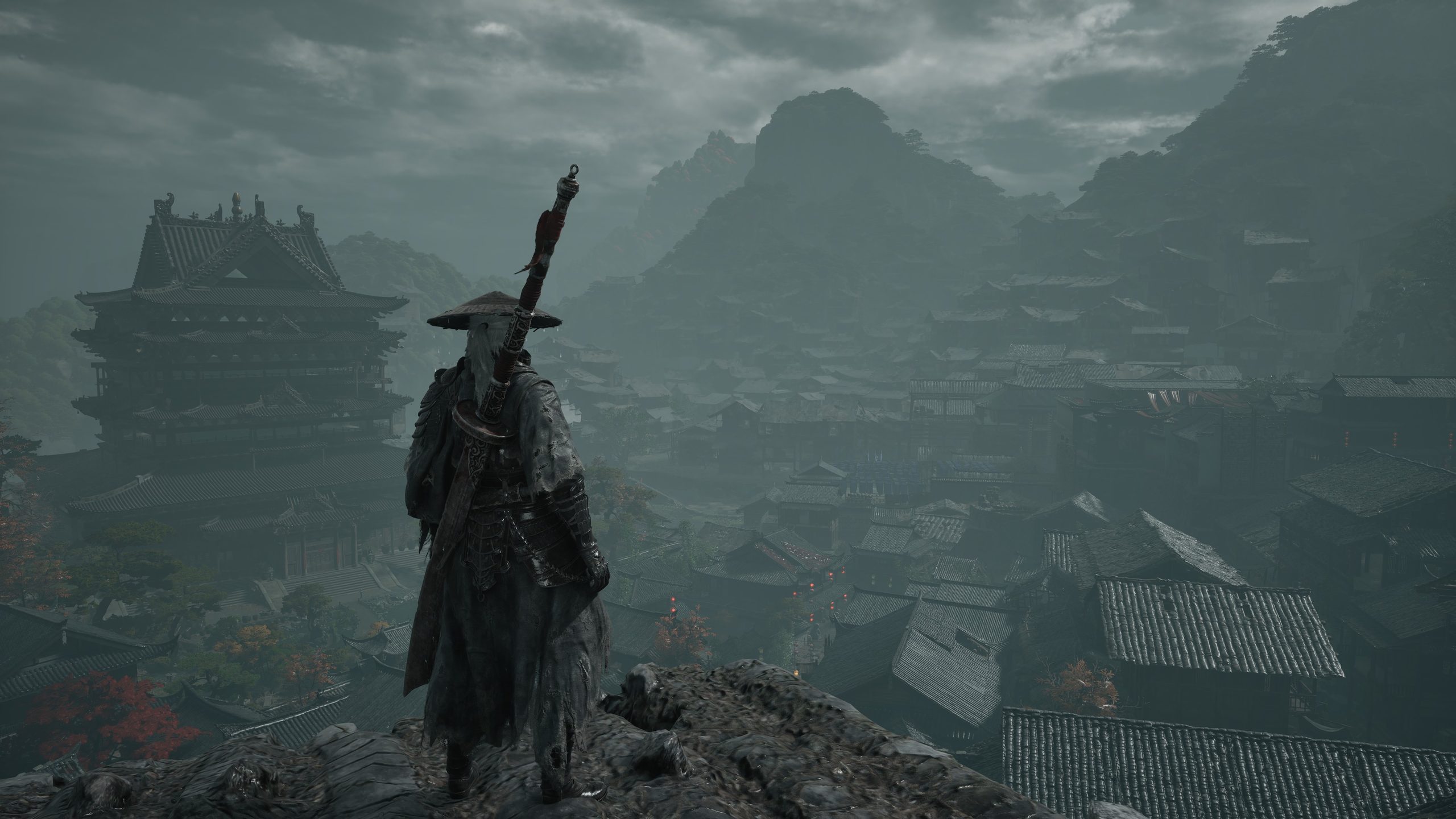
When I get to play a game like Phantom Blade Zero that feels like a generational home run, I always have doubts creeping in: is it just that the game’s mechanics resonate well with me, or is it objectively a game that deserves that perfect 10/10 score? When I reach this point, there is a single metric that truly tells me whether a game deserves it: when I stop playing, do I want to jump back in immediately?
While I wish enemy respawning were an option to have more opportunities to engage with the game’s incredible combat system and experiment more with one of the best weapon designs in action games to date, and the story was easier to follow from the start, none of the game’s minor issues have enough of an impact to pull me away. Every time I put it down, I wanted to jump right back in.
Giving me the exact same feeling I had with Elden Ring and Street Fighter 6, I ultimately think Phantom Blade Zero deserves the same perfect score. While Nioh 3 and Onimusha: Way of the Sword are both excellent action games that deserved their high scores this year, I believe Phantom Blade Zero stands slightly above them, delivering an experience that may not be radically original, but is profoundly memorable from every standpoint.
PC version tested. Review code provided by the publisher.
You can find additional information about our standard review process and ethics policy here.
WCCFTECH RATING
Phantom Blade Zero
Phantom Blade Zero is a genre-defining game that stands as one of the best current-generation titles to date. Effortlessly marrying the fluidity of a combat system that masterfully balances offense and defense with tight world design, staggering weapon variety, and some of the most memorable boss fights in recent memory, S-Game has delivered a masterpiece with its first major PC and console release that stands shoulder-to-shoulder with the absolute peak of the genre
- Very interesting world combining Kung Fu with steampunk
- Fluid combat masterfully balancing offense and defense
- Excellent weapon variety with upgrade paths that make them even more unique and viable
- Outstanding enemy and boss variety
- Stunning visuals
- One of the best animation work in video games
- Solid technical state on PC
- Great soundtrack atmospheric tracks and high-energy pieces
Pros
- With overwhelming terminology and disjointed narration, following the story is difficult at the beginning of the game
- Stiff English voice acting
- Optional enemy respawn would have provided more opportunities to engage with the game’s excellent combat
Cons
Buy for from AmazonThe links above are affiliate links. As an Amazon Associate, Wccftech.com may
earn from qualifying purchases.
About the author: Francesco De Meo has been covering video games and technology since 2012, starting his career at small outlets like Gamersyndrome and GeekSnack.
After joining Wccftech gaming section in 2015, he quickly expanded his video gaming coverage with in-depth reporting, interviews with iconic industry figures such as Grasshopper Manufacture founder and No More Heroes creator Goichi “Suda51” Suda, Resident Evil series creator Shinji Mikami, Team NINJA’s president and Nioh series director Fumihiko Yasuda, and Silent Hill creator Keiichiro Toyama, reviews and on-the-ground coverage of major industry events such as Gamescom and E3.
When he’s not reporting or reviewing, Francesco can be found playing the genres he loves most, spending time with his six cats, reading, writing music, playing guitar and drumming for his progressive rock band.
Follow Wccftech on Google to get more of our news coverage in your feeds.
