

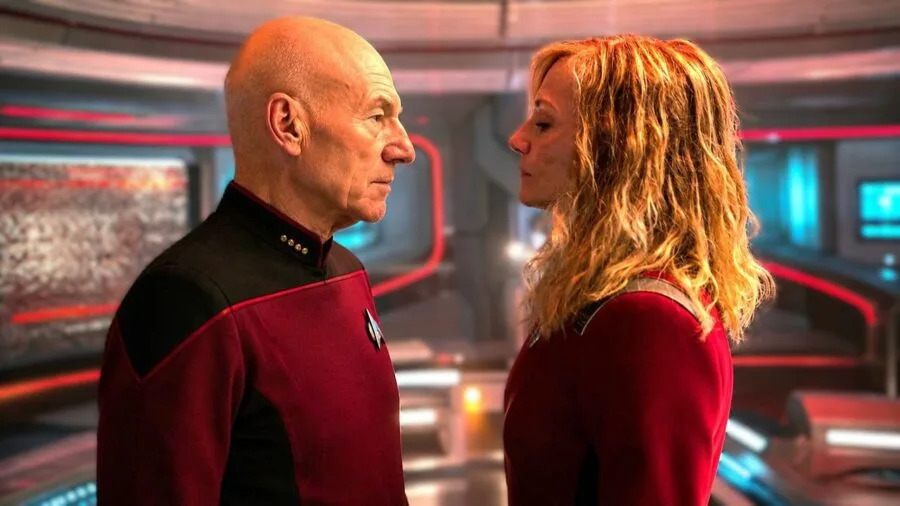
- Paramount has canceled most of the NuTrek TV shows due to low viewership and high production costs, leading to a shift towards focusing on Star Trek films.
- Classic Star Trek shows like The Next Generation and Deep Space Nine had strict adherence to scripted dialogue, with improvisation being discouraged by writers and producers.
- In contrast, NuTrek actors are encouraged to improvise lines, with directors like Jonathan Frakes leading the way in allowing actors to bring their characters to life in a more dynamic and collaborative way.
Right now, Star Trek has failed as a franchise. That’s not just a matter of opinion, either: all of the NuTrek shows have been canceled prematurely with the exception of Picard, which was planned for only three seasons. Starfleet Academy got canceled as soon as Season 1 was over. Now, Paramount is pivoting the film to the big screen, meaning that we may go a long time before getting another new show. It’s easy to get mad at Paramount, but all of this ultimately comes down to the power of math, people: with a minimum per-episode budget of $8 million, these shows just don’t get enough views to justify their price.
Long before Paramount pulled the plug on Trek’s TV shows, fans negatively compared these newer shows to earlier series like The Next Generation and Deep Space Nine. The general consensus is that classic Trek was just better than what came later, with fans fervently waiting for Paramount to fire Alex Kurtzman and hire someone who could bring the old magic back. However, according to the franchise’s greatest actors, NuTrek is better than classic Trek in exactly one way: letting people improvise dialogue instead of sticking to the script.
Improv? Make It “No”
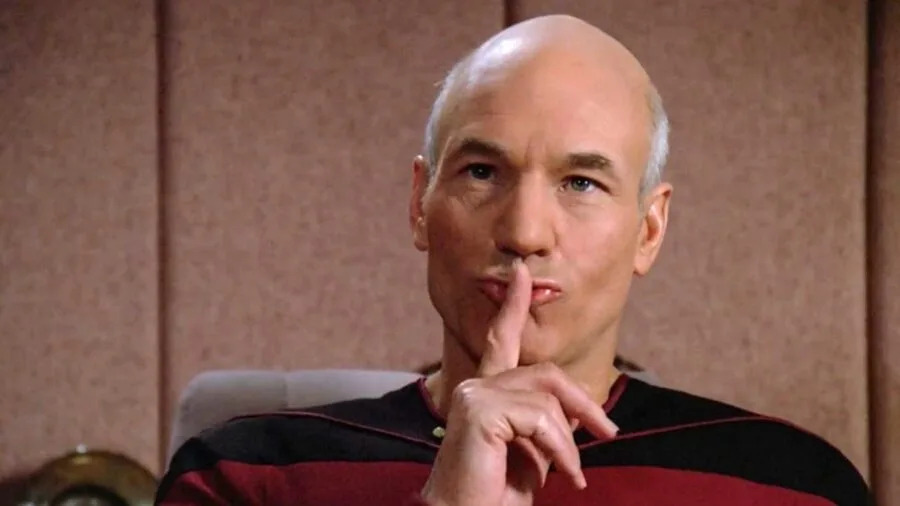
Classic Star Trek shows like The Next Generation, Deep Space Nine, and Voyager had amazing dialogue, courtesy of writers who understood the franchise and truly loved it. For better or for worse, the writers and producers were very protective of their scripts. After some of the TNG cast mocked a script from Maurice Hurley, the show stopped doing table reads with the actors. Furthermore, improvising new lines was frowned on by many people on the show; this included Patrick Stewart, who actually scolded the TNG cast for improvising funny lines, ultimately storming off the set in frustration.
Advertisement
Stewart eventually mellowed out, but this became a moot point as producers effectively tightened the leash on improvisation of any kind. There was a method to their madness: writer Ronald D. Moore once told the official Star Trek site, “We had to lock down scripts and make sure that everybody was going to say exactly what they were going to say well in advance of production.” Why is that? Rick Berman and Brannon Braga once told ComicBook.com that they wanted everyone to speak the lines exactly as written to create a timeless style that was very distinct from contemporary speech.
Beaming Up Shenanigans
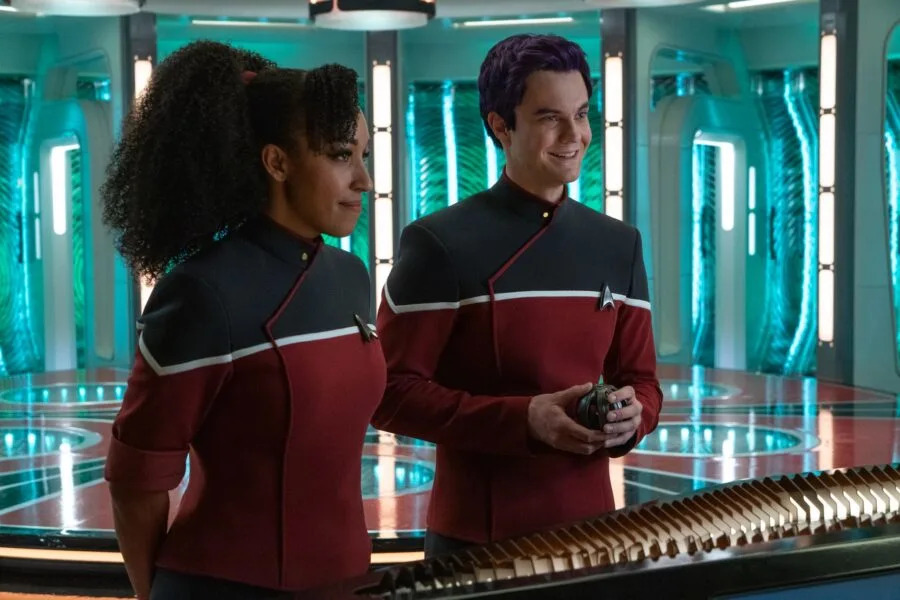
How bad did things get? On Star Trek: Voyager, Neelix actor Ethan Phillips once read the line “Can you hand me that PADD?” as “May I have that PADD?” This shut down production of the episode and led to a joint discussion with the writers, the director, and all three producers. They ultimately decided that the new line was fine, but Phillips was so aghast at causing this much trouble that he never tinkered with the dialogue again. Decades later, NuTrek more or less abandoned this practice, allowing actors to improvise if they had better lines or better ideas for their characters.
This astonished Riker actor Jonathan Frakes when he directed the crossover episode between Strange New Worlds and Lower Decks. When he appeared on the D-Con Chamber podcast, he described his astonishment when Tawny Newsome and Jack Quaid began improvising new lines. He huddled with two producers, and they all agreed that the new lines were (in Frakes’ words) “f*cking great!” From that point, he began encouraging improvisation, something that Anson Mount and Ethan Peck really took to. Now, Frakes and other directors encourage NuTrek actors to improvise lines. In fact, Sam Kirk actor Dan Jeannotte recently told a Trek convention that “Frakes lets us do whatever we want.”
Even in the NuTrek era, there are still directors who prefer everyone stick precisely to what is written. But Frakes helped lead the way in normalizing improvisation and generally trusting the actors to bring their characters to life. Arguably, this is a far better approach to creating Star Trek, one that leaves room for others to make the episode as strong as it possibly could be. Now, the franchise is about to boldly go into a new era of film, and we can only hope future directors encourage future Trek actors to make these characters their own instead of slavishly sticking to every single syllable they are given.
