

The gaming giant reports a 29% drop in quarterly net profit due to cooling hardware demand and rising chip costs, but remains confident in its full-year outlook as the highly anticipated remake of “The Legend of Zelda: Ocarina of Time” hits shelves.
ByMark LimPublished 45 minutes ago•5 min read
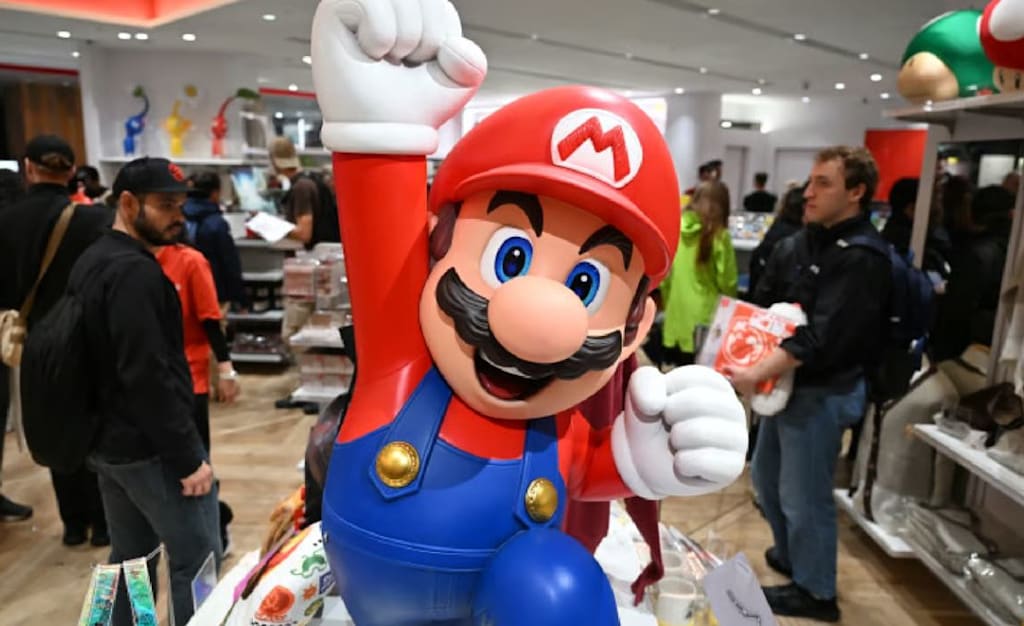
The global gaming industry, long characterized by its cyclical nature and fierce competition, witnessed a telling divergence in fortunes during the second quarter of 2026. As Japanese entertainment giants Nintendo and Sony released their quarterly earnings, the results painted a picture of two companies navigating vastly different challenges and opportunities. While Nintendo grappled with the inevitable maturation of its hardware cycle and rising component costs, Sony rode a wave of diversified success across games, film, and music. This contrast not only highlights the distinct business models of these industry titans but also offers crucial insights into the evolving dynamics of the modern entertainment landscape.
Nintendo’s latest financial report revealed a complex narrative. On the surface, the company maintained its annual net profit forecast of 310 billion yen, projecting stability for the fiscal year. However, beneath this steady outlook lay significant headwinds. The second quarter, spanning July to September, saw net profit plummet by 29% to 73.5 billion yen, missing analyst estimates of 82.2 billion yen. This decline was primarily driven by a sharp slowdown in Switch 2 console sales, which dropped to 6.5 million units compared to the robust 10.4 million sold in the same period the previous year.
The Switch 2, launched in 2025 as the world’s fastest-selling games console, is now experiencing the natural deceleration that follows any successful hardware launch. Early adopters have already purchased the device, and the broader market awaits compelling reasons to upgrade. Nintendo acknowledged this reality, noting that while operating profit rose nearly 50% in the first six months due to steady software sales and favorable tariff refunds, hardware unit sales declined year-on-year. Compounding this challenge is the global artificial intelligence boom, which has driven up the cost of memory chips used in everyday electronics. In response, Nintendo raised the price of the Switch 2, a move that may further dampen consumer enthusiasm in an increasingly price-sensitive market.
Yet, hope remains on the horizon for Nintendo. The company is pinning significant expectations on the release of “The Legend of Zelda: Ocarina of Time” remake, launching as part of the saga’s 40th anniversary. The title has already garnered widespread critical acclaim, scoring 96 out of 100 on Metacritic even before its official release. This places it among the best-reviewed titles of the year and suggests strong potential to reignite consumer interest in the Switch 2. Analysts will be watching closely to see whether this nostalgic blockbuster can provide the sales boost needed to sustain momentum through the remainder of the fiscal year. Nintendo’s strategy appears to hinge on leveraging its rich software lineup and installed base to maintain engagement, even as hardware sales moderate.
In stark contrast, Sony reported a triumphant quarter, upgrading its annual earnings forecast to 1.33 trillion yen, up from the previous estimate of 1.21 trillion yen issued in July. The company’s second-quarter net profit surged 44% to 449.6 billion yen, driven by robust performance across its diversified entertainment portfolio. Unlike Nintendo, which remains heavily reliant on its gaming hardware and software ecosystem, Sony benefits from a broader range of revenue streams, including music, movies, and television production.
Sony’s game segment performed exceptionally well, bolstered by favorable foreign exchange rates and strong sales of new titles. However, it was the company’s film division that provided a significant boost, with theatrical revenues increasing largely due to the blockbuster success of “Spider-Man: Brand New Day,” released in July. This cross-media synergy demonstrates Sony’s unique advantage in the entertainment industry, allowing it to capitalize on hit franchises across multiple platforms. Looking ahead, Sony is poised to benefit further from the eagerly anticipated November launch of “Grand Theft Auto VI,” predicted to be the biggest gaming release in years. This title alone could drive substantial revenue growth for Sony’s game operations, reinforcing its position as a dominant force in the industry.
The divergent trajectories of Nintendo and Sony underscore several broader trends shaping the gaming and entertainment sectors. First, the impact of global supply chain dynamics and component costs cannot be overstated. Nintendo’s decision to raise Switch 2 prices reflects the real-world pressures exerted by the AI-driven demand for memory chips. As technology becomes more integral to various industries, competition for resources intensifies, affecting everything from consumer electronics to automotive manufacturing. Companies that fail to adapt to these cost pressures risk losing market share or sacrificing margins.
Second, the importance of blockbuster content in driving hardware adoption remains evident. Nintendo’s reliance on flagship titles like “The Legend of Zelda” highlights the symbiotic relationship between software and hardware in the gaming industry. Without compelling exclusive titles, even the most innovative consoles struggle to maintain sales momentum. Conversely, Sony’s ability to leverage its diverse portfolio allows it to weather fluctuations in any single segment. The success of “Spider-Man: Brand New Day” in theaters not only boosts Sony’s film division but also enhances the brand value of its gaming properties, creating a virtuous cycle of cross-promotion and revenue generation.
Finally, the contrasting performances of these two companies reflect differing approaches to innovation and risk management. Nintendo has historically prioritized unique hardware features and family-friendly experiences, carving out a distinct niche in the market. However, this strategy can leave the company vulnerable when hardware cycles mature and component costs rise. Sony, on the other hand, has embraced a more diversified model, investing heavily in content creation across multiple media formats. This approach provides greater resilience against sector-specific downturns but requires significant capital investment and operational complexity.
As the gaming industry continues to evolve, driven by technological advancements and changing consumer preferences, companies must navigate an increasingly complex landscape. The rise of cloud gaming, virtual reality, and artificial intelligence presents both opportunities and challenges. For Nintendo, the key will be balancing innovation with affordability, ensuring that its hardware remains accessible while delivering unique experiences. For Sony, the focus will likely remain on leveraging its diverse portfolio to maximize synergies across gaming, film, and music.
In conclusion, the second quarter of 2026 served as a reminder that success in the entertainment industry is rarely linear. Nintendo’s temporary stumble and Sony’s surge reflect the dynamic nature of consumer demand, technological change, and competitive strategy. As both companies look toward the remainder of the fiscal year, all eyes will be on how they adapt to these shifting currents. Whether through nostalgic remakes or blockbuster sequels, the gaming industry continues to captivate audiences worldwide, proving that even in times of uncertainty, the power of play remains undiminished.
About the Creator
Mark Lim
Hi I am mark an automotive student and a car, tech and food enthusiast ! Im gonna try and post daily & hope you enjoy what I write and do share my page with people you know. I would gladly appreciate it! Cheers
Enjoyed the story?Support the Creator.
Reader insights
Share your insights about this piece.
How does it work?
Add your insights
Written byMark Lim
