

Whenever Hollywood launches a new shared cinematic universe, it’s hard to avoid comparing it to Marvel. In the 2010s, the Marvel Cinematic Universe transformed into the film industry’s biggest franchise by telling a sprawling, interconnected saga consisting of 23 films, bringing together a plethora of separate sub-franchises in a way audiences hadn’t seen before. Marvel pioneered the shared universe concept, creating a model other studios sought to replicate. That said, each film franchise is different, so while the MCU established the groundwork, everyone has their own approach, trying to find the strategy that best fits their goals and sensibilities to ensure long-term success.
Videos by ComicBook.com
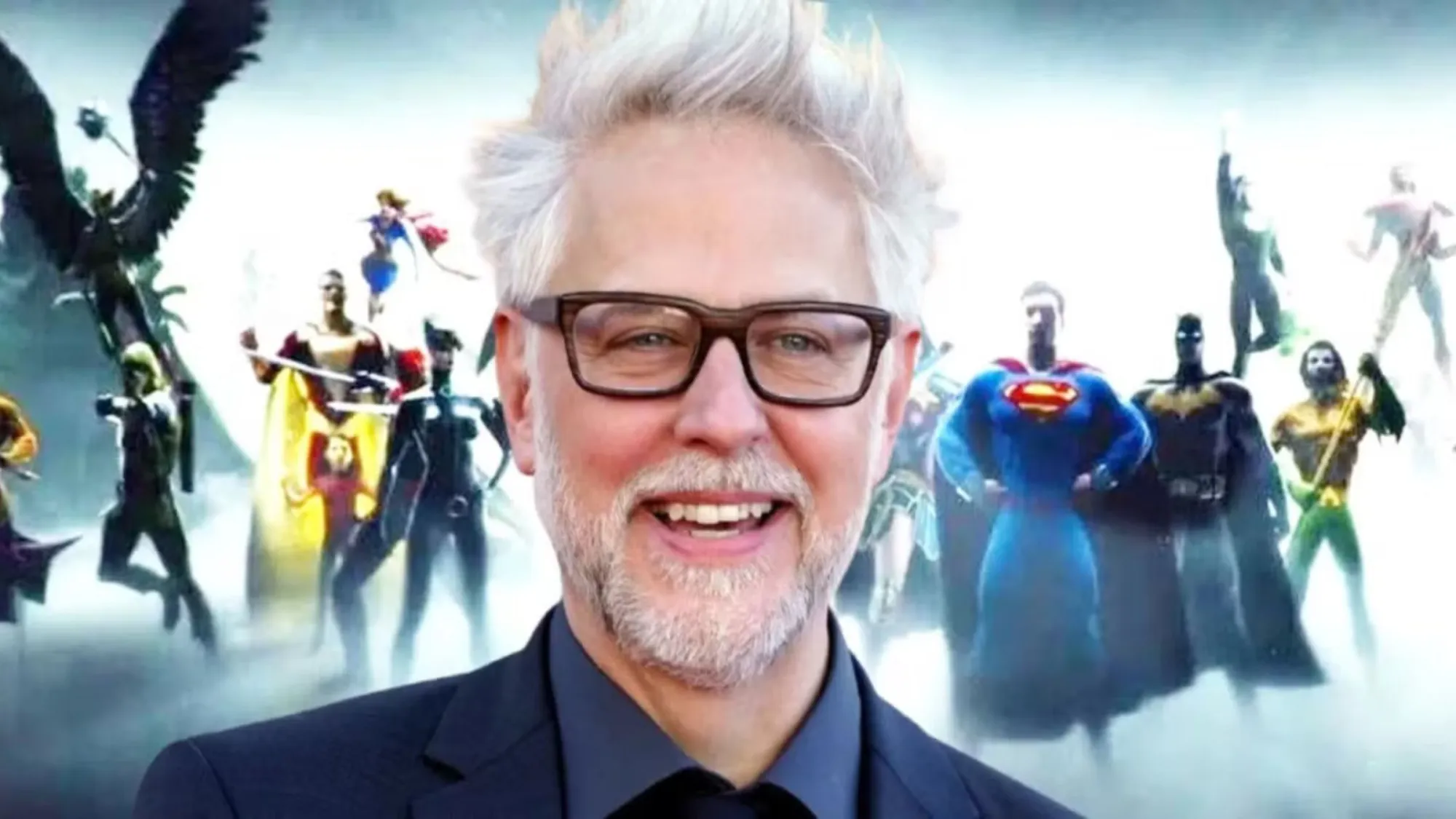
Take the DC Universe for example. Though James Gunn was part of the Marvel Studios family, spearheading the successful Guardians of the Galaxy trilogy, he isn’t trying to completely emulate the MCU as he gets the DCU off the ground. While both are shared universe featuring superhero characters (creating obvious parallels between the two), Gunn and DC Studios co-head Peter Safran are actually doing the opposite of Marvel in the early going, both in the characters they’re spotlighting and the types of projects they’re greenlighting.
The DCU Is Favoring A Lot of Lesser-Known Comic Book Characters

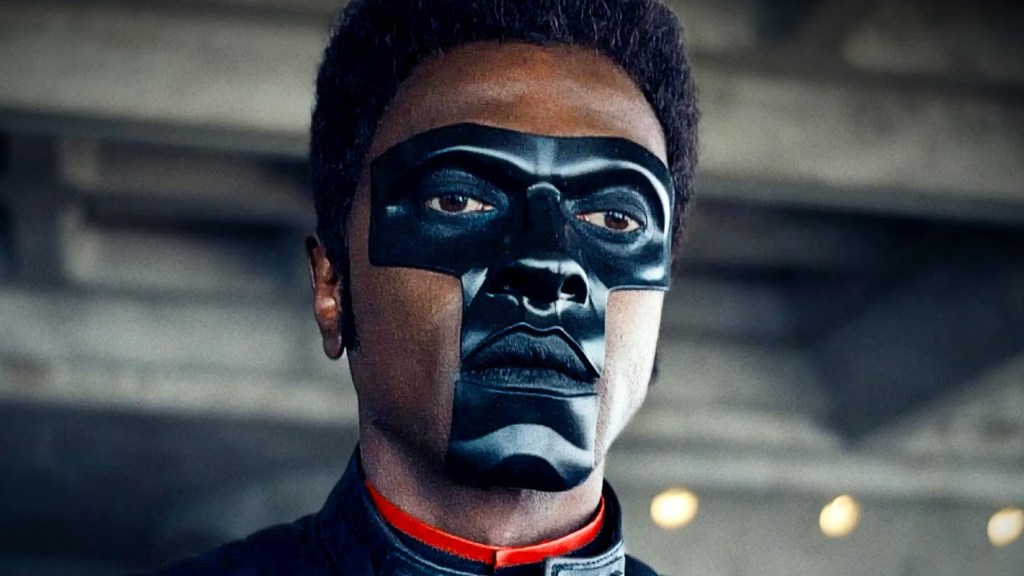
The DCU’s film slate kicked off with a Superman reboot and there are Batman and Wonder Woman movies in development, so DC Studios clearly isn’t neglecting the A-list superheroes. However, the DCU is also starting off with a lot of characters general audiences aren’t overly familiar with. The next film on the schedule is Clayface, an R-rated body horror movie about a second-tier Batman villain. Clayface is iconic amongst comic readers, but he isn’t as widely popular as the likes of the Joker, the Penguin, or the Riddler. Other DCU projects are skewing towards B- and C-list characters as well; The Authority, which is now on the back burner, was part of the initial Gods and Monsters announcement from 2023. A Swamp Thing movie from James Mangold is still in the works. On the TV side, there’s a Mister Terrific spinoffand the Jimmy Olsen/Gorilla Grodd true crime show.
Because Marvel was forced to sell the film rights to premier characters like Spider-Man and the X-Men, the Marvel Cinematic Universe was missing some notable A-listers of its own at the start. That said, the MCU still had some semblance of recognizability thanks to the presence of Hulk, Captain America, and the other Avengers. It wasn’t until after the first Avengers became a record-breaking hit that Marvel gained to confidence to dig further into the vault and bring more obscure titles to the limelight. If Avengers didn’t work, there’s no way we get Guardians of the Galaxy and Ant-Man, for example. In contrast, what’s happening with the DCU is like if Guardians and Ant-Man were among the first Marvel movies.
Gunn has always had a fondness for obscure characters that’s served him well. He is, after all, the same filmmaker who got audiences to care about Rocket Raccoon and Polka Dot Man. Given his track record, it isn’t surprising to see he’s making an effort to spotlight some of the lesser-known figures in DC’s library, defending the decision to develop Swamp Thing and Sgt. Rock movies (the latter of which is now on hold) by highlighting their rich history in the comics and other adaptations. By this point, audiences have seen several cinematic iterations of Superman and Batman that something like Swamp Thing could come across as a breath of fresh air by feeling new. At the same time, it’s worth wondering if the strategy to focus on the obscure will pay off.
Comic book movies are in a very different place now than the 2010s, when the genre was in its absolute heyday. A decade ago, Aquaman could headline a $1 billion blockbuster over Christmas. Ant-Man could make over $500 million worldwide in its sleep. These days, however, audiences are seemingly less interested in the lesser-known characters. The likes of Spider-Man: No Way Home, The Batman, and Deadpool & Wolverine have all been successful, illustrating there will always be a place for the A-listers. But Marvel has had its fair share of box office struggles in the 2020s (The Marvels, Ant-Man and the Wasp: Quantumania, Thunderbolts*), and DC is reeling from the bomb that was Supergirl. If moviegoers’ tastes have shifted to the point where B- and C-list comic book characters no longer automatically sell, DC Studios is going to have to work overtime to get people invested in some of these projects.
DC Studios Is Going for a Big TV Push
The launch of Disney+ was a double-edged sword for Marvel. On one hand, it gave the studio a new platform to further expand its massively popular franchise, telling long-form stories through multiple TV shows. On paper, the idea of introducing characters and further developing arcs on a series and then have those threads continue in a feature film seemed exciting. Unfortunately, the streaming boom came with its fair share of downsides. Most notably, it expedited feelings of franchise fatigue, as Marvel oversaturated the marketplace with an abundance of new content. Some of it, like WandaVision and Loki, was genuinely great, but with more MCU projects than ever to keep track of and the lack of a coherent throughline tying it all together, general audiences started to lose interest, leading to box office bombs like The Marvel (not coincidentally, a follow-up to two different MCU TV shows).
With the Multiverse Saga coming to the end of what’s been an uneven ride, Marvel is taking a step back and implementing a new output strategy: fewer annual releases. After years of putting out too much too soon, Marvel is scaling back; it’s part of what appears to be a company-wide initiative at Disney to prioritize theatrical events over streaming shows (see: the handling of the Star Wars franchise these days). In Marvel Phases 4 and 5, there were a total of 16 TV projects released (including new seasons of pre-existing series like Loki). Phase 6 will have six by the time it concludes; that doesn’t seem like a huge difference on the surface, but a look ahead post-Phase 6 shows a starker contrast. There’s only one live-action series in development (Wonder Man Season 2), and the other shows are new seasons of animated programs Your Friendly Neighborhood Spider-Man and Marvel Zombies, which stand on their own and don’t have any real impact on the overarching MCU story.
As Marvel pulls back from the streaming machine, DC is embracing it more. There are a lot of DC Studios TV shows in the works, including the Jimmy Olsen/Gorilla Grodd series (which is currently casting and will begin production later this year), the Mister Terrific spinoff, the upcoming Lanterns, Booster Gold, Paradise Lost, and animated shows such as Creature Commandos Season 2 and Mister Miracle. Just that group of shows (there are others that have been bandied about) is more than Marvel’s entire TV output in Phase 6. Time will tell what the future holds for Phase 7, but barring something unforeseen, odds are DC will be outpacing Marvel on the small screen into the next decade. Again, when looking at current industry trends, it seems odd to be leaning so much on TV productions.
Disney told Andor showrunner Tony Gilroy that “streaming is dead,” an admission that the model was no longer sustainable due to rising production budgets and other factors. Streaming services aren’t going anywhere, so there will always be a need for new programming on them, but it will be interesting to see how this plays out for DC (assuming all of these shows even get off the ground to begin with). Marvel’s TV excess made new releases feel less special; it became easier to see each arrival as disposable content instead of an important chapter in the franchise. This isn’t to say DC’s TV strategy is doomed from the start, but similar to the use of obscure comic book characters, they’re going to have to go the extra mile to ensure these series are must-see TV and expand the DCU in fascinating ways.
What do you think? Leave a comment below and join the conversation now in the ComicBook Forum!
3 Movies James Gunn’s DCU Needs To Prioritize After Supergirl’s Box Office Failure To Get Back on Track
