

By:Asmi SaxenaOctober 26, 2026 | 21:57 IST
- Edited bySheersh Kapoor
- Published OnOct 26, 2026 | 21:57 IST
- Last Updated OnOct 26, 2026 | 21:57 IST
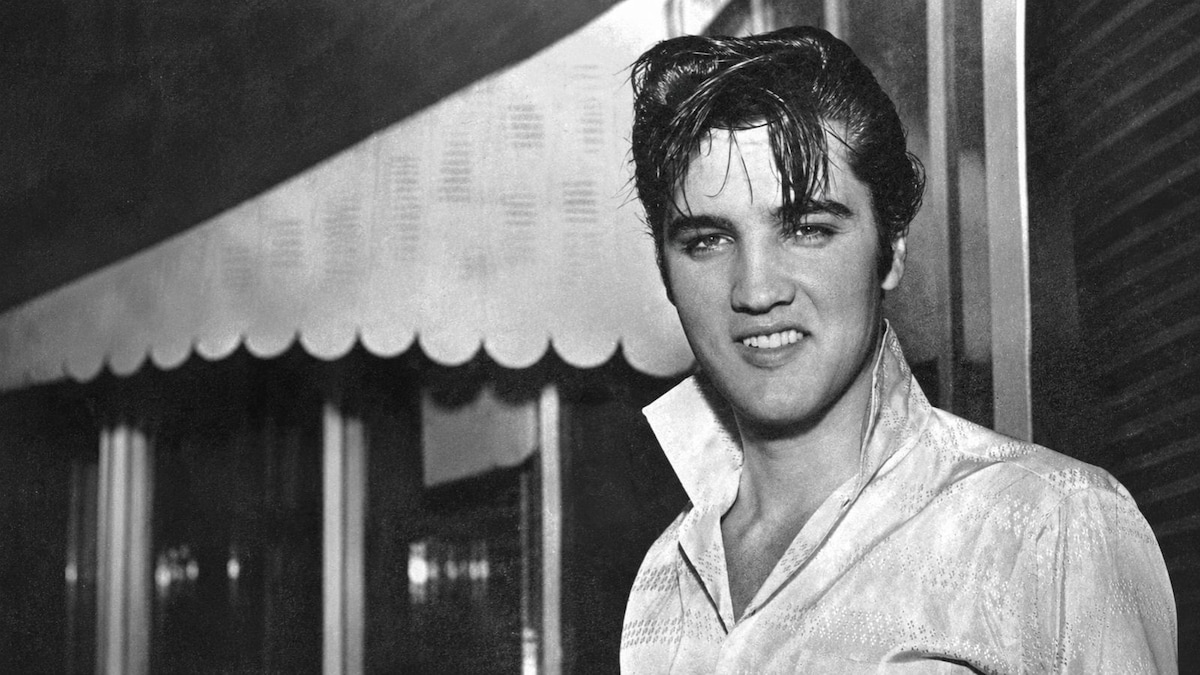
Elvis Presley’s hits are at the centre of a $41 million copyright fight with Anthropic, as AI-generated music intensifies the battle over creative rights and royalties.
The King has left the building. His songs, the rights holders allege, have not been left alone.
The owners of the rights to Elvis Presley’s music have sued artificial intelligence (AI) company Anthropic, accusing it of using 274 songs to train its Claude models without a licence. The case is the latest clash between AI developers and the music industry.
The lawsuit, filed in the United States on Friday, October 23, by Authentic Brands Group and other rights holders, seeks damages of up to $150,000 for each allegedly infringed song, amounting to about $41 million.
The catalogue includes hits such as All Shook Up, Can’t Help Falling in Love and Don’t Be Cruel. The plaintiffs allege that Claude can generate material resembling copyrighted songs, including their structures and hooks.
Anthropic said it disagreed with the claims and intended to defend itself fully.
The dispute extends beyond Presley. As AI tools learn to generate music in seconds, artists and record labels are fighting over whether their work can be used to train commercial systems, imitate their voices and produce competing content without their consent.
From Drake’s voice to Elvis’s songs
The distinction between learning from music and reproducing it is becoming central to the legal battle.
In June 2024, Universal Music Group, Sony Music <a href="https://comicvibe.com/mediacom-ups-appio-to-group-vp-video-and-entertainment-products/” title=”Mediacom ups Appio to group VP, video and entertainment products”>Entertainment and Warner Music Group sued AI music generators Suno and Udio, alleging that the companies had used copyrighted recordings to train their systems without permission. Both companies disputed the allegations.
The controversy is not limited to training data. In April 2023, Heart on My Sleeve, a viral track featuring AI-generated vocals resembling Drake and The Weeknd, demonstrated how convincingly AI could imitate recognisable artists. The track was subsequently removed following intervention by Universal Music Group.
Such imitations raise questions beyond copyright. Even when an original recording is not reproduced directly, an artist’s voice and identity can have commercial value. An imitation can also leave listeners believing that a performer has released or endorsed music they had nothing to do with.
The Presley lawsuit centres on alleged copyright infringement rather than voice cloning alone. But both disputes expose the same tension: how can artists protect their work and identity when AI can reproduce elements of their creative output at scale?
When making music becomes a numbers game
AI-generated music is also changing the economics of streaming. Tools that turn text prompts into songs have lowered the barriers to music production. They have also made it easier to generate vast quantities of tracks, some designed less for artistic expression than for clicks and streaming royalties.
The phenomenon, often dubbed AI music “slop” or “brainrot” online, has become a concern for streaming platforms and musicians competing for listeners’ attention.
In January 2026, music streaming application Deezer said it was receiving about 60,000 fully AI-generated tracks a day, accounting for roughly 39% of its daily uploads, up from 10% a year earlier.
The sheer volume does not establish copyright infringement. The concern is whether generated tracks reproduce protected work without permission, or whether fraudulent streams are used to divert royalties from legitimate artists.
Can licensing settle the score?
Some music companies are exploring licensing agreements with AI developers, offering a potential alternative to lengthy court battles. Bloomberg reported in November 2025 that major music labels had licensed works to AI music startup Klay.
Such deals could give developers access to music while allowing rights holders to negotiate compensation. But permission to use a recording for training does not automatically settle every question involving song compositions, lyrics, performers’ identities or AI-generated imitations.
The Elvis lawsuit will not resolve all these questions. It will, however, add to the growing body of litigation that could help determine how far AI companies can go in using existing creative work to build commercial products.
The music industry has heard countless versions of Elvis over the decades. The question now is whether AI companies can produce their own, and who gets paid when they do.
Tags
Anthropicartificial intelligence (AI)DrakeElvis PresleyTaylor Swift
Add as preferredeleases, reviews, web-series reviews, Awards, Events, Interviews and many more on CNBC-TV18. Explore more India & Worldnews, Expaliners and Interviews on CNBC TV18. Also, Watch our channels CNBC-TV18, CNBC Awaaz and CNBC Bajar Live on-the-go!
//
Elvis’s songs hit a sour note in AI’s $41 million copyright battle
More from Entertainment

Ramayana advance booking: Ranbir Kapoor’s film crosses ₹11 crore, sells 2.17 lakh tickets

Aamir Khan was initial target before shooters shifted focus to Tiger Shroff: Report
Trump’s Air Force One guest list: Boxing stars, Nicki Minaj and top White House aides

‘Ramayana’ advance booking crosses ₹10 crore in India as IMAX drives pre-release rush
