

Lessons well drawn
Comic book legend Frank Miller shares insights on life, myth, the creative process and more
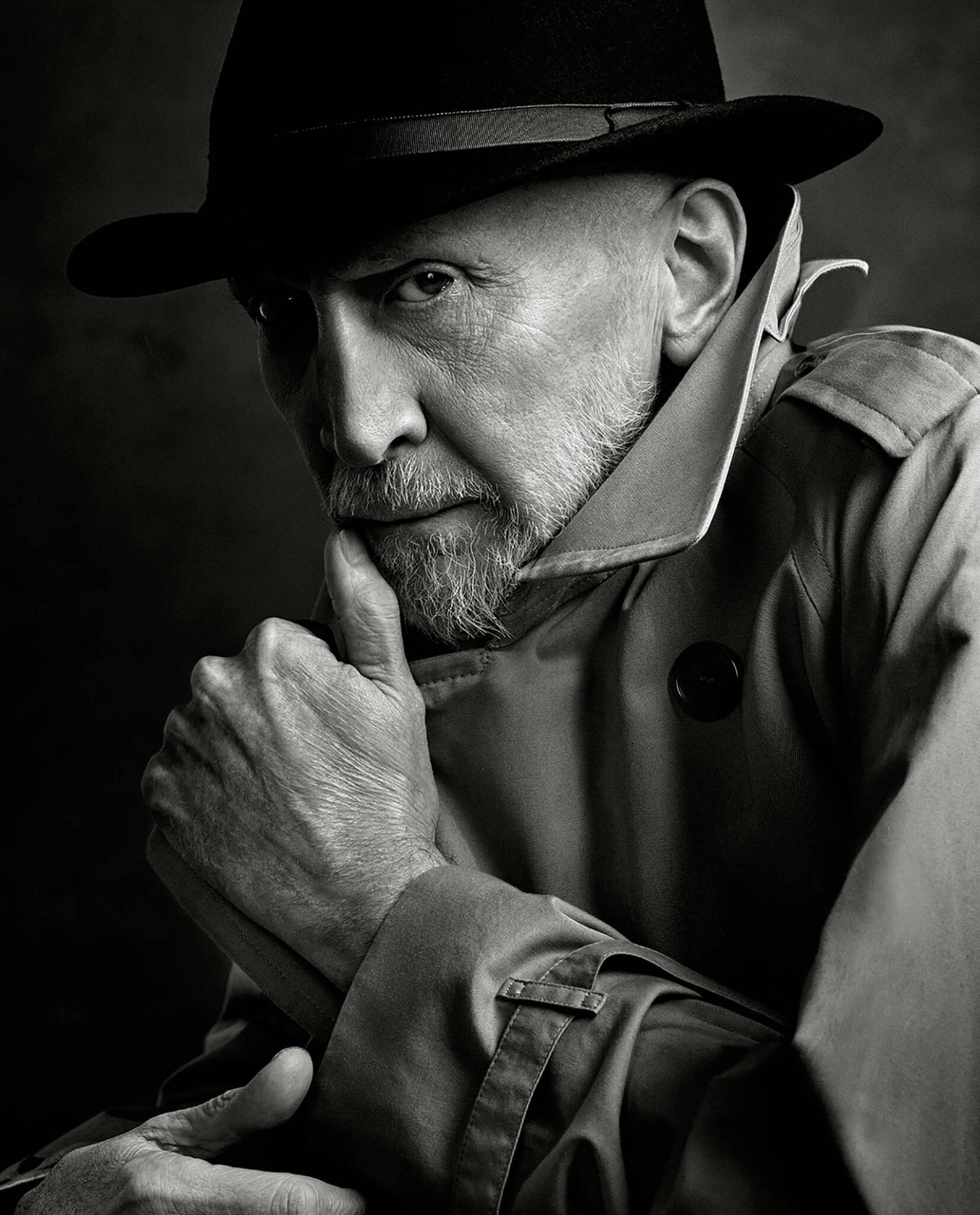
Best known for Batman: The Dark Knight Returns and Sin City, Frank Miller is a multi-award-winning American comic book writer whose talent transcends that medium. He’s also a proficient screenwriter, film director and producer.
Already have an account? Log in here »
To continue reading, please subscribe:

*First annual payment billed as $205.00 + GST for one year. This annual subscription will automatically renew at $233.00 + GST every 52 weeks (10% off the regular annual price of $259.35). Offer available to new and qualified returning subscribers only. Cancel any time.
To continue reading, please subscribe:
*Your next Brandon Sun subscription payment will increase by $1.00 and you will be charged $17.95 plus GST for four weeks. After four weeks, your payment will increase to $24.95 plus GST every four weeks.
Best known for Batman: The Dark Knight Returns and Sin City, Frank Miller is a multi-award-winning American comic book writer whose talent transcends that medium. He’s also a proficient screenwriter, film director and producer.
Read unlimited articles for free today:
Already have an account? Log in here »
Best known for Batman: The Dark Knight Returns and Sin City, Frank Miller is a multi-award-winning American comic book writer whose talent transcends that medium. He’s also a proficient screenwriter, film director and producer.
Based on this book, he’s no slouch as a memoirist, either.
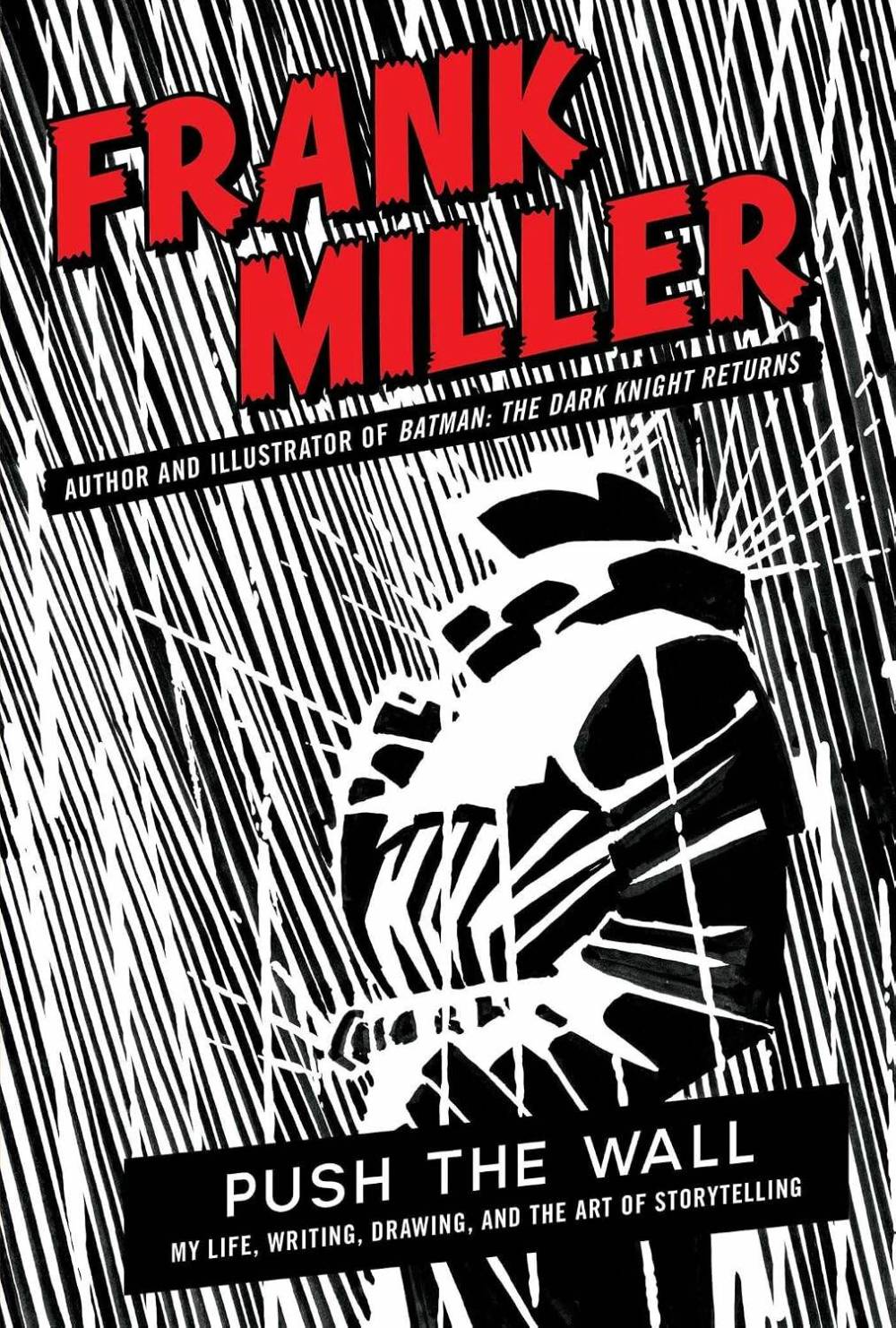
Equal parts memoir, tutorial, guide to the creative process and polemic, Push The Wall is a revealing view of the author/illustrator and a masterful exploration of the link between graphic storytelling and myth, religion and literature.
Frank Miller ’s book is equal parts memoir, tutorial, polemic and guide to the creative process.
While its contents are styled as “lessons” for aspiring comic book writers, the book’s so broadly thoughtful it’ll hold appeal for anyone interested in art and its creation.
The title is an all-purpose metaphor for soldiering on in the face of obstacles — creative, occupational and political. Based on his recounting, Miller did that time and again, so much so he sometimes sounds like a cheerleader for the quality of perseverance.
He’s emphatic right off the hop about being pedagogical. Instead of dividing the book into chapters, he structures it as 16 lessons. The lessons imparted range from drawing techniques and mentor tributes to finances and maintaining creative control.
The book is technical at times, addressing layout, storyboarding, horizontal versus vertical panels and colouration. In many ways it’s a sibling to the raft of books on the market about how to write fiction.
Miller writes with passion and deep knowledge, not only about comic storytelling but also classical literature, the visual arts and mythology. At different points he references everyone from ancient Greek playwrights Aeschylus and Sophocles to modern noir-mystery masters Raymond Chandler and Dashiell Hammett, inclusive of detours to discussion of the works of Goya and El Greco.
While Miller is celebrated as an illustrator, and holds that “the combination of words and pictures is what makes comics unique,” he comes across as an old-fashioned storyteller.
“No matter the visual pyrotechnics and format innovations, a comic book is still a reading experience,” he writes, “and if you want to keep your readers, you had better tell them a story, and it better be a good one.”
In the same vein, he reminds contemporary wannabe superhero-crafting comic writers that theirs are legacy creations. “Heroes go way back — to Beowulf and Siegfried and Robin Hood and Moses and Samson,” Miller writes.
At first blush oddly, but ultimately appropriately, a couple lessons near the book’s end are meditations on disparate pieces of Americana.
The first is the 1952 western movie High Noon, which starred Gary Cooper as a retired town marshal who, solo, takes on four outlaws who’ve returned to town to kill him. The second is a re-appraisal of the work of Norman Rockwell, the mid-20th-century painter and portrayer of middle America. The lessons disclose him as a perceptive critic of popular culture.
At its base, this is a book about how to tell stories that are at once suspenseful and morally engaged.
Fizzing with ideas, and fuelled by a righteous belief in comics as an art form for adults, Miller persuasively promotes comics as inhabiting a world of near-Shakespearean intensity.
Douglas J. Johnston is a Winnipeg lawyer and writer.
