


Publicly traded companies operating at the intersection of blockchain technology and interactive entertainment have delivered a notably strong earnings cycle, reflecting accelerating consumer engagement and expanding digital asset integration across their platforms. The results arrive against a backdrop of improving sentiment toward crypto-adjacent equities, driven by regulatory progress on stablecoins and rising institutional comfort with digital asset exposure. For investor relations professionals and analysts tracking this space, the numbers signal more than a seasonal bump — they reflect structural growth.
The breadth of outperformance spans platform-based gaming, iGaming, and sports betting operations, each drawing on digital payment infrastructure and in-app economies to generate higher per-user revenue. Companies that moved early to embed cryptocurrency functionality into their ecosystems are now reporting tangible margin advantages over peers that delayed adoption
Blockchain Gaming Sector Reports Revenue Acceleration
Platform-based gaming companies anchored to digital economies have posted results that significantly outpaced earlier projections. Engagement gains, driven by stronger in-app purchasing behavior and expanded content libraries, have translated directly into bookings growth that analysts found difficult to model accurately using prior-year trends
The momentum reflects a broader consumer willingness to transact in digital environments — a behavioral shift that has compounded over several consecutive quarters. Companies with robust virtual economies, where digital tokens and in-game currencies function as genuine commercial instruments, have been particularly well-positioned to capture this demand
Digital Asset Integration Drives Operator Margins Higher
The iGaming segment has emerged as one of the clearer beneficiaries of digital asset integration, as operators leverage cryptocurrency payment rails to reduce processing costs and extend reach into markets underserved by traditional banking infrastructure. Operators focused on this category — including the crypto gambling sites listed here — offer a useful reference point for understanding how this segment has matured in terms of product depth and regulatory compliance
MGM Resorts provides a concrete institutional example. According to MGM’s Q2 2025 earnings coverage, the company’s digital segment — encompassing iGaming, online slots, live dealer products, and sports betting — posted a 14% revenue increase to $163.9 million in the second quarter of last year. That result underscores how regulated digital wagering has become a quantifiably meaningful revenue contributor for major publicly traded operators
Investor Disclosures Reflect Growing Consumer Adoption
Corporate disclosures filed over the past twelve months have increasingly referenced digital asset adoption as a driver of forward revenue visibility, moving the conversation from speculative positioning toward documented performance. Roblox offers one of the more striking data points in this cycle
The company’s second-quarter 2025 net bookings reached $1.44 billion, representing 51% year-over-year growth — a figure that drew significant attention from institutional investors reexamining their exposure to platform-based digital entertainment. While Roblox is not a crypto-native company, its performance illustrates how virtual economies with strong digital purchase behavior reflect the same macro tailwind benefiting blockchain-integrated operators
Investor relations teams across the sector have responded by building more detailed disclosures around digital asset treasury holdings, tokenized in-game economies, and crypto payment volume. These disclosures are increasingly material to equity valuations, not merely supplemental narrative
Analysts Revise Forecasts Amid Continued Sector Momentum
Sell-side analysts have been revising full-year estimates upward across the blockchain gaming and digital entertainment categories, citing sustained bookings momentum and improving unit economics. Roblox itself updated annual guidance substantially, with fiscal 2025 bookings guidance raised to a range of $6.57 billion to $6.62 billion, up from an earlier estimate of $5.87 billion to $5.97 billion — a revision that reset expectations sector-wide
The broader investment thesis for blockchain gaming is consolidating around companies that can demonstrate durable engagement, transparent tokenomics, and regulatory clarity in their key operating jurisdictions. As digital asset policy continues to develop in the United States and internationally, companies that have already built compliant infrastructure are likely to maintain the margin advantages currently visible in their earnings disclosures. The sector’s performance trajectory suggests that digital asset integration has moved decisively from an experimental feature to a core revenue driver.

Testing smart surfaces in zero gravity. ‘It was intense and surreal’
iPhone Air 2 Leak Points to Dual Cameras and a Bigger BatteryToday

Microsoft Starts Using Its Own AI Models to Cut CostsToday

Anthropic Brings Claude Cowork to Phones for Max SubscribersYesterday

Discord Bug Wrongly Banned Around 8,200 Accounts Since MayYesterday
More news about Technologies
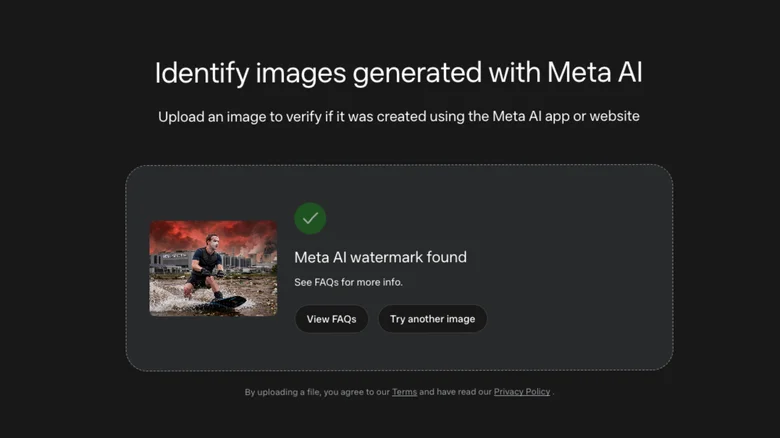
Meta Hands You a ‘Magnifying Glass’ for Its Own AI FakesYesterday

Meta Launches Muse Image, Its First In-House AI Image ModelYesterday

Bentley Names Its First Electric Car the Torcal, Reveal Set for SeptemberYesterday

With AI, researchers discover new way to detect sudden cardiac death risk4 days ago

A portable ultrasound system could make reliable breast imaging more accessible5 days ago
More news about Developments
