

Microsoft’s Xbox desperately needs gaming hits amid a major business slump and layoffs. Can new games for The Elder Scrolls and Fallout franchises turn things around?
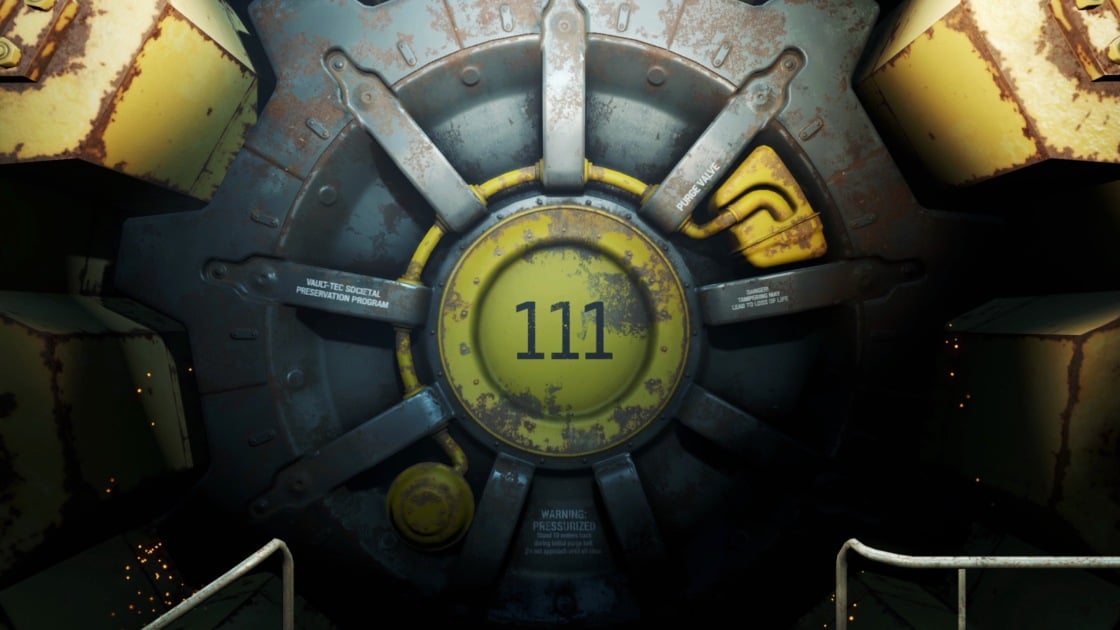
On Friday, the Microsoft-owned Bethesda Softworks released some long-awaited news: Fallout 5 has entered “preproduction,” over a decade after Fallout 4 launched in 2015.
The announcement suggests the new Fallout is still years away as Bethesda focuses on another much-anticipated title. “The Elder Scrolls VI is our primary development focus today, with the majority of our team currently working on the next chapter of the franchise,” Bethesda tweeted. “With over 65 million copies sold, players are still exploring [Elder Scrolls V] Skyrim 15 years later, but we know it’s been a very long wait for the sequel.”
It appears that a substantial portion of Elder Scrolls VI has been built. “The next chapter is on the way. We’re where we planned to be, loving how it looks, and playing it every day,” the studio said. Another goal is “bringing our teams closer together so we can get our games into your hands sooner, support them longer.”
“Fallout is one of our biggest priorities today,” the tweet adds. “Fallout 5 remains our long-range destination, and we have multiple Fallout projects in active development right now.” Other projects include remasters of Fallout 3 and Fallout: New Vegas.
Elder Scrolls VI and the upcoming Fallout 5 will use the next version of Bethesda’s Creation Engine 3. For perspective, the studio’s sci-fi game Starfield used Creation Engine 2 while Fallout 4, the online multiplayer-focused Fallout 76, and Skyrim were built with the first-gen version.
Bethesda is probably trying to reassure fans amid turmoil within Microsoft’s Xbox business. It plans to lay off 3,200 employees this fiscal year and offload several game studios. Xbox CEO Asha Sharma also signaled this month that Microsoft’s subscription-based GamePass bet failed to pay off, while costly gaming franchise acquisitions have saddled the business with exorbitant costs.
Recommended by Our Editors
Star Fox Remake First Look: Why Nintendo’s Safe Bet for Switch 2 Is a Winner
You Will Own Nothing and Be Happy. PlayStation’s New Digital Ownership Policy Is Alarming
Sony Killing PlayStation Discs Is a Wakeup Call for Streamers. Here’s How to Save Your Favorite Media
Despite the cuts, Sharma is trying to engineer a turnaround by focusing on “higher priority projects” in an effort to entertain a billion people each day. “None of our first-party publicly announced games or projects are being canceled as part of these reductions,” she noted earlier this month. “This year, we’ll invest as much in Xbox as we ever have, but we’ll invest with greater focus, greater discipline, and greater clarity.”
Still, there’s been concern that the layoffs could undermine the Doom and Wolfenstein gaming franchises, which Microsoft also owns through id Software. Like Bethesda, id Software posted a tweet last week, writing: “We still have the crew we need to build the games and tech we’re known for. The team today is about the same size we were when making DOOM (2016).”
About Our Expert
Michael Kan
Principal Reporter
Experience
I’ve been a journalist for over 15 years. I got my start as a schools and cities reporter in Kansas City and joined PCMag in 2017, where I cover satellite internet services, cybersecurity, PC hardware, and more. I’m currently based in San Francisco, but previously spent over five years in China, covering the country’s technology sector.
Since 2020, I’ve covered the launch and explosive growth of SpaceX’s Starlink satellite internet service, writing 600+ stories on availability and feature launches, but also the regulatory battles over the expansion of satellite constellations, fights with rival providers like AST SpaceMobile and Amazon, and the effort to expand into satellite-based mobile service. I’ve combed through FCC filings for the latest news and driven to remote corners of California to test Starlink’s cellular service.
I also cover cyber threats, from ransomware gangs to the emergence of AI-based malware. In 2024 and 2025, the FTC forced Avast to pay consumers $16.5 million for secretly harvesting and selling their personal information to third-party clients, as revealed in my joint investigation with Motherboard.
I also cover the PC graphics card market. Pandemic-era shortages led me to camp out in front of a Best Buy to get an RTX 3000. I’m now following how the AI-driven memory shortage is impacting the entire consumer electronics market. I’m always eager to learn more, so please jump in the comments with feedback and send me tips.
Areas of Expertise
Latest By Michael Kan
- Chinese Memory to the Rescue? Not So Fast, US Lawmakers Say
- Ransomware Attack Halts Milk Production at Coca-Cola’s Fairlife Brand
- FCC Eyes Easier Satellite Connectivity for Laptops, Phones, IoT Devices
- Starlink’s New Roam Rules Threaten to Price Out Digital Nomads at Sea
- Meta to Alert Parents If Their Kid Mentions Suicide to Its AI Chatbots
- More from Michael Kan
