

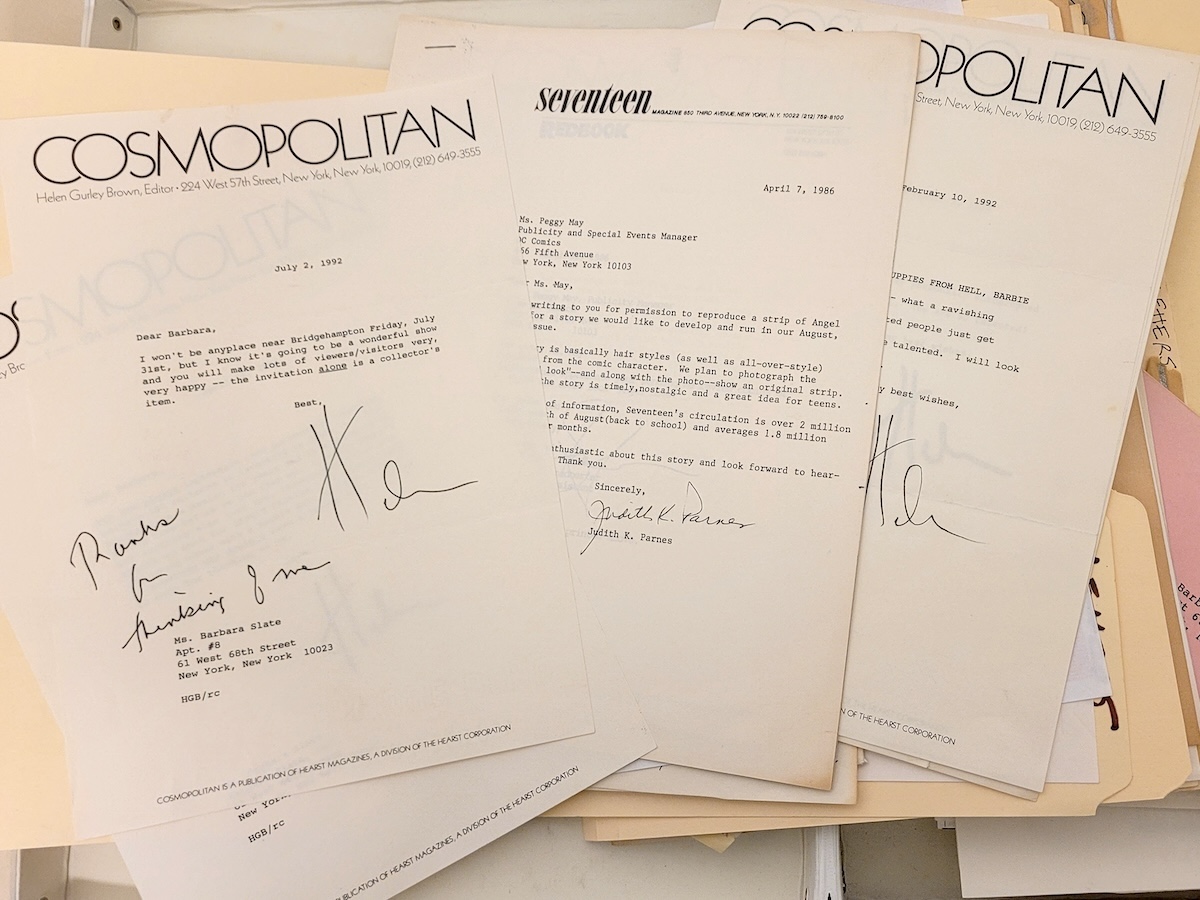
Barbra Slate is arguably one of the most influential women in comics. The Dowd illustration Research Archive acquired the Barbra Slate Archive in 2024 and the materials contain examples of Slate’s career as a comic artist and author. Some of her most notable projects include Ms. Liz, Angel Love,and Sweet XVI, all of which are documented in some capacity within the collection.
The comics industry has been a boy’s club for decades: most characters are men, most writers and artists are men, and most readers are men. Despite always being a part of the industry, women in comics didn’t get their moment until the mid-1970s due to the sudden boom of underground comix. Finally, comics were being created for and by women.
Barbara Slate expertly weaved feminist ideals into her works for both the alternative and mainstream scenes. Throughout her career, Slate became an architect of modern girlhood. She specifically used comics to expose women and young girls to the feminist movement, to help her readers navigate a sometimes-hostile world, and to craft ideas of aspirational girlish dreams.
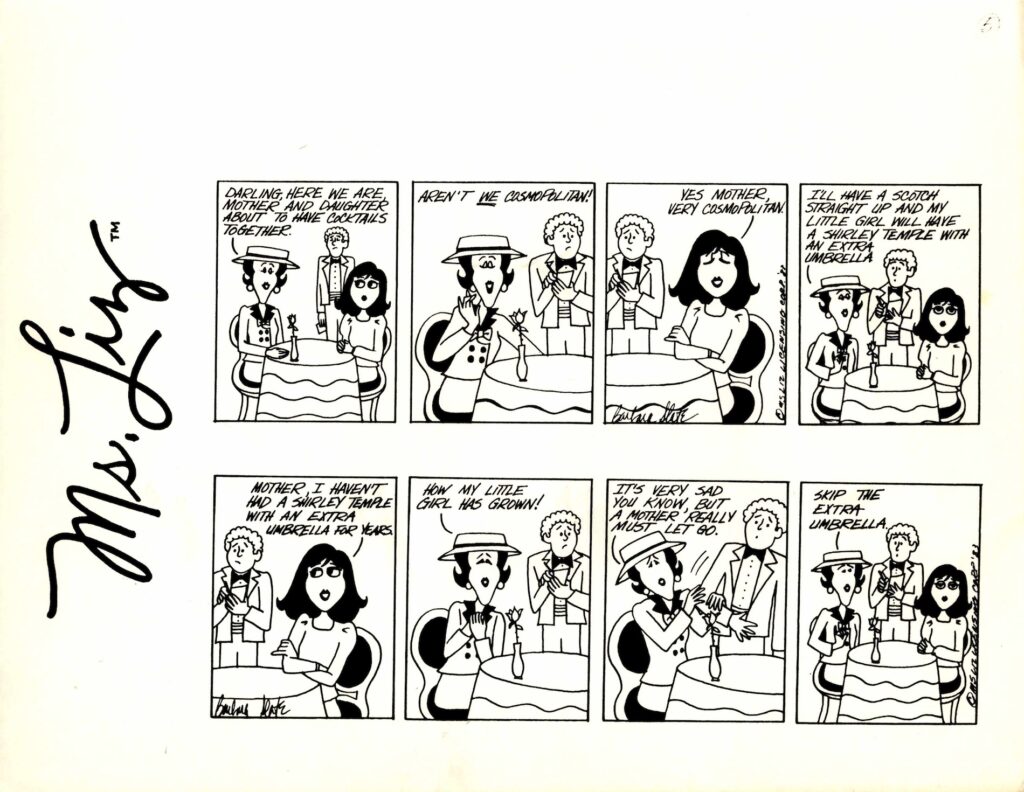
Slate’s first foray into feminist illustration began in 1976 with a line of greeting cards, featuring a mascot character alongside feminist slogans. The character of these cards was Ms. Liz and, though she went through various visual iterations, she remained a depiction of a confident and liberated young woman. Around 1981, Ms. Liz came into her most finalized depiction in a self-titled comic strip series. The strip, written and drawn by Slate, appeared in Cosmopolitanand New Woman.
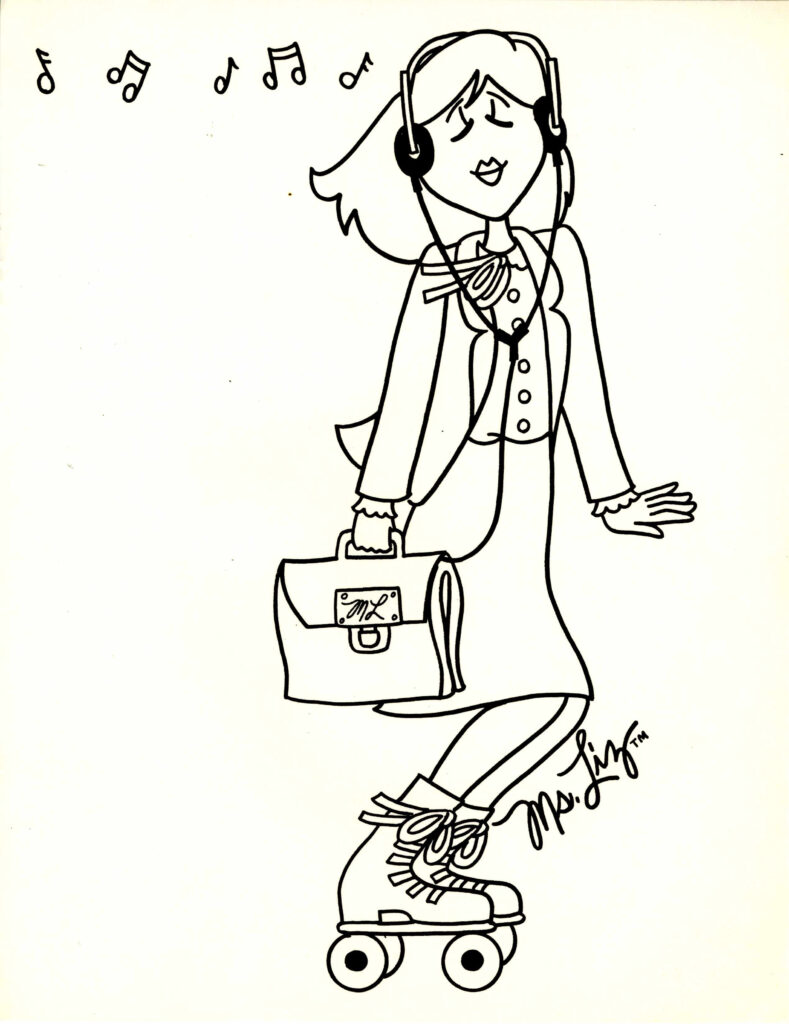
Ms. Liz was the it girl of the early 1980s and was a product of second wave feminism. She lived alone in the Big Apple, wore fashionable suits to her office job, went on dates with a roster of men, and had a passion for rollerblading. Most of the plotlines in Ms. Liz revolved around the woman’s everyday life in a blend of irony and vulnerability.
Ms. Liz sits right at the junction of growing out of childhood and into adult independence. Liz’s mother appears occasionally, badgering Liz about her love life and moving back home. In most strips, Liz takes the teasing with fond annoyance but really she craves the dynamic of dependency.
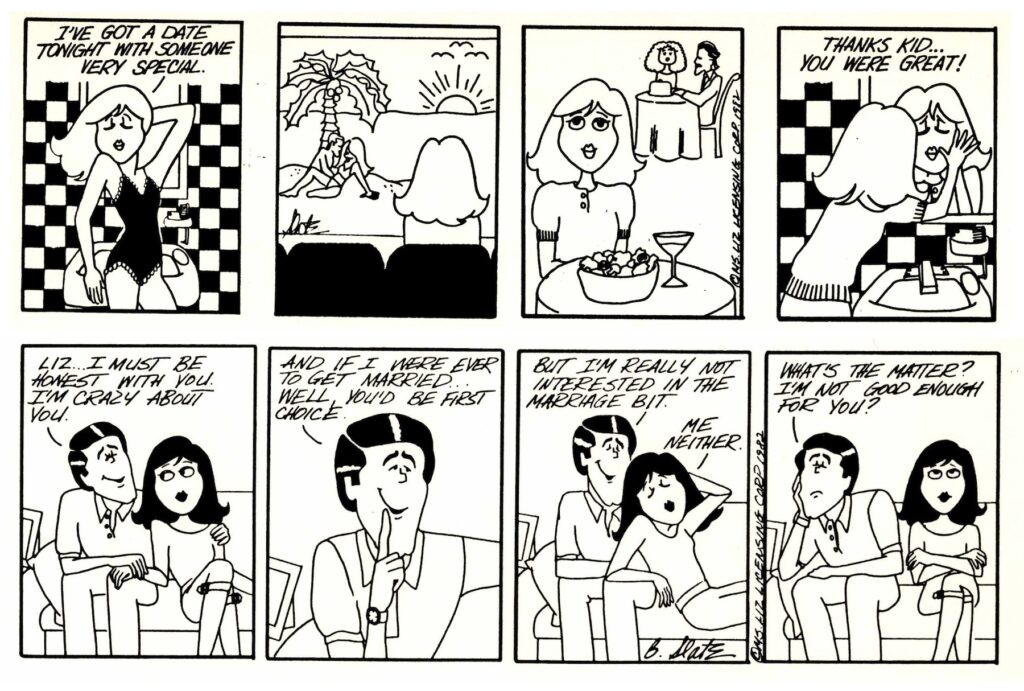
Another reoccurring character is Liz’s most serious boyfriend, Steve. The two constantly oscillate back and forth between seeing other people, challenging each other’s affection, and craving commitment. It’s easy to project onto the character because of the relatability of the storylines, which is a credit to Slate’s art and understanding of the modern woman.
1985 would bring about Slate’s most lauded depiction of girlhood: the nine part comic book titled Angel Love.Published by DC Comics, the series would follow the titular Angel Love character through the various crises that young adulthood brings. The Barbara Slate Archive contains original artwork for the comic in addition to a proposal for Angel Love in the form of a young adult novel, which sheds more light on Slate’s intent for the series.
In the proposal, Slate writes: Angel Love is “…for girls 10-14 who want to know all about what it’s like to be a young, single, career girl living in New York… Young girls will enjoy learning about her struggles and they’ll identify with her problems… underneath it all, Angel, like most young girls, is shy and terrified.”
While the characters in Angel Love are entering their early 20s, the intended audience sits well below that. Young kids will always look up to their older companions to gauge their own personal milestones. They watch and learn from older siblings’ or friends’ experiences and mistakes in order to have an idea of what they’ll be faced with one day to prepare for their own major life events. Angel is that older kid the younger ones look up to.
Once more, Slate has created an it girl, whose fashion choices and friendships are aspirational for young readers but, unlike Slate’s character Ms. Liz, Angel’s life is rife with hardships that truly threaten to change her life. The first storyline of the series follows Angel’s crush on her coworker Don and her discovery of his cocaine usage. Substance abuse is the first of many real-world issues that Angel Love introduces to its audience.
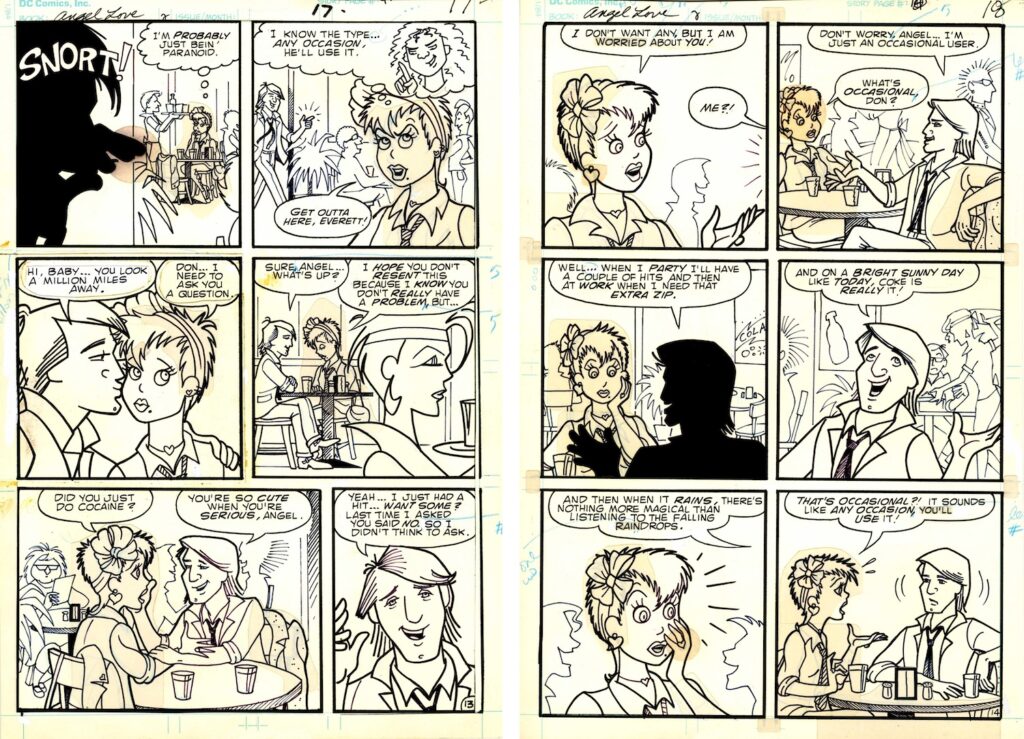
The series faced criticism for its inclusion of drug usage and abortion, many questioning the appropriateness of the topic for a young audience. Social issues like the ones presented in Angel Love were real in the lives of many readers. Storylines like Angel’s romance with Don provide the audience with a guide for responding if they encounter recreational drug use in the real-world, either as a witness or a potential user.
In a later story, Angel supports her friend Cindy through an unexpected pregnancy. The comic doesn’t make one determination on being pro-life or pro-choice, instead emphasizing that the most important position is supporting a friend throughout their struggle. Through Angel’s talks with Cindy, both reasonings for and against keeping her pregnancy are given and provide the audience with a playbook and dialogue to implement in their own lives should they face a similar situation.
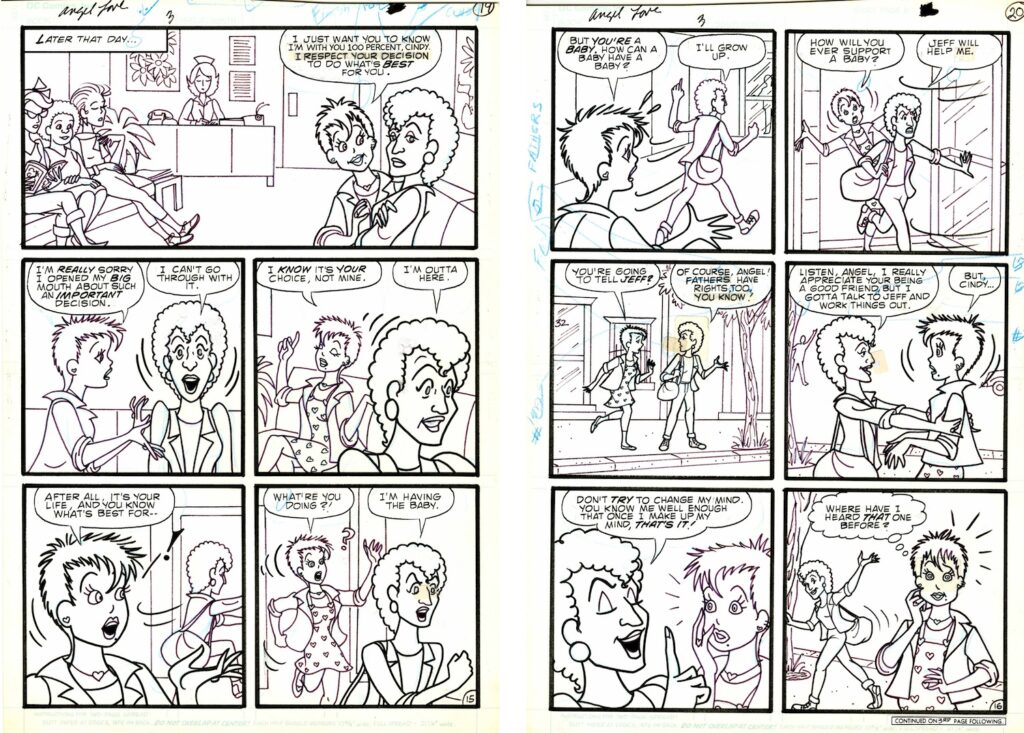
The way Slate wrote Cindy’s storyline allows the gravity of the situation to be treated respectfully, while also providing moments of levity that balance out the weight of the topic. The following plotlines that Angel faces are no less based in real-life, but take on a much more fantastical appearance. Interspersed between Angel’s crises, her friends and roommates go on a series of silly adventures in a perfect balance of relevant issues and lighthearted entertainment.
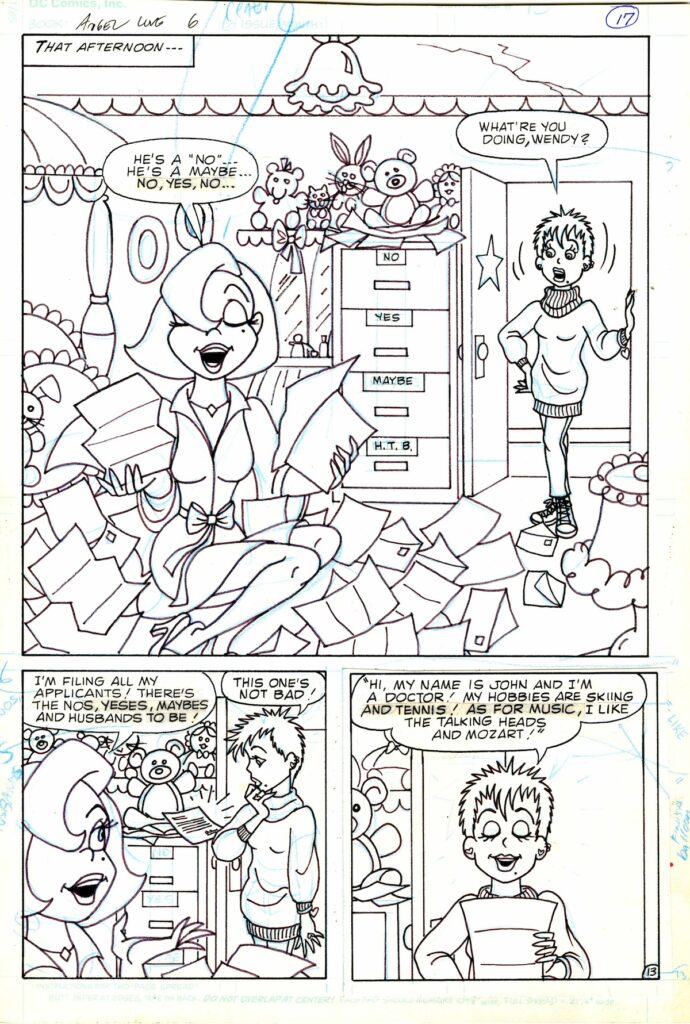
The most classical take on girlhood created by Slate can be found in Sweet XVI, published by Marvel Comics in 1991. Unlike the comics previously mentioned, this comic book series takes place in a completely fictionalized Ancient Rome that blends cultural history with modern problems. Many of the storylines resemble tried and true sitcom tropes, but with whimsy added by the setting.
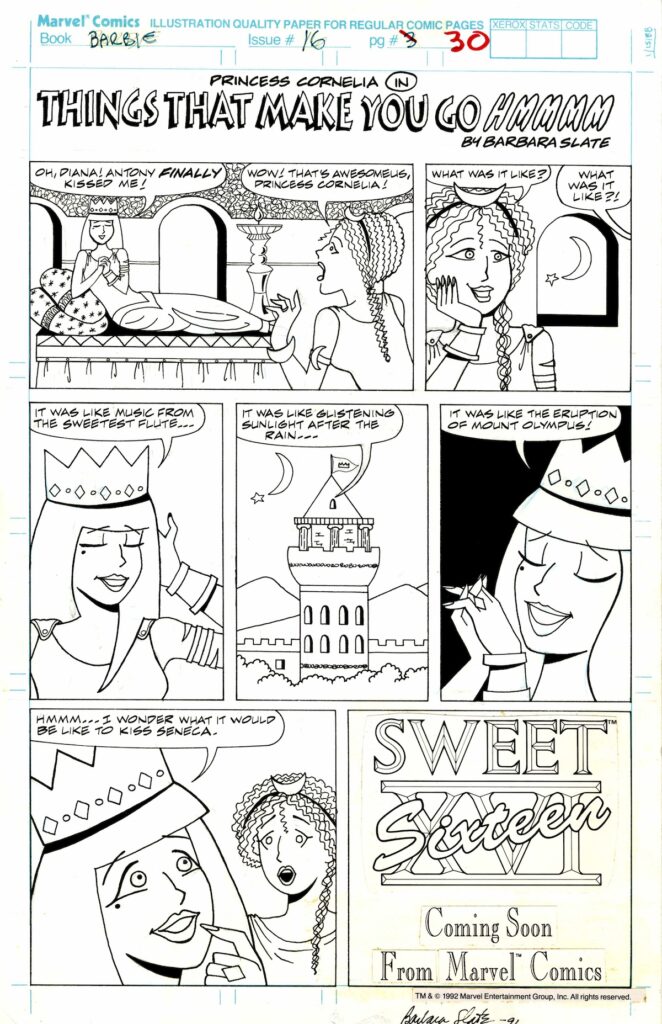
The overarching storyline of the seven-part series follows Princess Cornelia planning her sweet sixteen birthday party, which is interspersed with other characters’ antics. Most of these shorter plots revolve around high school politics and romance, such as Cornelia and Aria’s competition for Antony’s affection. While the story may not be as intense as Angel Love,Slate still leans into providing young girls with aspirational and inspirational content.
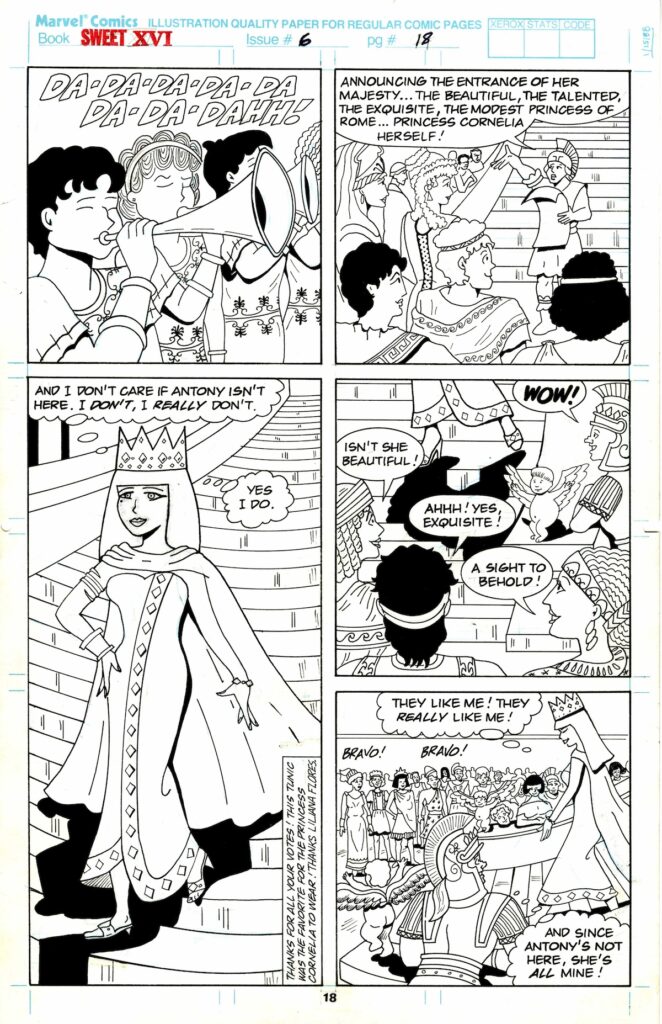
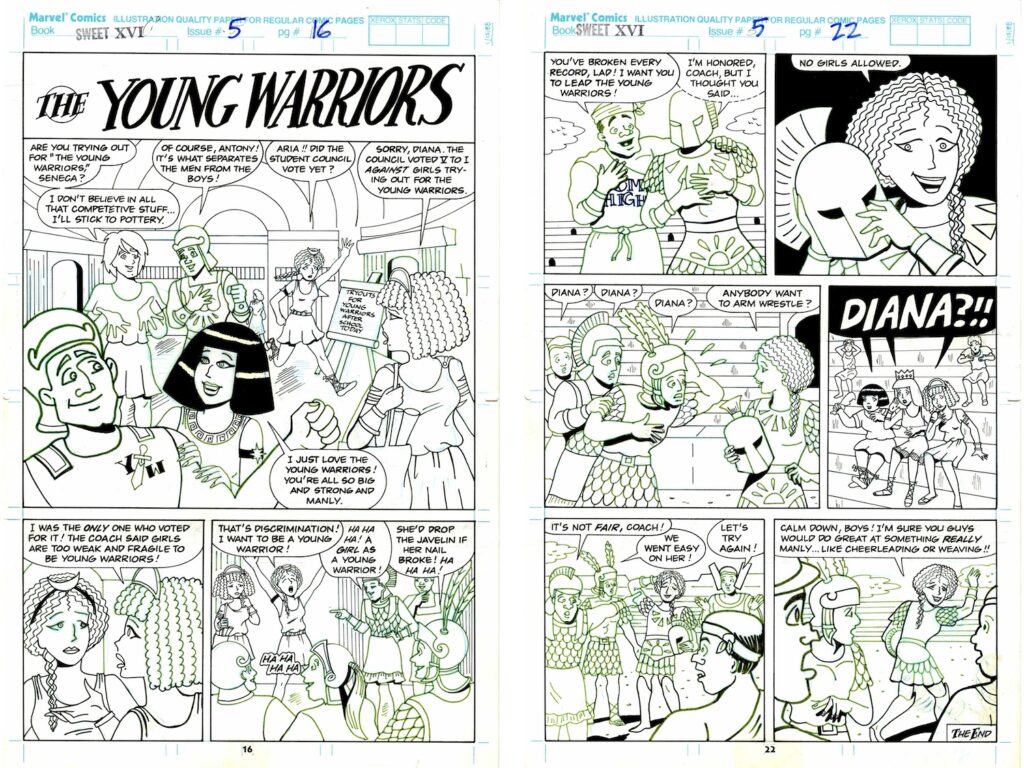
Sweet XVI contains a diverse cast of characters with their own classic archetypes. In one plot, Aria tries to coach Antony through a school senate debate only to be elected herself. Aria represents girls who desire to take a stance on social issues, and this plot leads directly to another on the equality of girls in athletics. Aria is the only Senate member who votes to allow girls to be a part of the Young Warriors athletic team. Diana, the sporty member of the friend group, is crushed, and devises a plan. She sweeps the competition disguised as a man during tryouts. This series gives girls permission to take up space, pursue their dreams, and cultivate meaningful female friendships.
Slate continued to create comics for girls and women throughout her career by creating and proposing countless female led stories and series for publication. She remains one of the most prolific female comic writers and enjoyed a long tenure as a writer for Marvel’s Barbie comic books. For a time was the only woman published by DC Comics and Marvel Comics and she was the first woman to be published by Archie Comics. She continues to have her finger on the pulse of girlhood and is helping to continuously mold whatever girlhood means for every generation.
The Dowd Illustration Research Archive holds Barbara Slate’s career materials. This includes original works of art, books, process materials, scripts, objects, scrapbooks, photographs, clippings, and professional papers that serve as physical documents of her time spent as an artist and writer. To learn more about the collection, reach out to Andrea Degener, Dowd Illustration Research Archive curator.
Maria Pellegrino is an MFA in Illustration and Visual Culture candidate at the Sam Fox School of Design & Visual Arts and served as the Dowd Illustration Research Archive fellow (February–May 2026) in the Julian Edison Department of Special Collections.
