

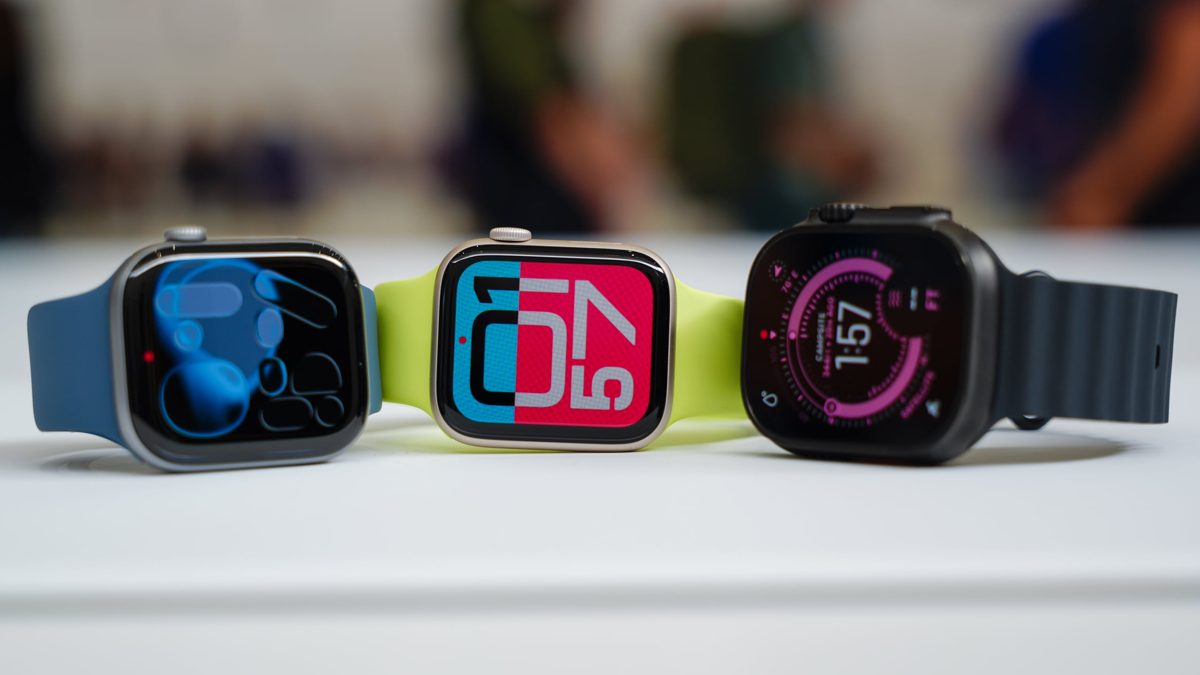
At its ‘Surprise and Shine’ event on Sept.9, Apple will all but certainly announce a Series 12 smartwatch. I don’t expect Apple to throw out the playbook here, despite new leadership. If history is any indication, its next Apple Watch will have accurate health and fitness tracking, a square face, and tons of apps.
Apple has a history of taking small but meaningful steps forward with its smartwatches. Last year, the Apple Watch Series 11 introduced the first significant bump in battery life for the company’s watches since the very first model. The year before, the Series 10 introduced a thinner case with a larger screen visible from a wider viewing angle.
This year’s watch will almost certainly focus on AI capabilities, given the new Siri AI app at the center of watchOS 27. Besides that, here are five upgrades I’d like to see that would keep the upcoming Apple Watch at the forefront of the increasingly competitive smartwatch field.
1. Price: Hold the $399 Line
Apple has kept the starting price of its flagship Series watch consistent since the Series 4 in 2018. At $399, Apple’s past models have always been more expensive than competing flagships from Google and Samsung, but its pricing consistency over more than half a decade is commendable. As for the Series 12, my hope is simple: I want the starting price to remain at $399.
The reason I question this, despite Apple’s track record, is those same competitors. Both Google and Samsung raised the prices of their flagship smartwatches this year. The Samsung Galaxy Watch 9 starts at $379.99, a $30 increase over its predecessor. Google bumped the base price of the Pixel Watch 5 by $50 over last year’s model, matching the Apple Watch Series 11 at $399.
Apple is as affected by the rising costs of memory and storage chips as its competitors are. Amid the global AI-related memory shortage, the company has already raised prices across several product categories this year, but not its smartwatches.
Even so, I’m hoping Apple bucks the trend. If it remains at $399, the Apple Watch Series 12 will seem more value-rich than ever.
2. Performance:Give Us a New Chip
The Apple Watch Series 11 has the same S10 processor as its predecessor, so a new chip for the Series 12 just makes sense. Given the importance of Siri AI to the upcoming watchOS 27 software, a new, faster chip will help make sure the digital assistant can process complex tasks with relative efficiency.
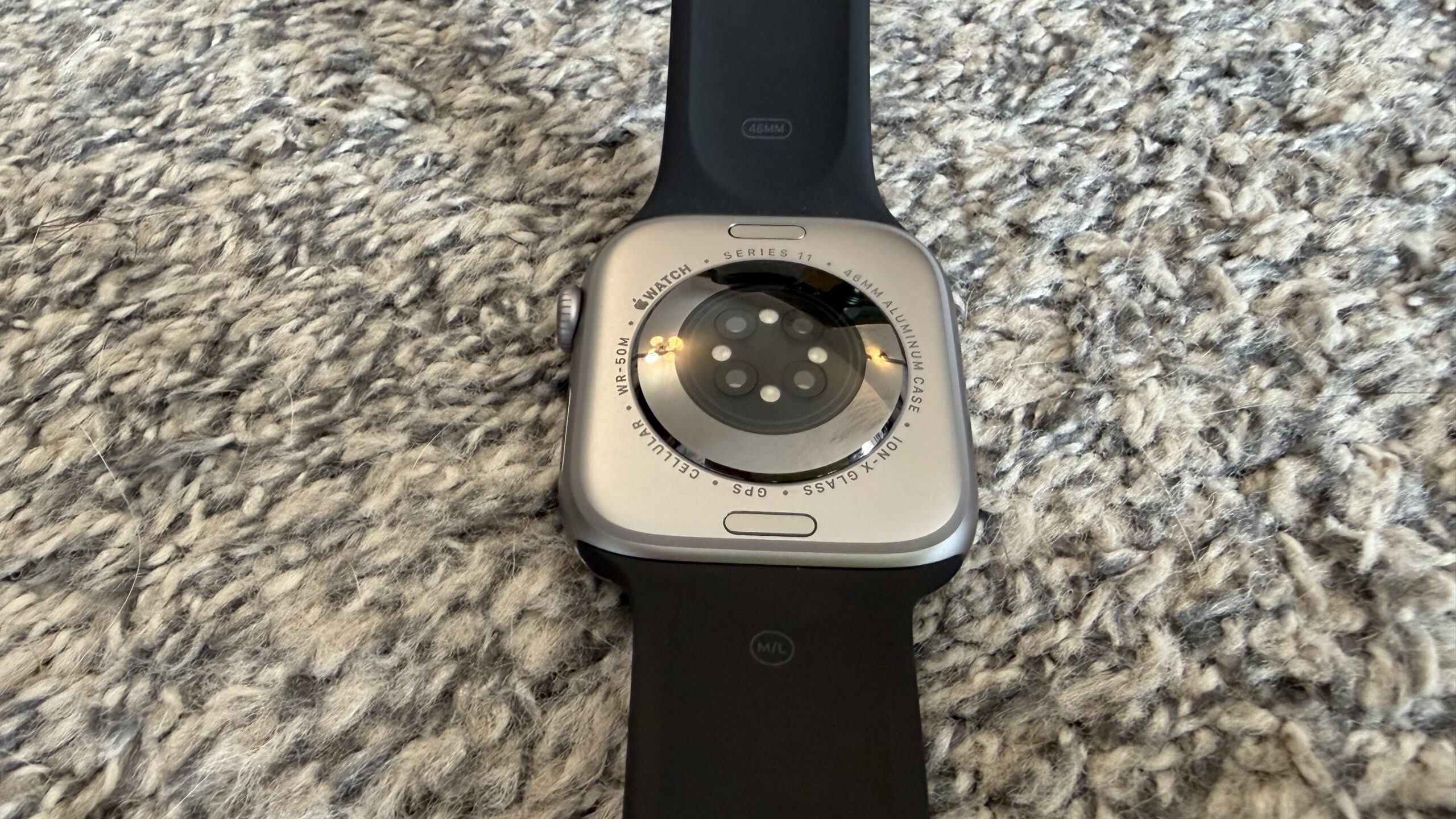
Before the Series 11, Apple’s previous flagships had a long track record of debuting with a new chip. Apple obviously felt the S10 was still up to the task in the Series 11, and my testing verifies that. It handles all health-tracking and lifestyle tasks without lag and is highly responsive when switching between apps.
Still, I want to see what a new chip can do, and I’m pretty sure we’ll be getting that chance.
3. Battery Life: Break the 2-Day Barrier
For the Series 11, Apple offers an official battery life estimate of 24 hours, up from 18 hours for all earlier Series models. Moreover, Apple tends to underpromise and overdeliver on battery life. In my real-world testing, the Series 11 lasted 43 hours with typical use and the always-on display enabled. The Series 10 also beat its official 18-hour estimate, powering through 36 hours in testing.
Just a small increase could push the Series 12’s real-world battery life over two days. For comparison, the Pixel Watch 5 lasted 56.5 hours in testing, the best battery life result I’ve seen from a name-brand flagship smartwatch yet.
While Apple almost certainly won’t raise its official estimate for the Series 12 from last year, improved software efficiency or a potential new chip could lead to a tangible improvement.
4. Fitness: Build a Better AI Coach
I’ve been testing the public preview of watchOS 27 on my Apple Watch Ultra 3, so I already know that Siri AI can offer detailed answers to complex questions, build on previous responses, and find information from across the apps on the watch.
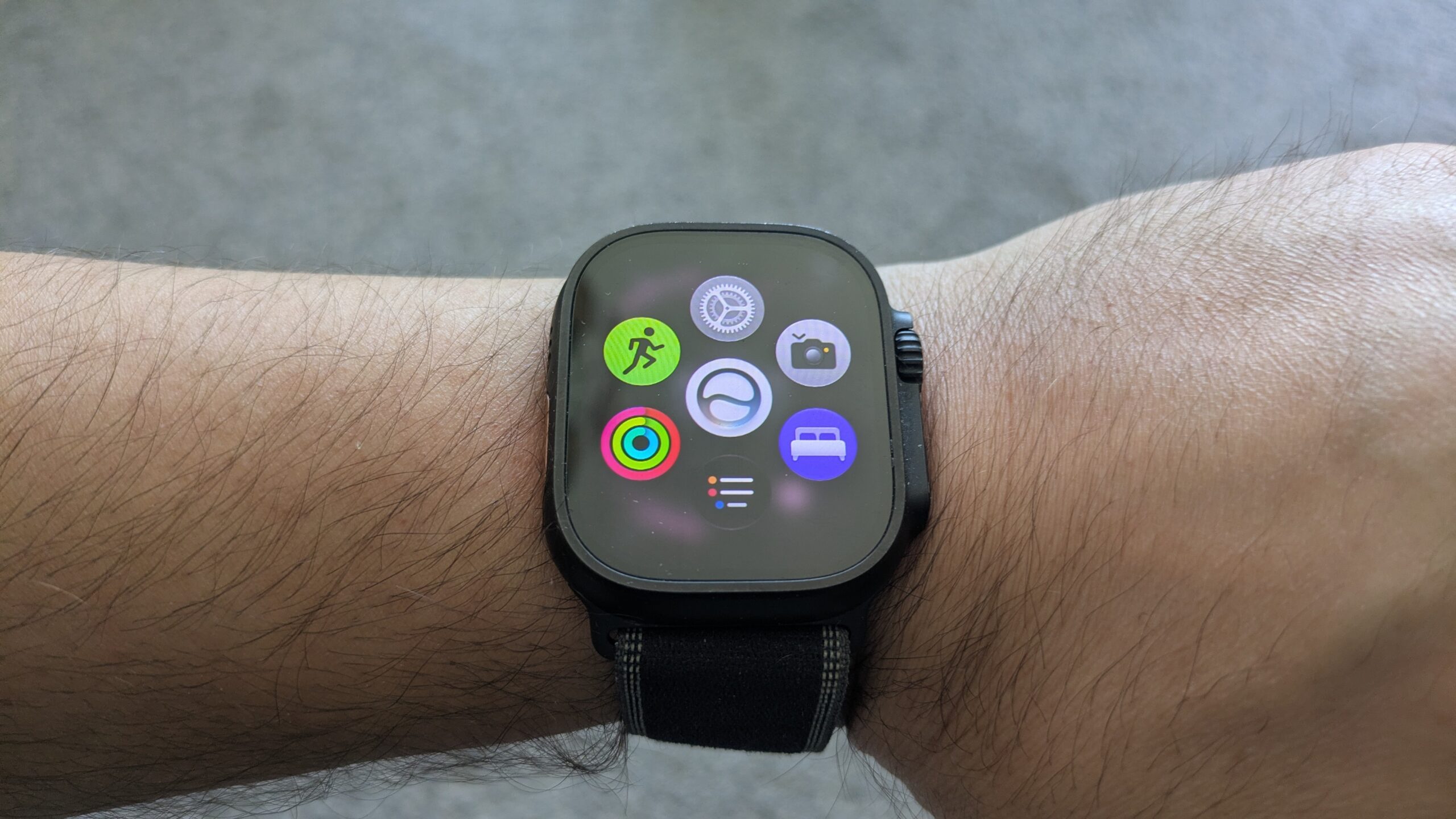
WatchOS 27 also comes with an improvement to Workout Buddy. Apple’s AI-powered guide provides a friendly voice during certain exercises. The cheerful Workout Buddy offers words of encouragement and provides updates on your weekly activity stats and how your current workout compares to your past ones. The latest update provides even more context and specific stat details.
While I like Apple’s Workout Buddy, Google has a more all-encompassing AI wellness assistant on its latest wearables, including the Pixel Watch 5 and the Fitbit Air, called Health Coach. Available with a Google Health Premium subscription ($9.99 per month), the Gemini-powered Health Coach takes all of your data into account to create a personalized fitness plan based on your goals, and can even adapt it to your changing needs and schedule. Thanks to its personalized advice and adaptability, the Google Health Coach is my favorite AI-based fitness planner.
In theory, Apple has the tools to do something similar. The company partnered with Google while developing Siri AI. However, Apple has generally offered descriptive, rather than prescriptive, wellness insights. Even Workout Buddy avoids giving any advice. It can tell you if you’re falling short of a pace goal, but only if it’s a goal you’ve set. An overarching coach similar to Google’s would go against this trend.
Even so, Apple could find its own unique way to structure a plan for you, especially if it integrates workouts from its premium Fitness+ service. Plus, Apple captures all kinds of interesting health data on its watches and last year introduced the holistic Sleep Score metric to help you quickly gauge your slumber. An AI-based coach would be a big step, but one built on a solid foundation.
5. Health: Unlock On-Demand Blood Pressure Tracking
Blood pressure measurements are a growing trend in smartwatches. It’s potentially the next big frontier in terms of the health and fitness data wearables can provide, but no model has perfected it yet.
Last year, Apple brought hypertension (high blood pressure) notifications to its watch lineup. The feature runs in the background, collecting data on your heart rate patterns for 30 days, and then alerts you if it detects any signs of trouble. While a handy way to potentially alert you to a hidden condition, you can’t actively check your data during the 30-day collection period. You also can’t see any of the collected numbers or even get confirmation that it didn’t find anything. Once you turn the feature on, you either get an alert that the watch detected a problem, or you see no further sign of it in action.
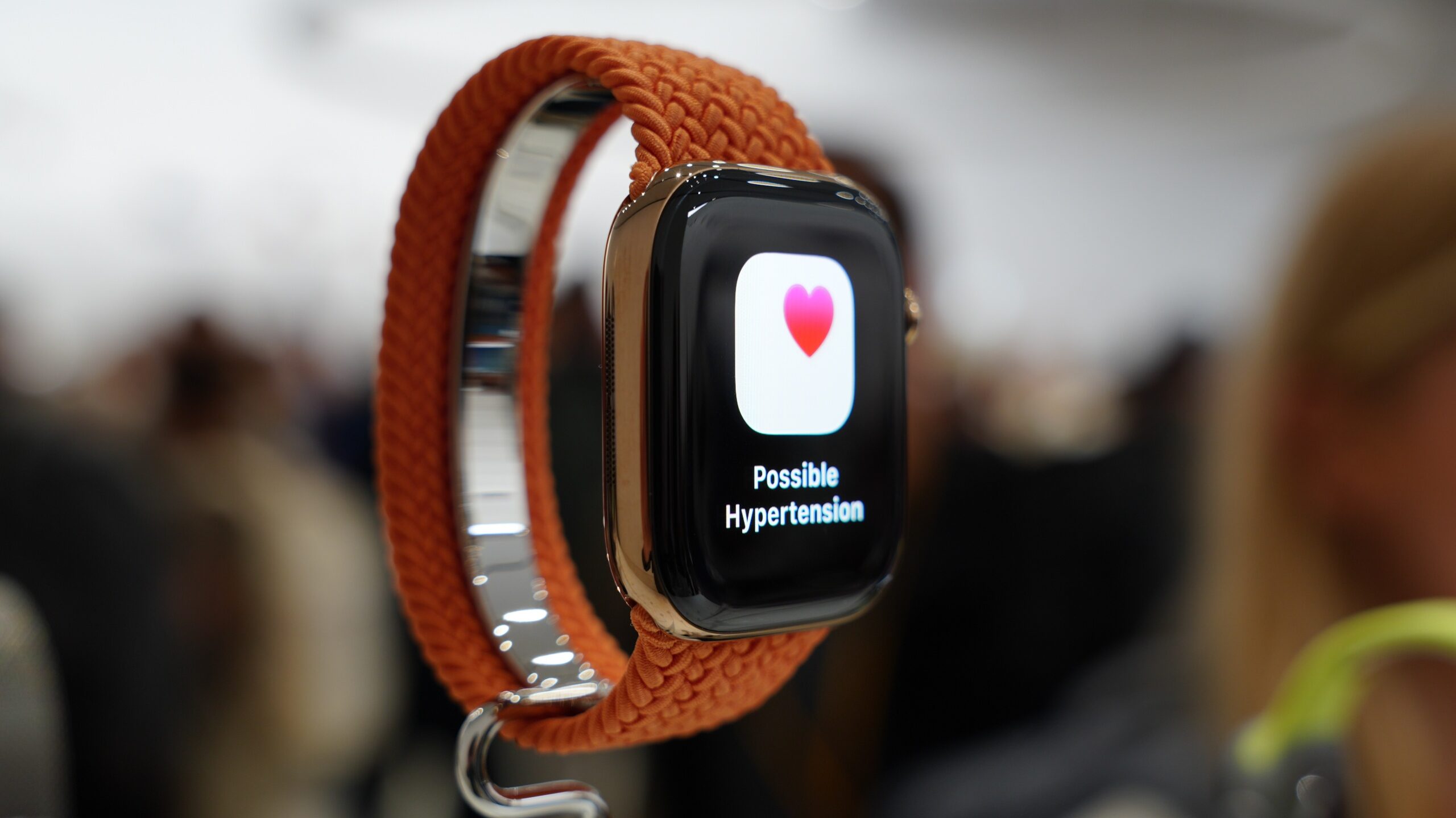
While Apple’s version is painless, it’s entirely passive and has no way to take an active reading. Samsung lets you take an active blood pressure reading, but this requires tedious setup with a separate cuff. Google’s upcoming blood pressure feature doesn’t require the same calibration as Samsung’s, and you can’t take an active reading, but it will provide a monthly report for more consistent feedback than Apple’s current version.
Apple could get ahead of the crowd on this with a watch that can take an active blood pressure reading without calibration with a separate cuff. Even aside from active readings, Apple could improve hypertension notifications just by adding regular feedback on its passive readings. While I’d call the chances of active blood pressure readings quite low, small improvements to Apple’s existing feature seem like a reasonable bet.
Bonus Round: What About the Apple Watch Ultra 4?
In addition to the Series 12, we could get an update to the Ultra line this year. Reliable reports say that an Ultra 4 launch is likely. If so, I want even better durability stats, given that Samsung’s Galaxy Watch Ultra 2 just caught up to Apple’s Ultra line with certifications for diving and high-velocity water sports.
We’ll know all of the details about Apple’s latest watches soon. I plan to put any new Apple Watch to the test as soon as I can to see how it performs in the real world, so stay tuned.
