

DC Comics’ Vertigo imprint is one of the most important in the history of the entire comic industry. It all started waaaay back in 1982, when Alan Moore was chosen to write Saga of the Swamp Thing. DC realized that British creators could bring something different to the American industry and the doors were opened for creators like Grant Morrison, Peter Milligan, Neil Gaiman, Garth Ennis, and many more, working on books like Doom Patrol, Animal Man, Shade the Changing Man,and The Sandman, all of which dropped between 1988 and 1989. They brought a new flavor to the books, giving readers sophisticated horror that pushed the boundaries of what superhero comics could be. This led to DC creating their own mature readers imprint and Vertigo was born in 1993 after over a decade in the making.
Videos by ComicBook.com
Vertigo changed the Big Two forever. DC allowed creators to own their own creations, publishing them and presenting them to a bigger audience than any indie company or through self-publishing. Growing up as a comic fan in the ’90s, Vertigo had the “cool” comics, the ones that appealed to fans who would never pick up a superhero book; it was all very goth, which appealed to me greatly back then – I had black eyeliner on my soul, I just hadn’t started using it on my eyes yet. Back then, it felt like it was part of the creators’ rights revolution of the ’90s and the first time the Big Two had tried anything like this on a large scale. However, over a decade before Vertigo began, Marvel Comics decided to try something similar, birthing their Epic imprint.
Marvel’s Epic Line Gave Creators the Avenue They Needed
It all started in 1980, when Marvel began putting out the magazine Epic Illustrated.In the ’70s, the publisher started to diversify their publishing line with books like Conan the Barbarian and Tomb of Dracula, and they wanted more of that. It was the brainchild of editor Rick Marshall, who pitched the idea in 1979 as Odyssey, spinning out of the Conan and Dracula magazines. The name was changed to Marvel Super Special after Marshall learned there were numerous other magazines named Odyssey. Eventually, the name was changed to Epic Illustrated, with Archie Goodwin taking over the book from Marshall as editor. The anthology book concentrated on sci-fi and fantasy stories and boasted some of the greatest talent in the industry.
While sales were never amazing, it was a solid book and it gave the best Marvel Comics Editor-in-Chief Jim Shooter an idea. The publisher was having some success by allowing its creators to move beyond superhero comics, as well as getting some of the biggest names in genre fiction like Frank Franzetta and the Hildebrant Brothers. Shooter wanted more of this and he wanted the creators to be able to own their own works, as well as be able to take things further than they would under the Comics Code Authority on Marvel books. Epic was meant to give Marvel two new markets – the overall genre fiction market and a more mature readership. Goodwin and Al Milgrom were made the editors of the line and they went to town.
Epic Comics allowed numerous creators to tell amazing stories they wouldn’t have gotten a chance to in the mid ’80s. Marvel greats got to stretch muscles they otherwise wouldn’t have in their superhero books and the greatest creators in the industry could come to Epic to tell stories they owned. This was huge in the ’80s; while there were indie publishers and self-publishing, it was still something of a craps shoot whether they would be successful. Epic was Marvel; they were everywhere. Marvel would also use Epic to publisher more mature superhero stories like Silver Surfer: Parable, Elektra Lives Again, and Havok and Wolverine: Meltdown.
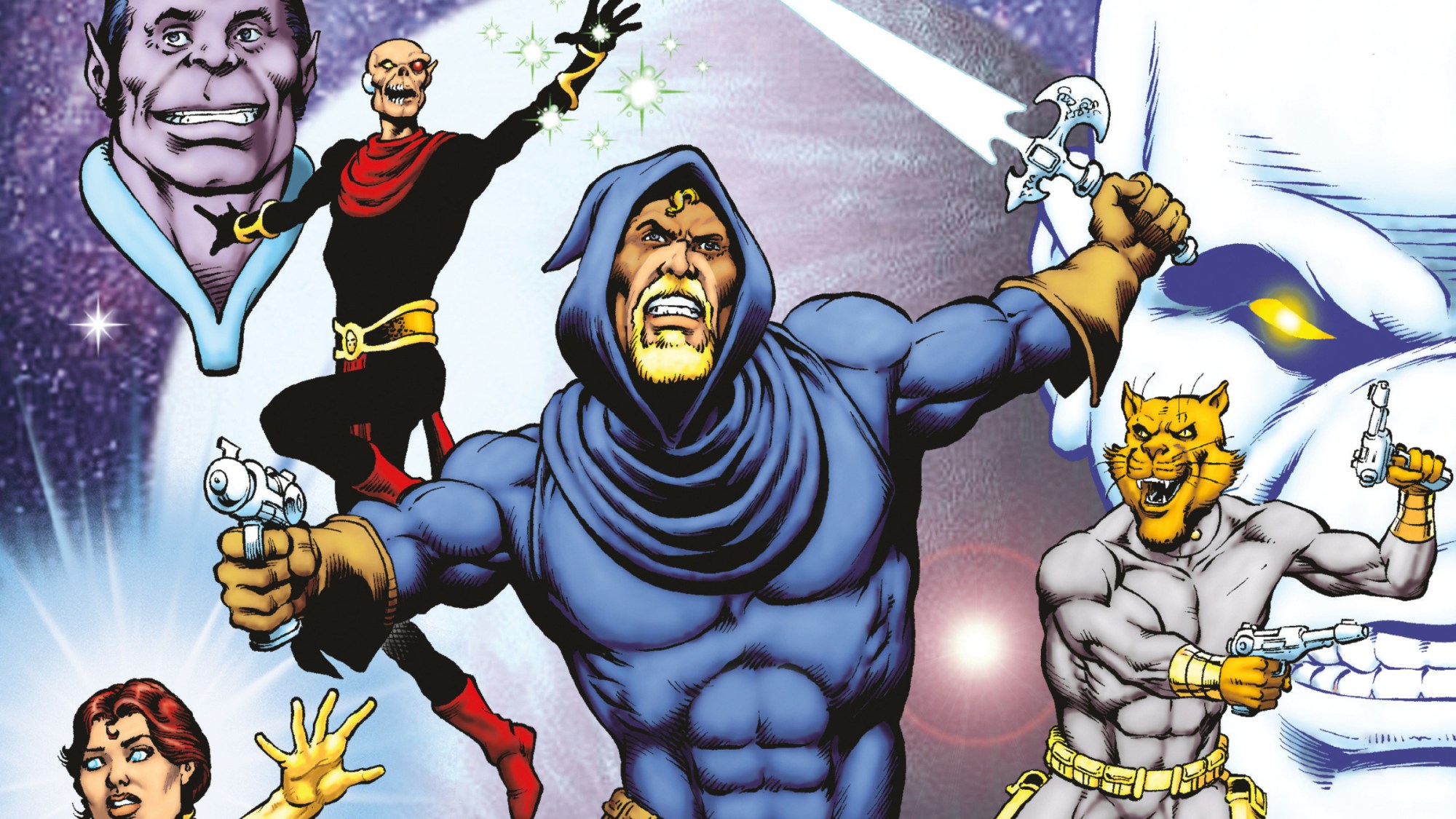
Mangaka Katsuhiro Otomo brought his masterpiece Akira to American shores, giving American fans one of their first glimpses of manga. Author Clive Barker came to Marvel to do Hellraiser and Nightbreed. Sergio Aragones had his Conan-satire Groo the Wandered and The Groo Chronicles. Longrunning indie book Elfquest, by Wendy and Richard Pini, came to Epic and Thanos creator Jim Starlin started Dreadstar. Peter and David and George Perez teamed up for Sachs and Violens. All of these books are completely different, each of them coming from various genres; some of them would never be possible without Epic and others of them reached greater success because of the line. And they are only the tip of the iceberg.
Epic ran from 1982 to 1996, but as the years went on, less and less books were put out. Alan Moore helped DC corner the market on mature comics and bringing in more British creators took it even further in that direction. Epic died without so much of a whimper in a lot of ways. DC and Vertigo had eroded its market and started to do it better than them, leading to imprint fading away completely. However, the fact that it existed at all was important to the history of the comic industry. It planted the idea of a creator-owned imprint from the Big Two and showed that it could be popular, a tree that would bear fruit in the future.
Epic Is an Unfairly Forgotten Part of Marvel History
I started reading comics in 1991 and learned about Epic Comics from Wizard magazine, even though I never saw one in real life until 1996, when I picked up the above copy of Akira #3 at my first MegaCon. A few years later, Marvel would announce that they were taking pitches for a new Epic Comics, with Mark Millar and Terry Dodson’s Trouble being the only book actually published by this new imprint. It seemed like the new line was meant to give newcomers a chance to pitch to Marvel (the horrendous Marville #6 had a guide on how to pitch Epic stories), but that never really shook out. Marvel would try again to do a creator-owned imprint in the ’10s called Icon, but it mostly just existed to let Brian Michael Bendis and Mark Millar to do creator-owned stories, so they wouldn’t go to Image. It also failed, and Marvel hasn’t tried since.
The original Epic Comics was one hundred percent the blueprint for DC’s Vertigo imprint. They told the same kind of stories and gave creators the same kind of freedoms. Epic’s failure wasn’t one that came because it was bad or put out books no one liked; it failed because DC and Vertigo were able to do it better. As great as a lot of those Epic books were, they just weren’t able to beat what DC was doing at the same time. Epic was an example of Marvel trying something new and working hard to make it work. It didn’t, but the fact they tried at all is an important part of the history of comics.
5 DC Villains Who Would Be No Match for Marvel’s Most Savage Mutant
More Comics
-
Image Courtesy of DC Comics Comics
18 hours ago40 Years Ago Today, One of the DCU’s Most Dangerous Villains Made Her Comic Book Debut
-
Image Courtesy of Marvel Comics Comics
19 hours ago42 Years Ago Today, Spider-Man Got the Costume That Changed His World Forever
Image Courtesy of Marvel Comics Comics
21 hours ago13 Years Ago, Marvel Created an Almost-Perfect Ultron Story and It’s Still a Huge Missed Opportunity
-
Movies
21 hours agoAvengers: Doomsday Had the Chance to Beat the DCU to a Major Storyline, And I’m Sad It’s Not Happening
-
Image Courtesy of Marvel Comics Comics
1 day agoSpider-Man’s Next Big Change Could Finally Do What Marvel Has Avoided for Years
-
Comics
1 day agoAlex Ross’ Marvel Dimensions Breaks the Timeline Open in the Best Way
