

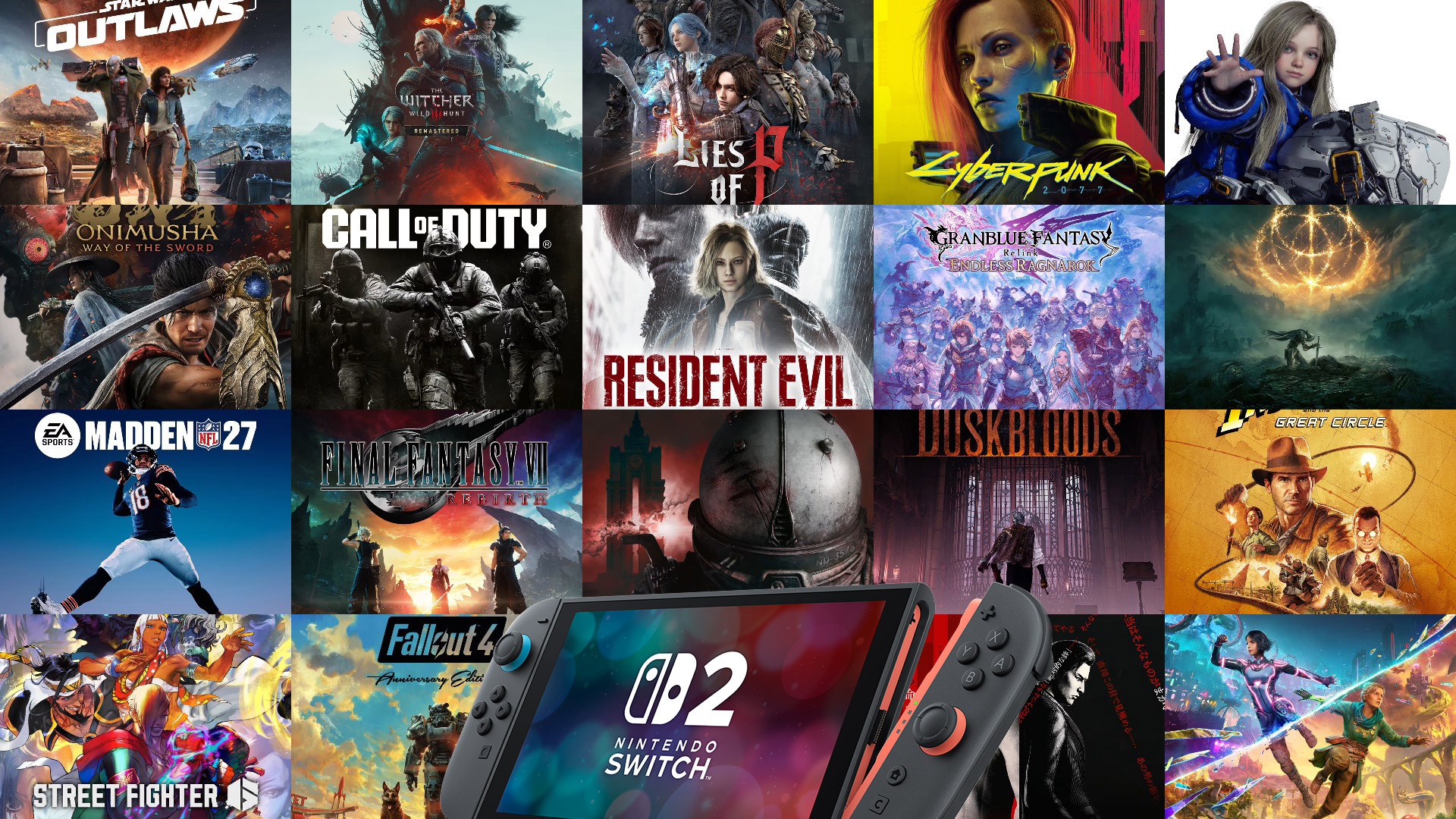
Nintendo’s relationship with third parties over the years has had its ups and downs. In recent times, though, Nintendo has been very blessed with not only a popular console, but one that developers actually wanted to port games to, many for the first time and many of which were considered impossible.
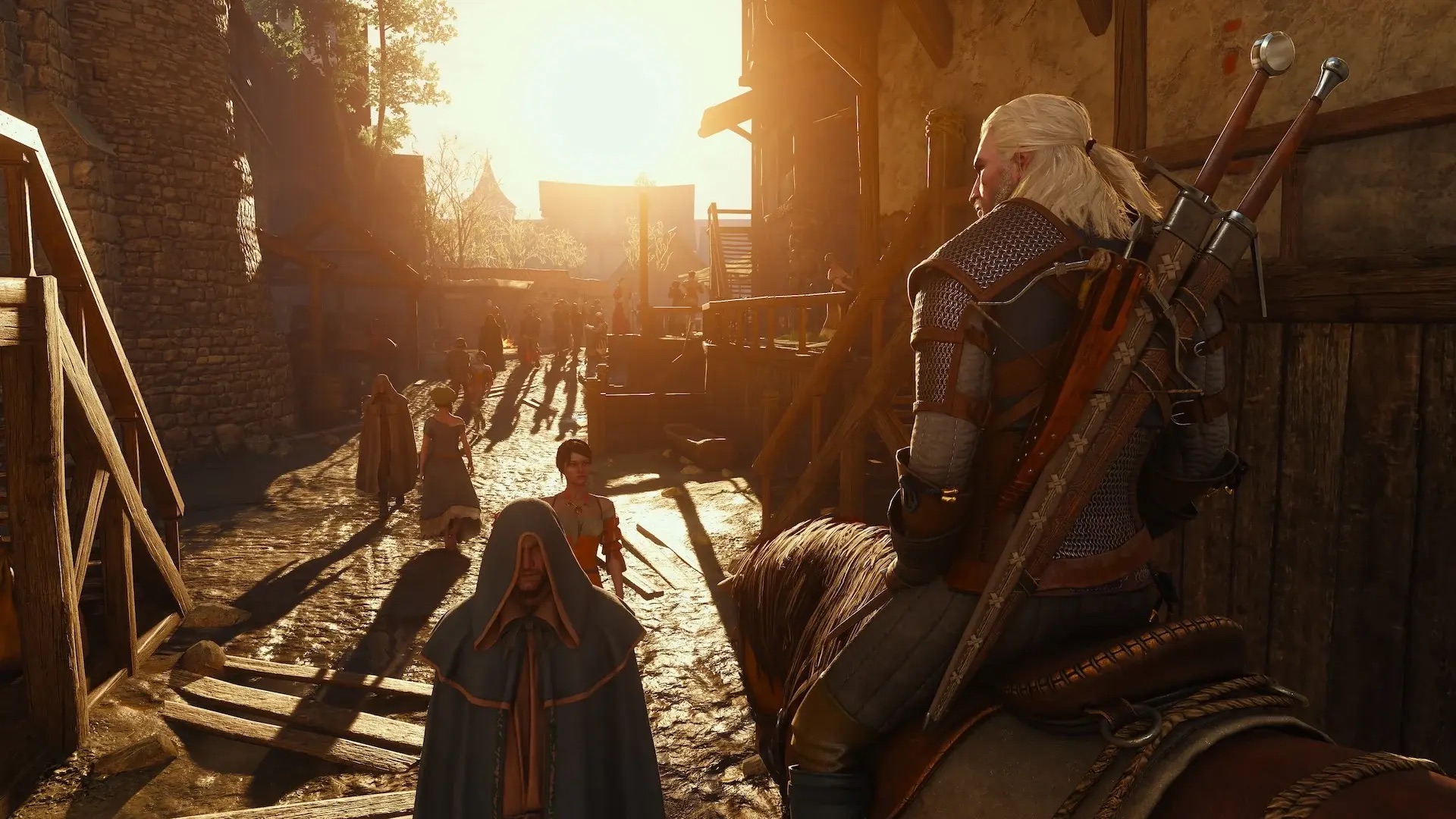
The Witcher 3, Doom (2016), Crysis, No Man’s Sky, Ace Combat 7, Skyrim, L.A. Noire — none of these games would have found a home on Nintendo hardware if the Switch wasn’t as successful as it was. “Impossible ports” aren’t just games that no one would think could run on the Switch but somehow do, they’re also games that had zero chance of seeing a release on Nintendo’s prior consoles.
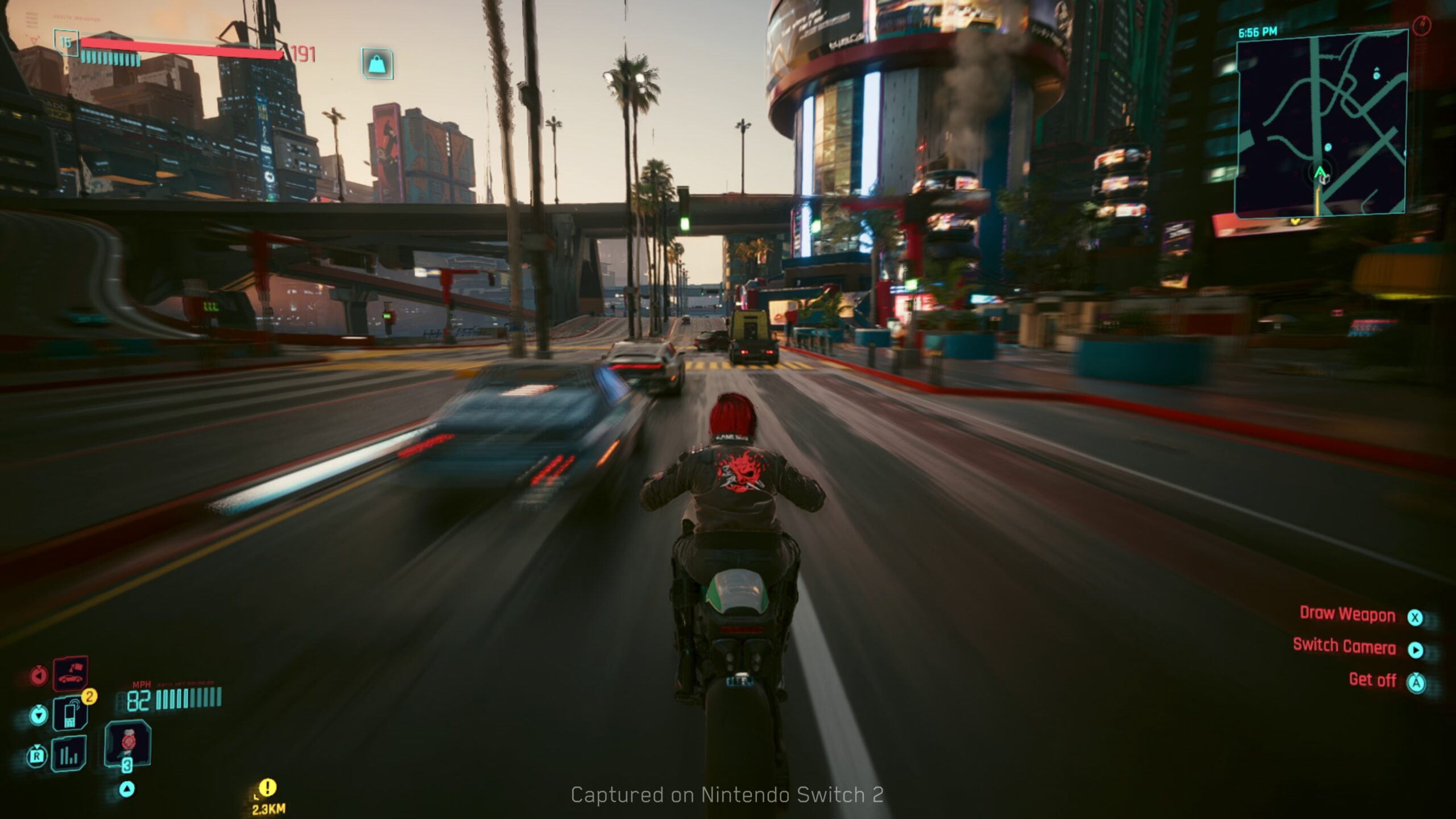
But for as good as the Switch was, the Switch 2 is shaping up to be even better. We’re only one year in and we’re already seeing a generational run of fantastic third-party support on the system. Not only that, we’re seeing games come to the Switch 2 with image quality and sometimes performance that’s comparable to other consoles (thanks DLSS), and it’s not all Nintendo’s doing.
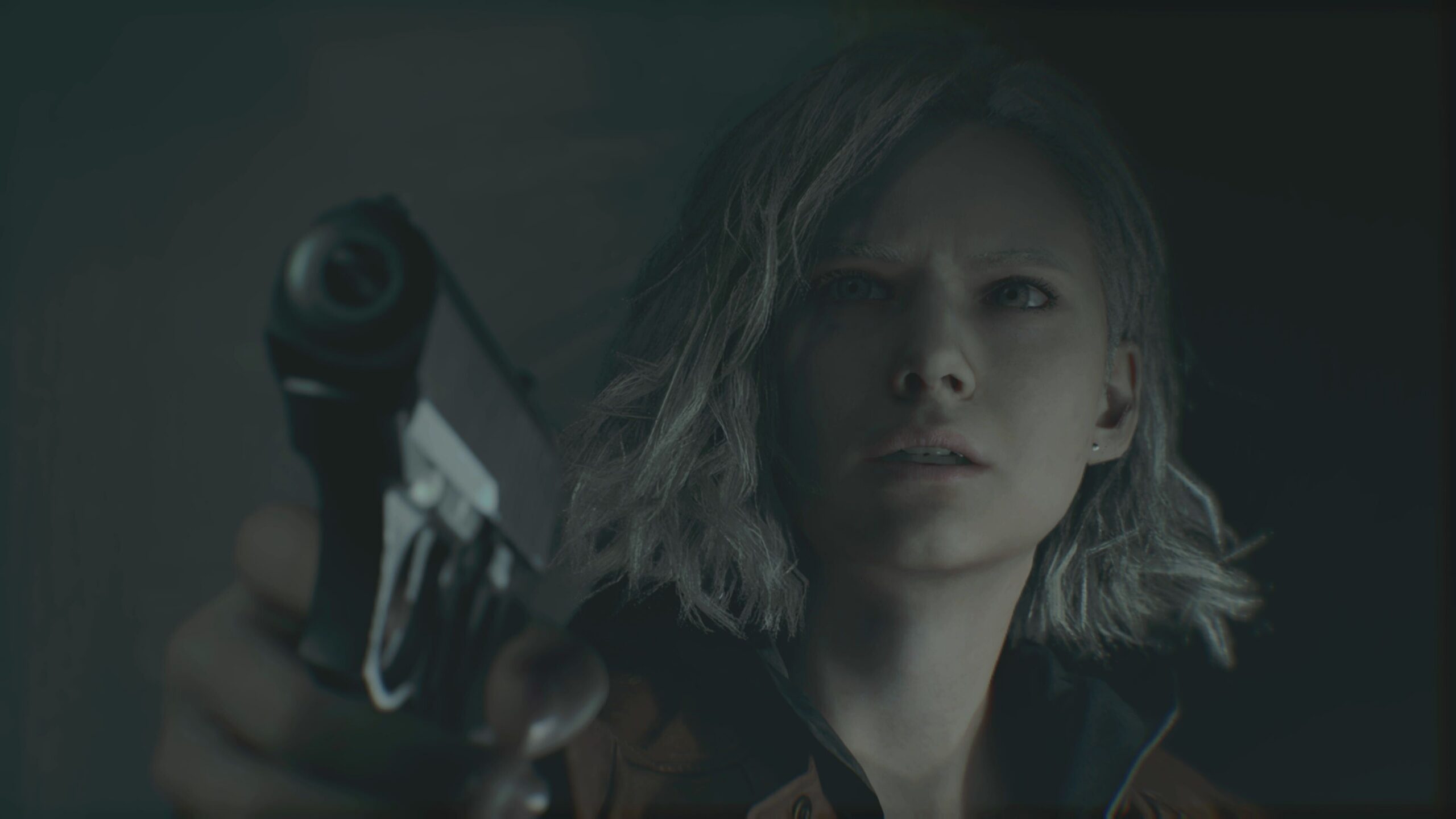
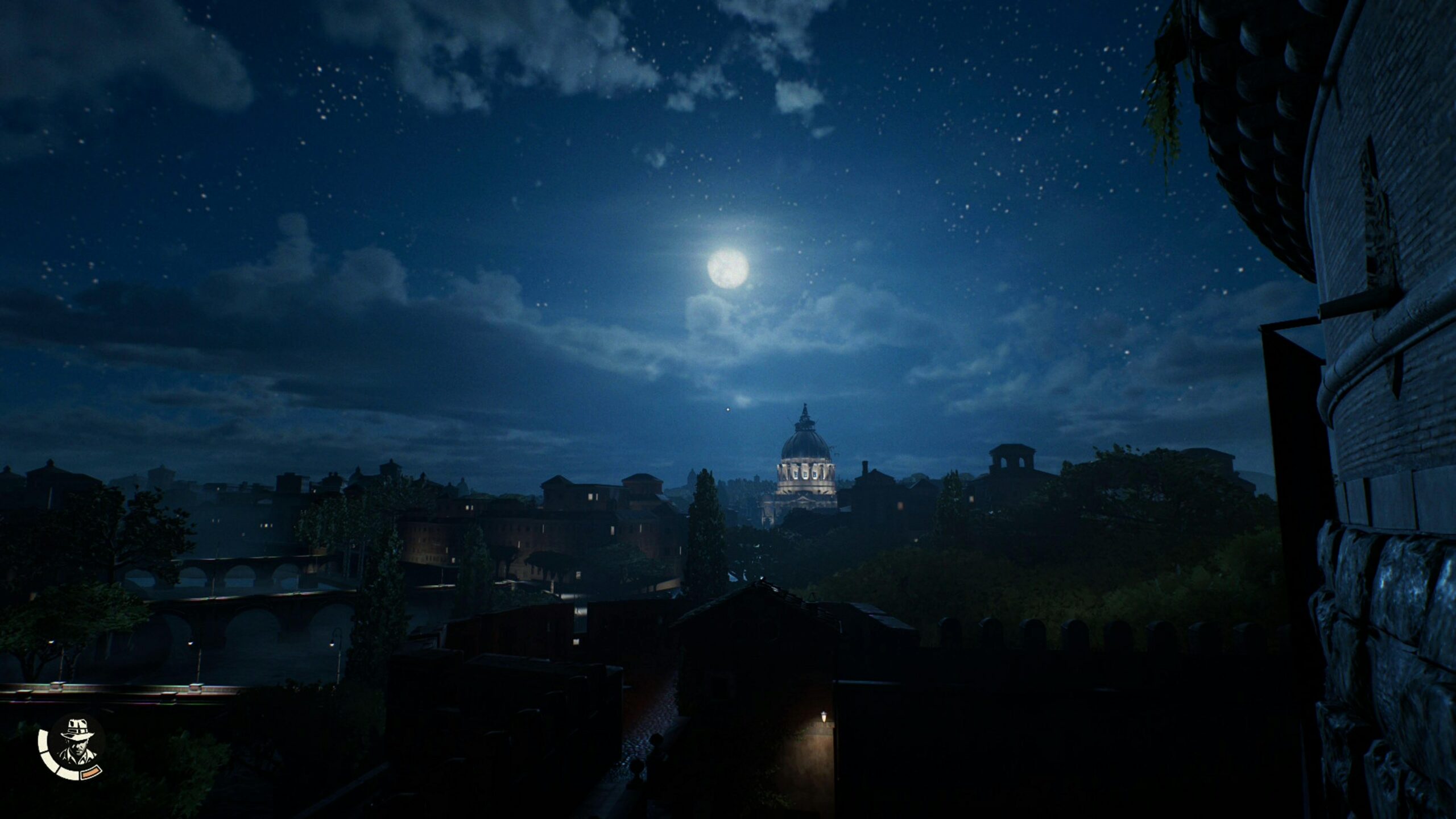
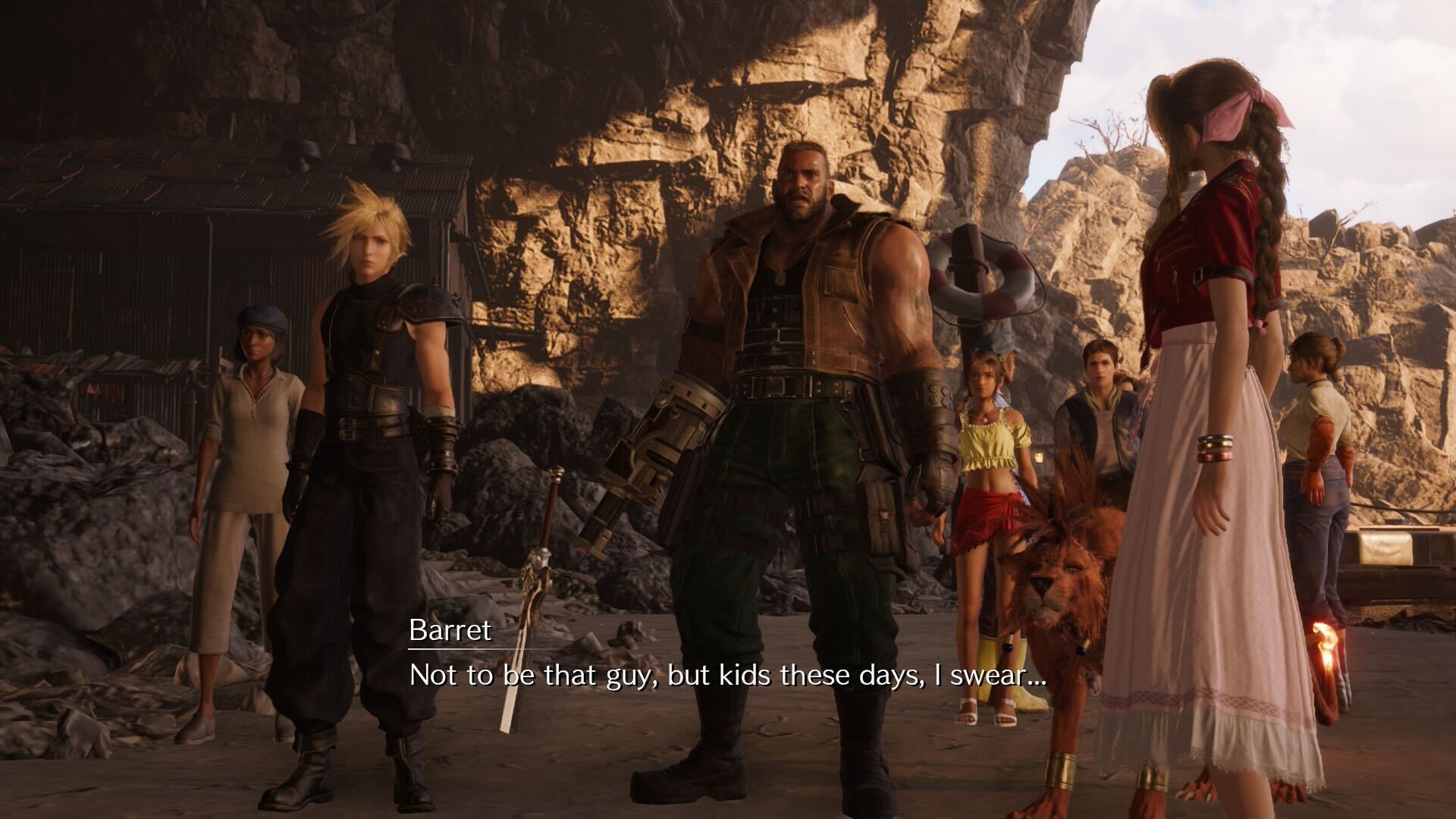
In just over a year, the Switch 2 is home to, or will soon be home to, Cyberpunk 2077, Street Fighter 6, Resident Evil Requiem, Pragmata, Lies of P, two Final Fantasy VII remakes (with a third on the way), The Witcher 3 Remaster, Indiana Jones and the Great Circle, Fallout 4, Assassin’s Creed Shadows, Star Wars Outlaws, Devil May Cry 5, and Onimusha: Way of the Sword, among many others. This year’s Madden is improved over the original launch title version from last year as well, and according to reports it’s more or less on par with the other, more powerful consoles. Heck, even Call of Duty is finally back, and it’s the full game everyone else is getting. Verdict’s still out on that one.
Just last weekend, we also had The Duskbloods (an exclusive, no less), and everyone has been commenting on just how great that game looks, too. Are all of these games exactly the same as their PlayStation, Xbox or PC release brethren? It varies, and mostly no, but it’s becoming less and less important — as long as it’s good enough. If you want the best, that option is available to you (if you have the cash), but the Switch 2 has shown that plenty of people are more than willing to settle for good enough.
This isn’t unplanned. It’s almost as if Nintendo has ensured these third-party ports don’t launch in a poor state. We saw Elden Ring’s release date pushed back to get it performing better, and reviews like ours confirm that’s the case. 007 First Light is getting rave impressions from Gamescom, and we’ll likely have a date on that soon too. It’s not all great, however; Borderlands 4 was meant to be out on the Switch 2 by now, but it’s quietly disappeared, and there’s no guarantee its Switch 2 port ever sees the light of day.
There’s certainly some kind of strategy in all this, but Nintendo has perhaps gotten a little bit lucky, because everything tech-related is currently skyrocketing in cost thanks to our friends in the AI industry. And there’s no denying that there’s a cost – both technical and now monetary – in chasing the perfect look. Nintendo’s not entirely immune from this, but other companies have been hit a lot harder, and are happy to drop a price increase again, and again, and again.
Xbox’s situation we all know. Microsoft has hardly enamoured anyone with its flagship gaming brand in recent years. Why would you buy one of those now? On the blue side of the fence, PlayStation looks like it’s moving towards the PS6 at light speed, and Sony seems to be the only one excited for it. Going faster, flashier and more powerful is incongruous with the world.
We’re also living in a world now of PC handhelds like the Steam Deck, or small form factor PCs like the Steam Machine — lower-power devices are punching above their weight with limited power and thermals. Sound familiar? A world like that didn’t really exist before the Switch outside of niche PC handhelds. You previously built seperate games for lower-powered devices, not just scale them.
I’ve been covering Nintendo for a very long time, and for literally years, when a new game was announced at E3 or other trade shows, it was a matter of waiting for that card at the end of the trailer to see if the game was coming to the GameCube, the Wii, the Wii U, or even the Switch, to no avail. More often than not, they just never came.
The Switch did get better. Many “late ports” happened where Switch trailers were released later. Sometimes months or even years down the line, but they got there eventually. Right now, though, we’re living in a new golden age, where something new is announced and, hey, there’s that Switch 2 logo.
We’ve moved on from impossible ports. We’re in the age of miracle ports. It’s a miracle that, somehow, this tiny tablet can run these games, and run them so well at that. That’s a lot to do with Nintendo engineering something so great, but it’s also a reflection of the gaming world, where not everyone can afford to game or upgrade their consoles and PCs all the time. What’s on offer is good enough for the vast majority of people. Kids play games on their potato phones, after all, and companies like HoYoverse have made themselves billions by targeting mobile hardware. Nintendo didn’t change any plans, and no one could anticipate this RAM crisis happening, but the company is undoubtedly benefiting from it in some ways.
Gunpei Yokoi’s famous philosophy about using “Lateral Thinking with Withered Technology” rings true, but unless you’re shelling out the big bucks, you’re kind of forced to.
Follow Vooks on GoogleAdd us as a preferred

5 Comments
Pingback: VisionQuest is "very much a sequel to WandaVision," says showrunner - Comic Vibe
Pingback: Zee Entertainment Gets SAT Extension To Issue 2.40 Crore Warrants Amid Promoter Relief - Comic Vibe
Pingback: Available now|ELDEN RING Tarnished Edition | News & Updates - Comic Vibe
Pingback: Fan culture or public nuisance? Doll-covered railings outside Hybe headquarters irk residents - Comic Vibe
Pingback: Orry reveals how fallout with Amrita Singh left him traumatised - Comic Vibe