

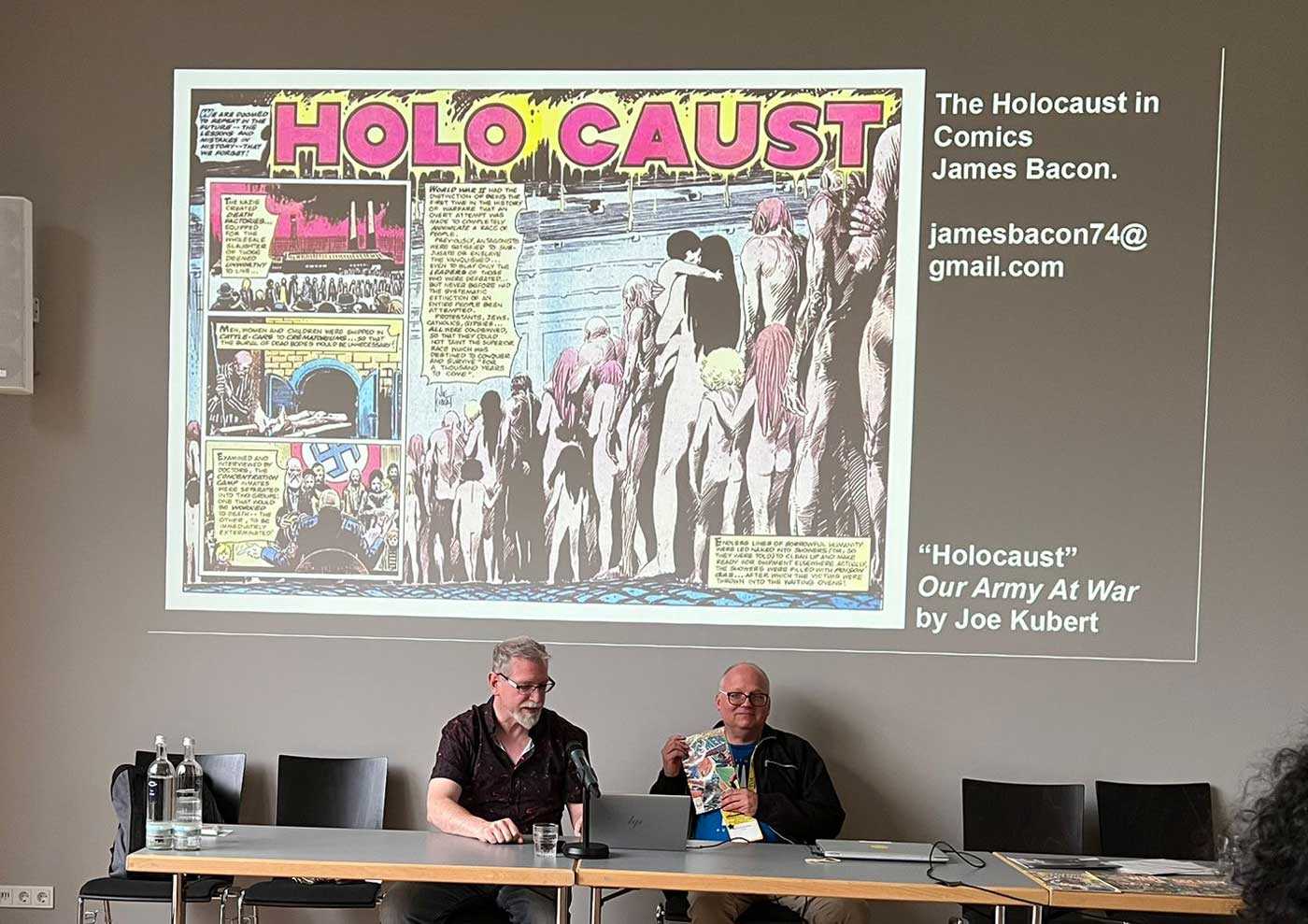
“Holocaust in Comic Books” at EuroCon 2026 in Berlin
When I was asked to support James Bacon in his planned presentation about the depiction of the Holocaust in comic books during EuroCon/MetropolCon in July 2026 in Berlin, I wondered what my role could possibly be. Yes, I have a modest, though still growing, collection of comics, and yes, I am a political scientist by training, so perhaps there was supposed to be a connection. After meeting James to prepare for the event, I was relieved to find my responsibilities confined to two simple tasks: holding up relevant comics for the audience to get a tangible sense of what he was discussing, and looking sombre – because no other expression could better suit the gravity of his topic. Of course I would have been happy to deal with any issues that arose, around translation, or understanding, but this was not required.
James, a train driver and comics researcher presented an extensive survey of how comics have depicted, referenced, or alluded to the Holocaust from 1939 to the present day. It was noted that during the time of the Second World War, the word Holocaust was not used, but Concentration Camps were clearly depicted in a number of stories, made mention of and visually accurate in some instances. While not presenting an exhaustive catalogue, he showed us a great deal.
First we traced the earliest reactions to the war back to 1939 and 1940, when titles such as Marvel Mystery Comics and a Superman story in Look magazine responded to Nazi aggression. In the latter case, this even provoked an antisemitic attack on the famous writer Jerry Siegel in the SS magazine Das Schwarze Korps.
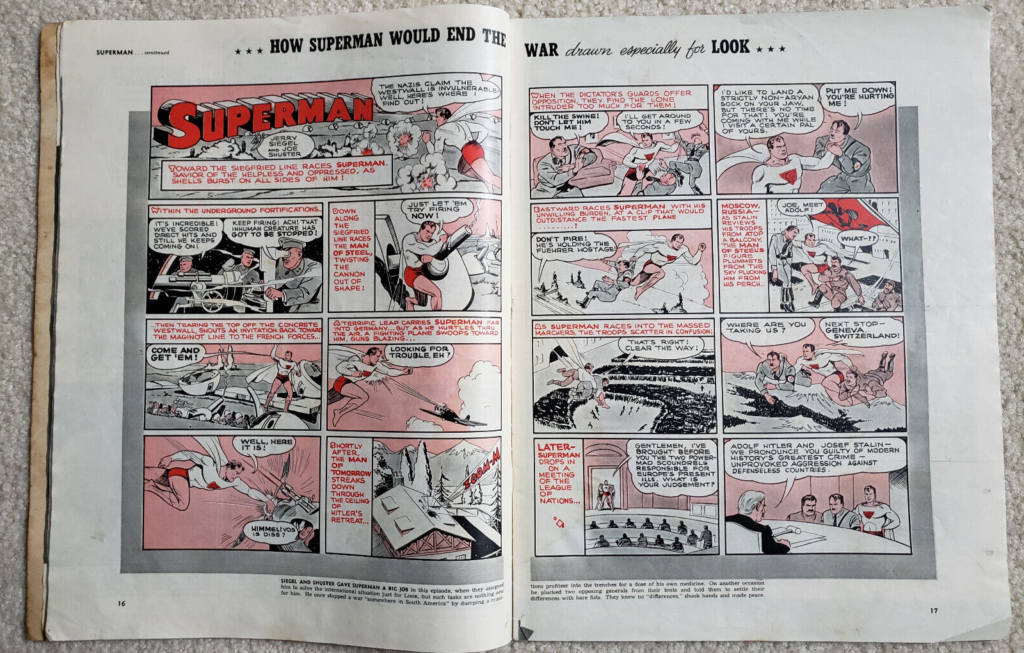
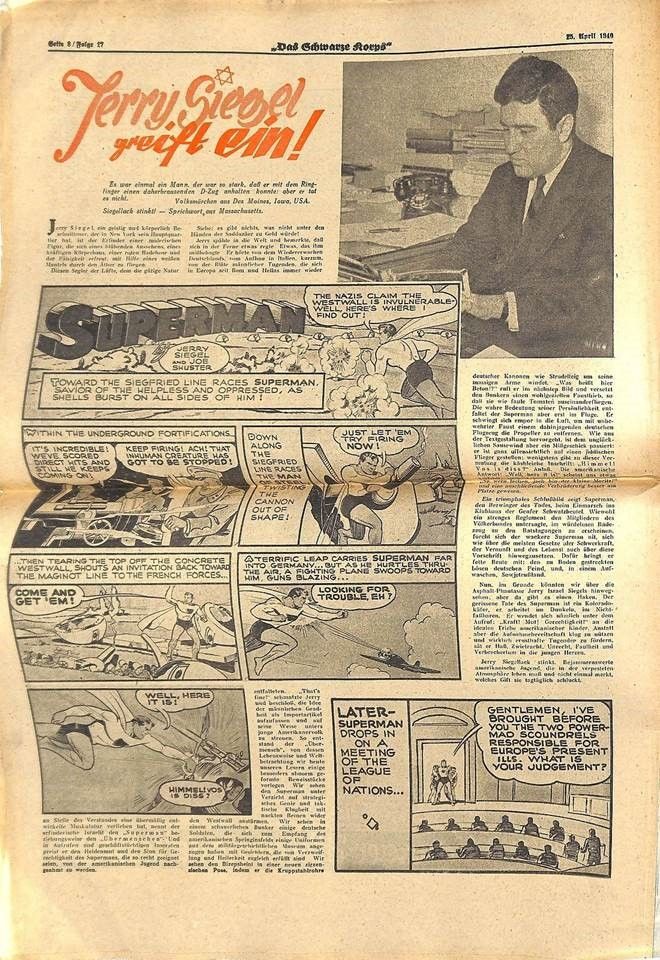
Then we were taken on a journey through the time of war, genres, and countries, and it was not always an easy one to listen to, the seriousness and importance of recognising the crimes were clear and understood by all present.
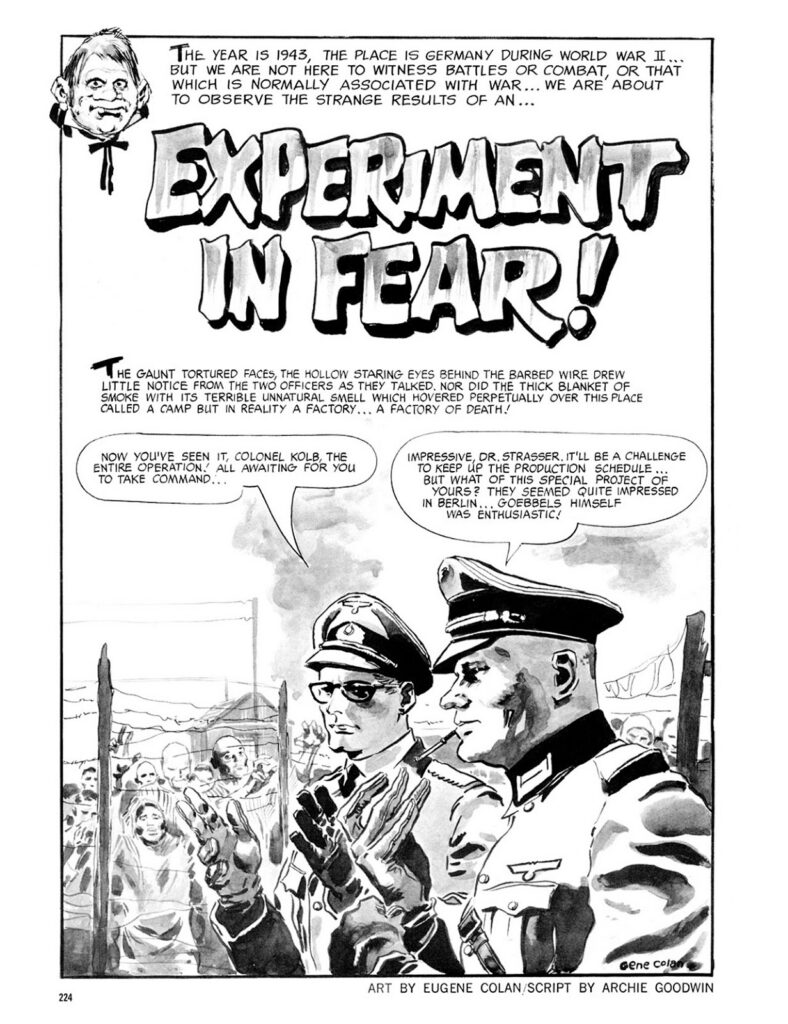
The first identifiable depiction of a concentration camp appeared in Hit Comics #2 (August 1940), though such references were usually disguised through fictional dictators and invented countries. Between 1941 and 1945, dozens of superhero comics, including, as one might expect, Captain America, The Destroyer, and Young Allies, incorporated camps, torture, and escape narratives amounting to nearly forty wartime references by US comics in total. Notably an explicitly Jewish dimension was rarely spelled out in American comics of this period, even when the imagery clearly gestured toward it.
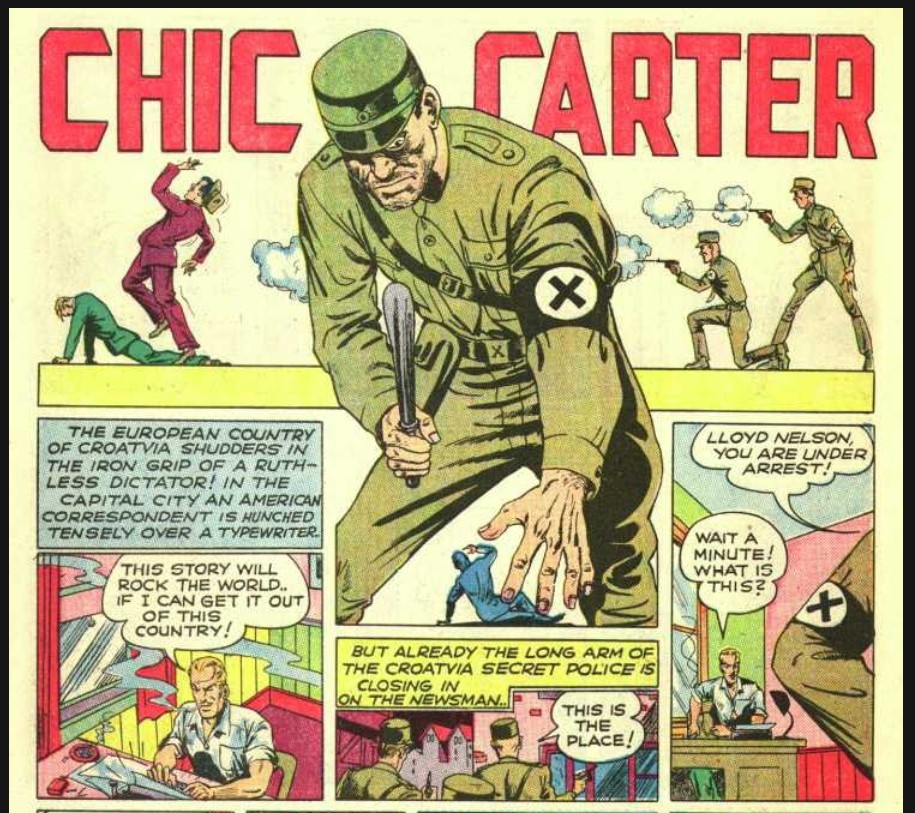
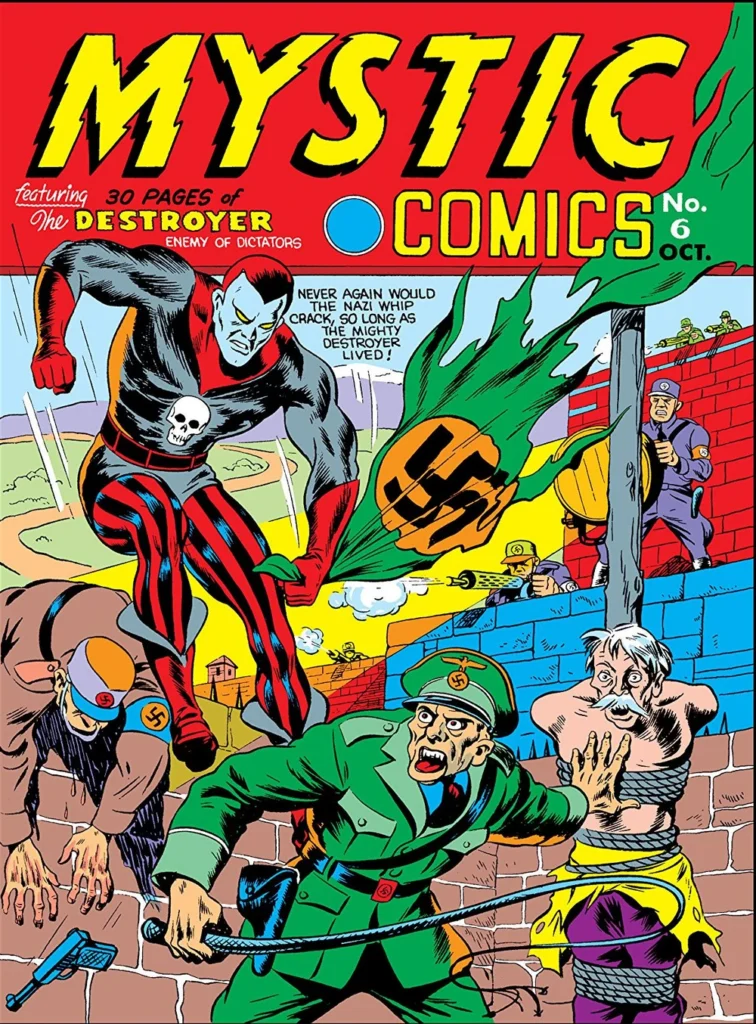
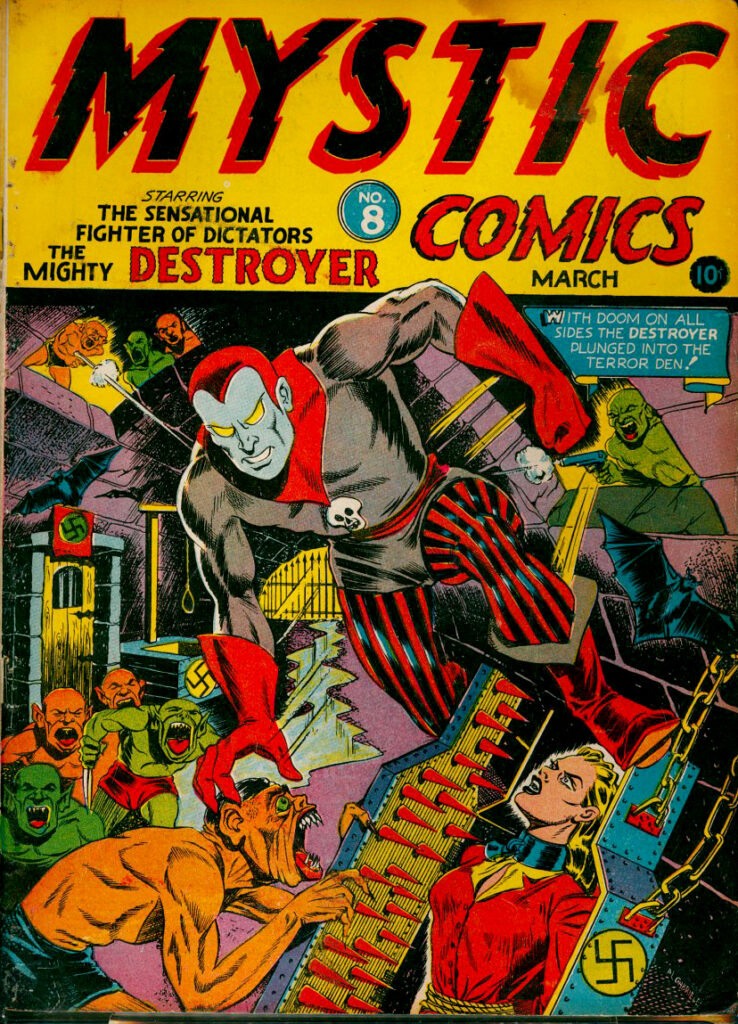
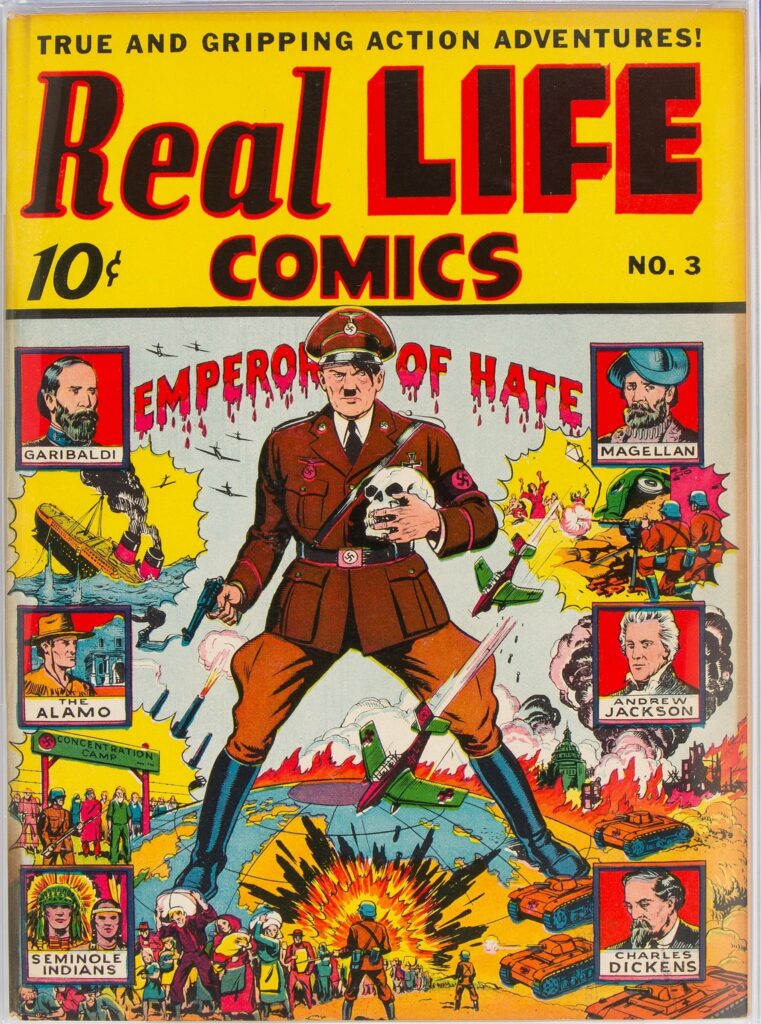
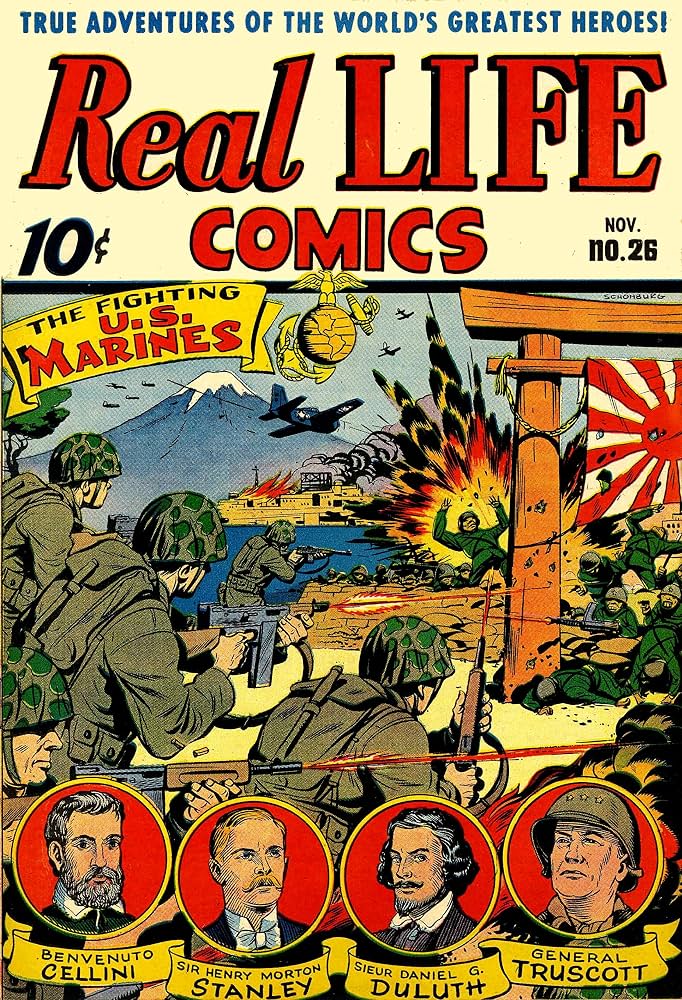
The presentation emphasised the significant role played by Jewish creators, among them such notable comic icons as Jerry Iger,Will Eisner, Jack Kirby, and Stan Lee, in keeping awareness of the camps alive in the public imagination throughout the war years.
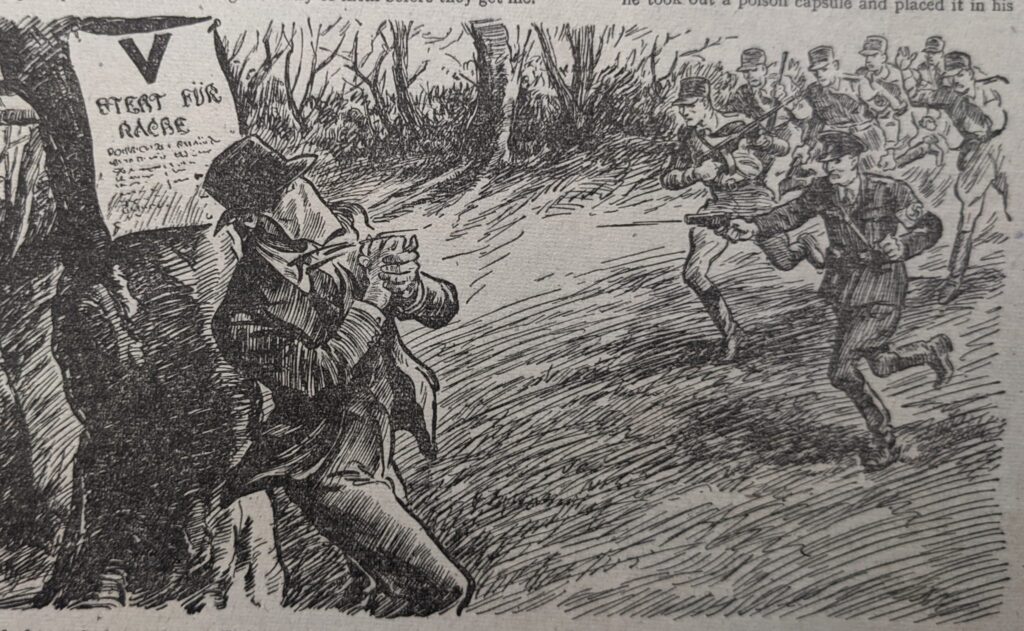
The British prose serial “V for Vengeance“, launched in 1942 appearing in the Wizard, stood out for its unusually graphic violence in a publication aimed at boys, which James interpreted less as propaganda and more as a form of psychological preparation for the horrors of war. The “Deathless Men” themselves escapees from concentration camps, with a variety of atrocities, from denial of care to the wounded, to torture of a Jewish man were a few of the many harsh and realistic Nazi actions against humans that are portrayed. We also learned of the “Good Jerman” a man who helped the Deathless Men.
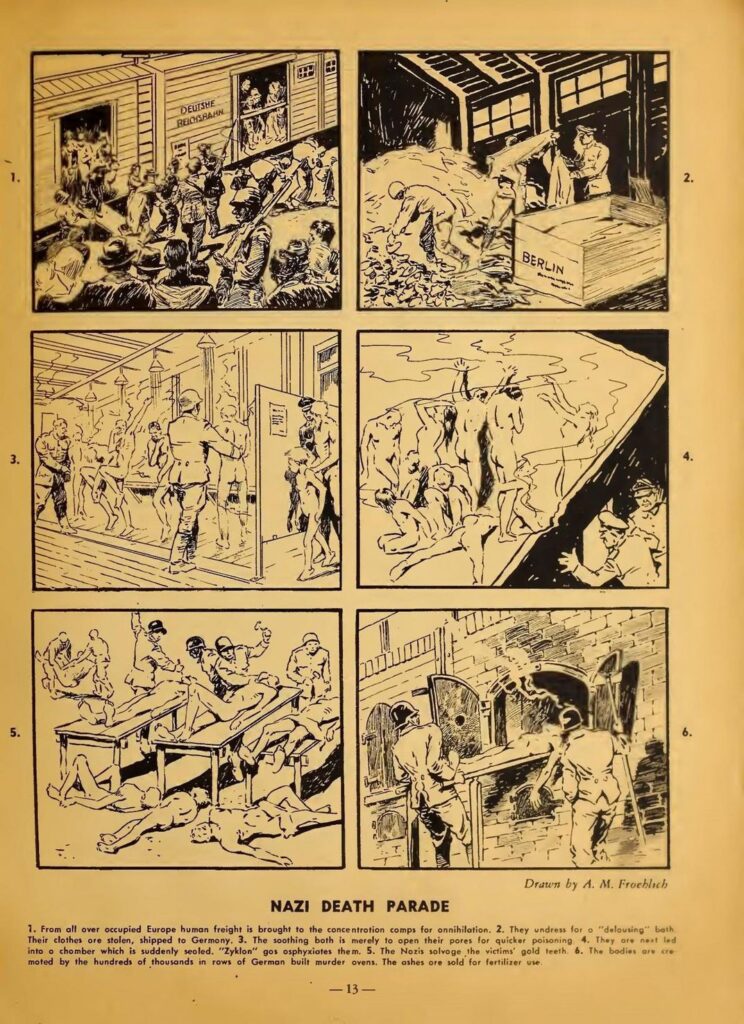
After the liberation of the camps in 1945, James explained how the tone of these stories shifted markedly toward more direct and unflinching portrayals of mass murder, as seen in works like Lest We Forget, Nazi Death Parade, and Escape from Majdanek. The introduction of the Comics Code in the 1950s later led publishers to soften or rewrite some earlier stories, as illustrated by the transformation of Out of the Grave into the sanitised Fair Exchange.
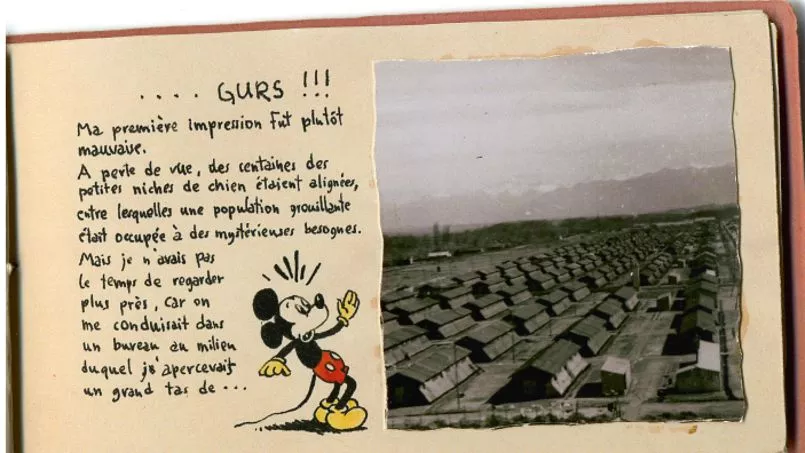
The presentation then widened the scope beyond British and American publications in his presentation. European comics offered a more immediate and often starker engagement with the subject. Mickey au Camp de Gurs, drawn by Horst Rosenthal while interned at the Gurs camp in France (Rosenthal was later murdered at Auschwitz), and the French allegorical work The Beast Is Dead (1944) exemplify this tradition. James noted that more than a hundred French-language comics deal with the Holocaust, though very few have been translated into English.
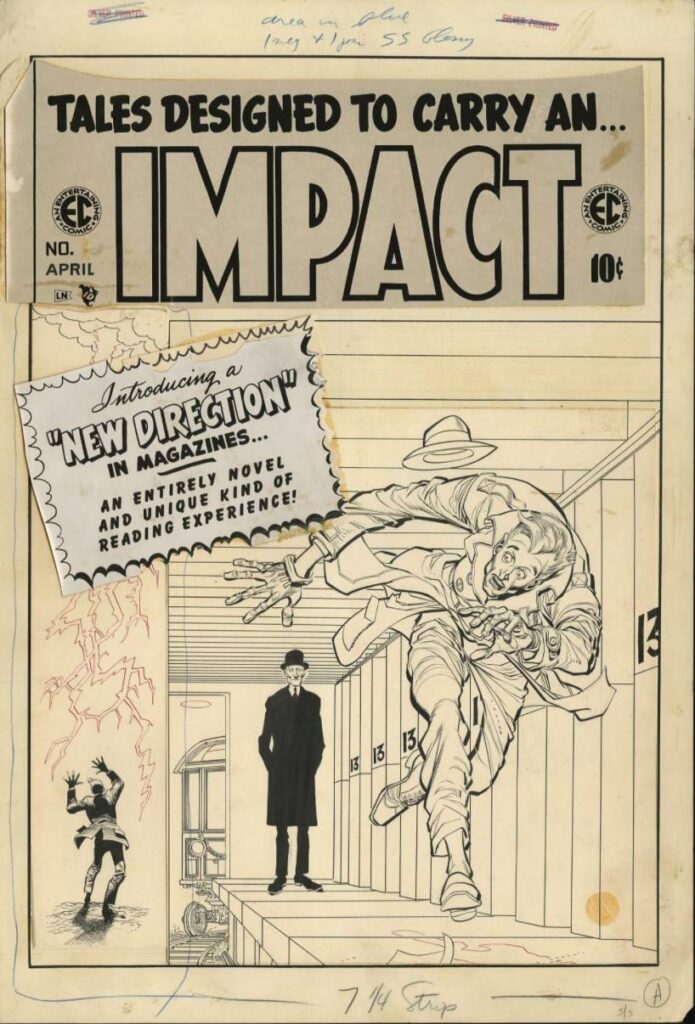
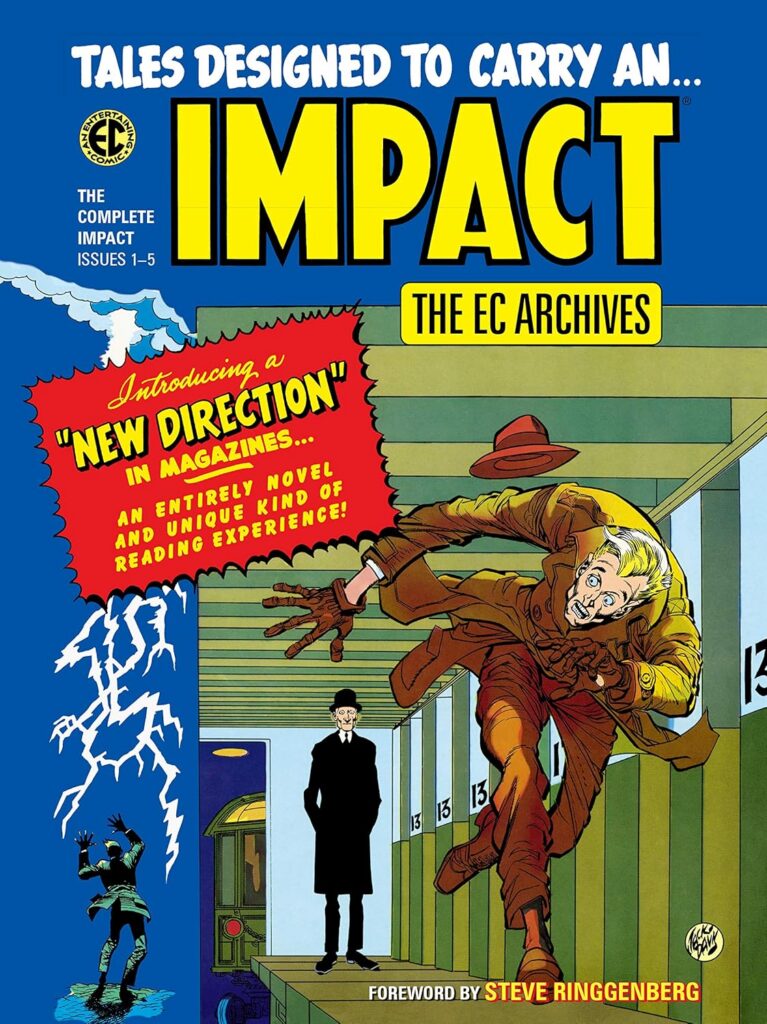
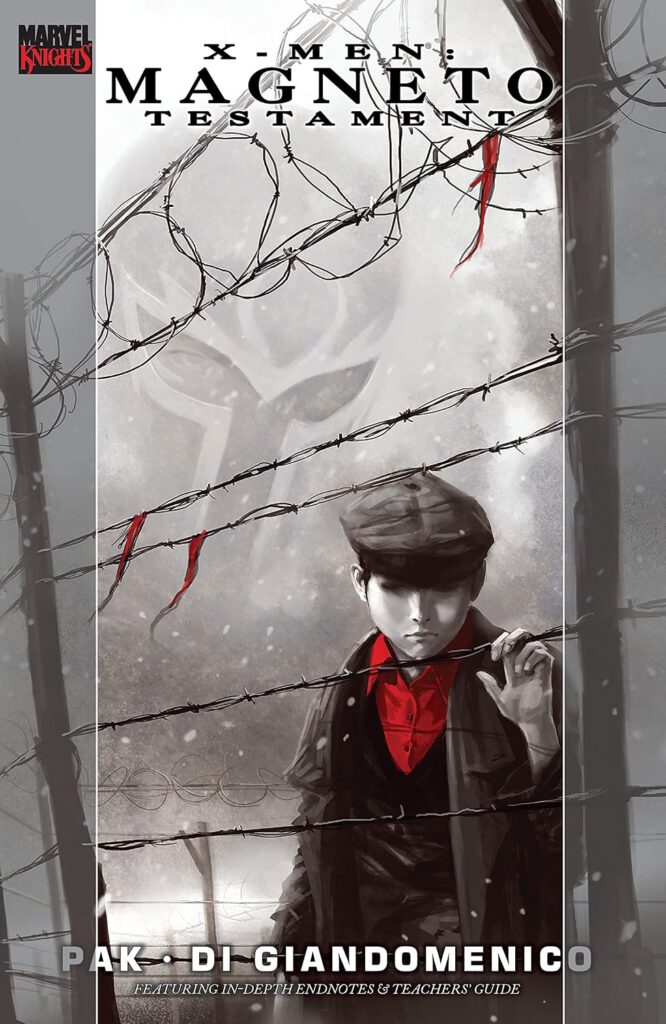
Among individual works from the US, he singled out “Master Race” (EC Comics, 1955) as one of the finest comics ever produced. He also highlighted Magneto’s retconned backstory, introduced in X-Men #150 (1981), which established the character as an Auschwitz survivor and made the Holocaust a recurring reference point within the Marvel universe.
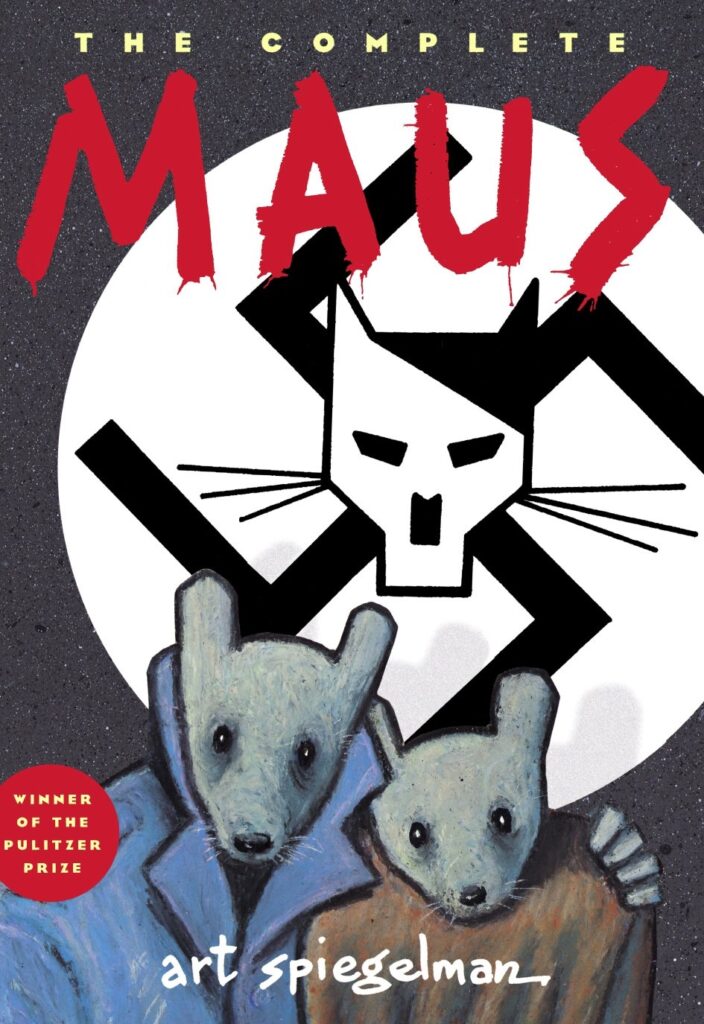
Above all, he praised Art Spiegelman’s Maus as one of the greatest achievements in the medium: a deeply personal, biographical work that earned major literary recognition and demonstrated the full expressive potential of comics as a form. The fact that Maus is banned in some public libraries in the US sheds uncomfortable light on current events.
James also pointed to instances where mainstream comics handled the subject poorly, criticizing certain later stories as clumsy or unintentionally tri
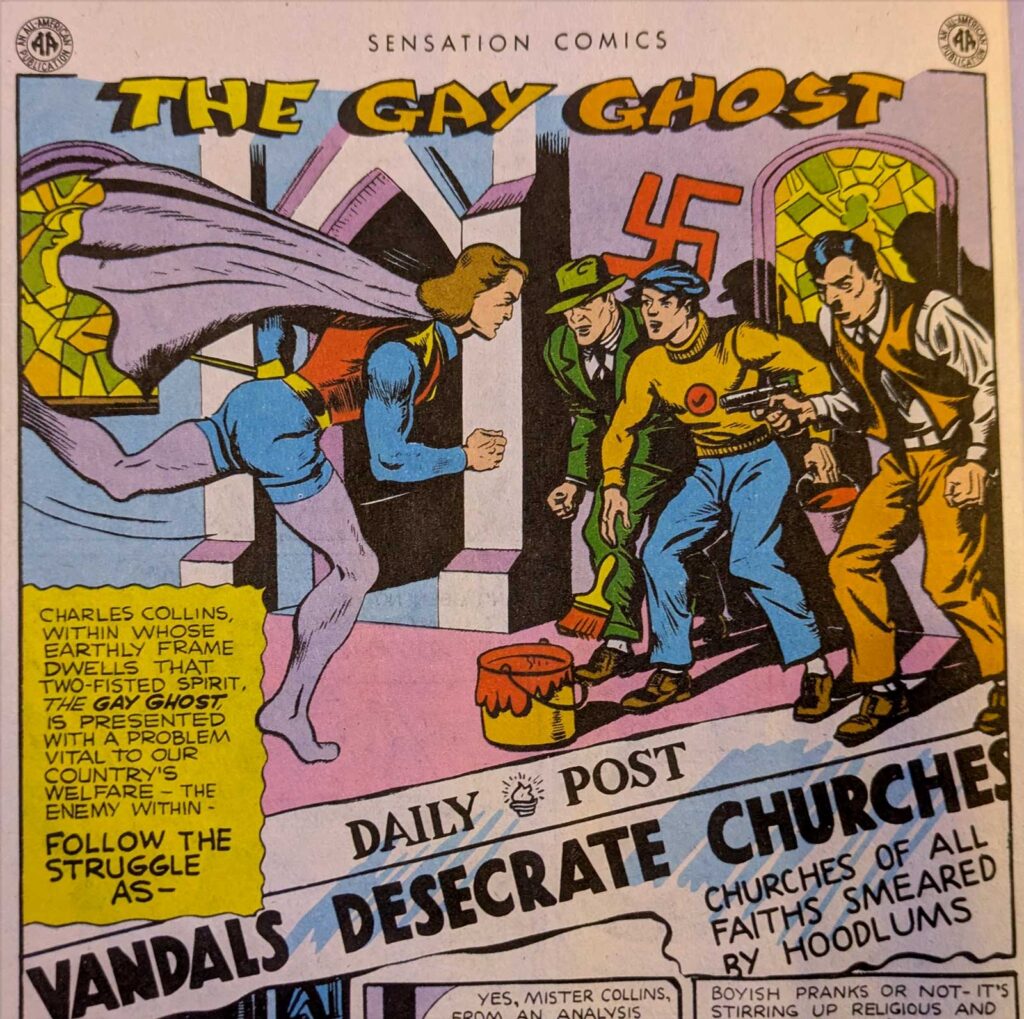
The idea of a future US with concentration camps, and under a fascist regime was surprising, as portrayed in a “Gay Ghost” story, in Sensation Comics in December 1944, demonstrates how some issues can be perennial.
The presentation concluded that, despite considerable variation in quality and intent, comics have continuously contributed to the remembrance of Nazi crimes since 1939, with works like Maus showing just how powerful and serious the medium can be in confronting this history.
The presentation was well attended, and there were some very deep and well thought through questions from the audience. Vincent Docherty was one of those present, who noted:
It’s an important and timely subject, which James delivered well and which clearly engaged the large audience. I was struck by how many in the room didn’t realise the extent of the material which had been published, particularly on the concentration and extermination camps, from quite early during World War Two, or how graphic the content was, even when being marketed to children.
James also shared other important matters, such as the post-war (self)censorship by many publishers, and the influence of the Comics Code Authority – important lessons for our time.
I hope James continues his research on this topic, including material from other countries, as a number of audience members suggested.
All present were left us with much to think about. The presentation, delivered at a time of resurgent antisemitism and the relativisation of the Holocaust in political extremism, was both timely and adequate.
We all hope that he will be able to continue this research and publish and develop a more detailed and elaborate review building on his articles in the Holocaust issue of Journey Planet (https://www.journeyplanet.org/journey-planet/issue-81-the-holocaust) as he rediscovers and share stories, so that many more people can learn from it. This presentation lingered in everyone’s mind long afterward.

Dirk van den Boom, born 1966, is a political scientist, NGO-director and SF-writer living in Germany, whose works include the Proxima Centauri series, which have been translated into English by Ben Stowers.
He publishes occasionally in the German SF-magazine „phantastisch!“ and is co-editor of Germany’s foremost info-website on SF and Fantasy, Phantastik News.
More information on his books in English and German here (AmazonUK Affiliate Link)
James Bacon (he/him) is an Irish fan, a train driver living in London and much appreciated contributor to downthetubes. A Hugo Award-winning editor of the fanzine Journey Planet, he is a comic fan and enjoys comic art, war comics, Star Wars, Irish aspects to comics and railways in comics or otherwise.
He has been writing about comics for over thirty years and is author of Irish Conflict in Comics in the 20th Century: Rebellion, Nazi Spies, and The Troubles (also available from AmazonUK, Affiliate Link), and A Sensual Cesspool of Iniquity, available from Limit Break Comics, as well as on Amazon.co.uk (Affiliate Link) | Amazon.com | Amazon.ie
Recommendations, Notes etc from James’ Presentation
(All book links below are AmazonUK Affiliates, unless otherwise stated)
• downthetubes: A Blast From The Past: How a wartime issue of Sensation Comics offered a glimpse of a terrifying future by James Bacon
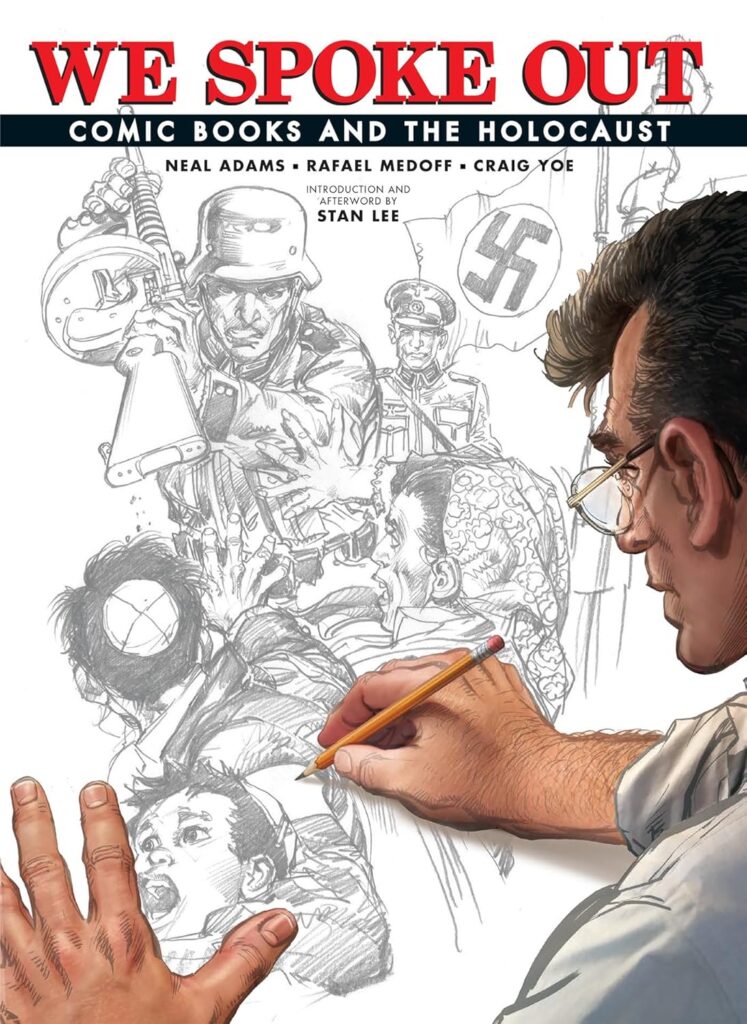
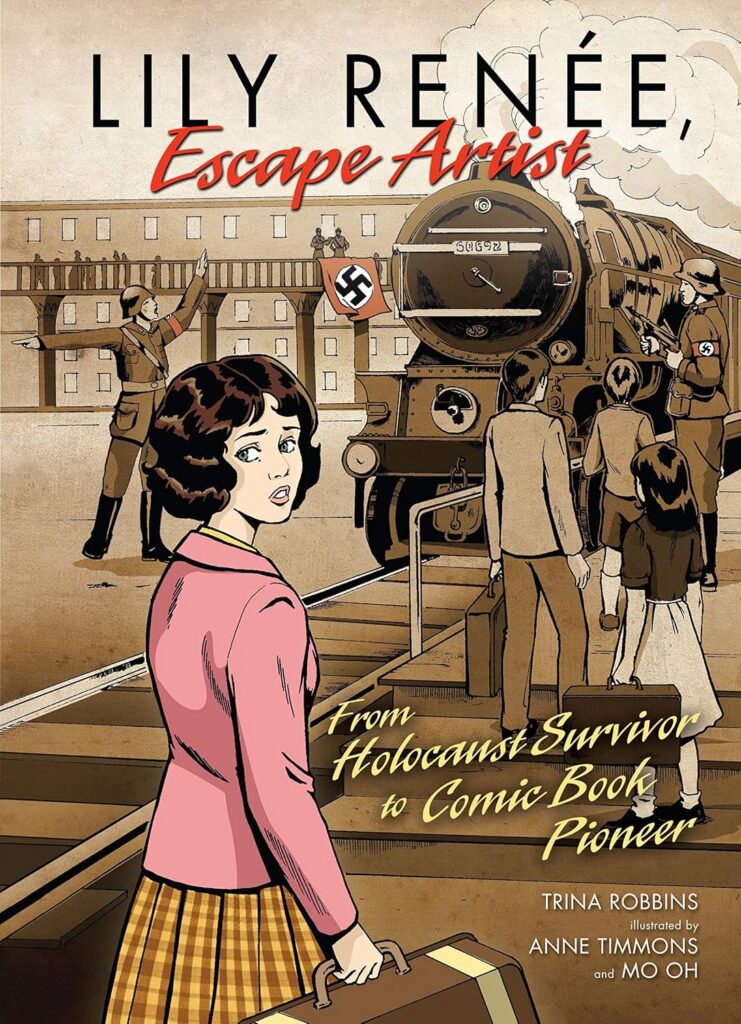
As well as Maus being a seminal work, also recommended are We Spoke Out: Comic Books and the Holocaust, co-authored by Neal Adams, Dr. Rafael Medoff, and Craig Yoe with a piece by Stan Lee and Lily Renée, and Escape Artist From Holocaust Survivor to Comic Book Pioneer by Trina Robbins
An amazing academic work on this is Early Representations Of Concentration Camps In Golden Age Comic Books: Graphic Narratives, American Society, And The Holocaust by Markus Streb, available here on the Scandina
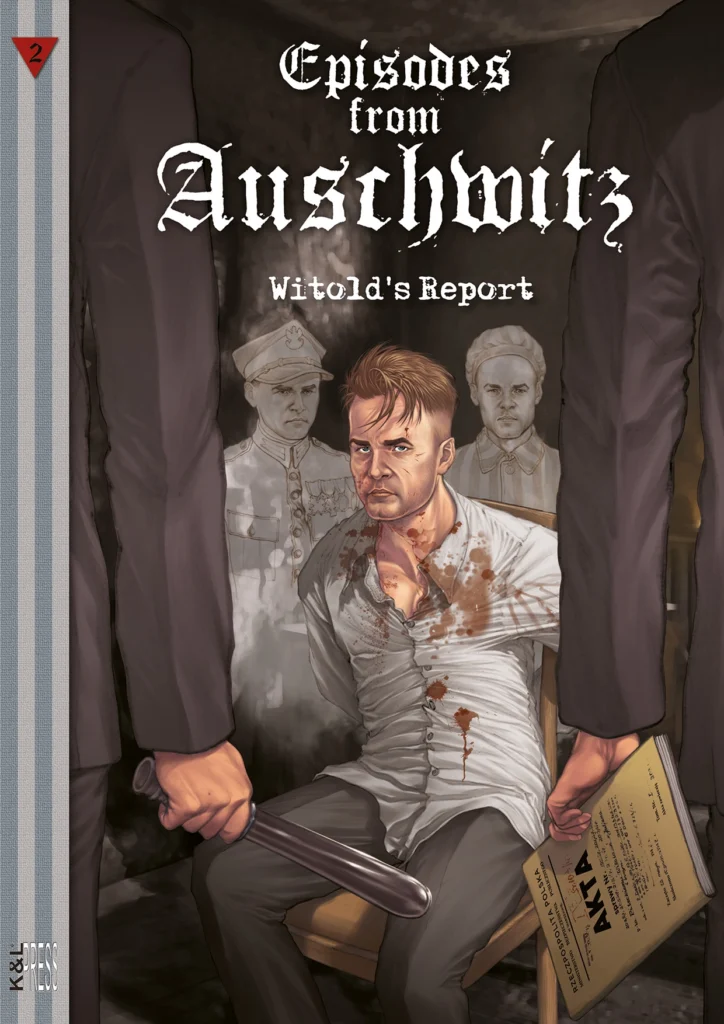
A series of graphic novels “Episodes from Auschwitz” are highly recommended, and available from the Auschwitz-Birkenau Museum.
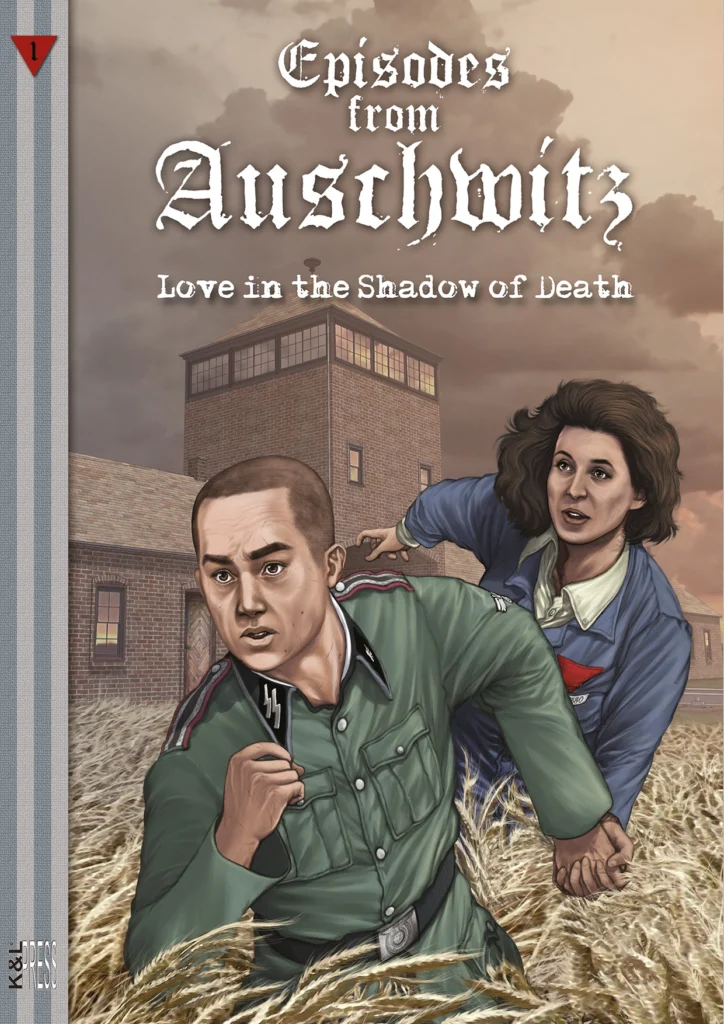
The history of Auschwitz is presented by showing the fate of real people, showing them as they really were, their ups and downs, hopes and doubts in the nightmarish depravity of Auschwitz.
“Historical research works, essential in the understanding of history, are, in our opinion, not enough and often don’t appeal to young readers,” the Museum opines.
“Love in the Shadow of Death” is the true story of two prisoners from the Auschwitz death camp – Mala Zimetbaum, a Jewish woman, and Edward Galiński, a Polish man.
Mala, thanks to her knowledge of several languages and engaging personality, was made a messenger (Läuferin) in the women’s camp.
Edek – prisoner of Auschwitz, brought in the first transport of Polish political prisoners – after his stay in the main camp, was transferred to the maintenance work unit in Auschwitz II-Birkenau.
This comic tells the story of the love that these two individuals develop for one another, their unsuccessful escape, and their tragic death in the camp. This comic shows, in a non stereotypical way, the complicated relationship between prisoners, the functionary prisoners, and the members of the SS guard garrison within Auschwitz.
“Witold’s Report” is dedicated to the story of Witold Pilecki — soldier of the Polish Army during the Polish-Soviet War in 1920 and September 1939 invasion of Poland, he fought in the Polish resistance, the AK (Home Army), and as its member, he volunteered for Auschwitz. After the war, the Communist regime considered him a traitor of the Polish People.
He was murdered in the prison of the Ministry of Public Security of Poland in Mokotów, Warsaw. Pilecki’s story is centred around his interrogation in the dungeons of the state secret police. The book presents the details of Pilecki’s arrival in Auschwitz, his escape, and plans considered by the AK to attack the camp to free prisoners.
“Sacrifice” is the story of Maximillian Kolbe, Franciscan Monk from Niepokalanów, the Saint from Auschwitz. The story centers on Father Kolbe’s incarceration in the concentration camp.
In addition to his story within the camp, the comic also shows the main events in the life of Father Kolbe, his missionary work, his innovative use of modern media as an evangelical tool, and his sacrifice in the name of Christianity.
The authors have not omitted the lesser known and often overlooked aspects of the Saint’s biography, such as attitude towards Masons and Jews in the interwar period. The central point of the story is the clash of attitudes and views of people in the inhuman reality of Auschwitz.
“Bearer of Secrets” is the story of prisoners, forced by the SS to cremate the bodies of people murdered in the gas chambers in Auschwitz. Very few of those prisoners saw the end of the War.
Most of them were killed at the hands of the SS, because they were eyewitnesses to the mass extermination of Jews.
Presented here are these prisoners’ lives, their unimaginable suffering and the grim choices they had to make, as well as the brutality and cynicism of murderers who wore SS uniforms.
The story covers several events that led to the Sonderkommando uprising in the autumn of 1944. This work historically reconstructs these events and the sites where they took place.
• <a href="https://www.semanticscholar.org/paper/Remediating-the-Documentary%3A-Photography-and-Drawn-Werbe/25e9bf4955c5cc0586b5ab39a72ac0eeafdc2074″ rel=”nofollow noopener” target=”_blank”>Remediating the Documentary: Photography and Drawn Images in Mickey au camp de Gurs by Charlotte F. Werbe of Gettysburg College
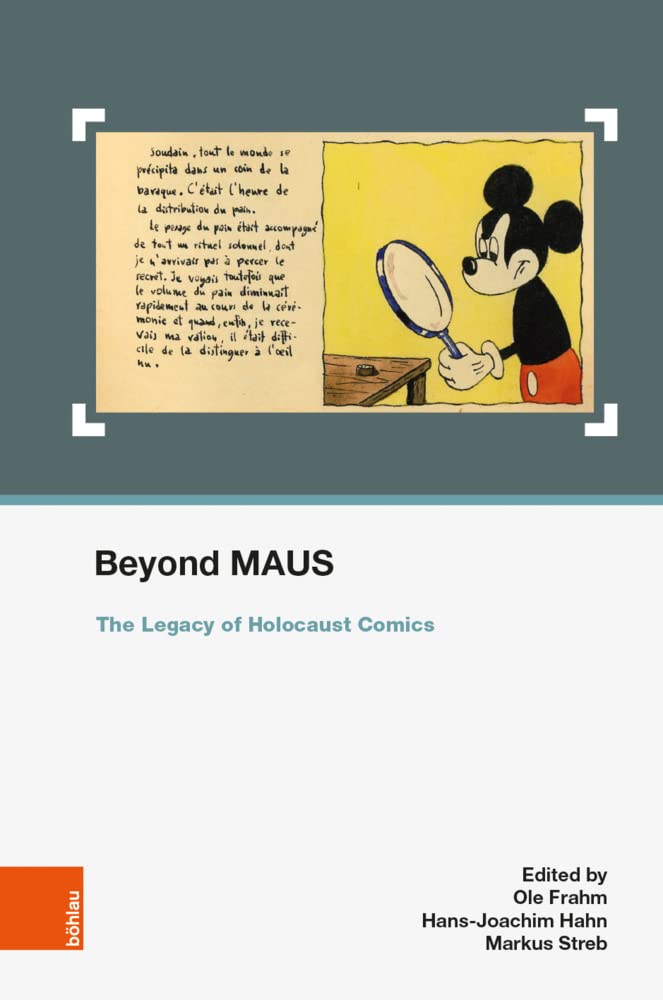
• Beyond MAUS.The Legacy of Holocaust Comics edited by Ole Frahm, Hans-Joachim Hahn and Markus Streb
Beyond MAUS. The Legacy of Holocaust Comicscollects 16 contributions that shed new light on the representation of the Holocaust. While MAUS by Art Spiegelman has changed the perspectives, other comics and series of drawings, some produced while the Holocaust happened, are often not recognised by a wider public.
• Comics Art Museum Brussells, archive and library
During World War Two, so far I have found 37 American comics that mention European concentration camps, one of which mentions Jews, one with a cover that could be a visualisation of the Holocaust and one that presents a future United States with Concentration camps and facism at work. One French comic is explicit about the Holocaust, one illustrated book less explicit. One U.S. pamphlet clearly mentions the Holocaust.
I also located 25 British wartime comics, namely “V for Vengeance”, which mention concentration camps, two of which mention Jews.
A total of 65 publications. Research is ongoing, and the list is not exhaustive.
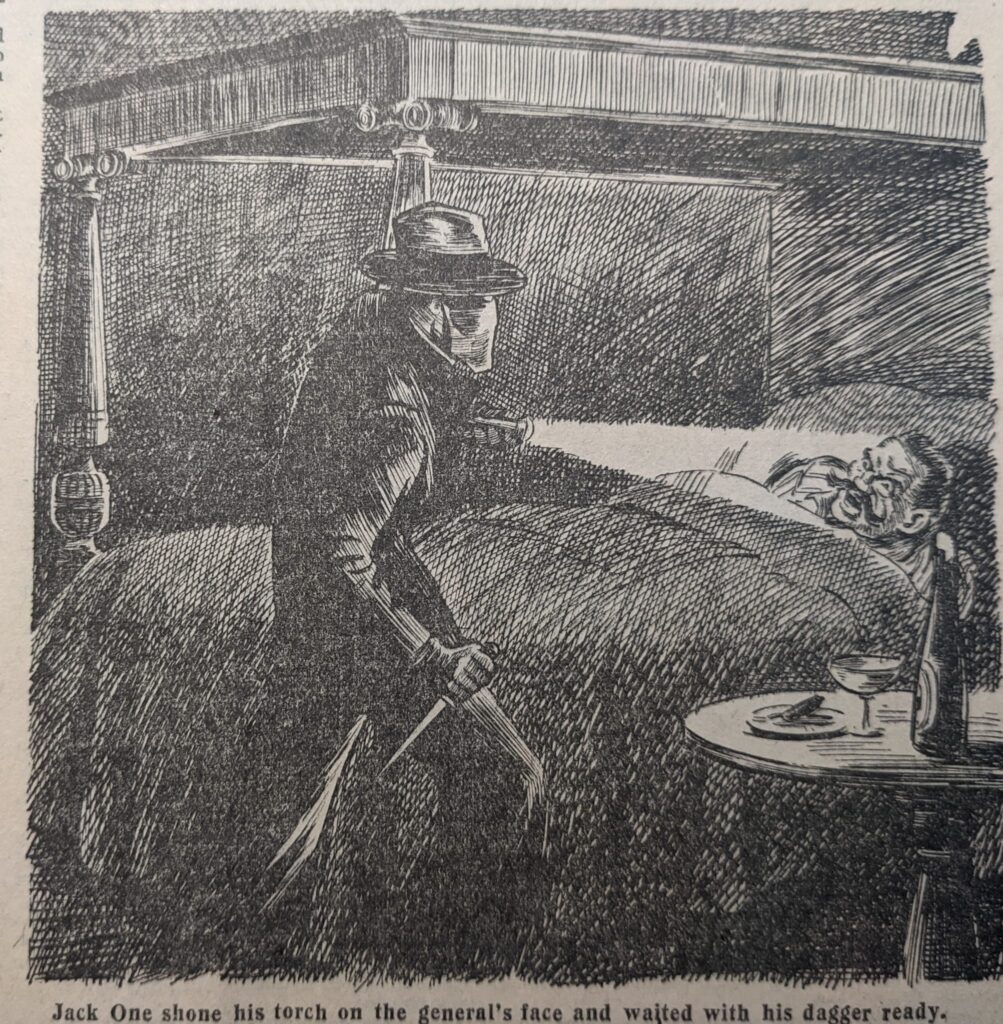
After the Second World War, “V for Vengeance” stories continued in Wizard, and also in Hornet New Hotspur and Victor. The story has returned from DC Thmoson in Commando V for Vengeance: Prisoner 7324
The Grand Comics Database with a simple search of the term “Concentration Camp” shows 219 stories
• The Marvel Fan Wiki has a page about the Holocaust
• Bandee Desinee Theque lists 148 graphic stories about Nazism and the Shoah
• The Comics Art Museum Brussels also has a long list – they list 191 items under Holocaust. Start a search here
• Comic Art Museum Brussels: The Documentation Room
- About the Author
- Latest Posts
One of many guest posts for downthetubes.

1 Comment
Pingback: Multiple New Marvel Series In Development - Comic Vibe