

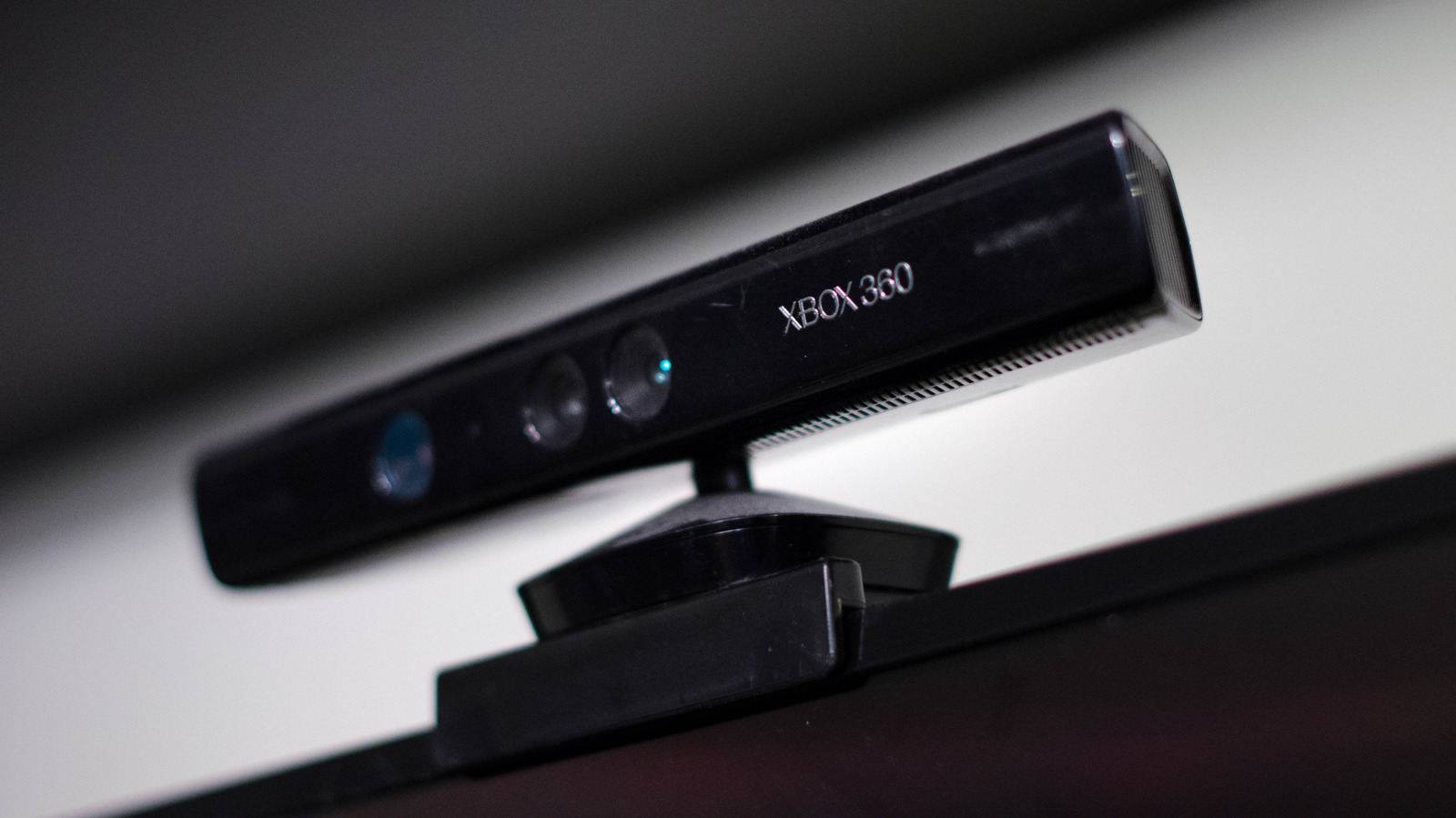
The original Xbox Kinect was unveiled to wide-eyed gamers in 2010 for the Xbox 360. The accessory was an immediate success thanks to its futuristic-feeling ability to track motion and hear voices. Over the next few years, the Kinect set the standard for controller-free gaming, as it gave players a peripheral that read their physical body movements with decent accuracy. And of course, families clearly wanted something that let kids be active and turned the living room into a fun, virtual playground. But the second-generation Xbox One Kinect, originally launched in 2013, was the last iteration of the unique home video game accessory.
So, why exactly did Xbox stop making the Kinect? The best explanation comes down to gaming console pricing and shifting market priorities. When Microsoft launched the pricey Xbox One, the console was struggling to compete directly with Sony’s PlayStation 4. Microsoft eventually decided to unbundle the Kinect from the Xbox One’s packaging six months after its release, dropping the console’s retail price by a full hundred bucks to match the PlayStation 4’s $399 price.
Microsoft had a plan to put the Kinect in every Xbox gamer’s house, which would then offer assurance to game developers for the platform. The unbundled Kinect, however, was no longer a safe bet; the peripheral was now left to its limited family and fitness titles. The company officially stopped producing the Kinect entirely by 2017, shifting its focus to subscription-based gaming (à la Xbox Game Pass) and the core gaming experiences its fans were actually asking for. Even today, Microsoft is working on tech that might let you digitize physical games.
How a controversial console launch killed the Kinect
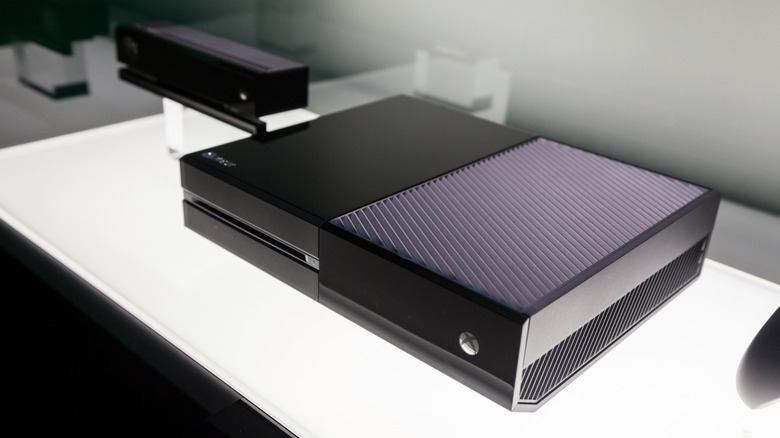
The highly criticized launch of Microsoft’s Xbox One signaled the beginning of the end for the Kinect. In late 2013, Microsoft forced the new Kinect into every Xbox One box. This mandatory add-on not only caused an issue by raising the console’s initial price to $499 (with no initial opt-out option for those who didn’t want a Kinect), but also spooked consumers with privacy concerns. Users were uncomfortable with the Kinect’s constantly listening microphones and always-watching camera in their homes, a foreboding concern that mirrors today’s worries over always-on smart home gadgets like indoor security cameras.
The forced Kinect bundling was a strategic blunder by Microsoft, though it eventually chose to sell standalone units. It’s easy to see why the company was eager to distance its core gaming brand from the Kinect and win back frustrated players.
While the Kinect was once Microsoft’s hottest item, it’s unlikely to make a comeback. However, it’s still possible to see the Kinect’s DNA living on in our tech today. The depth-sensing technology it used was later adopted in augmented reality hardware and Apple’s Face ID for iPhones, and Kinect’s microphones and voice-command elements were precursors to tech like smart home assistants. Microsoft’s Kinect might have just been in the right place at the wrong time. It was an important stepping stone given all of the truly useful technology it contained. If you still have one, there are some clever ways to use your old Xbox Kinect.
