

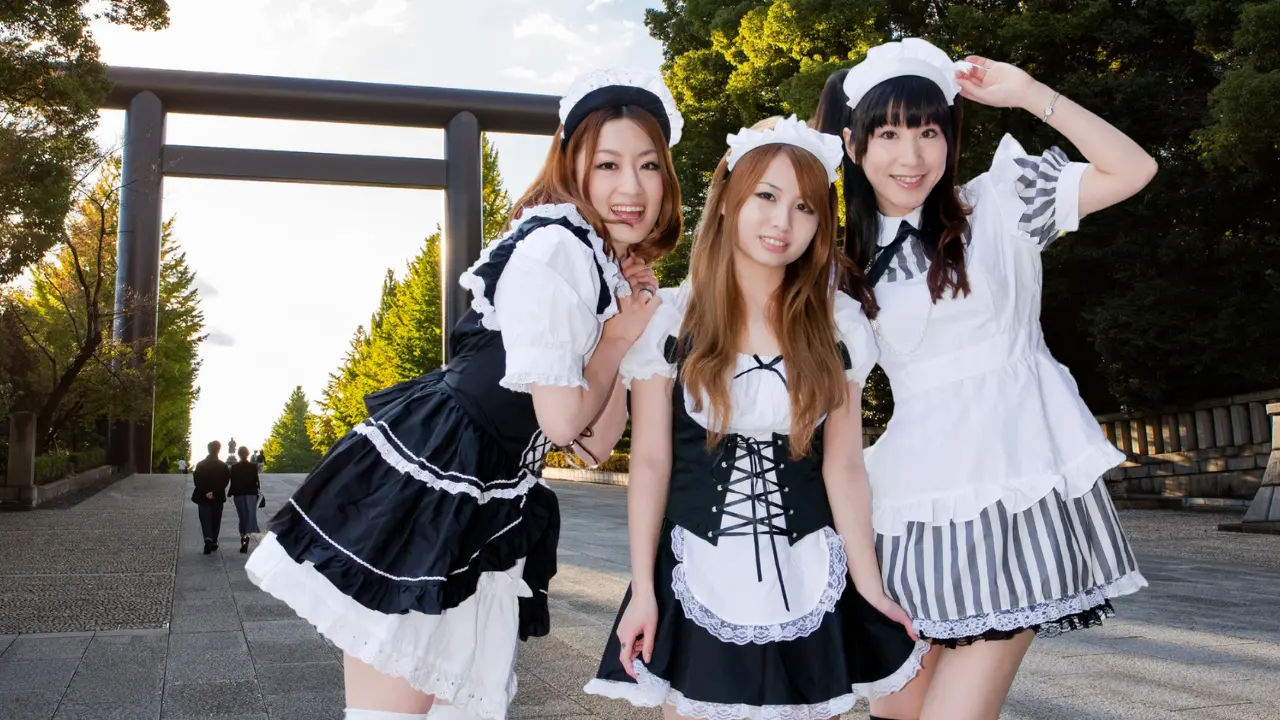
Cosplayers visiting Tokyo will need to cross one of the city’s best-known shrines off their list of potential photo locations, with Yasukuni Shrine introducing a new policy prohibiting cosplay costumes throughout its grounds.
The shrine announced the change on August 7 before publishing additional clarification on August 12, explaining that the rules are intended to preserve the tranquility and dignity of a site it regards as sacred to the spirits enshrined there.
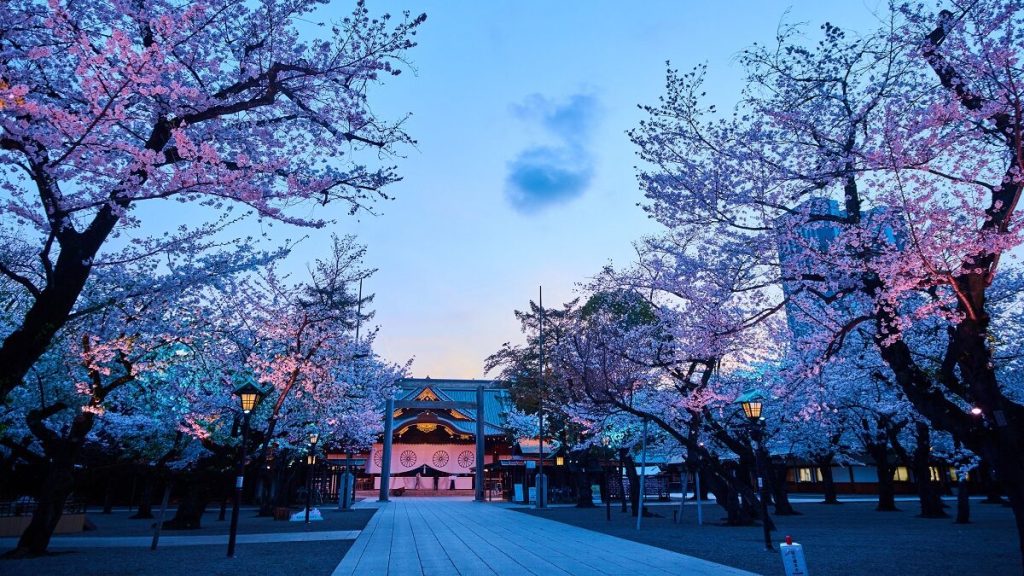
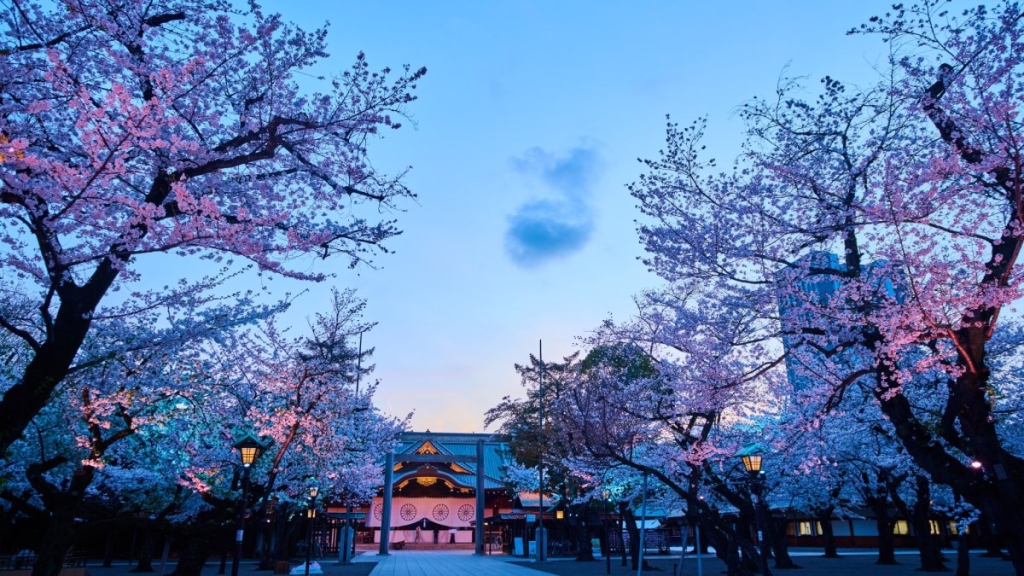
Located in Tokyo’s Chiyoda district, Yasukuni Shrine was established in 1869 during the Meiji era and commemorates people who died in service of Japan across conflicts stretching from the country’s transition into a modern state through World War II.
More than 2.4 million people are enshrined at Yasukuni, including 14 Class-A war criminals, and visits by Japanese political leaders have repeatedly drawn criticism from China, South Korea and others affected by Japan’s wartime expansion.
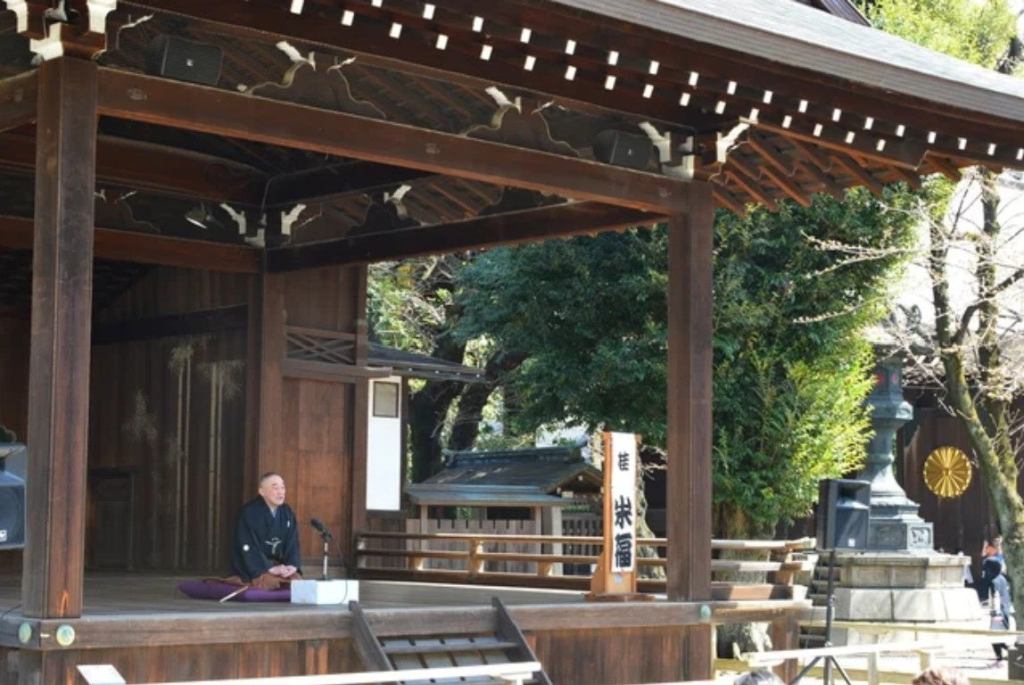
At the same time, the shrine remains an important place of mourning for many families of those who died during wartime, giving Yasukuni a religious and personal significance that exists alongside the political controversies surrounding it.
Under the updated visitor guidance, wearing cosplay costumes anywhere within the shrine grounds is prohibited, meaning visitors hoping to use its traditional architecture and surroundings as the backdrop for character photography will need to look elsewhere.
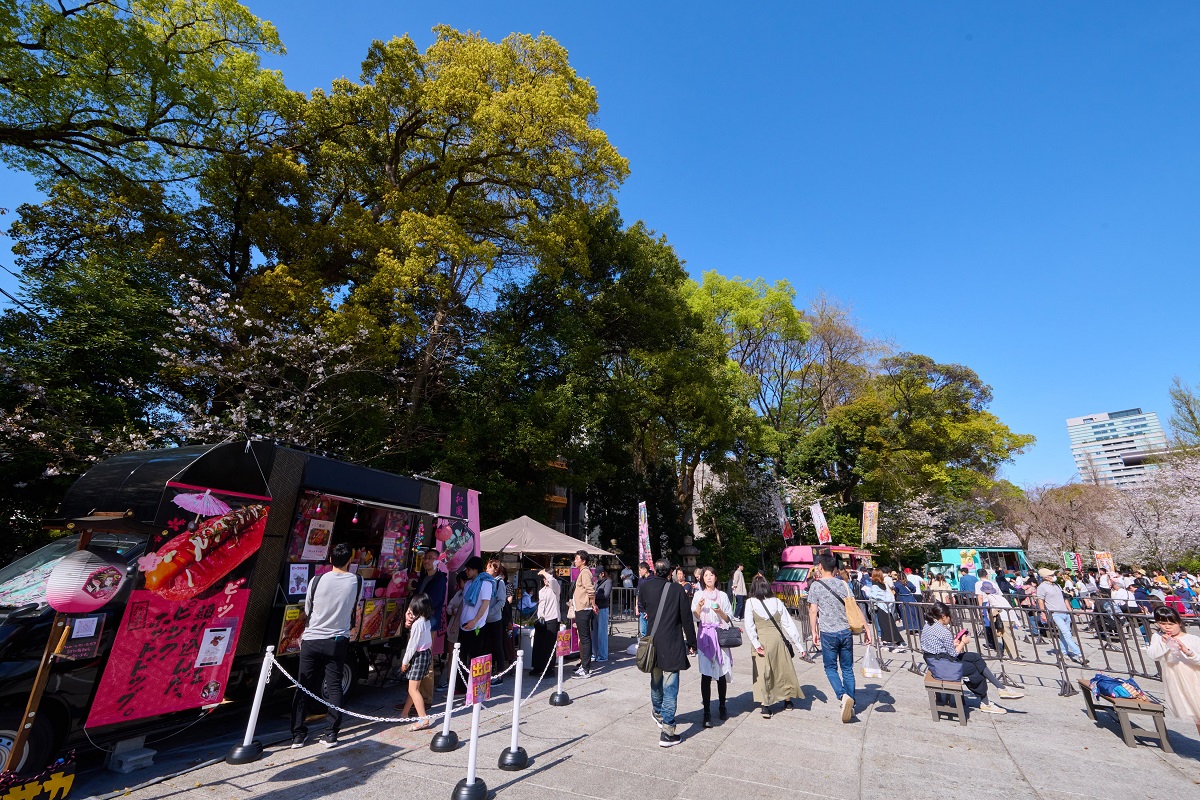
The rules also prohibit military clothing and equipment when it is being worn by people without a professional position or qualification that requires the uniform.
Yasukuni later clarified that the restriction does not apply to active members of the Japan Self-Defense Forces or members of foreign militaries who are entitled or required to wear their official uniforms.
According to the shrine, the military clothing rule was introduced after visits by people wearing such outfits without any relevant affiliation became increasingly common as the generation that actually served during World War II grew smaller.
The shrine also stressed that the policy was not created in response to one particular complaint or incident and is not connected to a specific date, instead applying throughout the year.
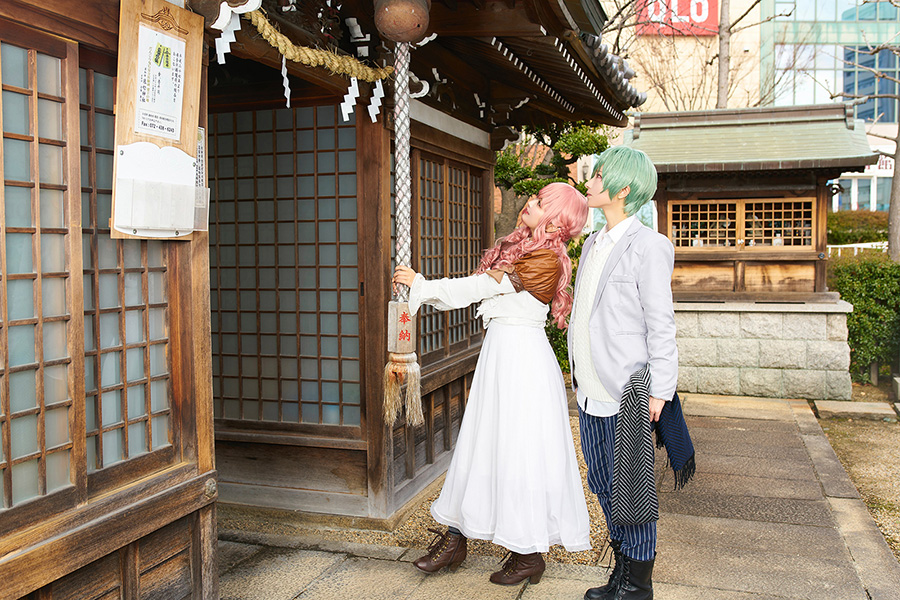
Visitors who arrive without knowing about the rules will be informed of the policy on site, with Yasukuni describing the guidance as a request for cooperation rather than a system designed to automatically force people to leave the grounds.
The change is particularly relevant for cosplayers visiting Japan, where shrines, temples, historic streets and other traditional locations can provide tempting backgrounds for characters inspired by samurai, ninja, yokai and Japanese folklore.
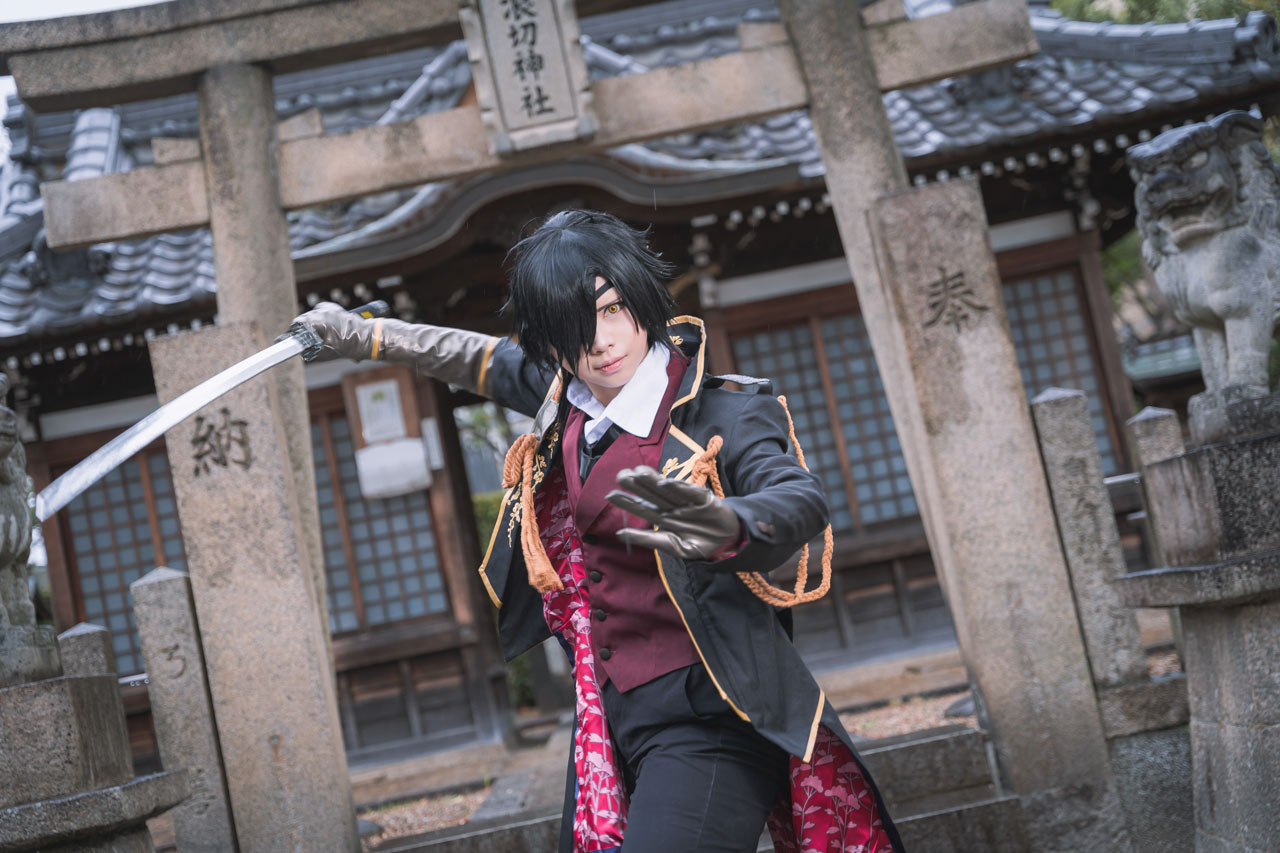
Rules surrounding cosplay and photography can differ considerably between religious sites, however, and some locations may allow costumes only during organized events or with advance permission rather than treating their grounds as unrestricted photography spaces.
For anyone planning a cosplay shoot at a shrine or temple during a future trip to Japan, checking the venue’s current photography and clothing rules beforehand remains the safest way to avoid arriving with a costume that cannot be worn on the premises.

If you enjoyed this article, you can see more from us directly in your Google feed by adding us as a preferred source.
This post may contain affiliate links, and Essential Japan may earn a commission if you purchase through them.
