

Where’s the line when it comes to fictionalising real people in TV shows, movies and books?
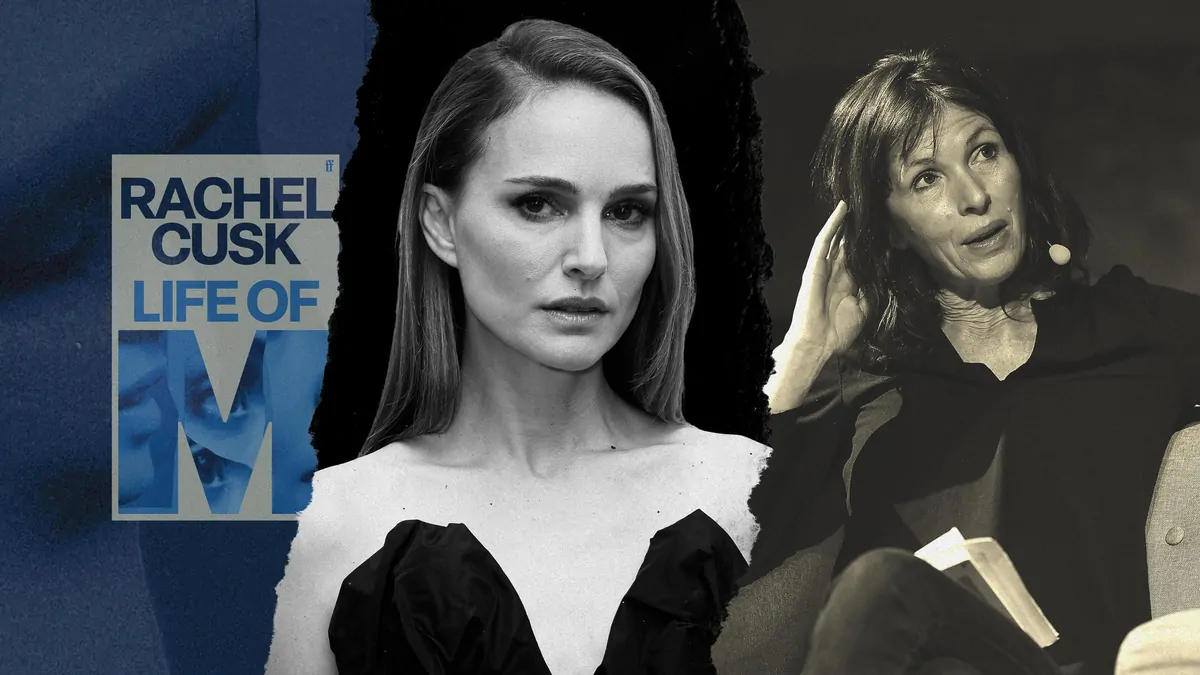
Rachel Cusk’s novel isn’t about her former friend Natalie Portman, but the parallels raise concerns about the ethics and legality of mining reality for art.
Have you heard?
Novelist Rachel Cusk’s forthcoming book, Life Of M, is a thinly veiled portrait of a real-life actor that is said to be less than flattering.
This protagonist, the movie star codenamed M, is said to be someone who has immense fame and privilege, but in actuality is disconnected from reality. The character is an American actor who lives in Europe, has been a star since she was a child, is an ambassador for a major brand, and at one time, played the role of a ballerina in a film.
Get the first look at the digital newspaper, curated daily stories and breaking headlines delivered to your inbox.
The literati circles have been in a gossipy frenzy, and all signs are pointing to Natalie Portman as the real-life inspiration behind M.
Portman was a child actor who made her debut in Leon, she won an Oscar for Black Swan, is the face of Miss Dior and now lives in Paris. She also happens to be acquainted, perhaps even friends, with Cusk.
And Cusk is not known for writing hagiographic profiles of her subjects, more like eviscerating and bracingly honest character dissections.
Even after the book is published on August 31 in Australia, it’s likely the debate over whether M is Portman will never be settled. Perhaps that is unfair to Portman, who will now have her public reputation mixed with this fictional character in a novel.
But she won’t be the first, and the ethics of portraying and fictionalising real-life people in works of non-documentary art have been a thorny area for as long as there have been stories.
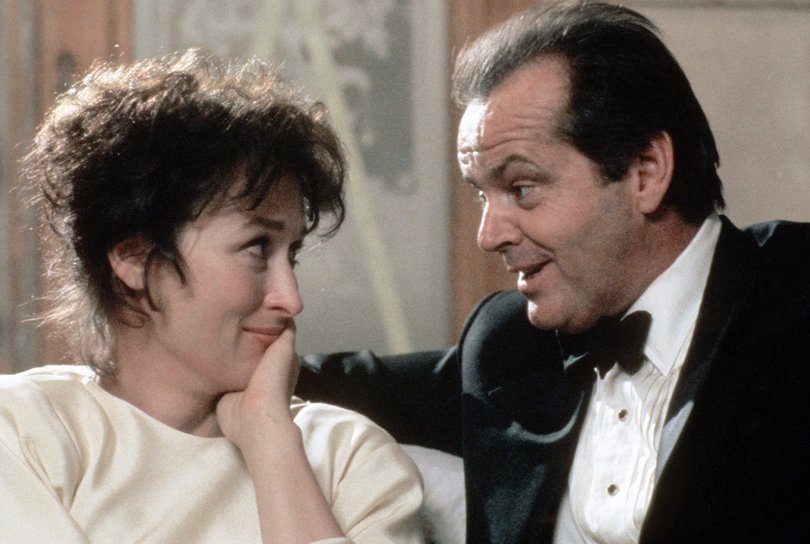
Nora Ephron famously wrote about her ex-husband Carl Bernstein in the semi-autobiographical novel Heartburn, which detailed the breakdown of their marriage after she discovered his affair. That book was then adapted into a film, with Jack Nicholson playing the Bernstein character.
Ephron changed Bernstein’s name in the story but everyone knew it was based on the famed investigative reporter for The Washington Post.
Arguably, it has not dented Bernstein’s career or legacy as one of the journalists who broke the Watergate story, but he didn’t take it so well. At the time of the film’s release, he told Playboy, “It’s got a nasty tone, a smarmy edge. It is prurient. It obliterates everybody’s dignity.”
Of course, you could argue, especially as the wronged party, Ephron had every right to use her pain and trauma as fuel for her creative impulses. As she once said, “everything is copy”.
How fair game is it to borrow someone else’s life in your storytelling? Is it enough to try to obscure their real identities? What if they’re famous, does that make them open season?
The rules governing someone’s “life rights” are a little bit bendy, and especially depending on the jurisdiction. Sometimes a film or TV show will secure someone’s life rights (for example, Janet Jackson did not sign an agreement with the Michael biopic team, and wasn’t included in the film), but you can also roll the dice and hope that person won’t sue you.
The subject could sue for defamation if they believe they’ve been portrayed in a way that does them damage, such as Fiona Harvey, the so-called real-life Martha from Baby Reindeer, is doing, or someone could sue because they’ve been deprived of the right to make money from their own story.
That’s the legal side, what about the ethical one?
This came up in a big way during the final seasons of The Crown, when, of all people, Dame Judi Dench penned an open letter in The Times UK to criticise the Netflix drama for “crude sensationalism”.
Dench, who is long-time friends with Queen Camilla, took particular offence at some of the imagined scenarios depicted in the series about the British royals, such as a scene which suggested Charles once plotted to have his mother abdicate. She demanded the filmmakers add a disclaimer to the start of every episode that The Crown was fictional.
Dench’s public dressing down came not long after the death of Queen Elizabeth II but she wasn’t the first, following a Tory culture minister, while others such as former Prime Minister John Major had already hit out at his portrayal in the series.
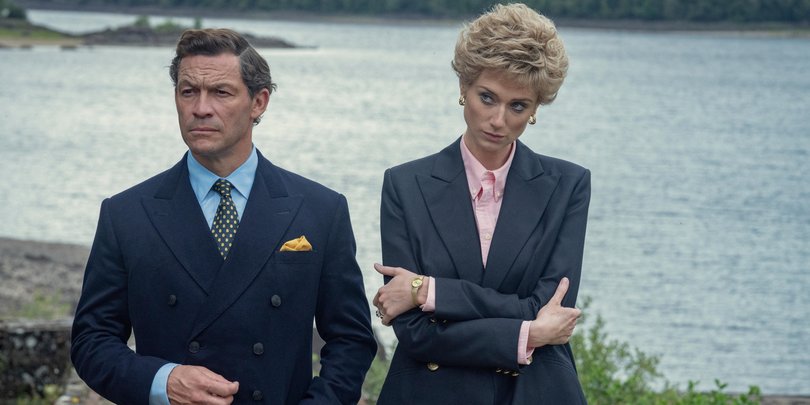
It wasn’t just the Queen’s death that provoked these reactions but the fact by that point The Crown’s narrative had reached living memory, and was rehashing events such as Charles and Diana’s divorce that had already had media saturation.
Not to mention many of its characters in those later years, unlike Margaret Thatcher or Lord Mountbatten, were still alive.
But here’s the thing. The British royals and even some of the powerful entourage around them are public figures who are both funded by the taxpayers and continue to benefit from systems and institutions that have allowed them to amass great wealth over centuries.
They also hold immense power over British society, culture and politics. Which does make them fair targets for dramatisation. Or satire and ridicule — just as it is for any public or corporate figure who wields their enormous influence like a cudgel.
Art, whether it hangs on a gallery wall or lives on the internet in the form of an online sketch, should be allowed to reckon with and interrogate the dominant forces that seek to change or mould our wider world.
The royals are not only not exempt, but should expect it.
And not for nothing, but The Crown was actually an enormous boon for the Windsors’s soft power all over the world, which the Brits were in desperate need of during the absolute folly that was Brexit.
When The Crown imagined and dramatised those behind-close-doors conversations and choices, it humanised these figures whose public selves stand on pedestals. It punctuated the carefully staged mystique of the royals, but that’s a good thing.
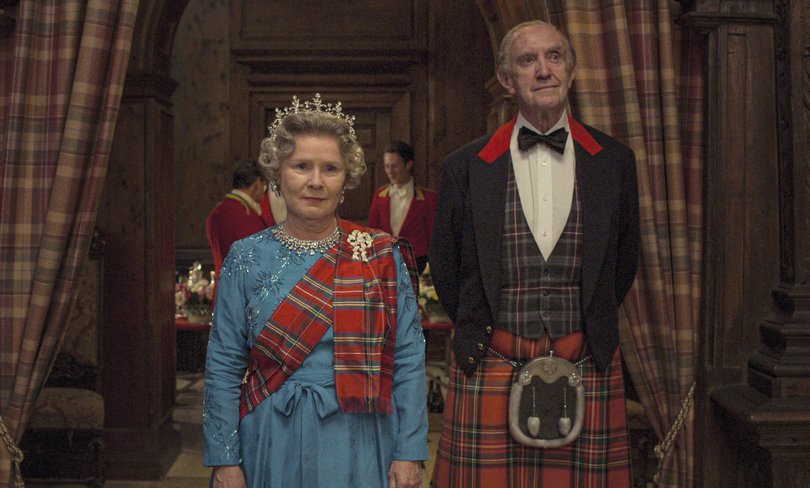
They have for generations not allowed themselves to be seen as just like everyone else in case it’s a threat to their dynasty, but this is the 21st century, and few people believe those in power should be more than human.
We want to be able to relate to them because they need to be able to relate to us. Otherwise we cannot trust those decisions made about our lives if they come from those who have no understanding of the common people. Empathy has to go both ways.
When Peter Morgan and his team on The Crown staged scenes where Elizabeth has to contend with Philip’s potential betrayal or when Thatcher took time out from busting unions to be a naïve mother, it made them more sympathetic.
Those fictionalised vulnerabilities forged stronger connections to the public, even if half of it probably didn’t happen.
But the ethics of dramatisation aren’t the same across the board. When it comes to non-famouses, that line isn’t the same.
Baby Reindeer makes for an interesting case because Netflix had declared the story to be “true”. Which is obviously great for marketing because many audiences are more invested when they think it really happened exactly as portrayed.
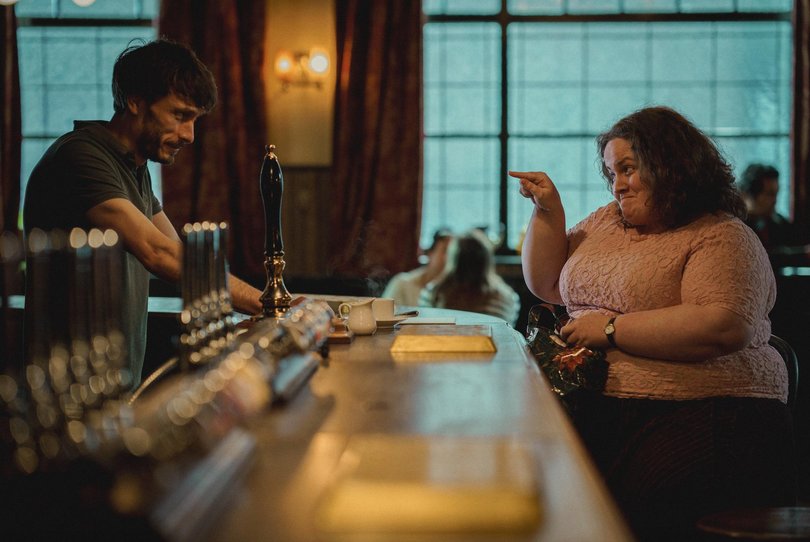
That’s what opened the door for Fiona Harvey to launch her legal action after the Scottish woman confirmed she was the inspiration for the obsessive stalker who terrorised Richard Gadd’s character in the award-winning miniseries.
If that dramatisation of Harvey – which itself is not completely settled as to whether it is or isn’t, and Gadd has declared in the legal defence that Martha was a character and not a real person – is even half-true, she may not be the most sympathetic figure.
That case is still going through the motions, and maybe one of the points that need to be litigated is whether Netflix, Gadd and the filmmakers should have foreseen the avalanche of disproportionately invested internet sleuths who went looking for the “real” Martha when it marketed Baby Reindeer as a true story.
Netflix had to settle another lawsuit, this one brought by Vanity Fair writer Rachel Williams, who was portrayed in the Shonda Rhimes show Inventing Anna, which was based on the story of Anna Sorokin’s elaborate con of Manhattan’s elite.
Williams argued that the show had sought to sympathise Sorokin and in the process had turned her from a victim into a foil and a villain.
The streamer had also been sued by people portrayed as secondary characters from The Queen’s Gambit, No Limit and When They See Us.
It’s always tricky when you’re dramatising real-life stories, and there will be those who are going to be unhappy with how they’re portrayed, whether they’re relative nobodies or if they’re famous. Depending on the case, the ethics could go either way.
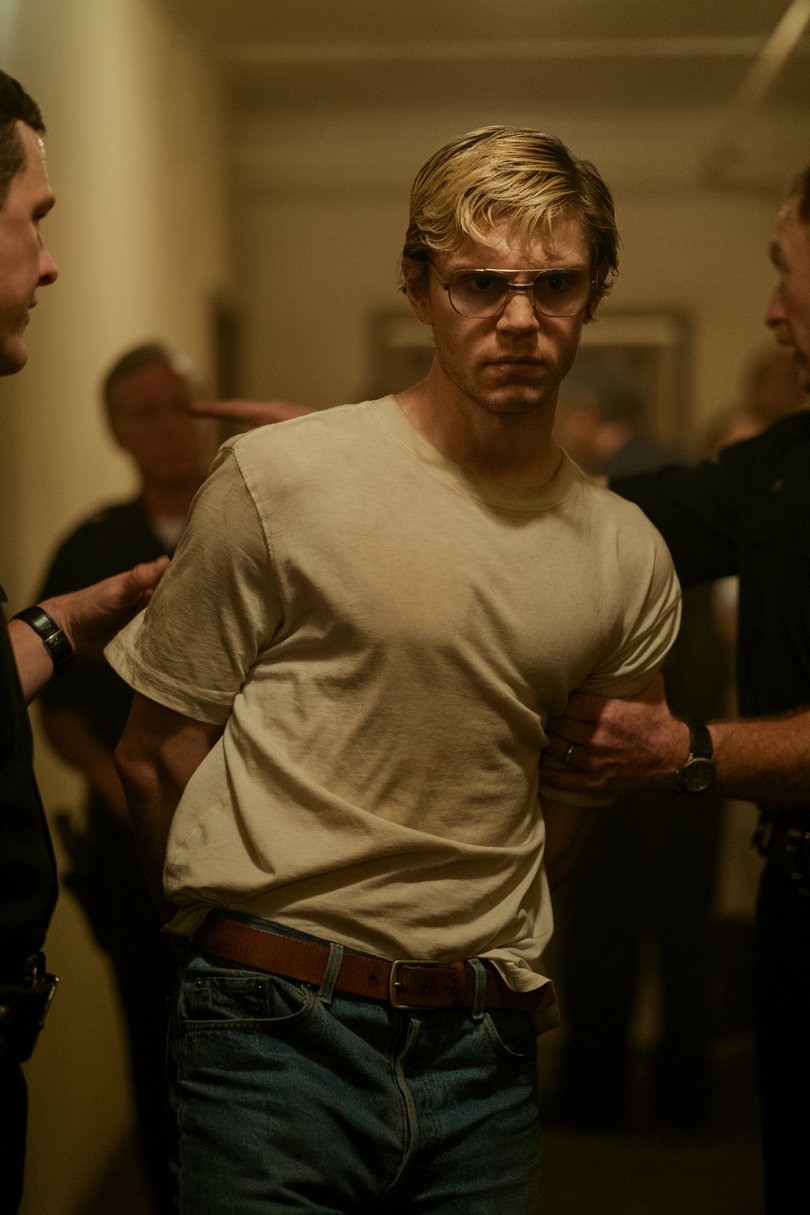
But there is one aspect that has always felt icky, and that’s victims and the family of victims who have to relive their trauma in true crime dramatisations.
There should be consensus that unless you have explicit permission and collaboration, that should be off-limits.
Consider Ryan Murphy’s stupidly named miniseries Dahmer – Monster: The Jeffrey Dahmer Story which depicted several of the serial killer’s victims. It was done in such an exploitative way, staged to titillate viewers with the sheer brutality of the violence.
One victim, Errol Lindsey, was 19 when he was killed by Dahmer, and his sister Rita Isbell saw herself dramatised on screen during a scene at court. She was appalled.
She wrote at the time of the series’ release, “It brought back all the emotions I was feeling back then.
“I feel like Netflix should’ve asked if we mind or how we felt about making it. They didn’t ask me anything. They just did it.
“It’s said that they’re just making money off of this tragedy.”
That there, that’s the line you don’t cross.
