

NOTE: This article is a contribution and do not necessarily represent the views of Player One.
Nintendo has moved forward with its hybrid gaming lineup, and the newest system builds on the formula that made its predecessor a household name.
Between updated hardware, new controller tricks, and a handful of fresh software features, there is a lot to unpack for anyone deciding whether to make the jump.
What’s New in the ‘Nintendo Switch 2’
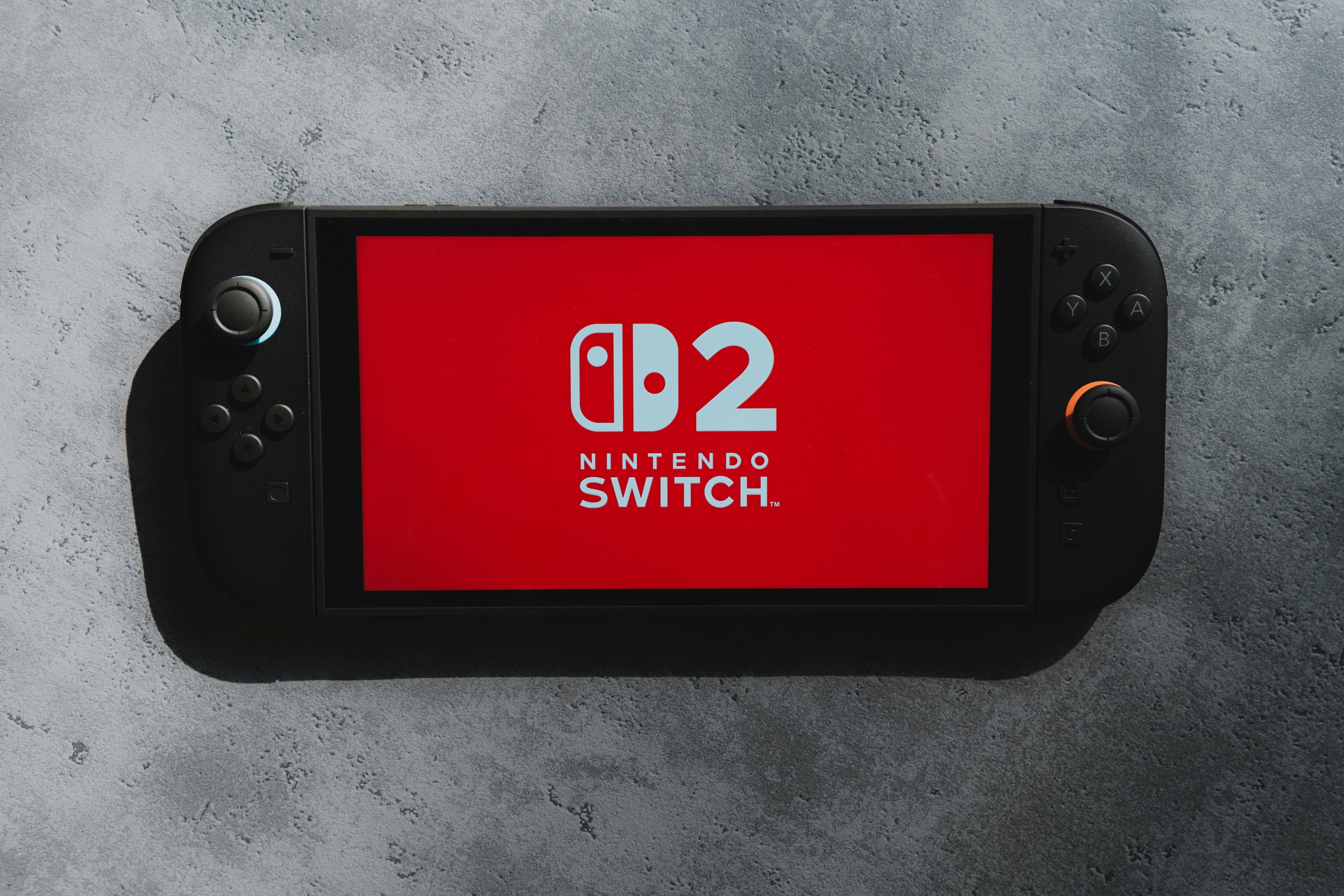
At its core, the Nintendo Switch 2 keeps the same flexible identity that defined its predecessor, offering TV mode, tabletop mode, and handheld mode in a single device. What changes is how each of those modes feels in practice.
The system now includes a larger 7.9-inch screen while keeping roughly the same thickness as before, giving players a bigger viewing area without a bulkier design.
One of the more talked-about additions is GameChat, a built-in communication feature that lets players start a voice chat with friends by pressing the new C Button on the right Joy-Con 2 controller.
Players can share their game screen in real time, even while playing different titles, and connect a compatible camera to video chat with up to four people at once.
How the ‘Nintendo Switch 2’ Improves Performance
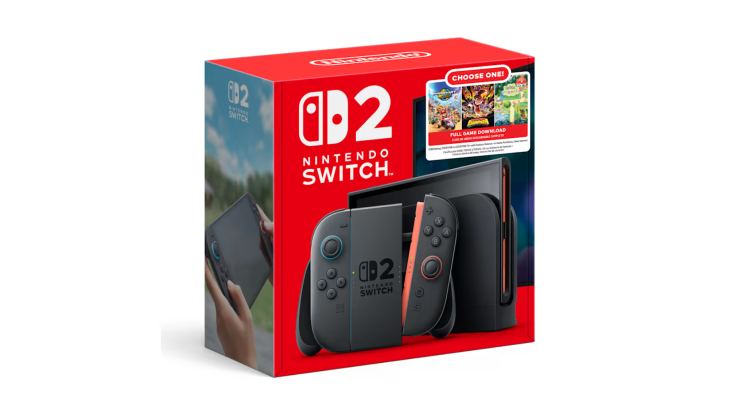
Under the hood, the console brings meaningful upgrades to processing power and graphics capability. According to Nintendo, these changes translate into smoother frame rates, sharper visuals, and faster loading times across supported titles.
Games built specifically for the new hardware are designed to take full advantage of these improvements, though select older titles can also see benefits like improved graphics and quicker load speeds depending on the software.
Storage has also gotten a significant boost. The system ships with 256 gigabytes of internal storage, which Nintendo notes is eight times the capacity of the original console, and read and write speeds have been increased as well.
For players who need more room, the system supports microSD Express cards, though it is worth noting that older microSD cards used with the previous console are not compatible with the new hardware.
New Display, Controls, and Hardware Upgrades Explained
The updated display supports HDR, variable refresh rate, and frame rates up to 120 frames per second in compatible games, giving competitive and fast-paced titles more headroom to run smoothly. When docked, the system can output up to 4K resolution, provided both the television and the game support it, though 4K output is capped at 60 frames per second.
The Joy-Con 2 controllers themselves have been redesigned to snap onto the system using magnetic connectors, replacing the sliding rail mechanism from before. A release button on the back disengages the magnetic lock for quick removal.
Each Joy-Con 2 also includes a mouse sensor on its side, letting players use a table or their lap as a makeshift mouse pad in compatible games, with support for using both controllers as dual mice at once.
Features That Set the ‘Nintendo Switch 2’ Apart
Beyond the headline upgrades, a few smaller changes add up to a noticeably different experience. The built-in kickstand now offers 150 degrees of adjustment, making it easier to find a comfortable angle during tabletop play, and a second USB-C port on top of the system allows for charging while in that mode.
Audio has also been refined, with Nintendo pointing to clearer, more balanced sound along with three-dimensional spatial audio support for a more immersive feel during gameplay.
Backward compatibility remains a major part of the pitch as well. The console plays both physical and digital games from the original library, and Nintendo Switch Online members can continue using the service without interruption, though the company notes that some older games may not be fully compatible.
Is the ‘Nintendo Switch 2’ Worth the Upgrade?
For players who spend most of their time in handheld or tabletop mode, the larger screen, adjustable stand, and mouse enabled Joy-Con 2 controllers offer tangible day to day improvements. Those focused on performance will likely appreciate the jump in processing power and storage, especially with faster load times and support for higher frame rates in newer titles.
Whether the upgrade feels necessary largely depends on how much value a player places on features like GameChat and expanded multiplayer options versus simply continuing with a library of existing games.
For newcomers or those still on the original console, the added performance and display improvements represent a clear step forward for the hybrid format Nintendo has built its identity around.
