

This should be the golden age of gaming. Instead, there has never been a more frustrating time for those who love them.
Games are more ambitious, technically accomplished and capable of reaching larger audiences than ever. Yet buying the hardware to play them is becoming more expensive; owning games is becoming increasingly less straightforward due to the shift towards digital purchases and subscriptions; and the studios with the most money to spend often seem the least willing to gamble on something unfamiliar.
At the highest end of the industry, conservatism increasingly feels like a feature rather than a bug.
Look across 2026 and familiar names dominate. Resident Evil Requiem, Forza Horizon 6, Gears of War: E-Day, Marvel’s Wolverine and Silent Hill: Townfall all derive some commercial security from worlds, characters or brands players already recognise.
That does not make them bad games. Innovation can happen within an established series, and ambitious original projects such as Saros and Pragmata show major publishers have not abandoned new ideas entirely.
But the dominance of established intellectual property is glaring.
It is also understandable. Blockbuster games can take several years and hundreds of developers to complete. When that much money and so many jobs depend on the success of one project, familiarity starts looking less like creative laziness and more like corporate insurance for games with gargantuan price tags.
And with processing chips increasing in price due to the rise of the AI industry, players are feeling the consequences of ballooning costs, too.
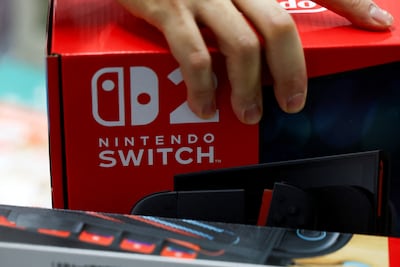
Show caption: Nintendo Switch 2 represents the growing appeal of hybrid ga…
Sony raised US prices in April, taking the standard PlayStation 5 to $649.99 and the PS5 Pro to $899.99. Microsoft followed with another Xbox increase in August, after already raising prices the previous year. Nintendo’s Switch 2, which launched in the US at $449.99, will rise to $499.99 in September.
Historically, consoles became cheaper as a generation matured. Due to real-world factors, this generation has repeatedly challenged that expectation.
That makes the choice of gaming hardware more complicated. Does the average player still need the most powerful box available?
Nintendo demonstrated with the original Switch that portability could be the centre of a console rather than a compromise. Valve expanded that idea with Steam Deck. The Switch 2 and an increasingly crowded handheld PC market now offer substantial libraries that move with their owners.
The PS5 and Xbox Series X are hardly obsolete. They remain excellent choices for players who want high-end performance on a large television without worrying about battery life or PC settings. But when a stationary console costs more five or six years into its life, portability becomes part of a much broader argument about value.
And hanging over almost every conversation about gaming in 2026 is Grand Theft Auto 6.
Rockstar’s latest game, 12 years in the making, will launch on November 19 – yet it already feels like the year’s defining release. The first trailer attracted more than 93 million YouTube views in 24 hours. Rockstar parent company Take-Two says the second generated more than 475 million views across platforms in the same period.
The release calendar itself appears to acknowledge its gravitational pull, with major games crowding into the months before November rather than competing directly with it.
But GTA 6 has also become a useful symbol of where gaming is heading.
Its boxed version will not contain a disc. Instead, physical retail copies will include a download code. That might sound like a technical distinction, but it changes what players actually own.
A disc can be lent, traded or sold. A download code inside a plastic box preserves the appearance of physical ownership while removing many of its benefits.
Sony has gone further. From January 2028, it says physical disc production will end for new games released on PlayStation consoles. The commercial reasoning is clear. Digital purchases now account for most Sony’s full-game sales.
Yet what makes sense for a platform does not necessarily benefit the player.
PlayStation’s own software terms make the distinction clear: digital games are licensed, not sold. For years, most players could comfortably ignore that language, and buy games on the resale market for a heavy discount. As physical alternatives disappear, it becomes harder to do so.
Even GTA 6‘s marketing reflects the increasingly fragmented way entertainment is accessed. An extended gameplay presentation will debut on Netflix on August 27 before appearing on YouTube later that day, giving subscribers the first look at one of the most anticipated games ever made.
None of these developments is disastrous in isolation. Together, however, they describe a changing relationship between player and product.
Games increasingly exist inside accounts rather than on shelves. Subscription services surround them. Micro-transactions, season passes and digital currencies can extend spending far beyond the initial purchase.
And somewhere beneath all of this, games still need to be fun.
That is where independent development offers the clearest contrast.

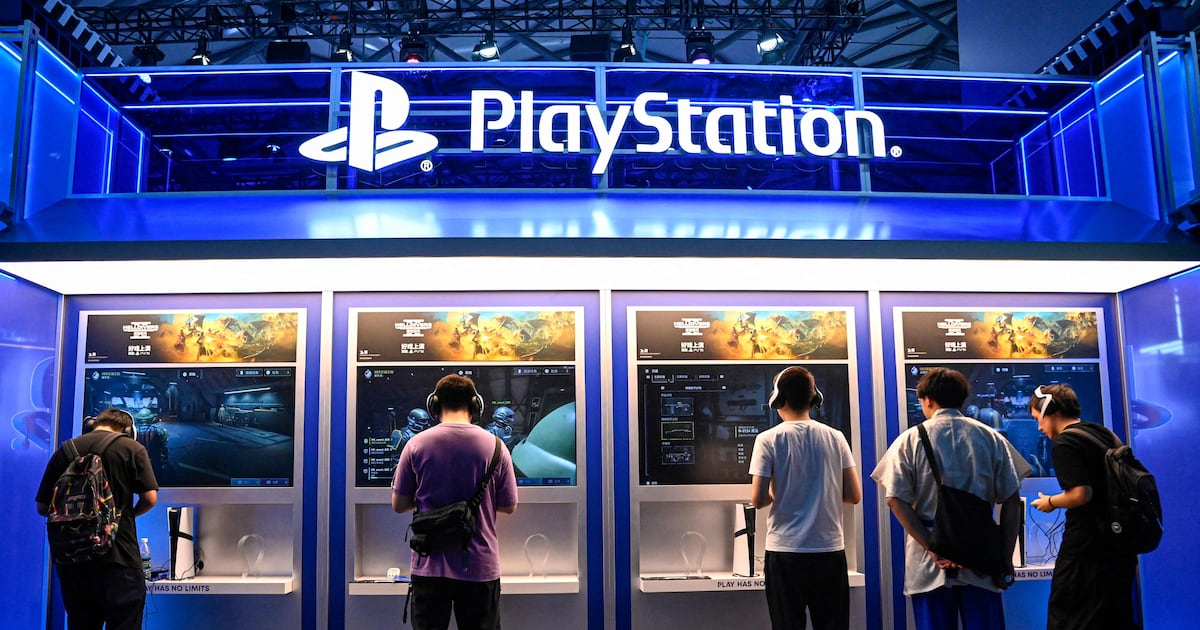
Show caption: PlayStation 5 remains a major draw for blockbuster games, bu…
Some of the year’s most acclaimed games are not attempting to create the largest worlds or most realistic graphics. Titles such as Big Walk andMina the Hollower succeed by finding new ideas within familiar forms, whether through co-operative interaction or a modern interpretation of classic action-adventure design.
This is gaming’s strange inversion. Studios with fewer reusual ideas their selling point. They cannot compete with Rockstar on scale. They can compete by making something players have not experienced before
That makes GTA 6 fascinating beyond however many millions of copies it sells. It represents perhaps the ultimate expression of the modern blockbuster: more than a decade of anticipation, enormous reroduce
If it becomes the extraordinary success everyone expects, publishers may conclude games need to become even bigger and longer in development. If it falls short of those enormous expectations, they could become even more risk-averse.
Perhaps the better lesson is that scale does not have to be the only measure of progress. Players do not necessarily need every game to be the biggest game ever made. Sometimes they simply need one that is finished, affordable and fun.
