

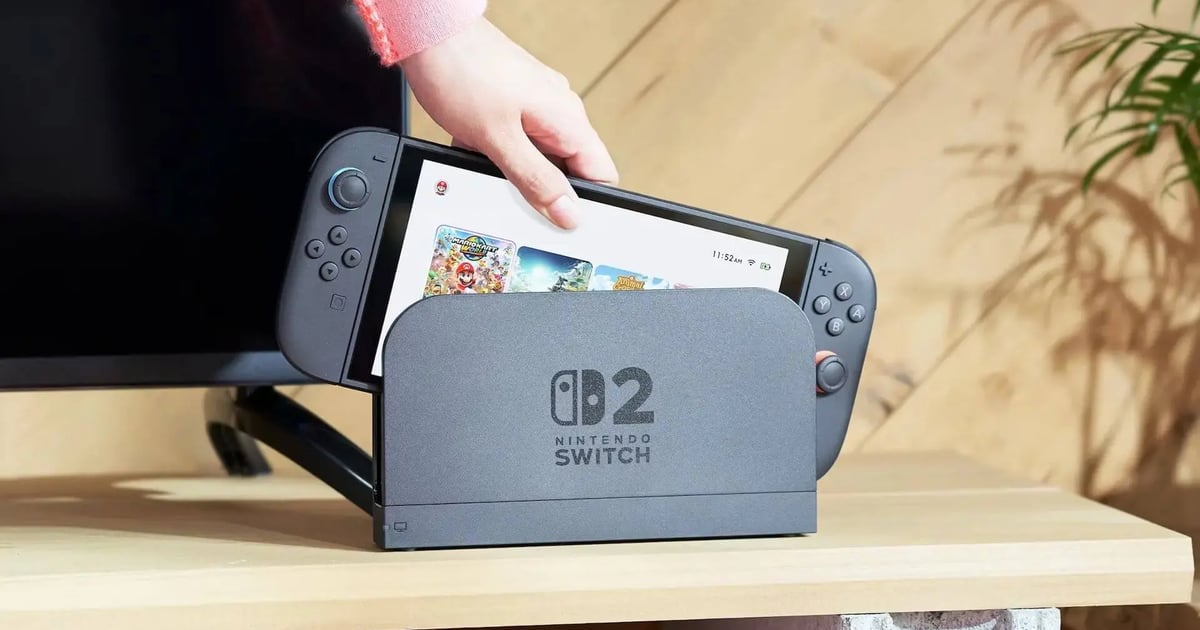
The Nintendo Switch 2 sold 3.82 million units during the first-quarter ended June 30, 2026, which represents a 34.4 percent decrease on the 5.82 million units sold this time last year.
As noted in thecompany’s latest fiscal report, sales revenue across Nintendo’s dedicated video game platform business declined by 13.1 percent year-on-year to 483 billion yen in the first quarter. That dip was largely attributed to waning hardware sales.
It’s worth noting that Nintendo’s fiscal unit sales forecast remains unchanged despite that downturn. As per the company’s consolidated financial forecast, Nintendo still expects to sell 16.5 million units during the current fiscal year ending March 30, 2027. That would represent a 16.9 percent decline on the 19.86 million Switch 2 units sold in FY26.
“Although Nintendo Switch 2 sales volume declined compared to the same quarter when it launched last fiscal year, many consumers continued to adopt the system, encouraged by the release of new titles and other factors,” Nintendo stated.
On the software front, Nintendo explained sales of Nintendo Switch 2 titles increased by 9.2 percent year-on-year during Q1 to 9.46 million units. Sales of software for the original Switch also surged by 33.6 percent to 33.81 million units over the same period.
The company highlightedTomodachi Life: Living the DreamandPokémon Pokopiaas standout releases, with those titles selling 7.94 million and 1.27 million units, respectively. It’s worth remembering thatPokopiais a Switch 2 exclusive, whileTomodachi Lifeis playable on all Switch hardware.
Nintendo’s fiscal report has been published during a rather eventful period. The Japanese companyannounced a price increasefor the Switch 2 back in May, which was driven by the war on Iran and the ongoing AI-fueled memory crisis. That decision was made to maintain “a healthy earnings structure” across the company. Although he also conceded that raising hardware prices will create a barrier for entry for some consumers
In April, consumers took legal action against Nintendo after claiming the company benefitted from illegal tariffs imposed by the U.S. governments by passing the cost onto customers in the form of price hikes before securing a refund.
Last month, Nintendorequested the dismissal of that proposed class action lawsuit, with the company’s legal team claiming consumers “received exactly what they bargained and paid for” and are “not entitled to a rebate simply because of intervening legal developments related to tariffs.”
As noted in its latest financial report, Nintendo received a $300 million tariff refund—although it claims “tariffs related to the refunds were primarily borne by the company rather than passed on to consumers through product prices.”
Top StoriesFinancial ReportingNintendo
