

Marketing ShortsLatest Stories
JetAlive’s Kumar Razdan says community-led experiences will define the future of live entertainment
As audiences seek experiences over events, Kumar Razdan says the future of live entertainment will be built on communities, cultural IPs and long-term engagement.
Siddhesh Shirsat06 Aug 2026
08:00IST
New Update
India has long been called a young nation, with a median age of around 29. But beyond the demographic dividend, something else has become increasingly evident. Young India is no longer just consuming entertainment. It is actively seeking experiences, communities and moments worth stepping out for.
That shift has transformed the country’s live entertainment landscape. What was once dominated by the occasional concert or standalone music festival has evolved into a thriving ecosystem of concerts, fan conventions, cultural festivals and immersive experiences. International artists are adding India to their touring calendars, homegrown intellectual properties (IPs) are finding loyal audiences, and brands are investing heavily in live experiences as a powerful way to engage consumers beyond traditional advertising.
Companies are shifting from just managing events to building long-term businesses based on experiences. JetSynthesys launched its live entertainment division, JetAlive, in April 2025 with a focus on creating ongoing projects instead of one-off events. In its first year, the company launched theRE:Sound Lucky Ali India Tour, which celebrated the musician, and K-Town 3.0, a festival for Korean culture fans.
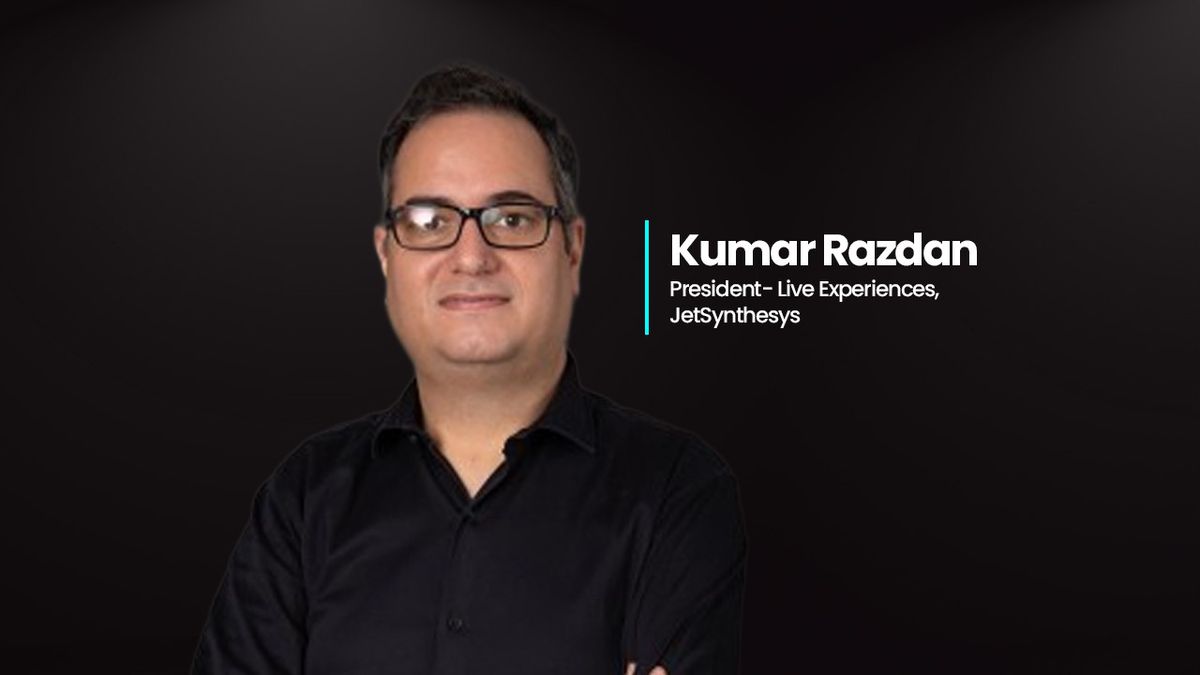
For Kumar Razdan, President, Live Experiences at JetSynthesys, the opportunity lay in addressing what the industry was missing: continuity. India had built an events industry, but audiences increasingly wanted communities they could belong to beyond a single event.
“As digital platforms matured, fans became active participants rather than passive attendees. K-Town reflected this shift, building on an already thriving Indian K-pop fandom that wanted a physical space to connect. Similarly, RE:Sound Lucky Ali wasn’t just a tour. It brought together generations united by an emotional connection to his music,” he says.
Not only have the scale and standards of the ecosystem evolved, but the audience itself and the reasons people attend live events have also changed.
Razdan says live entertainment audiences have become far more intentional. “Five years ago, concert-going was often impulsive and driven by social plans. Today, people are researching artists, choosing experiences that align with their identity, and investing in experiences rather than simply consuming them,” he says.
Another shift is that live entertainment is no longer limited to a handful of metro cities. Demand is growing across Tier II and Tier III markets, while the audience demographic itself has broadened significantly
As audiences flock to these events, brands have also recognised the opportunity to engage with them. However, unlike earlier, when live entertainment sponsorships were largely media buys focused on logo visibility, reach and impressions, brands are now approaching live experiences as long-term cultural investments.
“The conversation has shifted from ‘how many people will see our logo’ to ‘what does this experience say about who we are’,” Razdan notes.
“We are also seeing a shift from sponsorship to co-creation, where brands want to build experiences around communities rather than simply attach themselves to existing events. The entire K-Town model, for example, offered brands an opportunity to integrate authentically into a cultural moment that their target audience genuinely cares about, spanning food, fashion and more. Additionally, digital integration is making live entertainment far more measurable, giving brands meaningful audience insights and business outcomes. That is fundamentally changing the economics of live entertainment partnerships,” he explains.
Brands move beyond sponsorship to cultural participation
Brands are also becoming more selective about the artists and creators they partner with. Instead of focusing solely on follower counts or reach, marketers are evaluating whether an artist’s values, audience and community align with their own objectives.
“Moreover, social media reach, engagement rates and the strength of an artist’s digital community have become key indicators of influence. It is no longer only about the size of the following, but how invested that following is, how often they engage, participate and advocate,” Razdan explains.
He believes IP-native artists, creator-led personalities and digital-first cultural figures will become increasingly valuable because their communities are built around participation rather than passive consumption.
According to Razdan, categories such as BFSI, fast fashion, e-commerce, automobile manufacturers and alcobev brands have been at the forefront of investing in live entertainment experiences.
Brands are also moving beyond simply sponsoring existing IPs or placing logos around venues. Increasingly, they are creating their own festivals, experience zones and entertainment IPs.
“Brands are recognising that the greatest value in live entertainment lies not just in event-day visibility, but in the communities and long-term engagement that successful cultural platforms create. However, the most successful brand-owned platforms are those where a brand’s values genuinely resonate with the audience’s interests,” Razdan elaborates.
Infrastructure and policy will determine the industry’s next phase
Even as demand continues to grow, the ecosystem still faces several infrastructure bottlenecks.
Razdan notes that payment systems, ticketing technology, audience analytics, production quality and technical expertise have all evolved significantly, making large-scale events far more seamless and reliable. However, he believes the next opportunity lies in building physical infrastructure.
“As more global artists and large-scale experiences come to India, there is a significant opportunity to invest in purpose-built, plug-and-play entertainment venues that can consistently deliver world-class experiences for both audiences and artists. Equally important is strengthening the industry’s ‘soft infrastructure’ through continued investment in skilled talent, operational expertise and collaborative frameworks that enable seamless execution at scale,” he explains.
As private sector investment increases and infrastructure improves, policymakers are also beginning to recognise the sector’s economic potential.
“Initiatives such as the Live Events Development Cell (LEDC) and the focus on streamlining licensing, venue development and skilling reflect a growing recognition that the sector is a powerful driver of employment, tourism, investment and India’s creative economy. At the same time, there is an opportunity to build on this momentum through more streamlined regulatory frameworks. As audience demand continues to grow across Tier I and Tier II cities, these investments can unlock the sector’s full potential. With continued collaboration between government and industry, India has a real opportunity to become one of the world’s leading live entertainment destinations,” he explains.
As the industry gathers momentum, Razdan says JetAlive’s ambition is to build experience IPs that people genuinely feel they belong to, not just events they attend. That means strengthening communities, creating platforms where the creator economy and culture come together, expanding meaningfully into Tier II and Tier III cities, and demonstrating that community-led experiences can create lasting cultural and commercial value.
“From a business perspective, success will be defined not by revenue from ticket sales, but by the strength and retention of the communities we build. More broadly, I believe India has all the ingredients, its cultural diversity, digital ecosystem and growing audience base, to create globally relevant live experience IPs. We believe JetAlive will play a meaningful role in taking Indian cultural experiences to audiences around the world,” Razdan concludes.
experience economyConcert economyJetalive
