- 0-20%: Unlikely – Lacks credible sources
- 21-40%: Questionable – Some concerns remain
- 41-60%: Plausible – Reasonable evidence
- 61-80%: Probable – Strong evidence
- 81-100%: Highly Likely – Multiple reliable sources
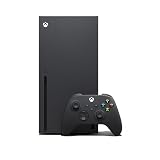
In the first half of June, Windows Central’s Jez Corden reported that, according to hisd X console sold due to massive +700% increases in component costs for memory and storage
Roughly two weeks later, Microsoft announced a $100 price increase for the Xbox Series S and $150 for the Xbox Series X, again due to rising RAM and storage prices. However even after the announced price hike (which takes effect on Saturday, August 1), Xbox will continue to lose money per console sold to consumers
The journalist leverages this information to speculate that Xbox might be forced to drop its announced plans to support other PC stores, such as Valve’s Steam, for the upcoming Project Helix console. Microsoft will likely still be forced to lose money on selling the new console, which could easily be priced over $1,000; if the console’s users are then free to purchase games on another store where Microsoft doesn’t take any cut, then there is no business to speak of.
Corden adds that he obtained Xbox Ally data that supports this assumption. Approximately 75% of the handheld owners also subscribe to either Xbox Game Pass Ultimate or PC Game Pass. However, among non-subscribing users, if an Xbox Ally user also owned an Xbox console, about 25% of those users made purchases within the Xbox PC ecosystem, but only 2% Xbox Ally owners who did not own an Xbox console made a purchase in Microsoft’s gaming ecosystem, suggesting the rest went straight to Steam (or the Epic Games Store).
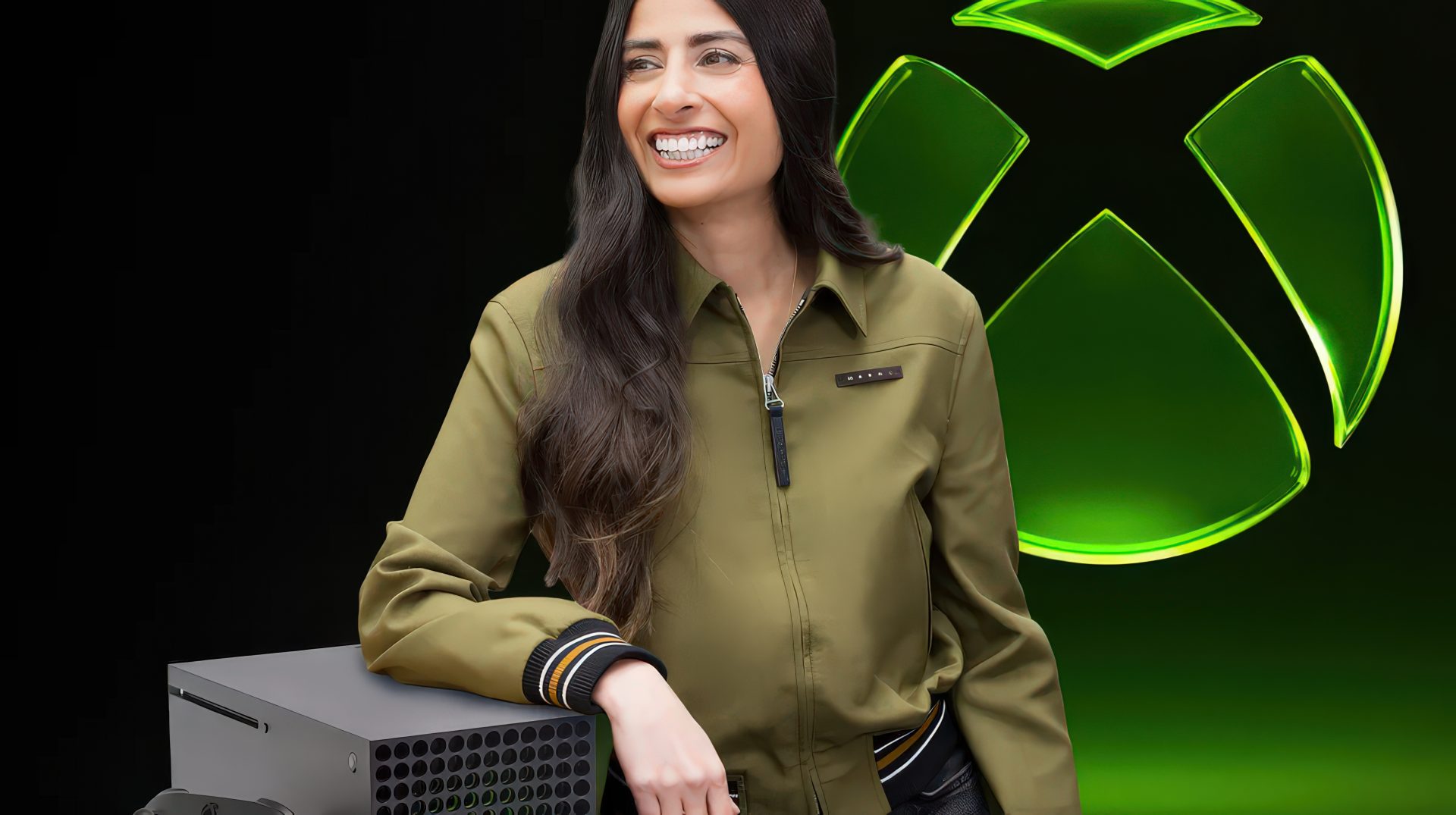
It’s another big conundrum for Xbox CEO Asha Sharma, who is already trying to find a tricky solution between being the biggest gaming publisher and a platform. In this case, she must seek a seemingly impossible balance between not losing too much money on individual unit sales, keeping the promise of an open ecosystem, and actually persuading most users to continue purchasing primarily from its own ecosystem.
That leaves Microsoft in a pretty awkward spot. If Xbox wants to keep pitching Helix as an open, PC-like ecosystem while also eating huge losses on hardware, it will need a business model that makes up the difference somewhere fast. Otherwise, the company risks building a console that appears flexible on paper but ultimately becomes a more powerful (and presumably expensive) version of theSteam Machine. And with hardware costs still on the rise (Sharma herself clarified that Microsoft expects another doubling of component prices by Fall 2027), the pressure to draw users back into Microsoft’s own storefront will only get worse from here.
About the author: With over two decades of experience in gaming journalism, Alessio Palumbo has led the gaming vertical at Wccftech since August 2015. He started working at a young age for Italian websites like Everyeye.it, Gamestar.it, Nextgame.it, and Multiplayer.it before kickstarting the indie English-language publication Worlds Factory as its founder and Editor in Chief.
In the last decade, he has coordinated the overall output of Wccftech’s gaming section, managed PR relations, assigned reviews, produced daily news coverage, edited gaming content as needed, and delivered game reviews.
Arguably, his trademark content is the long series of exclusive developer interviews that have been cited by Wikipedia and by the biggest news media and gaming publications.
His passion for technology also makes him knowledgeable when it comes to gaming hardware and tech. His favorite genres include RPGs, MMORPGs, and action/adventure games.
Follow Wccftech on Google to get more of our news coverage in your feeds.
Products mentioned