


Senior WriterPublished Jul 22, 2026 at 6:49 PM
This article contains spoilers.
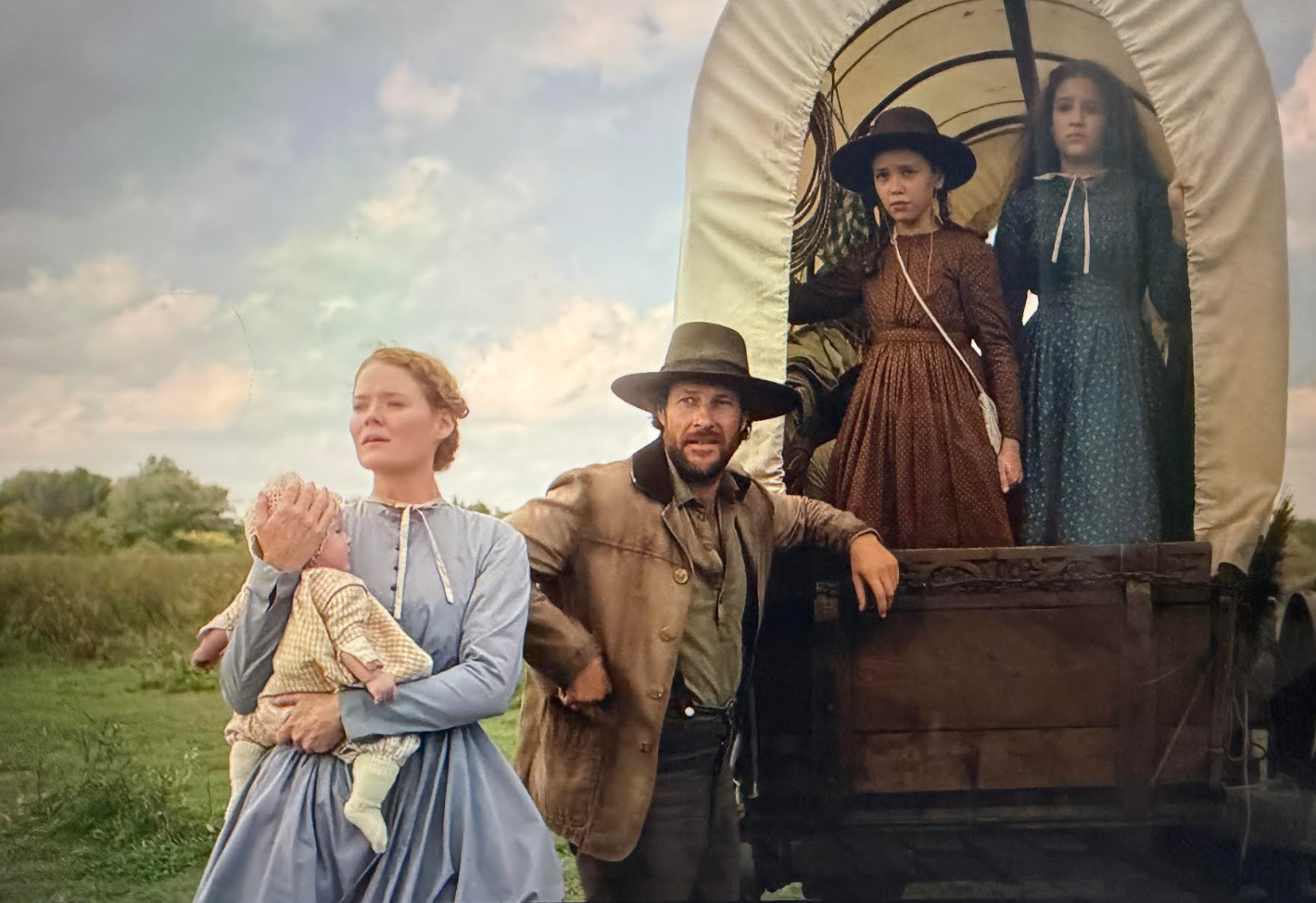
The original “Little House on the Prairie” show first aired on NBC in 1974 and ran until 1983. I’ve been a Laura Ingalls Wilder nerd for as long as I can remember, devouring both the books and the television series starring Melissa Gilbert. When I first heard the show was going to be recreated, I was skeptical. Although I hadn’t seen the show in decades, it had a very special place in my heart that I was sure couldn’t be replicated.
And then I started to read about the new series, and my interest piqued. The show was created, written and directed almost entirely by women. Showrunner Rebecca Sonnenshinespearheaded the 2026 adaptation for Netflix. Women wrote six of the eight episodes of the first season (it’s been greelit for season 2), directed the entire first season of the series and made up the majority of the producing team. Because of this, the new “Little House” brings a feminist perspective to the story and its characters. It also includes prominent Black characters and empathizes with the Osage Nation, recognizing the prairie as legally theirs.
The new “Little House” is a harrowing and heartwarming tale of frontier survival based on the third book in the series It takes place in the 1870s after the family left the Big Woods in Wisconsin and settled in the southeastern Kansas plains in Osage territory. The family’s move to Walnut Grove, Minn. – the setting of the original series – takes place at the very end of the final episode
During the Ingalls’ one-to-two-year stay in Kansas, they built the OG “little house,” welcomed their third child, almost died from malaria (back then called “fever ’n’ ague”) and faced many challenges while trying to colonize Indigenous-owned land.
Overall, I really enjoyed the series. In many ways, I liked it more than the original. So step into your wholesome zone and enjoy my 13 thoughts on the new “Little House on the Prairie.”
- Alice Halsey nails the role of Laura. After half an episode, I adored the spunky, bright-eyed eleven-year-old. Sonnenshine played up Laura’s “tomboy”-ness and portrayed her as an authority questioning, slingshot toting gal who digs the outdoors, oral storytelling and her dog, Jack. But she is also incredibly sensitive at times, feeling like an outcast compared to the other girls, including her quiet, people-pleasing sister Mary (Skywalker Hughes). Her friendship with Good Eagle, who is Osage, is absolutely precious.
- Interpreting the show as an adult is very different than interpreting it as a kid. This time around, I aligned with Ma and Pa’s experiences more than Laura’s, even though I liked Laura the most as a character. I think I missed a lot of nuance in the original series, being a young viewer, and I’m tempted to rewatch it. That’s a 206-episode commitment, though.
- Sweet nods to the original show.There are many familiar details, some of which I remembered, like Pa (Crosby Fitzgerald) calling Laura “Half Pint,” and others I had forgotten, like sisters Mary and Laura wearing nightcaps (sleeping bonnets) and whispering before falling asleep in the same bed. Made me miss my sister.
- New and reimagined characters. Sonnenshine added Lacey Aubert (Rebecca Amzallag), a fearless French woman who runs a gambling room and sells guns and ammunition. She challenges many traditional norms for women and reassures Laura that females can embrace “masculine” qualities. “I didn’t know ladies could wear trousers,” Laura said to her. “Most people don’t consider me much of a lady,” said Lacey. The only town doctor, Dr. Tann, is played by a Black man (Jacko Sims), and the shopkeeper, Emily Henderson (Barrett Doss), is raising an abandoned white child.
- The new Pa.Like the Michael Landon character, Luke Bracey’s portrayal of Pa is a hardworking, fiddle-playing family man. But Bracey is more human and flawed, wrestling with mental health issues stemming from guilt over his brother’s suicide. Hopefully, Bracey was easier to work with than Landon, who reportedly, was total garbage ass on set.
- Gorgeous cinematography. Every episode is an eyeball joy to watch, with lush, sweeping landscapes featuring fields of swaying tall grass, bright cerulean skies and patches of violets, irises, cornflower, chamomile and morning glory. The winter scenes are beautiful, the plains swathed in snow, and eerily represent the family’s isolation and vulnerability in the frontier.
- The disappearance of Ma’s judgement. Sonnenshine created meaningful character growth with the Ma character. After she condemns a workhand, Mr. Edwards (Victor French), for making and drinking alcohol, Pa says sternly, “We are alone at sea here. We don’t have room for this obsession with virtue.” Ma reflects, comes around and forges a true friendship with Mr. Edwards. Later, Ma even says, “I was wrong.”
- Honest effects of war.The new show exposes the rampant mental illnesses like depression, delusions and PTSD in many of the male characters who fought in the Civil War. Pa did not serve, but harbors incredible guilt for not helping his brother who did and returned with severe psychological distress. This added depth to the men in the cast.
- The land belonged to the Osage. Period.Wilder’s books are framed in Manifest Destiny and romanticized the prairie as a welcoming place of opportunity for white settlers. In Sonnenshine’s adaptation, however, it is made very clear that the white colonizers were squatting on Osage land. The new narrative includes the indigenous perspective with supporting characters, the Mitchell family, adding an important dimension to the narrative not present in the first show. Plus, Pa, Ma and Laura struggle with the ethical dilemma of taking over land that still belongs to the Osage Nation and that if “progress” continues the Osage will have to leave.
- People who had the most, shared the least.When the Ingalls suffered health issues and financial hardships, the wealthy railroad James family hoarded medicine and resources. But people of lesser means like Lacey and Emily help the family. This was also apparent in the James’ refusal to interact with the Osage. Instead, they were focused solely on their own needs and dreams. Ma, however, says, “This isn’t about self reliance or liberation or freedom … This is about coming together … (and) getting to know the people who have been here a long time. People who are different than anyone you’ve known before.”
- Naming the baby.After Ma gave birth on the prairie – the first time having a baby without her sisters or a doctor – she suggested they name the new baby after Pa’s brother. But Pa, in complete awe of the strength he just witnessed, insisted they name the baby “Caroline” after Ma.
- The stress debt puts on children.When Ma and Pa fall deeper and deeper into debt, Laura and Mary felt tension and fret over it. They scheme to win prize money at the town’s Founder’s Day competitions to pay off their parents’ general store debt and even offer to stop homeschooling to work instead. This is great commentary on how the more they focus on money, the less happy the family is. It also reminded me of how deeply affected I was, and still am, by my parents’ money struggles.
- Corny? At times. Uplifting? Absolutely. The messaging throughout the new “Little House” themes, although cliche, bring an undeniable feel-good quality to the show. Regardless of where we are in life, messages of hope, of keeping dreams alive and of making fresh starts are well received.
Molly Snyder started writing and publishing her work at the age 10, when her community newspaper printed her poem, “The Unicorn.” Since then, she’s expanded beyond the subject of mythical creatures and written in many different mediums but, nearest and dearest to her heart, thousands of articles for OnMilwaukee.
Molly is a regular contributor to FOX6 News and numerous radio stations as well as the co-host of “Dandelions: A Podcast For Women.” She’s received five Milwaukee Press Club Awards, served as the Pfister Narrator and is the Wisconsin State Fair’s Celebrity Cream Puff Eating Champion of 2019.
